Home
About us
Destinations & Country Guides
Travel Guides
Recipes
Featured
Photos As Art
Abstract Prints
Locations
Travel Gear
Travel Resources
Favorites
Photo Framer
Explore Photos
Contact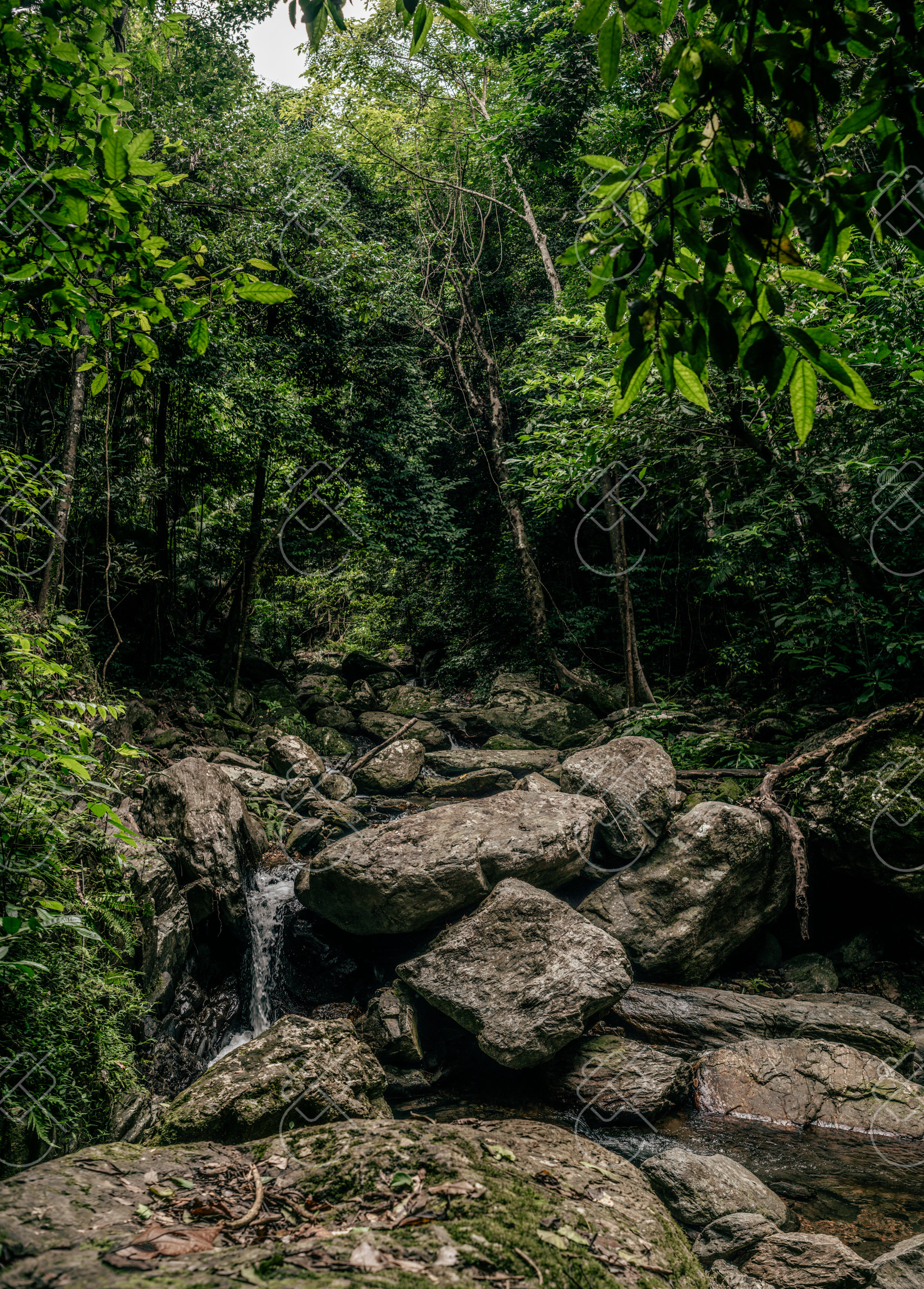 Destinations & Itineraries
By Clever Tourists · Published
Three days, plus two more in the Daintree if you can. We spent 3 days in Cairns, from 11 to 14 February 2023, after Townsville and Magnetic Island, and then 2 nights in the Daintree before Sydney. Cairns itself is a base rather than a sight: the reasons to come are the Great Barrier Reef offshore and the rainforest behind the city. Three days gives one full day on the reef, one in the rainforest at Kuranda and one for the city and Crystal Cascades. The Daintree, about 1.5 to 2 hours north, deserves its own overnight.
• 2 days: a reef day and a Kuranda day. The minimum to justify the flight.
• 3 days: what we had. Add a slower day at the Esplanade Lagoon and Crystal Cascades, or a second reef trip to an island.
• 4 to 5 days: move on to the Daintree and Cape Tribulation for 2 nights, as we did, or stay in Port Douglas, about an hour north, for the outer reef from there.
The reef trips leave from the Cairns waterfront and take the whole day, so count every reef trip as one of your days. Book them for your first full day, so that bad weather leaves a backup.
Day 1, the Great Barrier Reef. Choose between the outer reef, roughly 60 to 90 minutes out by boat, with the clearest water and the best snorkelling, and the closer islands. Green Island and Fitzroy Island are both about 45 minutes away and suit non-swimmers and families, with beaches and glass-bottom boats. Michaelmas Cay is a common first stop on outer reef trips.
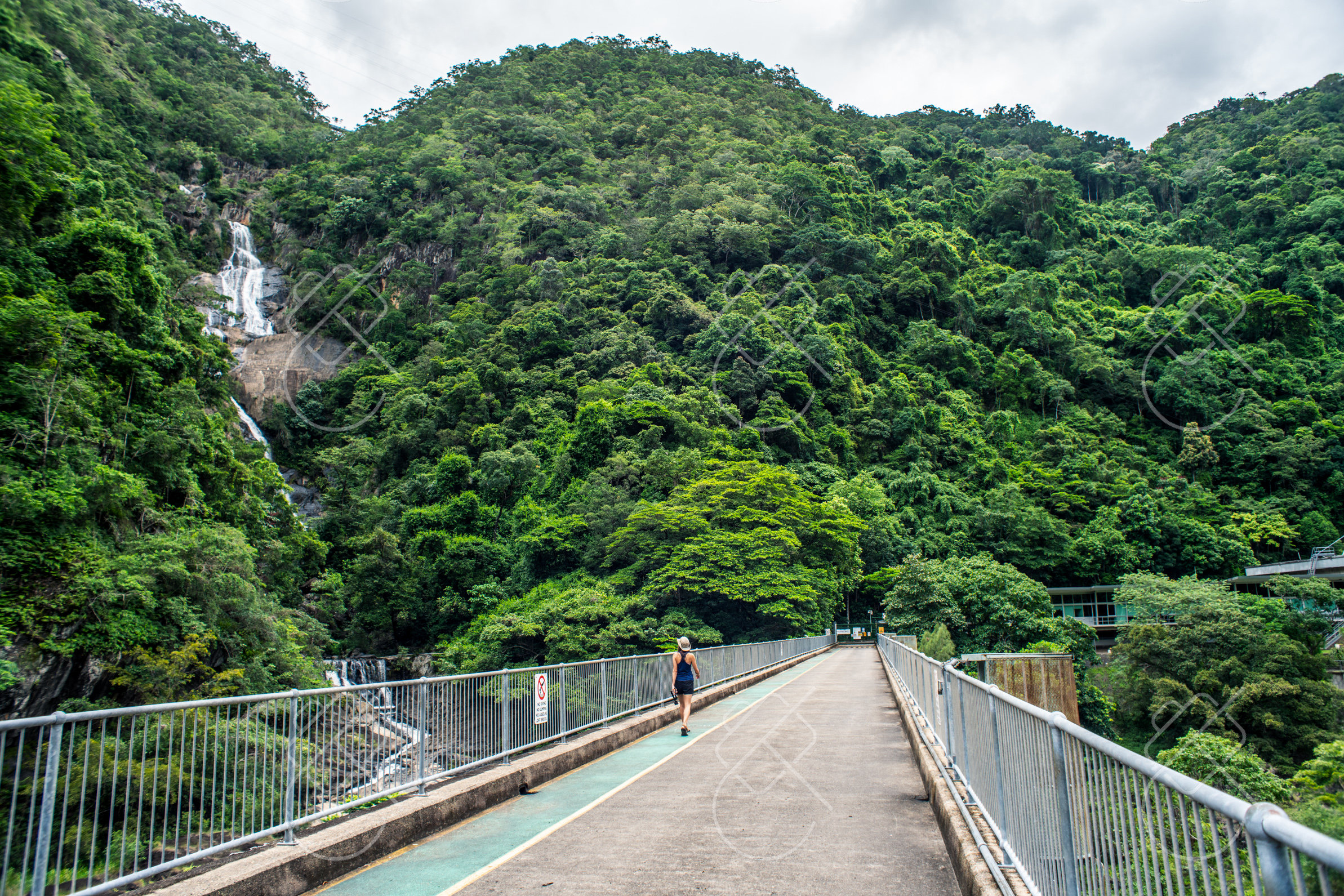
Day 2, Kuranda and the rainforest. The classic day pairs the Kuranda Scenic Railway with the Skyrail Rainforest Cableway, 7.5 km of gondolas over the canopy with stops at Red Peak and Barron Falls; a full return day takes about 7 hours with transfers. Skyrail has been running a reduced service during upgrade works in 2026, with limited times and part of the line replaced by a shorter loop, so check its current schedule before you build the day around it.
Day 3, the city and Crystal Cascades. Swim in the free Esplanade Lagoon, built because the city's own shoreline is mudflat, then drive or taxi about 20 minutes to Crystal Cascades, a 1.2 km sealed path to rock pools and waterfalls on Freshwater Creek. Swim in the lower pools and do not jump from the rocks. Buy tropical fruit at Rusty's Markets in the morning. Our Tropical North Queensland guide covers each stop.
Our Queensland leg ran south to north: Townsville, 3 days on Magnetic Island with its rock-wallabies and koalas, 3 days in Cairns, then 2 in the Daintree before Sydney. That order works well: Magnetic Island is a 20-minute ferry from Townsville, and from Cairns the Daintree River ferry is about 1.5 to 2 hours' drive, via Port Douglas at about an hour.
In the Daintree, take a crocodile-spotting cruise on the river, walk the Daintree Discovery Centre's canopy boardwalk and continue to Cape Tribulation, where the rainforest meets the beach. One long day trip is possible, but the drive and the ferry queue eat into it, which is why we stayed two nights.
Cairns has its own international airport, so it works as an entry or exit point. The rest of our Australia route, from Melbourne and the Great Ocean Road to Alice Springs, is in where to travel this winter.

The reef day is the one most people come for, and the choice of trip matters more than the number of days. All leave from the Cairns waterfront in the morning and return in the late afternoon.
• Outer reef pontoons and boats: 60 to 90 minutes each way, the clearest water and the most coral. Best for confident snorkellers and divers.
• Green Island: about 45 minutes out, a coral cay with a beach, a walking track and glass-bottom boats. Best for families and non-swimmers.
• Fitzroy Island: about 45 minutes out, a larger, hillier national-park island with walking tracks and fringing reef off the beach.
• Michaelmas Cay: a sand cay and seabird colony, a common stop on outer reef trips.
In stinger season, from November to May, operators supply stinger suits, and you should wear one. In the wet season, check the forecast the day before and book with an operator that allows rescheduling, since boats can be cancelled or the water churned by wind.
May to October is the best time: the dry season, with the clearest reef visibility and outside the November-to-May marine stinger season, when open-water swimming needs a stinger suit. June to August are the busiest months, so book reef trips ahead.
We were there in February, which is the wettest month of the year at Cairns airport, averaging well over 400 mm of rain on about 16 days. Reef boats still run in the wet season, and the rainforest waterfalls are at their fullest, but expect rain most days and plan the reef day around the forecast.
• Expecting to swim off the city beach. The Cairns shoreline is mudflat; swim in the Esplanade Lagoon instead.
• Ignoring crocodile warnings. Treat every river, creek and estuary in the region as crocodile habitat and stay back from the water's edge.
• Booking the reef for your last day. Weather cancellations happen; leave room to reschedule.
• Planning the Daintree as an afternoon trip. Allow a full day at least, or better, two nights. Tipping is not expected in Australian restaurants; see tipping in Australia.
Yes. Three days covers a full reef day, a Kuranda rainforest day and a city day with the Esplanade Lagoon and Crystal Cascades. We spent 3 days, then 2 nights in the Daintree.
It covers one reef trip and one Kuranda day, with no room for bad weather. Add a third day if you can.
Yes, but it is 1.5 to 2 hours each way to the Daintree River ferry, plus the crossing. Two nights, as we spent, is far more relaxed.
From November to May. May to October is the best time to visit for both swimming and reef visibility.
Get our new Australia guides and practical tips by email: where to stay, what to eat, what things cost and the rules that catch travelers out.
Free. No spam, only new guides and tips.
Get the best deals on Australia hotels before they're gone — see Booking.com.