Home
About us
Destinations & Country Guides
Travel Guides
Recipes
Featured
Photos As Art
Abstract Prints
Locations
Travel Gear
Travel Resources
Favorites
Photo Framer
Explore Photos
Contact Road trips & driving
By Clever Tourists · Published
Three days and two nights is the right length for the Great Ocean Road, and two days is the common compromise. A one-day return trip from Melbourne means roughly 8 to 9 hours of driving with 15-minute stops at the lookouts, which is why so many people come back saying the Twelve Apostles were a car park and a photo. We drove it in January 2023, stopping at Apollo Bay, and the difference between doing it in one push and doing it in stages is the whole trip.
Day 1: Melbourne to Apollo Bay. Head south through Torquay, the surf town at the official start, and pass the Memorial Arch at Eastern View. Stop at Bells Beach, Split Point Lighthouse at Aireys Inlet, Teddy's Lookout above Lorne, and Kennett River for wild koalas in the eucalyptus along the road. Sleep in Apollo Bay.
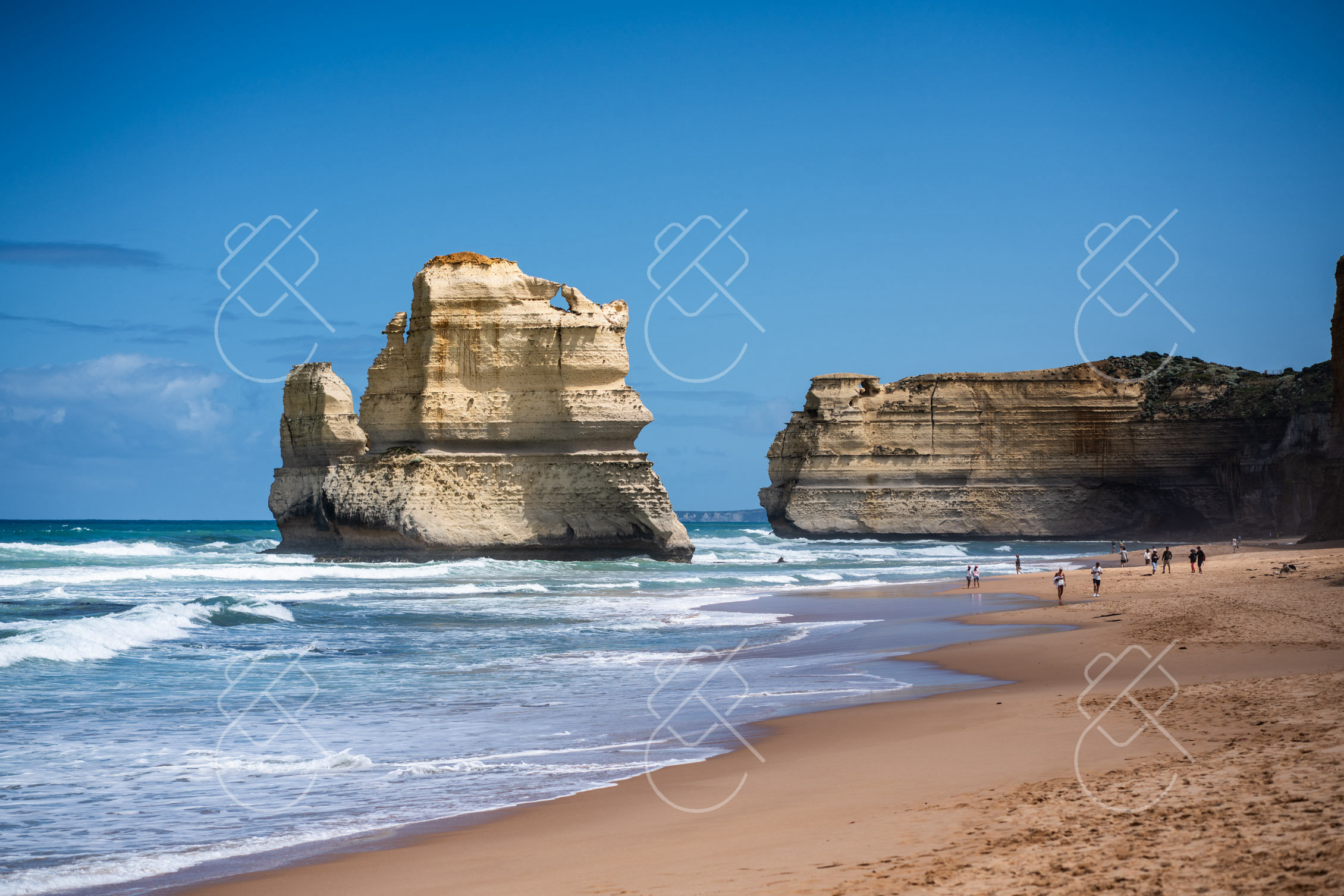
Day 2: Apollo Bay to Port Campbell. Turn inland into Great Otway National Park — the Maits Rest rainforest walk is short and worth the stop — then rejoin the coast at Cape Otway and its lightstation. Continue to Gibson Steps and be at the Twelve Apostles for sunset. Sleep at Port Campbell, ten minutes past the Apostles, which puts you there before the coaches the next morning.
Day 3: Port Campbell and back. Early at the Apostles, then Loch Ard Gorge, London Arch and The Grotto. Return inland via the Princes Highway — about 3 hours from Port Campbell to Melbourne — rather than retracing the coast.
Two days works if you accept that day one is long. Melbourne to the Apostles via the coast is a full day of driving with stops, and you will be arriving around sunset if you leave in the morning. That is the good version, since sunset at the Apostles is the reason to be there.
The trick that most independent drivers use: on the return, avoid retracing the whole coast. Take the inland highway back from Port Campbell. It is faster and it means you are not seeing everything twice.
One day from Melbourne is possible but I would not recommend it unless you are on a fixed tour. You will spend 8 to 9 hours in the car and see the Twelve Apostles in a crowd.
Apollo Bay is the natural halfway stop: a real town with accommodation, food and a beach, roughly a third of the way along. We stayed there and it works.
Port Campbell is the better second night if your priority is the Apostles at first and last light. It is small, ten minutes from the formations, and by staying there you are on site before the day-trip buses arrive from Melbourne — which is the single biggest difference in how the place feels.
Book ahead in summer. January is peak domestic holiday season in Victoria and the small towns along this coast genuinely sell out.
This is a two-lane coastal road with a lot of corners, a lot of tourists and a lot of people stopping suddenly at lookouts. Distances are short but average speeds are low; do not plan on highway times.
The road is left-hand drive, and the ocean is on the left heading west — which means the pullouts and the best views are on the far side of oncoming traffic. Slow down and use the signed lookouts rather than stopping on the shoulder.
The Twelve Apostles are free to visit and open at all hours. There is a visitor centre and a car park, and the walk to the viewing platform is a couple of minutes from the car. Gibson Steps takes you down to the beach for the low-angle version.
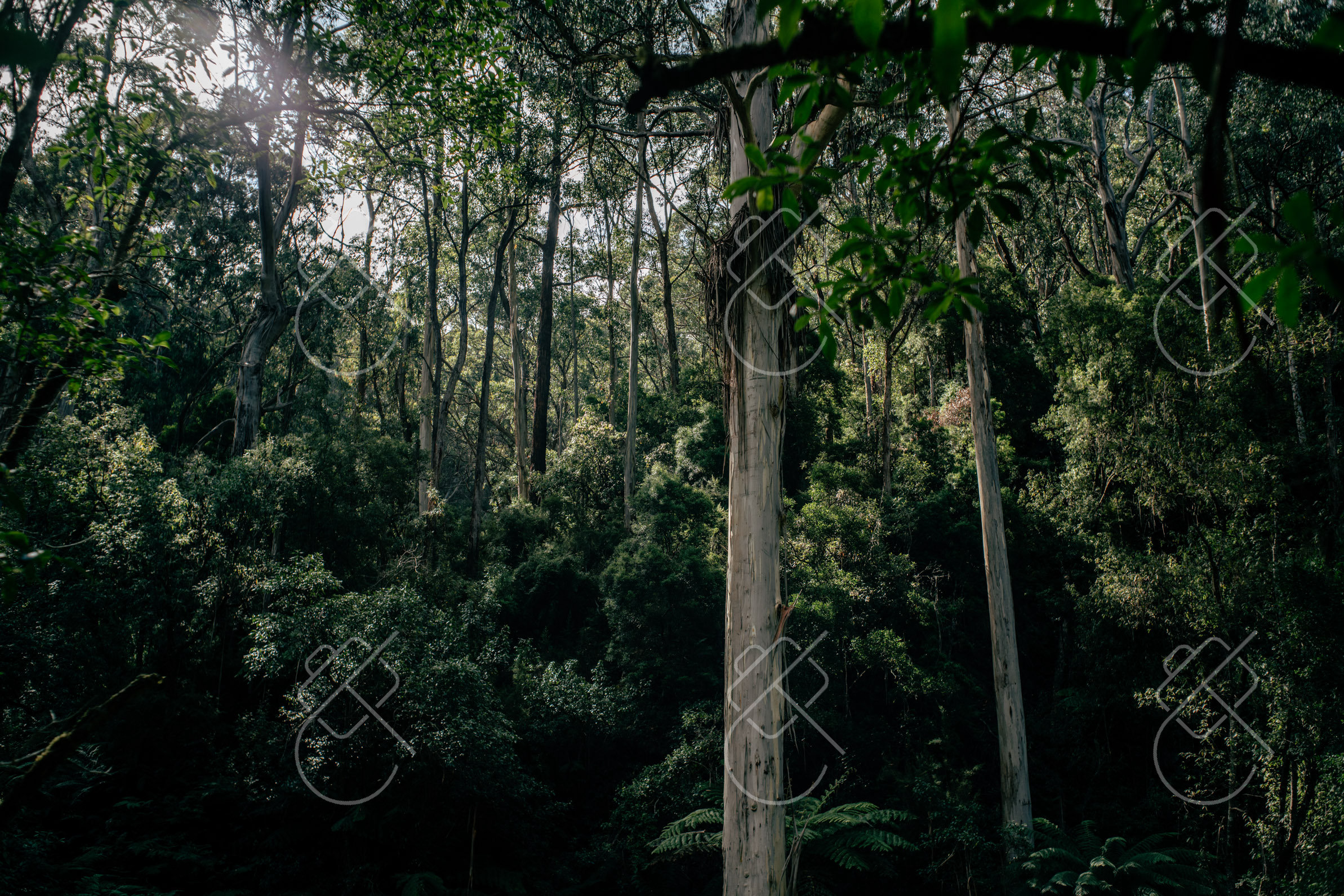
Three days and two nights is ideal. Two days works with a long first day, and one day from Melbourne means 8 to 9 hours of driving with very short stops.
Apollo Bay for the halfway break and Port Campbell for the Twelve Apostles. Staying at Port Campbell gets you to the formations before the Melbourne day tours arrive.
No. Access is free and the site is open at all hours. There is a visitor centre and car park at the main viewing area.
About 3 hours via the inland Princes Highway, which is faster than retracing the coastal road.
Get our new Australia guides and practical tips by email: where to stay, what to eat, what things cost and the rules that catch travelers out.
Free. No spam, only new guides and tips.
Entry rules change, and they depend on your nationality — always confirm the current requirements on the official government site before you book or apply. Only use official government (.gov) portals; ignore look-alike agency sites.
Get the best deals on a stay in Australia — compare on Booking.com.