
Home
About us
Destinations
Travel Guides
Recipes
Featured
Photos As Art
Abstract Prints
Locations
Travel Gear
Travel Resources
Favorites
Photo Framer
Explore Photos
ContactMelbourne trades Sydney's harbor postcard for something quieter and more layered: laneway bars behind unmarked doors, a coffee culture built by generations of immigrants, and a downtown that rewards wandering more than checklist sightseeing.
Published April 29, 2026
Tap any photo to open it full-screen and order a print.
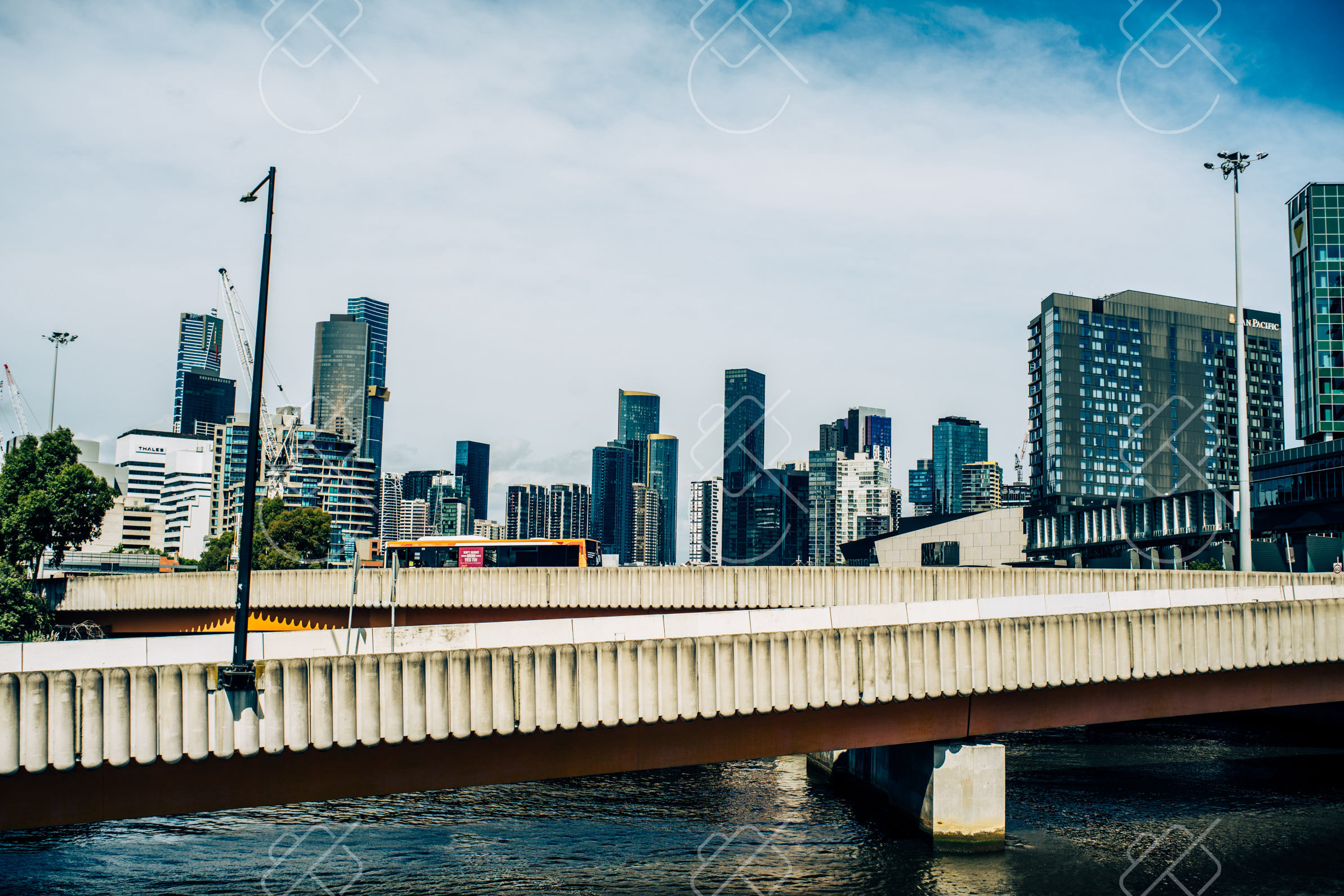
Melbourne trades postcard beaches for laneways, coffee, and constant reinvention — a city of hidden bars behind unmarked doors, Victorian-era arcades, and a skyline that keeps climbing along the Yarra.
The city's character lives in its laneways: narrow bluestone alleys off the CBD grid, wallpapered in street art that's repainted so often the same wall never looks the same twice, and doorways that open onto speakeasies with no sign out front. Above ground, Melbourne runs on coffee, and on its tram network, the largest urban tram system outside Europe, which still rattles past Victorian-era facades, wrought-iron verandahs, and the ornate arcades left over from the 1850s gold rush boom.
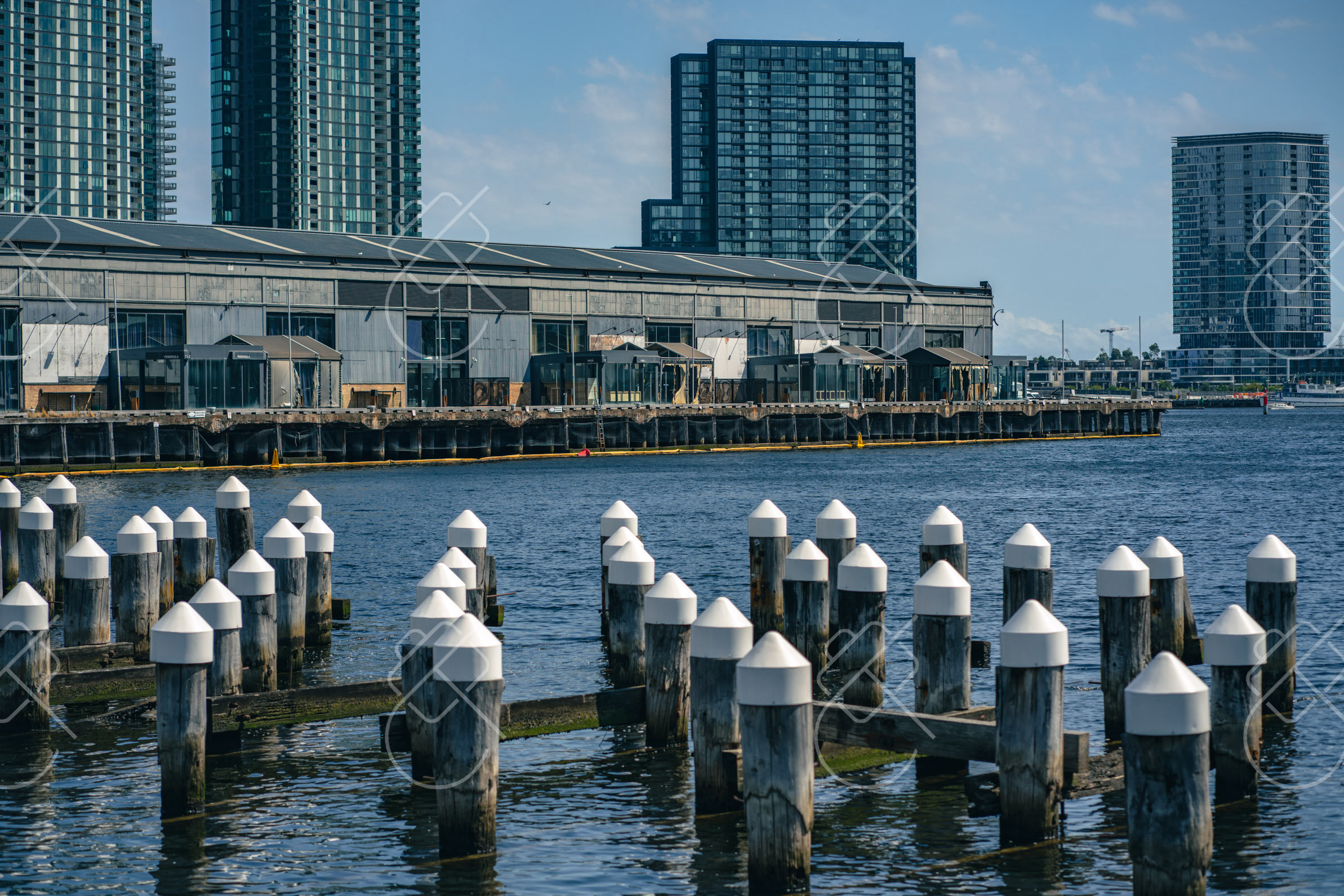
Glass towers along the Melbourne waterfront
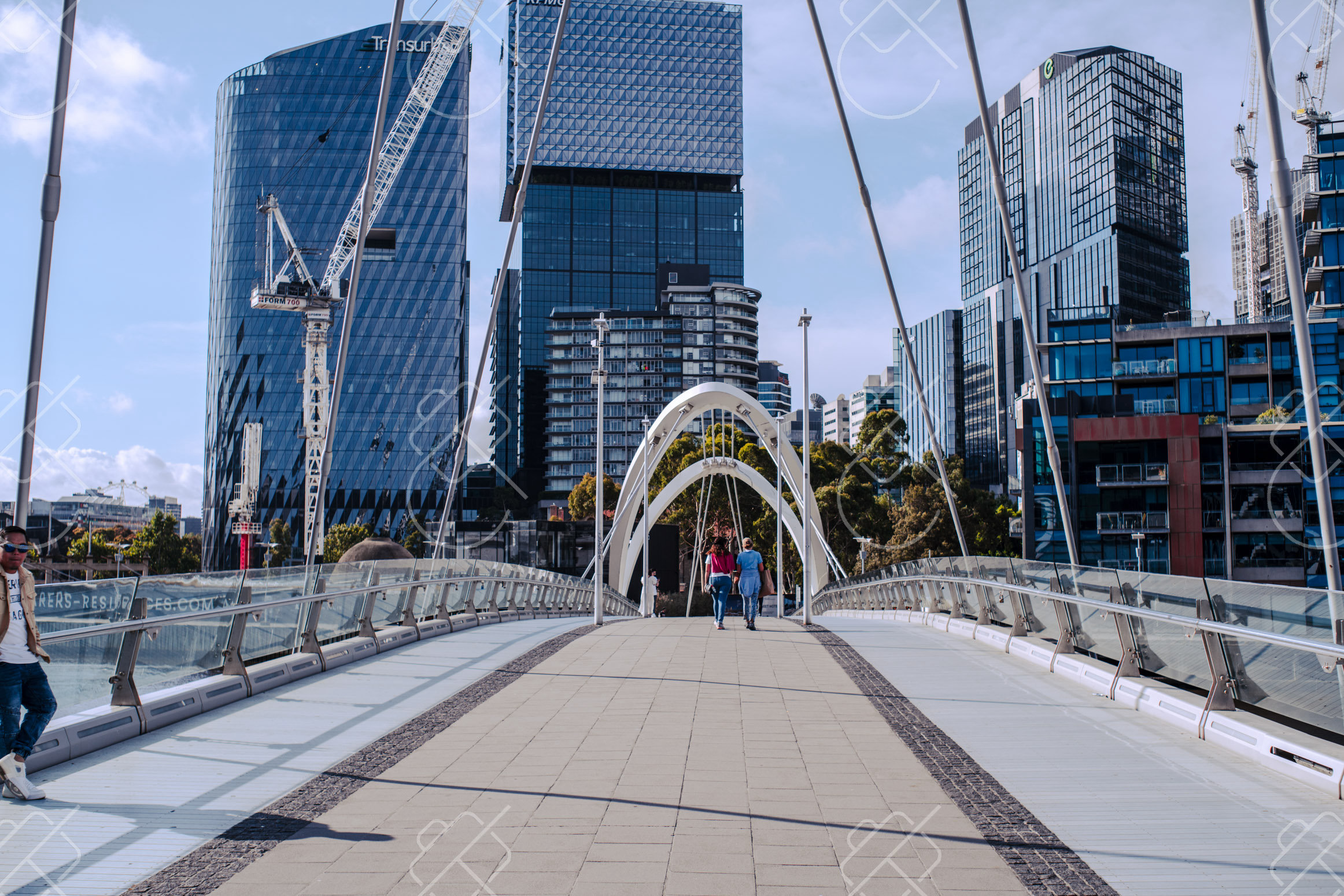
The Yarra River splits the CBD from Southbank and the newer glass towers of Docklands, and a walk along its banks covers everything from heritage architecture to contemporary skyscrapers in the span of a few blocks. Melbourne's identity is also built on sport — the MCG anchors an AFL culture that fills the city every winter weekend — and on its role as the gateway to the Great Ocean Road, where the Twelve Apostles rock stacks are a manageable day trip from downtown.
March–May (autumn) brings mild days, golden light in the parks, and thinner crowds than summer; December–February is warm but notoriously changeable — Melbourne is famous for 'four seasons in one day.'
Base in the CBD or Southbank for walkable access to the Yarra riverfront and transit hub at Flinders Street; Fitzroy or Collingwood suit travelers chasing a slower pace of cafes, bars, and independent shops just north of the center.
This is Australia's coffee capital, built by generations of Italian and Greek immigrants — order a flat white or a short black rather than a drip coffee. Beyond caffeine, the food scene runs through Chinatown, Lygon Street's Italian trattorias, and modern Australian menus built on local produce and fresh seafood.
Pack layers regardless of season and don't trust the morning forecast — the weather can flip from sun to wind-driven rain within an hour. A myki transit card makes the tram network effortless.
Get the best deals on a stay in Melbourne — compare on Booking.com.
Transit cards, local customs, visa rules, and practical travel guides for this region.
See every destination from the 526-day journey:
Browse all destinationsCurious about the gear behind these photos? See the gear list.