Home
About us
Destinations & Country Guides
Travel Guides
Recipes
Featured
Photos As Art
Abstract Prints
Locations
Travel Gear
Travel Resources
Favorites
Photo Framer
Explore Photos
Contact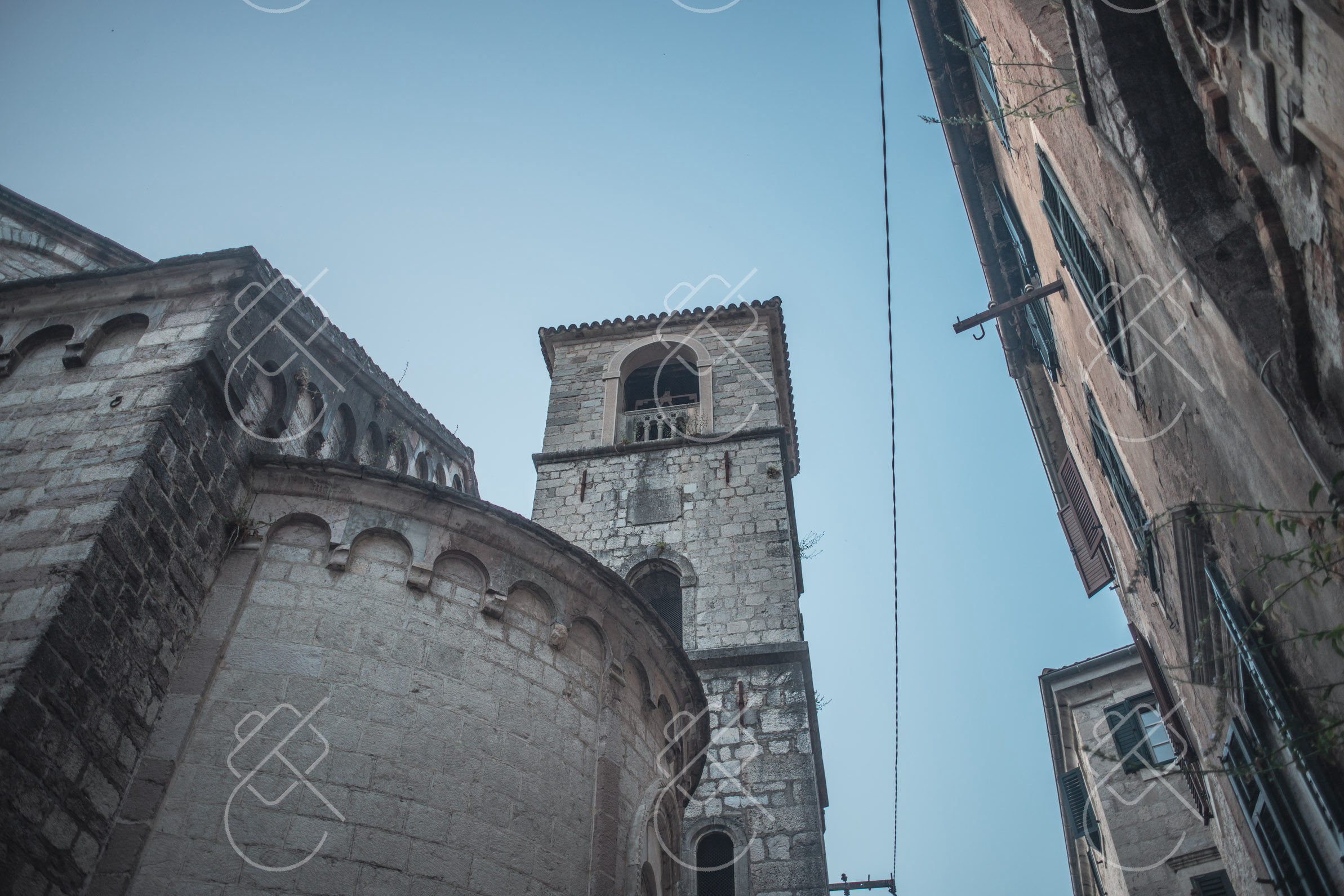 Seasonal travel
By Clever Tourists · Published · Last updated
Orthodox Christmas in Montenegro is Thursday 7 January 2027, and the part to see is the evening before: on Badnje veče, Wednesday 6 January, parishes light the badnjak, an oak log or branch, on bonfires outside churches. In January 2026 the Montenegrin Orthodox Church lit its Kotor badnjak at 18:30 in the Old Town and its Cetinje one at 15:00, and the Serbian Orthodox Church held its own gatherings, with Podgorica's Cathedral of Christ's Resurrection the main one in the capital. 2027 times are announced by each church in the days before, so treat the 2026 times as a guide. Kotor also celebrates Catholic Christmas on 25 December, which is why its winter festival is called "From Christmas to Christmas". We spent 3 days in Kotor in August 2023 and a night in Cetinje and 2 days in Podgorica that September, so this page is built from church announcements and official sources, not a January visit.
Most Orthodox Christians in Montenegro keep the Julian calendar, which currently runs 13 days behind the Gregorian one. Their 25 December falls on 7 January, and Christmas Eve on 6 January.
Montenegro has two Orthodox churches. The larger is the Metropolitanate of Montenegro and the Littoral, part of the Serbian Orthodox Church. The other is the Montenegrin Orthodox Church. Both celebrate on the same dates and both light badnjaci, usually at separate places and times. The question of which church represents Montenegrin Orthodoxy has been politically sensitive for years, so as a visitor, keep out of the argument: go where you like, behave as a guest and leave the politics to locals.
Kotor and the Bay also have a long-established Catholic community, centred on the Cathedral of St Tryphon, which celebrates Christmas on 25 December. The town marks both.
Badnji dan (Christmas Eve day) starts early. Traditionally men of the household go out to cut the badnjak, usually a young oak (Turkey oak is the favourite). It is a fasting day, with a meatless supper in the evening. Celebratory gunfire and small mortars (prangije) to mark the badnjak and Christmas morning are a traditional part of the day in the region; in towns you are more likely to hear fireworks.
Badnje veče (Christmas Eve evening) is when the badnjak is burned. Since the early 1990s, public bonfires in churchyards and squares have become the main event in towns: the priest blesses the badnjak, it is laid on the fire, people take a sprig of oak home, and children are often given small gifts. It is free, open and outdoors, and visitors who stand respectfully at the edge are welcome.
Christmas Day, 7 January, begins with the morning liturgy. The greeting all day is "Hristos se rodi" (Christ is born), and the reply is "Vaistinu se rodi" (Truly he is born). At home, families break the česnica, a round bread baked with a coin inside; whoever finds it is said to have luck for the year. The first visitor of Christmas Day, the polaznik, has a role in the household ritual too.
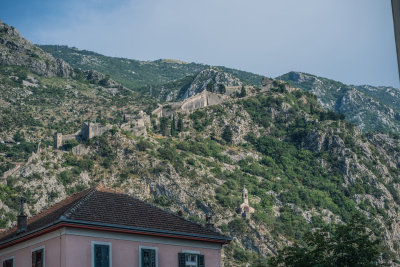
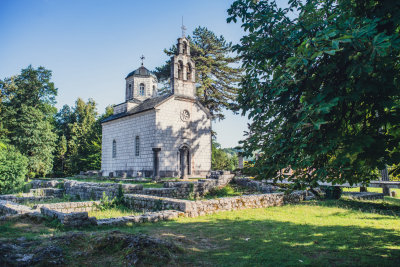
Kotor. In January 2026, the Montenegrin Orthodox Church announced its badnjak lighting for 6 January at 18:30 in front of the Church of St Peter of Cetinje in the Old Town, with gifts for children, and its Christmas liturgy there at 09:45 on 7 January. Serbian Orthodox parishes in the Old Town hold their own celebrations. The Old Town is small, so on the evening of the 6th you will find the gatherings by following the crowd and the smoke. Our how many days in Kotor guide covers the town; see the Kotor guide for the layout.
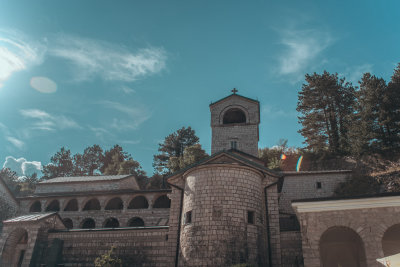
Cetinje. The old royal capital is the spiritual centre for both churches. In 2026 the Montenegrin Orthodox Church lit its badnjak at 15:00 in front of the Bishop's Residence on Gruda. The Cetinje Monastery is the seat of the Serbian Orthodox Metropolitanate. Cetinje is roughly an hour's drive from Kotor over the mountain road, which can be icy in January; see our Kotor serpentine road guide before driving it in winter.
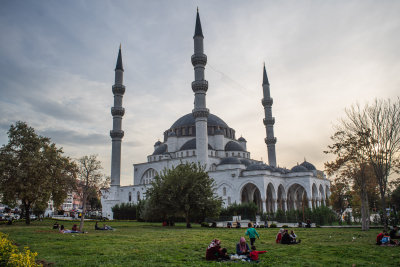
Podgorica. The capital's main Serbian Orthodox gathering centres on the Cathedral of Christ's Resurrection, where the Metropolitan serves the Christmas liturgy. Expect a large crowd on the evening of the 6th. We did not find a published 2026 programme for Podgorica in English, so check local news or the Metropolitanate's announcements in the first days of January.
In January 2026 the Montenegrin Orthodox Church's Kotor archdiocese warned about a fake invitation circulating on social media, so use the churches' own websites and pages for times.
Kotor's tourist organisation runs a winter programme, Kotorske zimske fešte (Kotor Winter Fest), which takes in the long-running "Od Božića do Božića" (From Christmas to Christmas) events. The 2023-24 edition, the last one with a full published programme we could find, ran from 3 December 2023 to 3 February 2024, with a bazaar and concerts on the waterfront (the riva), fritters (priganice) handed out at the main gate on 24 December, Catholic Christmas music on the 25th, big New Year's Eve and New Year's Day concerts, and a concert for Orthodox Christmas.
The 2026-27 programme had not been published when we checked. Expect the same shape, with the Orthodox New Year on the night of 13 to 14 January as one more celebration. If you want a New Year party instead, see our best places for New Year's Eve abroad.
Closures. 1 and 2 January are state holidays in Montenegro. For Orthodox Christmas, the law on religious holidays gives Orthodox believers paid days off on 6, 7 and 8 January. It is not a general state holiday, so supermarkets, cafés on the riva and hotel restaurants generally stay open, but many family-run shops and restaurants close on the 7th, and some offices run short-staffed from the 6th to the 8th. Winter is low season in Kotor and some seasonal restaurants close for the winter anyway, so check opening before you walk across town. In restaurants, remember the kuver cover charge.
Church etiquette.
• Dress modestly: covered shoulders and knees, and women may want a scarf for inside churches.
• Stand at the back during services; Orthodox churches have few seats and people come and go quietly.
• Do not photograph inside during the liturgy. At outdoor bonfires, photos are normal, but do not use flash in people's faces or step into the ring around the fire and clergy.
• Keep your distance from the fire and from anyone setting off fireworks.
• Do not use the occasion to ask locals which church they belong to.
Tivat airport is closest to Kotor, and Podgorica airport serves the capital. In January, coastal Montenegro is mild and wet; the mountains behind are cold and can have snow, which matters for the Cetinje road. For a longer winter trip, our day trips from Kotor and Kotor fortress hike guides still apply, and the Montenegro hub lists the rest. If you are driving, read driving in Montenegro.
Thursday 7 January 2027. Christmas Eve, Badnji dan, is Wednesday 6 January, and the badnjak bonfires are lit that evening.
In January 2026 the Montenegrin Orthodox Church lit its Kotor badnjak at 18:30 in front of the Church of St Peter of Cetinje in the Old Town. The 2027 times are announced by each church in early January.
Orthodox believers get 6, 7 and 8 January off under the law on religious holidays, but it is not a general state holiday. Supermarkets and many cafés stay open; family-run businesses often close on the 7th.
Yes. The bonfires are outdoors and open to anyone. Stand at the edge, dress warmly and modestly, keep away from the fire and clergy, and avoid flash photos.
Get our new Kotor guides and practical tips by email: where to stay, what to eat, what things cost and the rules that catch travelers out.
Free. No spam, only new guides and tips.
Search verified local fleets with low security deposits and exact model delivery on Localrent.
Get the best deals on a stay in Kotor — compare on Hotels.com.