 Safety & Practicalities
By Clever Tourists · Published
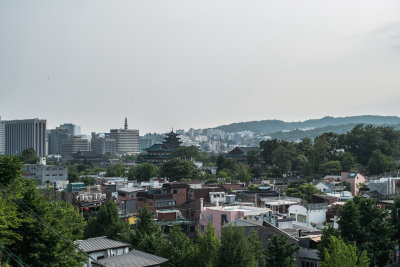
Yes, Seoul is safe to visit: street crime against tourists is rare, South Korea sits at Level 1 (Exercise Normal Precautions) with the US State Department, and the UK Foreign Office has no warning against travel to any part of the country. The problems visitors actually meet in Seoul are taxi overcharging, especially on airport runs, late-night trouble around nightlife districts such as Itaewon and Hongdae, very dense crowds at festivals and Halloween, summer monsoon floods, and spring fine dust. North Korea rarely affects a trip beyond the occasional civil-defence siren. We spent about 10 days in Seoul in June and July 2023, at the start and end of a month in South Korea.
This page contains affiliate links. If you book or buy through them we may earn a commission, at no extra cost to you.
There is no separate advisory for Seoul; it falls under South Korea's. The US State Department lists South Korea at Level 1, its lowest level, and the UK Foreign Office carries no warning against travel to any region. The FCDO notes that tension on the Korean Peninsula can rise after missile tests and during military exercises, but daily life in Seoul carries on normally. Check both pages in the week you fly.
For the national picture, including drug laws, driving and typhoons, see our South Korea safety page.
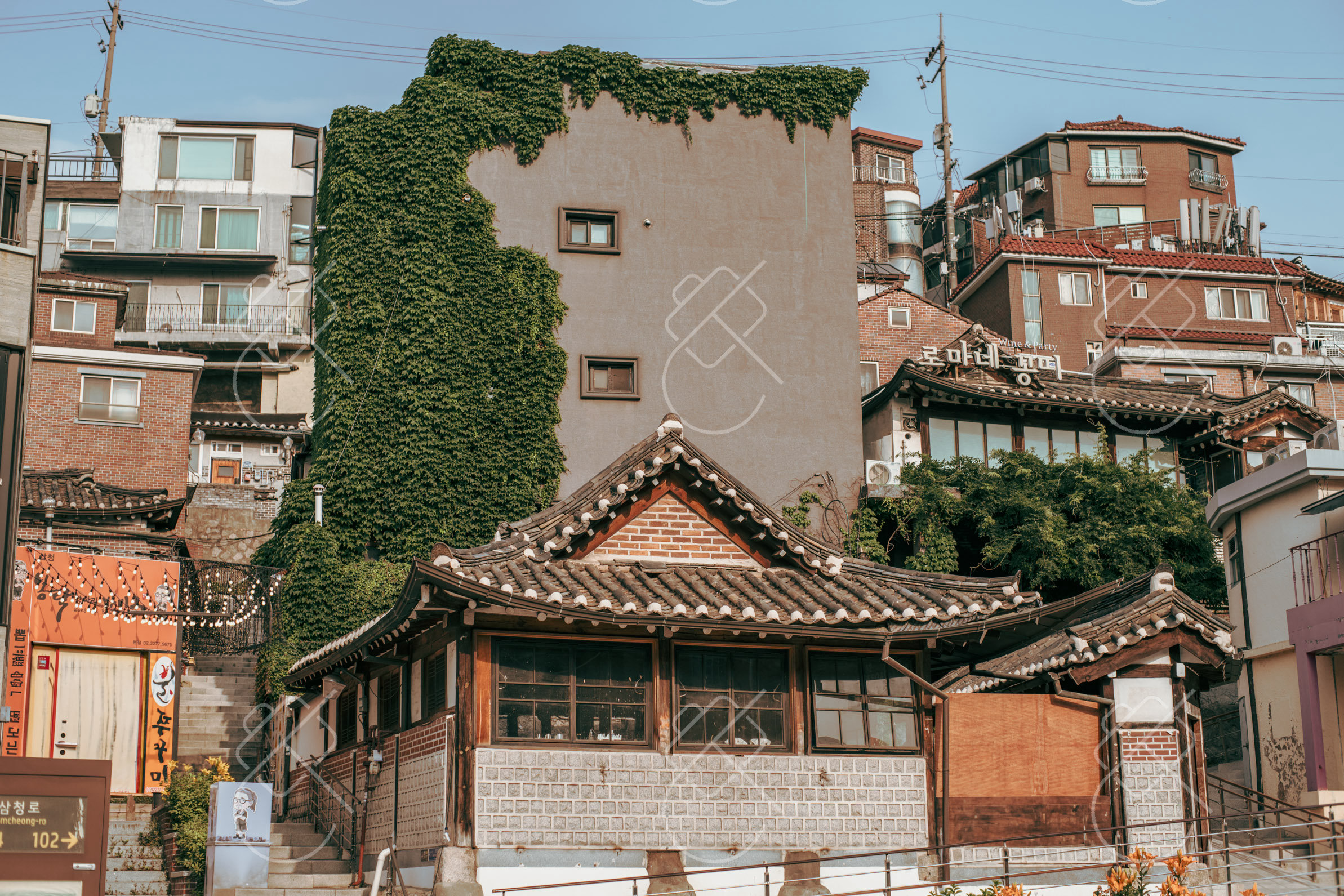
Overcharging by a minority of taxi drivers is the most reported problem for foreign visitors in Seoul. A lawmaker's data published in October 2026 counted more than 6,000 overcharging reports from foreign passengers in five years, and in 2026 Korean media covered cases of tourists charged hundreds of thousands of won for rides from Myeongdong and to the airports. The city now issues bilingual receipts and, according to a February 2026 report, suspends a driver's licence for 30 days on a first overcharging offence.
• Use the meter or an app. Seoul's standard base fare is 4,800 won for the first 1.6 km; a fixed price quoted at the kerb is a warning sign.
• Take the train from the airport. The AREX and airport limousine buses are fixed-price; see our Incheon airport guide.
• Keep the receipt and report it. Complaints go to the 120 Dasan Call Center or the QR codes in taxis and at Incheon and Gimpo airports.
Seoul's nightlife districts are busy and generally safe, but the FCDO says assaults, including sexual assault, mostly happen around bars and nightlife areas, and it singles out foreigner hotspots such as Itaewon for extra care with passports and cards. Watch your drink, take only licensed taxis or the subway home, and agree any club charge before you go in.
The subway stops running around midnight to 1am, so late nights end in a taxi. Choosing a base on a central line, such as those in where to stay in Seoul, keeps that ride short.

Practical travel tips, straight to your inbox. Unsubscribe anytime.
In October 2022, 159 people died in a crowd crush in an Itaewon alley on Halloween weekend. Since then Seoul's police and district offices run special crowd controls each Halloween in Itaewon, Hongdae, Seongsu and Myeongdong, with thousands of officers, barriers, one-way pedestrian routes and road closures. Large festivals, fireworks on the Han River and concerts get similar treatment.
If you are in a crowd that becomes too dense to move freely, leave early, move diagonally toward open space, keep your arms in front of your chest and follow officers' directions.
South Korea holds civil-defence exercises signalled by air-raid sirens; vehicles may be stopped and people directed into subway stations or basements for a short time. The drills are routine and announced in advance in Korean media, and officials' instructions are what to follow. The FCDO advises caution near the DMZ, which is a day trip from Seoul, and says foreigners should not take part in political demonstrations, which are common around Gwanghwamun and City Hall at weekends.
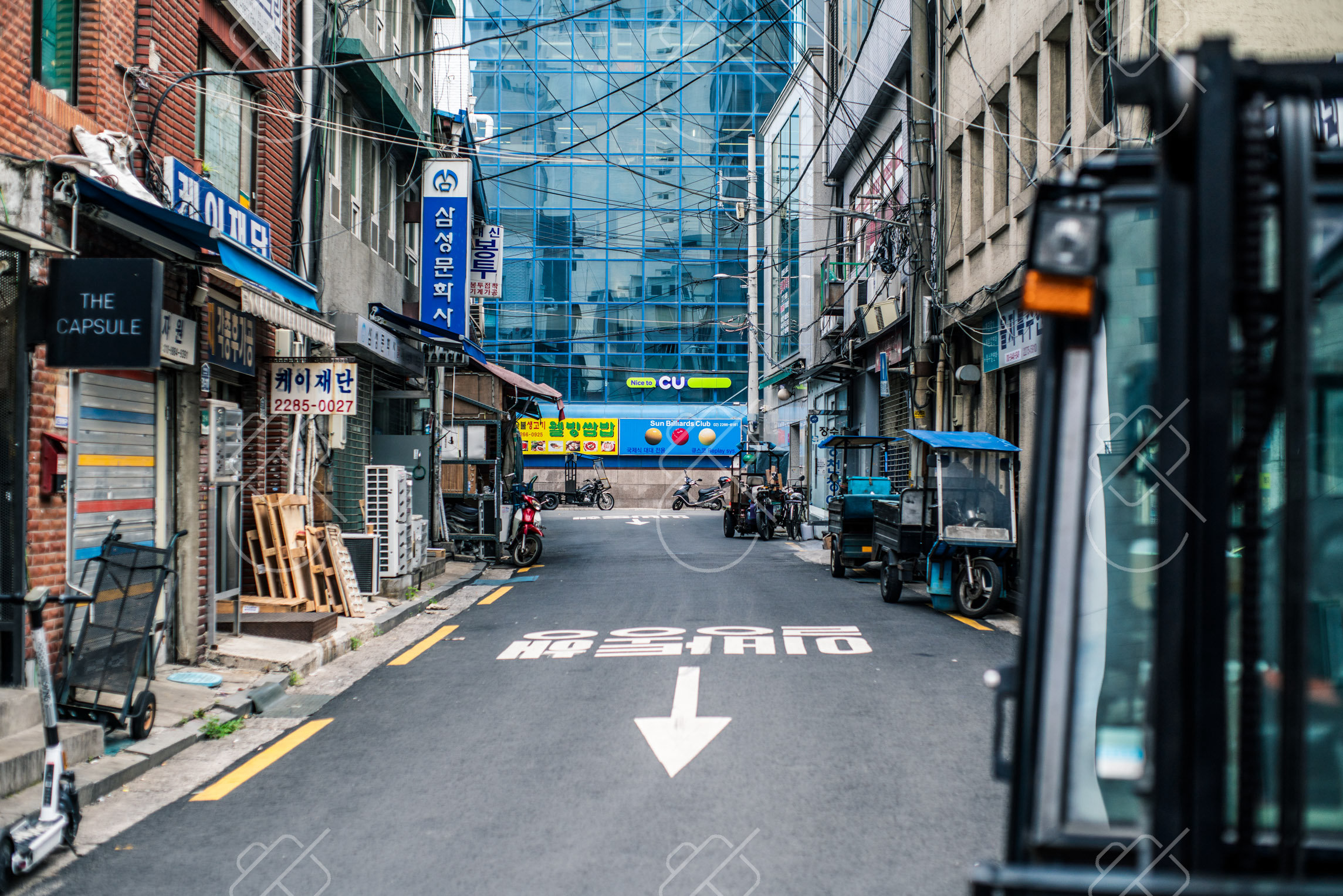
The summer monsoon, usually from late June to July, brings very heavy rain; in August 2022 flash floods in Seoul killed several people, including residents trapped in a semi-basement flat in Gwanak District, while streets in Gangnam flooded. Avoid underpasses, streams and basement spaces in heavy rain and follow the government's emergency text alerts on your phone. We were in Seoul in June and July 2023, in that rainy window.
From late winter to spring, fine dust and yellow dust can push air quality to unhealthy levels on some days. Check an air-quality app and wear a KF94 mask on bad days if you have asthma or a heart condition; masks are sold in every convenience store.
Seoul is a comfortable city for solo travellers, including women travelling alone; see solo travel in South Korea. Dial 112 for police and 119 for fire and ambulance. The 1330 Korea Travel Helpline answers tourists in English, Japanese and Chinese. A T-money card covers the subway, buses and many taxis. For the sights, our 3 days in Seoul guide has a day-by-day plan.
Yes. Seoul's streets are busy and safe late at night. The cautions are in nightlife districts such as Itaewon and Hongdae: watch your drink, use licensed taxis or apps, and agree club charges before going in.
A minority do, especially on airport runs and from tourist areas such as Myeongdong. Use the meter or an app, keep the receipt and report overcharging to the 120 Dasan Call Center. The standard base fare is 4,800 won for the first 1.6 km.
Yes. Since the 2022 crowd crush, police and the district office run special crowd controls at Halloween and big events. Avoid the densest alleys on Halloween weekend and follow officers' directions.
Yes for normal tourism. The UK Foreign Office says tension can rise after missile tests and during military exercises, but daily life in Seoul carries on normally. Civil-defence sirens during drills are routine.
112 for police and 119 for fire and ambulance. The 1330 Korea Travel Helpline offers tourist help in English, Japanese and Chinese.
Practical travel tips, straight to your inbox. Unsubscribe anytime.
Find a place to stay in Seoul on Booking.com.