 Food & culture
By Clever Tourists · Published
The best souvenirs from South Korea are red ginseng, hanji paper goods from Jeonju, celadon and other ceramics from Icheon or Insadong, Jeju tangerine sweets, and Korean skincare, which costs far less in Seoul than abroad. Most of it can be bought tax-free at the till: many shops take the 10% VAT off on the spot if you show your passport. We spent 32 days in South Korea, from Seoul and Sokcho to Jeonju, Busan and Jeju. Here are 9 souvenirs worth buying, grouped by type, with where to buy them, price tiers ($ small change, $$ a considered buy, $$$ a splurge) and how the refund works. Every country we covered is in our hub, best souvenirs to buy in 20 countries.
This page contains affiliate links. If you book or buy through them we may earn a commission, at no extra cost to you.
• Hanji paper goods ($ to $$). Traditional Korean paper made from the inner bark of the paper mulberry (dak). Jeonju is the hanji city, known for its water and its mulberry. The Jeonju Hanji Museum offers hands-on paper-making, and shops in Jeonju and Seoul's Insadong sell notebooks, lamps, boxes and fans made from it.
• Celadon and other ceramics ($$ to $$$). Korean celadon reached its peak in the Goryeo dynasty. Icheon, south of Seoul, is the ceramics centre today, with kilns and shops in its ceramics village and a big ceramics festival every spring. In Seoul, Insadong's galleries and the Ssamziegil craft complex sell pottery, and Ssamziegil has a workshop in the basement where you can make your own.
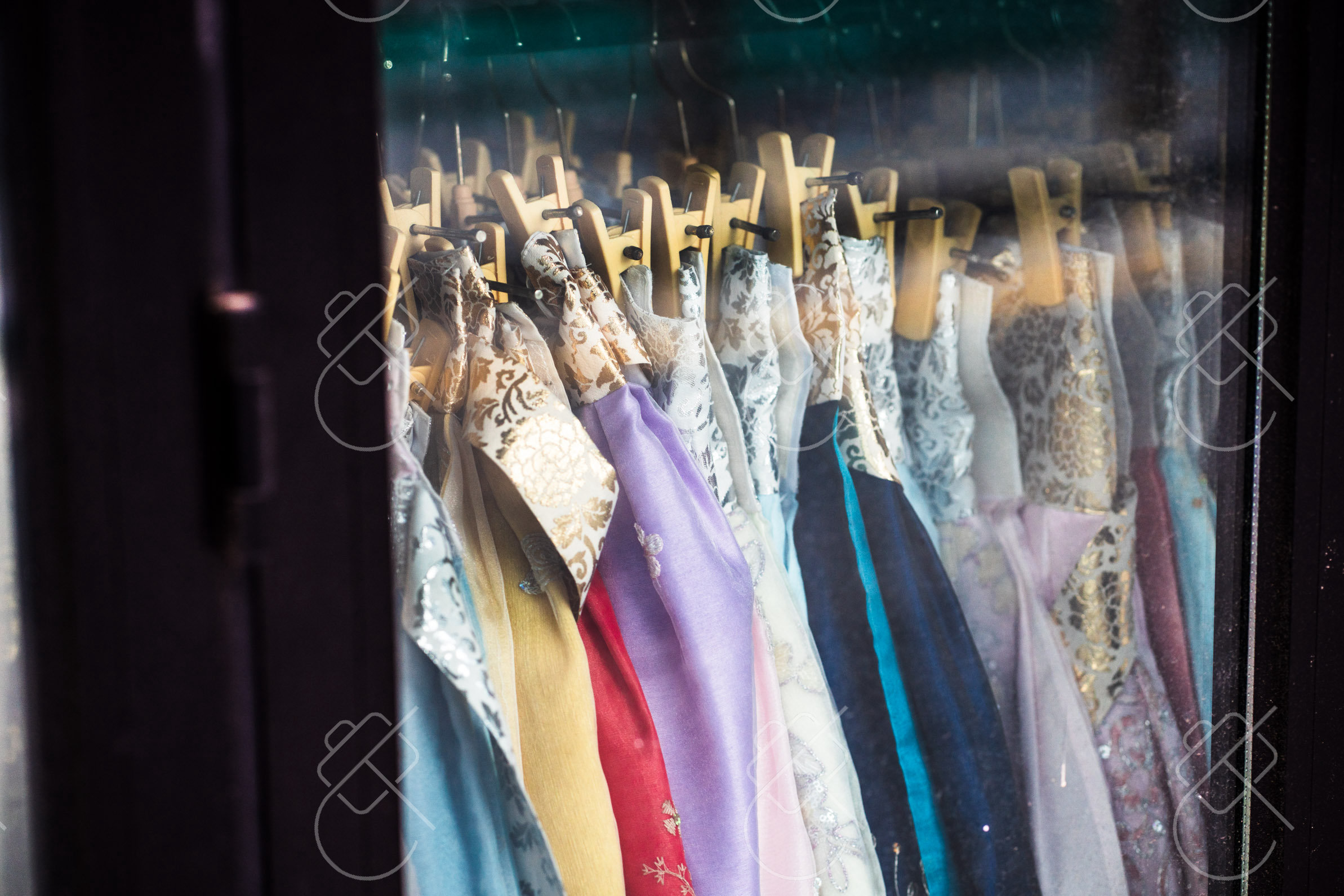
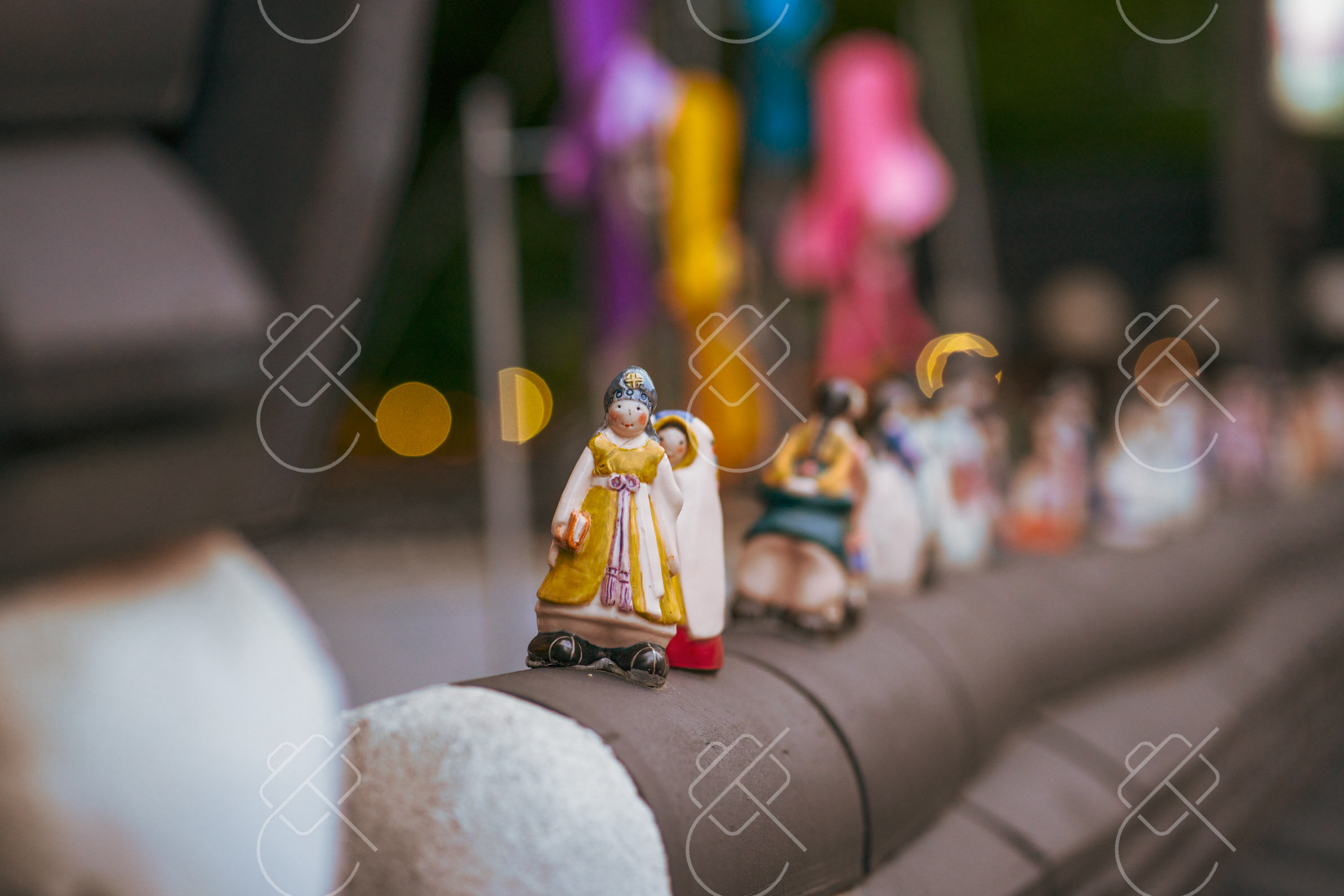
• Hanbok-themed gifts ($). Small figures, dolls and fabric goods in hanbok colours, sold around Jeonju's hanok village.
• Korean red ginseng ($$ to $$$). Steamed and dried ginseng, sold as whole roots, extracts and single-serve sticks in department stores and ginseng shops. The sticks are the easiest to give.
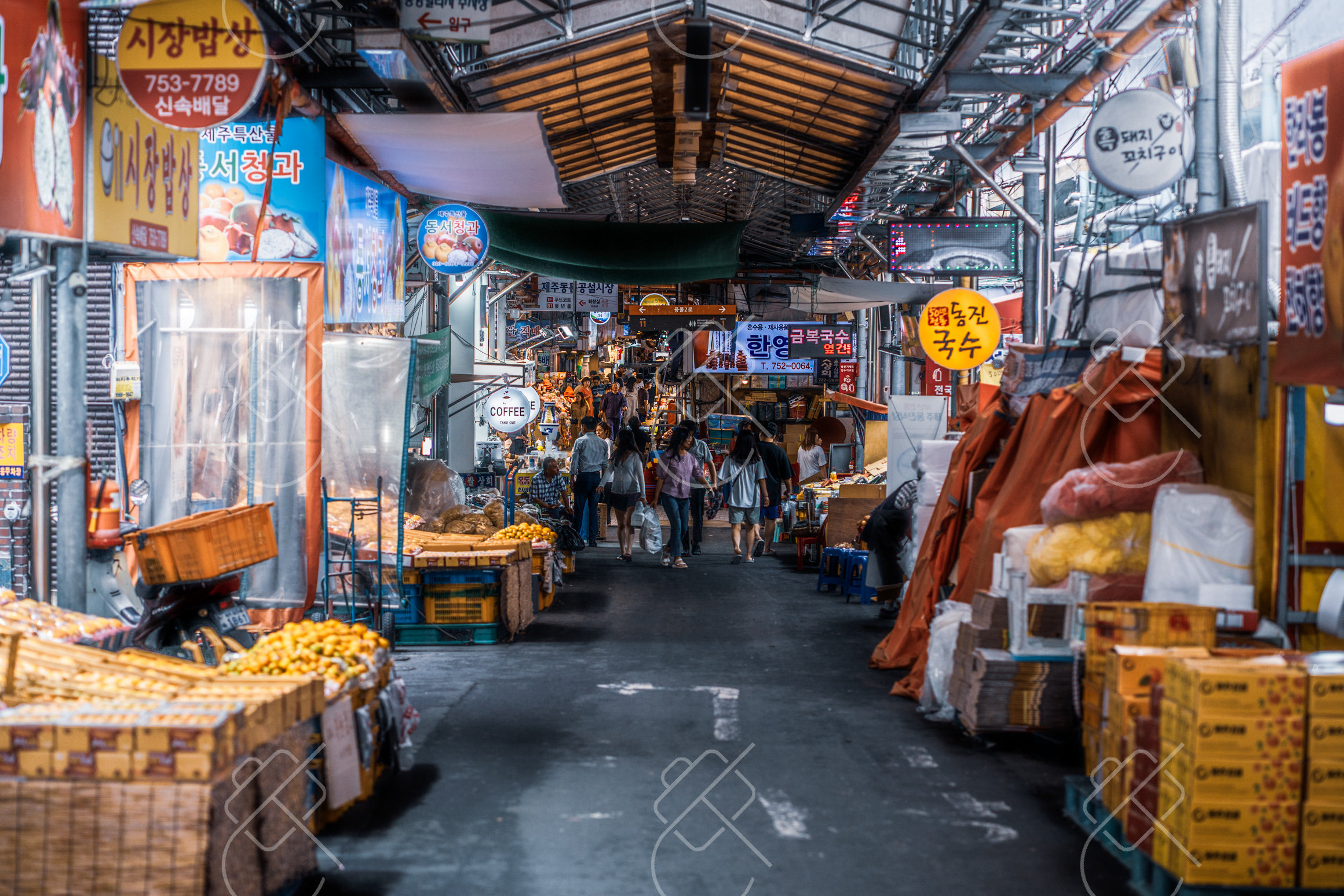
• Jeju tangerine sweets ($). Jeju is tangerine country. Dongmun Market in Jeju City, open since 1945 and the island's largest permanent traditional market, sells tangerine and hallabong chocolates, dried fruit, marmalade and tea, as does Seogwipo's market.
• Gochujang, doenjang and snacks ($). Tubs of chilli and soybean paste, seaweed snacks and instant noodles cost far less in a supermarket. See what to buy at a Korean supermarket. Pastes over 100 ml go in checked luggage.
• Sheet masks and sunscreen ($). Korean skincare costs far less in Seoul's chain beauty stores, such as Olive Young, than abroad, and a stack of sheet masks is the lightest gift there is.
• Hanji cards and bookmarks ($). From Insadong or Jeonju.
• Hareubang figures ($). Jeju's stone grandfather statues, in miniature, from Dongmun Market and souvenir shops on the island.

Practical travel tips, straight to your inbox. Unsubscribe anytime.
• A celadon vase or tea set ($$$). From an Icheon kiln or a reputable Insadong gallery. Ask for it to be packed for checked luggage.
• A boxed set of red ginseng ($$$). Department stores sell gift boxes; check your home country's rules on herbal products before you buy a large quantity.
Our 3 days in Seoul guide puts Insadong on day 2, and Seoul night markets covers Myeongdong and Gwangjang. For Busan, see 4 days in Busan.
| Where | Best for | Tip |
|---|---|---|
| Insadong and Ssamziegil, Seoul | Hanji, ceramics, tea | Ssamziegil's basement has a craft workshop |
| Myeongdong, Seoul | Skincare | Olive Young and other chains refund the tax at the till |
| Icheon ceramics village | Celadon, porcelain | The ceramics festival is in spring |
| Jeonju hanok village | Hanji goods | Visit the Jeonju Hanji Museum |
| Dongmun Market, Jeju City | Tangerine sweets, hareubang | Also good for food |
Tourists can claim back the 10% VAT on goods they take home, with a minimum of W15,000 per receipt at one shop, as long as they leave within three months. Many department stores, Olive Young branches and other shops take it off at the till after you show your passport: the instant refund. Guides cite caps of W1,000,000 per receipt and W5,000,000 per trip for instant refunds; above that, you claim at the airport.
Either way, scan your passport and receipts at a refund kiosk at the airport before you check your bags, or the instant refund can be charged back to your card. After the operator's fee you usually get back a little less than 10%. Step by step: South Korea tax refund for tourists.
• Skipping the airport kiosk. An instant refund at the till is provisional until the airport scan confirms the goods left.
• Opening the skincare before you leave. Products you use up in Korea are not exported and do not qualify for the refund.
• Fresh kimchi in your suitcase. It counts as a liquid at security, and many countries restrict fresh food. Buy sealed, commercially packed versions if you must.
• Souvenir shops for skincare. The same brands are cheaper in the beauty chains, with the refund.
There is no tipping in Korea; see tipping in Japan and South Korea. More in things to know before visiting South Korea.
Red ginseng, hanji paper goods from Jeonju or Insadong, celadon from Icheon, Jeju tangerine chocolates from Dongmun Market, or Korean skincare from a beauty chain in Seoul.
Insadong and its Ssamziegil craft complex, which sell hanji, ceramics and tea. Ssamziegil has a basement workshop where you can make your own pottery.
Yes. The 10% VAT is refundable on receipts of at least W15,000 if you leave within three months. Many shops take it off at the till; you still scan your receipts at the airport kiosk before check-in.
Tangerine and hallabong chocolates, dried fruit, marmalade and tea from Dongmun Market in Jeju City, plus a miniature hareubang statue.
The inner bark of the paper mulberry tree, called dak in Korean. Jeonju is the best-known hanji city.
Practical travel tips, straight to your inbox. Unsubscribe anytime.
Lock in a South Korea room you can still cancel, on Booking.com.