By Clever Tourists · Published
Yes, Queenstown is safe to visit: violent crime against tourists is rare, New Zealand sits at Level 1 (Exercise Normal Precautions) with the US State Department, and the UK Foreign Office does not advise against travel to any part of the country. The risks in Queenstown come from what people go there to do: bungy jumps, jet boats and other adventure activities, mountain walks in weather that turns fast, icy alpine roads in winter, and a glacial lake that is cold enough to kill. Theft from parked rental cars is the crime that most often hits visitors. We stayed a night in Queenstown in March 2023, between Henry Creek and Wanaka, during 23 days driving the South Island.
This page contains affiliate links. If you book or buy through them we may earn a commission, at no extra cost to you.
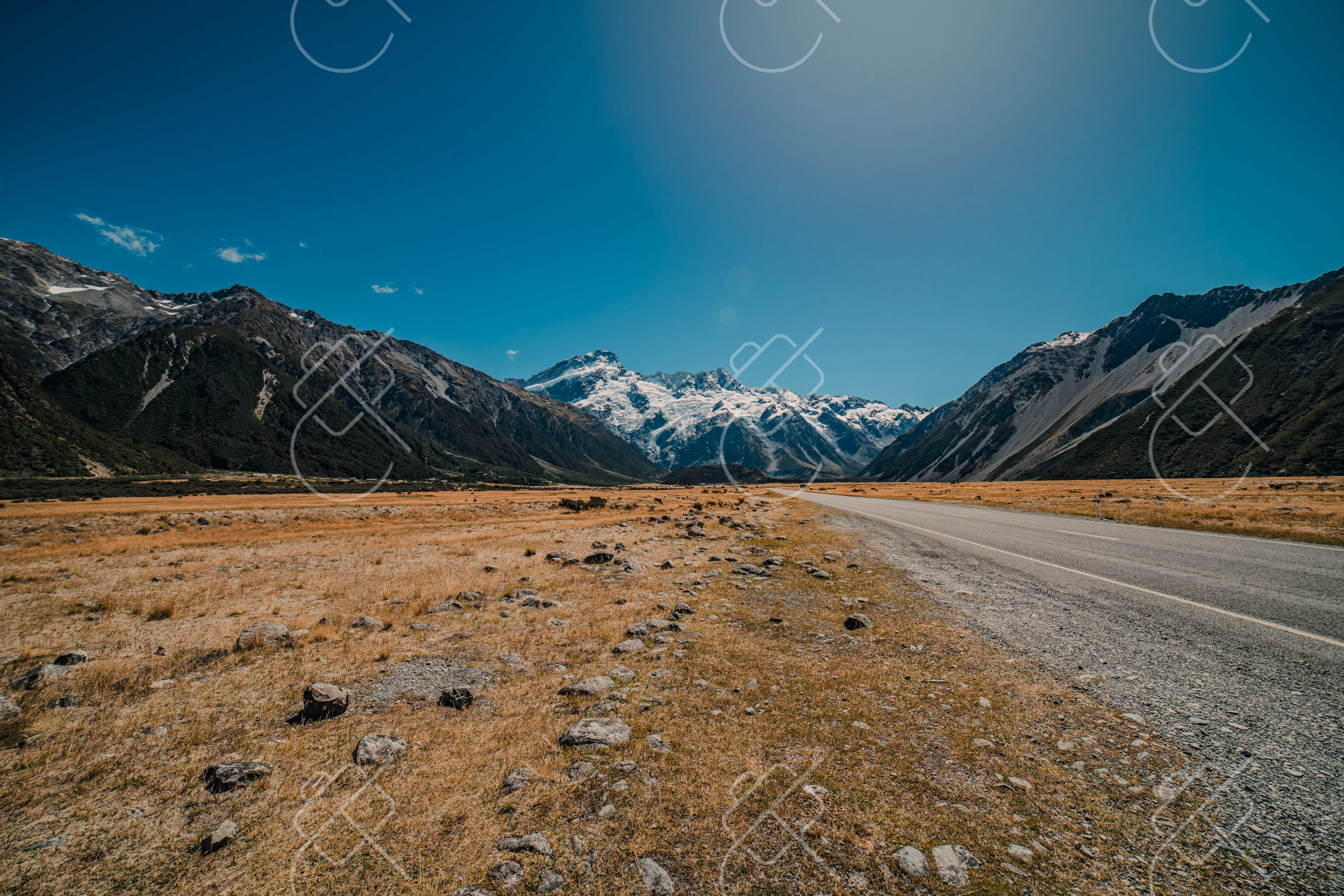
Queenstown has no separate advisory; it falls under New Zealand's. The US State Department lists New Zealand at Level 1, and the UK Foreign Office has no advice against travel to any region. The FCDO's general points (theft from hire cars, earthquakes, fast-changing weather in exposed areas, and checking that adventure operators are well established and covered by your insurance) all apply strongly in Queenstown. Our New Zealand safety page has the national picture, and the Queenstown airport guide covers arrival.
Queenstown sells itself on adrenaline. The commercial bungy industry started here: AJ Hackett and Henry van Asch opened the Kawarau Bridge jump, a 43 m drop to the river, in 1988, and the Nevis jump nearby is 134 m. Serious accidents are rare, but these are activities where the operator's standards are what keeps you safe, so it is worth knowing how New Zealand checks them.
• Adventure activities such as bungy, ziplines, canyoning and rafting fall under the Health and Safety at Work (Adventure Activities) Regulations 2016. Operators must pass a safety audit and register with WorkSafe New Zealand, and it is an offence to run an adventure activity without registration. WorkSafe's public register (register.worksafe.govt.nz) lets you search an operator by name and shows whether its registration is current, suspended or cancelled.
• Jet boats are regulated differently. A commercial jet boat ride counts as a maritime transport operation, so the operator needs a maritime document from Maritime New Zealand rather than a place on the WorkSafe register.
• Your side: read the health and weight questions honestly, follow the safety briefing, and check that your travel insurance covers the activity. The FCDO advises confirming that an operator is well established before you book.
New Zealand's Accident Compensation Corporation (ACC) covers treatment for accidental injuries in New Zealand, visitors included, but not the costs of getting home or cancelled plans, so you still need travel insurance.
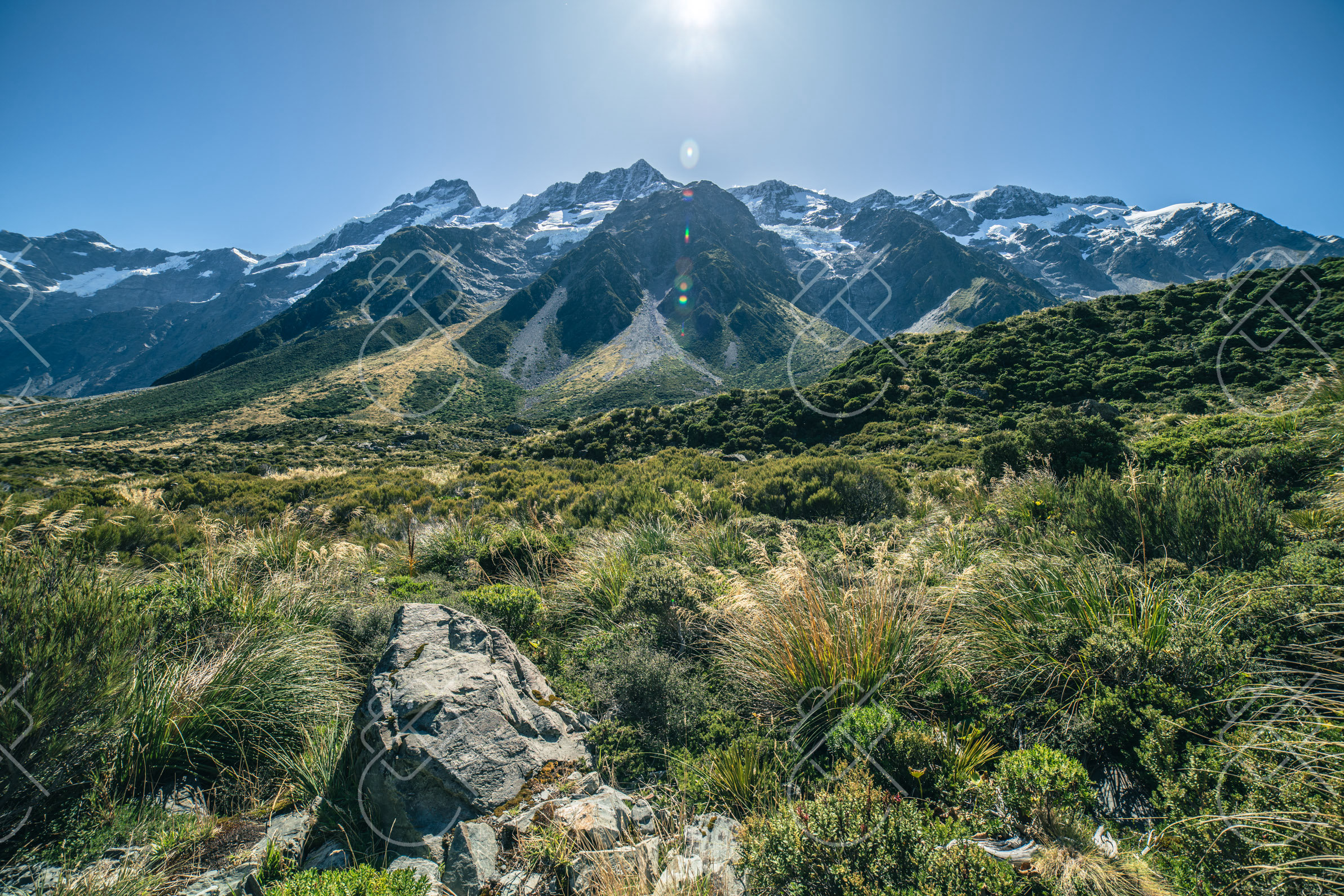
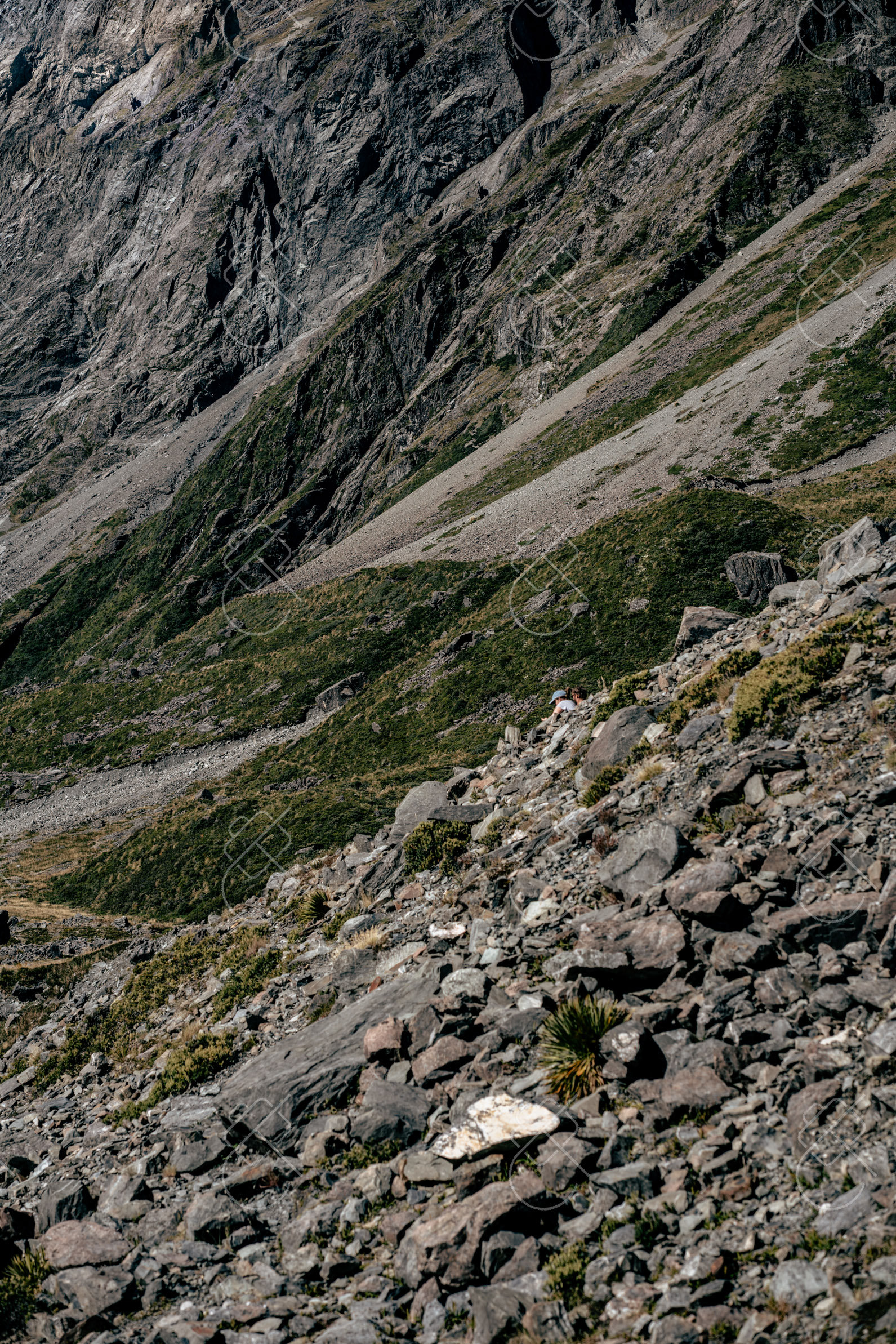
Queenstown's walks start at the edge of town and climb fast: the Ben Lomond and Queenstown Hill tracks go from lakeside streets to exposed ridges, and the weather on top can be very different from the weather at the waterfront. The FCDO warns that conditions in exposed areas can become dangerous quickly, in any season.
• Check the mountain forecast, not just the town one, and turn back early if cloud or wind builds.
• Use AdventureSmart and the Mountain Safety Council's Plan My Walk tool to plan, and leave your route and return time with someone.
• Carry a warm layer and a waterproof even on a sunny summer morning.
Before going to remote areas, the FCDO also advises checking with the Department of Conservation and local visitor centres. Our best time to visit New Zealand page compares seasons; we were there in early autumn, in March.

Practical travel tips, straight to your inbox. Unsubscribe anytime.
The Crown Range Road between Queenstown and Wanaka climbs to about 1,076 m, and it is often described as New Zealand's highest sealed main road. In winter, roughly May to October, it gets snow and ice; council notices have required chains on all vehicles during snowfall, and the road is sometimes closed. The lower alternative to Wanaka runs through the Kawarau Gorge and Cromwell, which is longer but usually avoids the worst conditions.
• Carry chains in winter and know how to fit them before you need to, at the chain bays rather than on a bend.
• Check road status every morning on NZTA's journey planner (journeys.nzta.govt.nz) before driving to the ski fields, the Crown Range or Milford Sound.
• On the Milford Road, NZTA says chain signs are enforced and ignoring one can bring a NZ$750 fine, and the road closes at times for avalanche control.
• Read your rental agreement for its rules on chains and winter roads.
Black ice forms in shaded corners on clear, cold mornings even when the rest of the road looks dry. Our driving in New Zealand guide covers left-side driving and one-lane bridges, and the scenic stops between Christchurch and Queenstown page covers the approach from the north.
Theft from parked cars is the crime most likely to hit a Queenstown visitor. New Zealand Police have warned that thieves in Queenstown, Wanaka and Alexandra target mainly rental vehicles, smashing windows to get in, and asked visitors not to leave passports, cash or other property in view. The FCDO gives the same advice for hire cars and campervans across tourist areas, and local press reported another run of vehicle break-ins and thefts across Queenstown suburbs in August 2026.
Take your passport, laptop and camera with you at trailhead and viewpoint car parks, don't leave bags visible in a car parked overnight, and choose accommodation with off-street parking if you are driving. The Wanaka planning guide covers the next stop most road trips make.
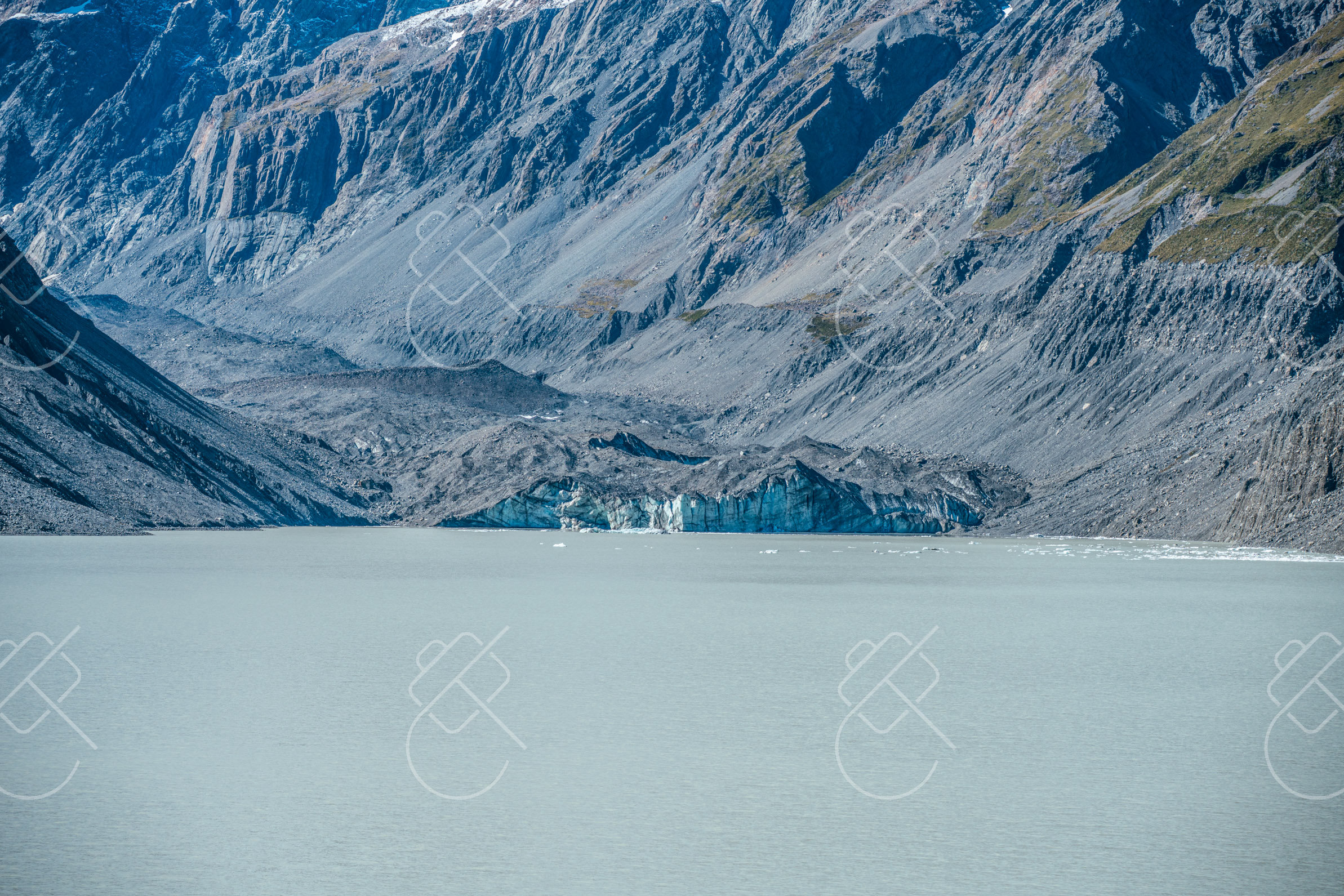
Lake Wakatipu is glacial and deep. In late summer the top metre or so can warm into the high teens Celsius, but a hydrologist quoted by the Otago Daily Times said deeper water stays around 7 to 9 °C all year. Researchers at the University of Otago describe cold water shock, an involuntary gasping response that lasts one to three minutes, as a main danger. Kayakers have died of cold on the lake while wearing life jackets, and two men drowned at the same spot near the Rees River mouth at Glenorchy, both trying to help children.
Wear a life jacket on any kayak, paddleboard or small boat, stay close to shore, don't swim after drinking, and keep children within reach where rivers enter the lake. A summer swim off the Queenstown beach is popular, but get in slowly and keep it short.
Queenstown's town centre is compact and busy late, especially in ski season and summer. Standard late-night precautions apply: watch your drink, use a licensed taxi or rideshare after a night out, and don't drive after drinking: the roads out of town are steep and winding, and icy on winter nights. For solo travellers, the main extra precaution is outdoor: tell someone your route before any walk or lake trip.
Dial 111 for police, fire or ambulance. Save your insurer's number; see travel insurance for international trips. The Milford Sound cruise guide covers the most popular day trip from Queenstown.
Bungy and other adventure activities must pass a safety audit and be registered with WorkSafe New Zealand, and you can check an operator's status on WorkSafe's public register. Follow the briefing, answer the health questions honestly and check your travel insurance covers it.
Yes. Commercial jet boat rides are maritime transport operations, so the operator needs a maritime document from Maritime New Zealand rather than WorkSafe adventure-activity registration.
Carry them in winter, roughly May to October. Council notices have required chains on all vehicles during snowfall, and the road sometimes closes. Check NZTA's journey planner each morning; the Kawarau Gorge route via Cromwell is the lower alternative to Wanaka.
No. New Zealand Police have warned that thieves in Queenstown and Wanaka mainly target rental vehicles and smash windows. Take passports, cash and electronics with you.
Short summer swims near the shore are popular, but deeper water stays around 7 to 9 °C all year and cold water shock can disable strong swimmers. Wear a life jacket on any boat or board and don't swim after drinking.
111 for police, fire and ambulance, as everywhere in New Zealand.

Practical travel tips, straight to your inbox. Unsubscribe anytime.
Check how busy New Zealand hotels are for your dates on Trip.com.