Home
About us
Destinations & Country Guides
Travel Guides
Recipes
Featured
Photos As Art
Abstract Prints
Locations
Travel Gear
Travel Resources
Favorites
Photo Framer
Explore Photos
Contact Trip planning
By Clever Tourists · Published
A 14-day trip to Thailand costs roughly $420 to $700 per person on the ground on a budget, $840 to $1,700 mid-range, plus the flight: about $900 to $1,900 return from the US, which makes a typical total of about $1,300 to $2,600 for a budget traveller from America. The flight is usually the largest single line, and the islands, not Bangkok, are what push the daily spend up. These figures match our daily travel budget by country table (Thailand: about $30 to $50 a day budget, $60 to $120 mid-range) and are typical 2026 ranges from published cost guides, not what we spent. We were in Thailand for about six weeks, December 2022 to January 2023: Bangkok, Ayutthaya, Sukhothai, Lampang, Chiang Mai, Chiang Rai, Mae Hong Son, then Khao Sok and Ao Nang.
Free toolConvert to your own currency at live rates →Live mid-market rates for all 17 currencies we used, so you can see what a price actually costs.These are per-person totals for two weeks, sharing a room where that is normal. Flights are listed separately because they swing more than everything else combined.
• Budget (about $30 to $50 a day): roughly $420 to $700 on the ground. Dorm beds or fan guesthouses, street food and food courts, second-class trains and buses, a couple of paid temples. Mostly Bangkok and the north.
• Mid-range (about $60 to $120 a day): roughly $840 to $1,700. Air-conditioned private rooms in good guesthouses or 3-star hotels, sit-down restaurants, a domestic flight to the south, one or two guided days such as an ethical elephant sanctuary.
• Comfort: plan on the top of the mid-range band or above, $1,700 and up, once you add island resorts between December and February, private transfers and diving. Beach weeks on Phuket or Koh Samui sit here even if you live cheaply elsewhere.
Add the flight and about $60 to $150 for insurance and data (below) to get the trip total. A couple sharing rooms pays noticeably less than double, because the room is the biggest daily line.
To price your own dates, group size and style, try the Thailand trip cost calculator.
Return economy fares to Bangkok vary hugely by origin and season. A 2026 budget guide from ShopBack puts typical returns from major US hubs at about $900 to $1,400 outside peak season and $1,300 to $1,900 from November to February, with a further jump around Songkran in mid-April. Fare comparison listings for 2026 show Sydney to Bangkok returns commonly in the A$400 to A$650 range, with September among the cheaper months. From London, 2026 listings sit roughly in the €600 to €900 (≈ $669–1,003) range.
Fares across the board rose sharply in 2026 as fuel costs climbed; why flights are so expensive explains what changed, and how to find cheap flights covers what still works. The practical rule: flying in October or early November, just before high season, often saves more than any choice you make on the ground.
• Rooms: the gap between regions is bigger than the gap between hotel classes. A good private room in Chiang Mai, Lampang or Sukhothai costs a fraction of a comparable room on Koh Phi Phi or Patong in high season. Our where to stay in Bangkok and where to stay in Chiang Mai pieces name the areas.
• Food: street and market food is the cheapest good eating in the country, a few dollars a plate; see our Thai food guide. Imported wine, Western brunch cafes and beach-club drinks are what blow the food line.
• Long-distance transport: the overnight sleeper from Bangkok to Chiang Mai is about $23 to $32 for a second-class air-conditioned berth on 12Go's 2026 listings, and it saves a night's room; details in first vs second class on the sleeper. Getting south to Krabi or the Andaman islands usually means a domestic flight or a long bus plus ferry, and island ferries are priced per trip, so hopping adds up fast.
• City transport: in Bangkok the BTS, MRT and river boats are cheap; use Grab or Bolt rather than unmetered taxis (Grab vs Bolt and taxi scams).
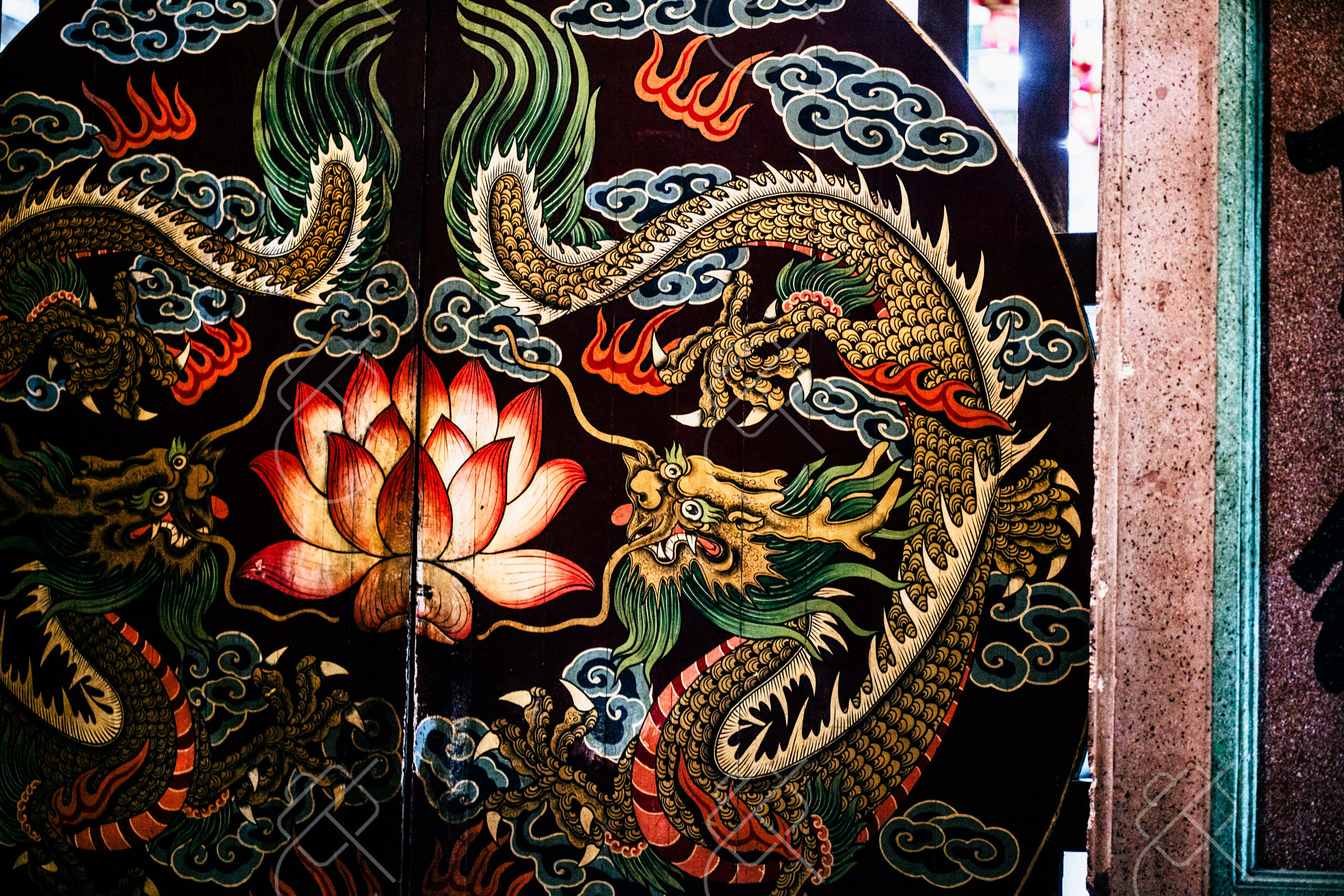
Temples are mostly cheap or free, with exceptions: the Grand Palace in Bangkok charges foreigners 500 baht (about $15) per the palace's official listing. Historical parks such as Sukhothai charge modest zone fees. The big activity costs are diving and snorkelling trips, island-hopping boats out of Ao Nang or Phuket, cooking classes, and elephant sanctuaries (how to choose an ethical one).
The hidden daily cost is the ATM. Thai banks charge foreign cards roughly 220 to 250 baht per withdrawal, so pulling small amounts often can add several dollars a day. Withdraw larger sums less often and read cash or card abroad. Tipping is modest, see tipping in Thailand.
• Visa: since 15 September 2026 visitors from the US, UK, Canada, Australia and the EU get 30 days visa-free for tourism, down from 60, as published in the Royal Gazette. Two weeks is well inside that. Check do I need a visa for Thailand and fill in the free Thailand Digital Arrival Card before you fly.
• Tourist entry fee: a 300 baht air-arrival fee has been planned for years but, as of our last check, had no confirmed start date. Check the Tourism Authority of Thailand before you go rather than budgeting from rumour.
• Data: a local SIM or travel eSIM costs far less than a $10-a-day roaming pass; see eSIM or local SIM.
• Insurance: for two weeks, budget a few dollars a day; it matters more if you plan to ride a scooter or dive. See travel insurance for international trips.
• Weight the trip north. Bangkok, Ayutthaya, Sukhothai and Chiang Mai give two full weeks at the low end of every band; a 2-week Thailand itinerary can do that with one island stop.
• Go in the shoulder months. May to October is cheaper for rooms and often flights; best time to visit Thailand explains which coast is wet when, because the Gulf islands and the Andaman coast have different rainy seasons.
• Use the night train instead of a flight plus a hotel night.
• Compare with neighbours. Vietnam is usually a little cheaper per day; see Thailand vs Vietnam and Bali vs Thailand. For longer trips, our own 6-week Thailand route shows where the time went.
Roughly $420 to $700 per person on the ground on a budget or $840 to $1,700 mid-range, plus the flight, which from the US typically runs about $900 to $1,900 return.
About $30 to $50 a day on a budget and $60 to $120 mid-range, more on the islands between December and February.
The north and central regions are cheap; the islands in high season and the flight from the US or Europe are the expensive parts.
Not for US, UK, Canadian, Australian or EU passport holders: the visa-free stay is 30 days for tourism since 15 September 2026.
Get our new Thailand guides and practical tips by email: where to stay, what to eat, what things cost and the rules that catch travelers out.
Free. No spam, only new guides and tips.
Search verified local fleets with low security deposits and exact model delivery on Localrent.
Compare Thailand hotels and get the best deals on Booking.com.