Home
About us
Destinations & Country Guides
Travel Guides
Recipes
Featured
Photos As Art
Abstract Prints
Locations
Travel Gear
Travel Resources
Favorites
Photo Framer
Explore Photos
ContactLampang is what Chiang Mai was thirty years ago: a northern Thai provincial town with a river, a market, horse-drawn carriages still working the streets, and one of the finest Lanna temples in the country a short ride out of town. Most travellers pass through on the train between Bangkok and Chiang Mai and never get off. Those who do find a town that has kept its own pace.
Tap any photo to open it full-screen and order a print.
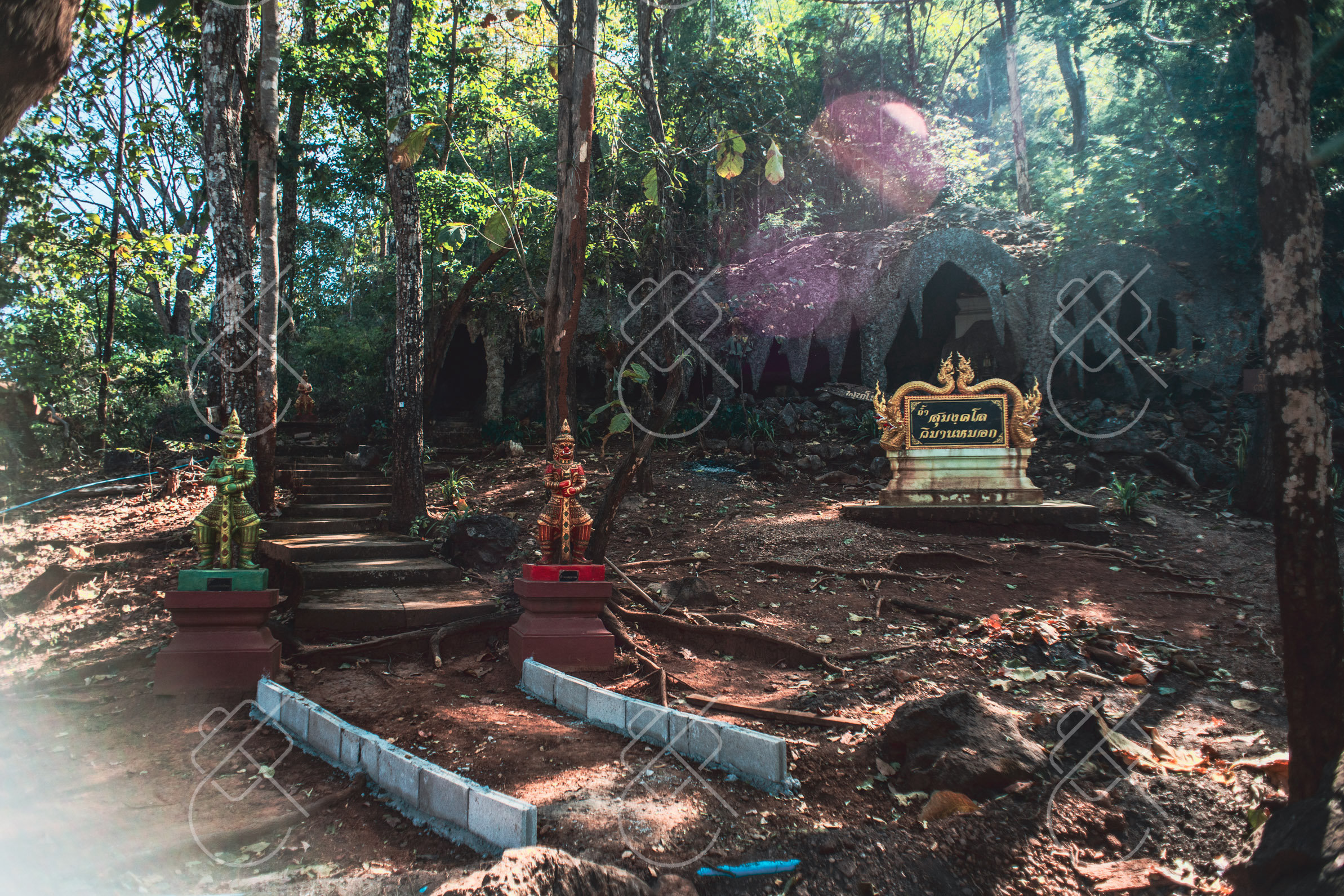
Lampang is a northern Thai town on the Wang river, known for Lanna temple architecture, working horse-drawn carriages, and its pottery and elephant heritage.
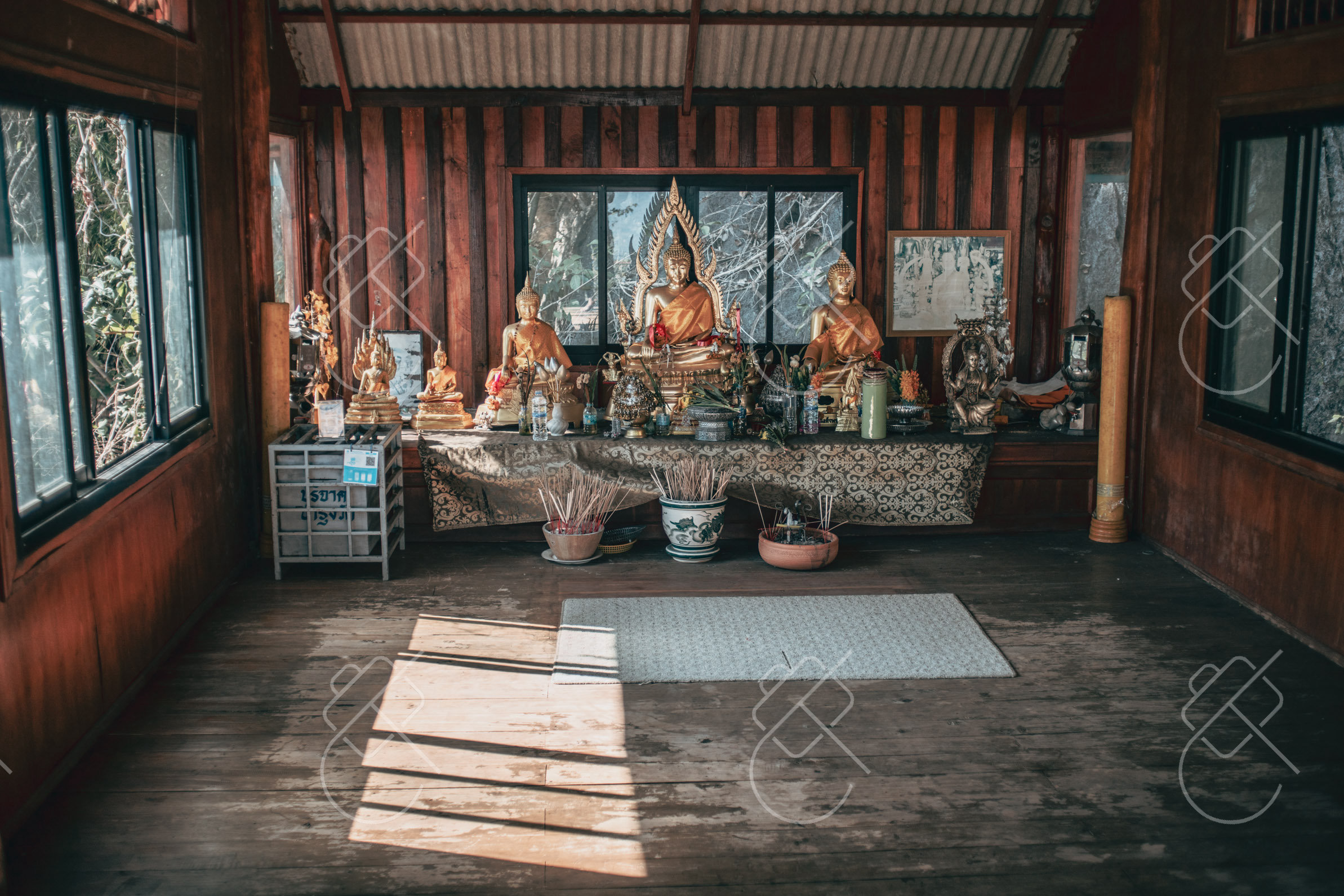
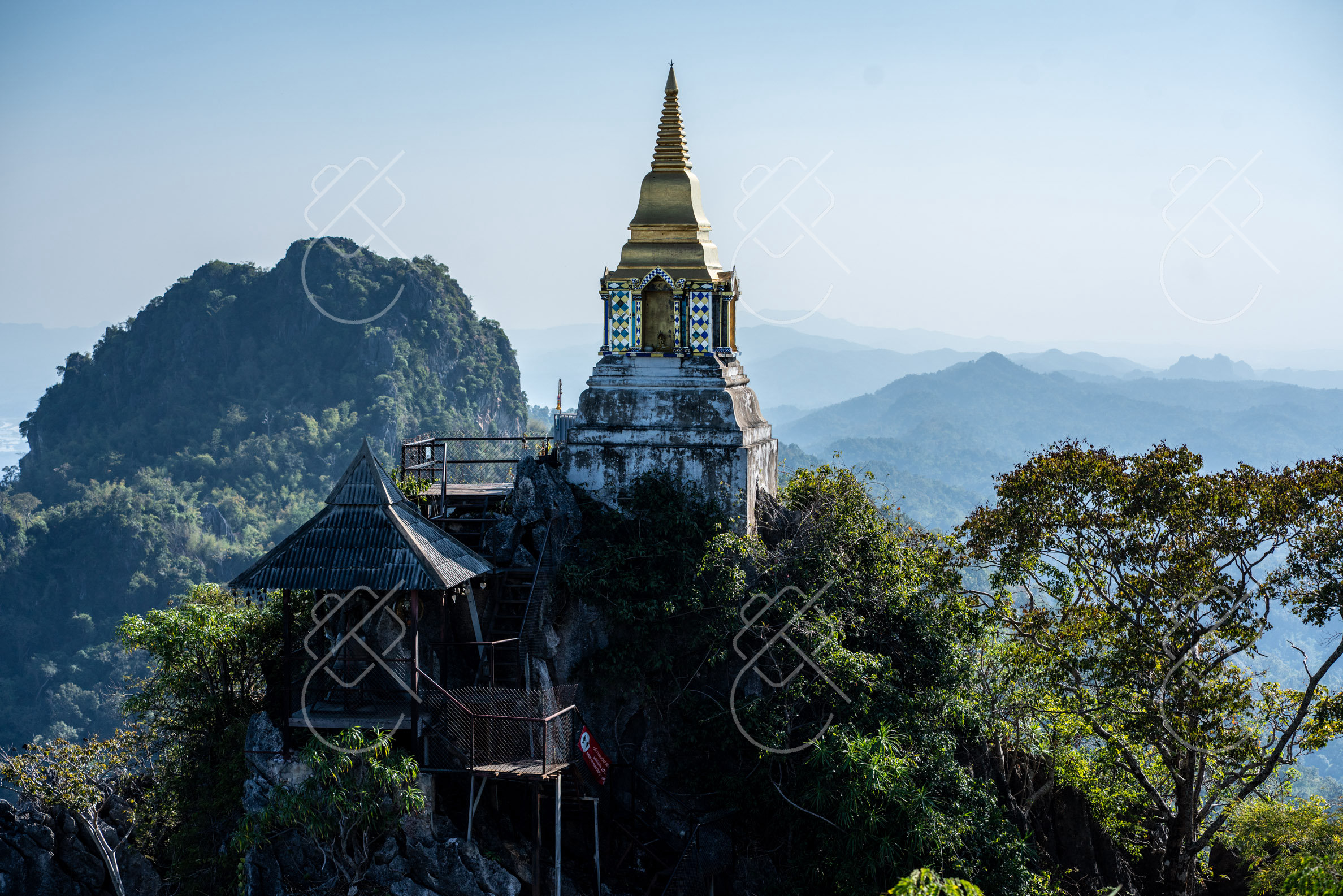
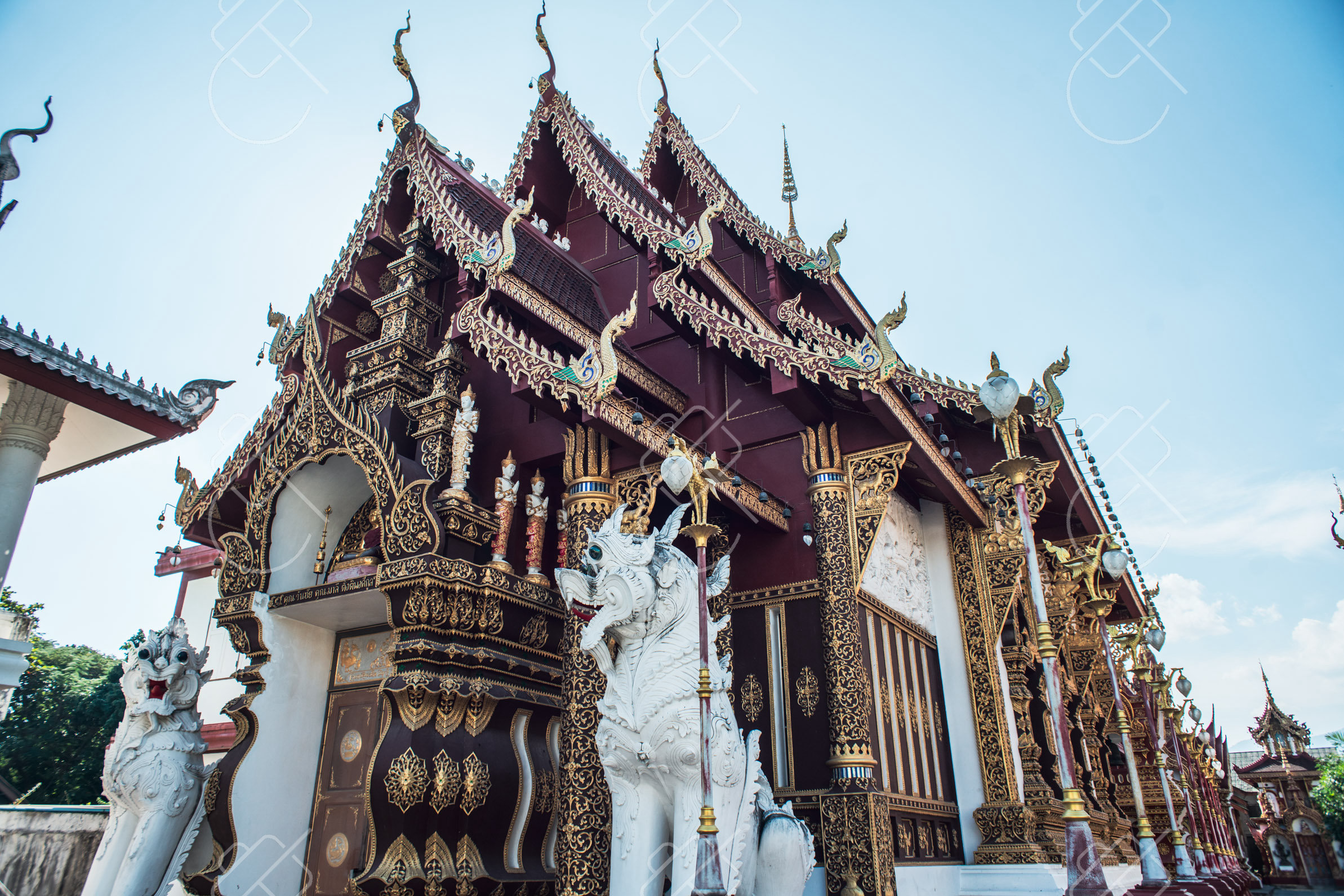
Wat Phra That Lampang Luang is the reason to come, and it is about eighteen kilometres southwest of town, which means most people arrive by songthaew or on a rented scooter. The temple is a walled complex of Lanna buildings rather than a single structure: an enormous wooden viharn on a stone base, open on all sides, with carved and painted panels and a gilded teak interior that has survived repeated restoration without losing its character. The compound's stupa is said to enshrine a relic of the Buddha, and the whole site is oriented so that the main buildings climb a low hill. Go early — the light comes in sideways through the open viharn, and by mid-morning the coach groups from Chiang Mai have arrived.
A gilded Lanna temple building at Wat Phra That Lampang Luang
In town, Lampang still runs horse-drawn carriages as a working form of transport, not a tourist ride, and the carriage stand near the market is the easiest place to find one. The Wang river runs along the north edge of the old quarter, with the usual riverside restaurants and a low bridge that is worth walking at dusk. Two other stops justify a second day: Dan Kwian, a pottery village southeast of town where kilns have been turning out unglazed earthenware for centuries, and the Thai Elephant Conservation Center at Hang Chat, about half an hour away, which runs the government elephant hospital and does genuine conservation work rather than shows. We were in Lampang for three nights in late December, and it was the calmest stretch of a six-week Thai route.
November to February, the cool dry season — Lampang gets uncomfortably hot from March, and the burning season haze can close in around then.
Near the Wang river in the old quarter, which puts the market, the carriage stand and the riverside restaurants within a short walk.
Try khao soi — the northern coconut-curry noodle soup — and sai ua, the herbal northern sausage, grilled and sold by weight at the market.
Wat Phra That Lampang Luang is a working temple: cover shoulders and knees, take shoes off before the viharn, and don't photograph monks without asking.
Explore regional routes with verified local fleets, zero hidden charges, and transparent insurance on Localrent.
Find the best deals on Lampang accommodation with Hotels.com.
We had World Nomads as our travel insurance, covering us for the entire Lampang, Thailand leg of the trip — one less thing to worry about.
Transit cards, local customs, visa rules, and practical travel guides for this region.
Get our new Lampang guides and practical tips by email: where to stay, what to eat, what things cost and the rules that catch travelers out.
Free. No spam, only new guides and tips.
See every destination we've photographed:
Browse all destinationsCurious about the gear behind these photos? See the gear list.