Home
About us
Destinations & Country Guides
Travel Guides
Recipes
Featured
Photos As Art
Abstract Prints
Locations
Travel Gear
Travel Resources
Favorites
Photo Framer
Explore Photos
Contact Attractions & day trips
By Clever Tourists · Published
Neuschwanstein, Salzburg and Nuremberg are the best day trips from Munich. Neuschwanstein is the fairy-tale castle everyone wants to see, about 2 hours away plus a bus; Salzburg is a different country's baroque old town about 1.5 hours away; and Nuremberg, about an hour by ICE, has the best return for the time. We spent 5 days in Munich in July 2023, arriving from Würzburg and Ulm and leaving for Verona. Below are eight trips ranked by payoff against travel time, which ones a Bayern-Ticket covers, and which deserve a night.
• Nuremberg: about 1 hour by ICE. Old town, castle, and the Nazi Party Rally Grounds.
• Salzburg: about 1.5 hours by Railjet. Baroque old town and the fortress, in Austria.
• Neuschwanstein: about 2 to 2.5 hours to Füssen by regional train, then a bus. Timed tickets only.
• Dachau Memorial Site: about 20 minutes by S-Bahn plus a bus. Free entry.
• Augsburg: about 30 minutes by fast train. Roman-founded city with the Fuggerei.
• Chiemsee and Herrenchiemsee: about 1 hour to Prien, then a 15-minute boat.
• Garmisch-Partenkirchen and the Zugspitze: about 1h15 to 1h30. Alpine day.
• Königssee and Berchtesgaden: about 3 hours each way by train and bus. Better as an overnight.
Trips 3 to 8 are all on regional trains and buses inside Bavaria, which matters for tickets; see the last section.
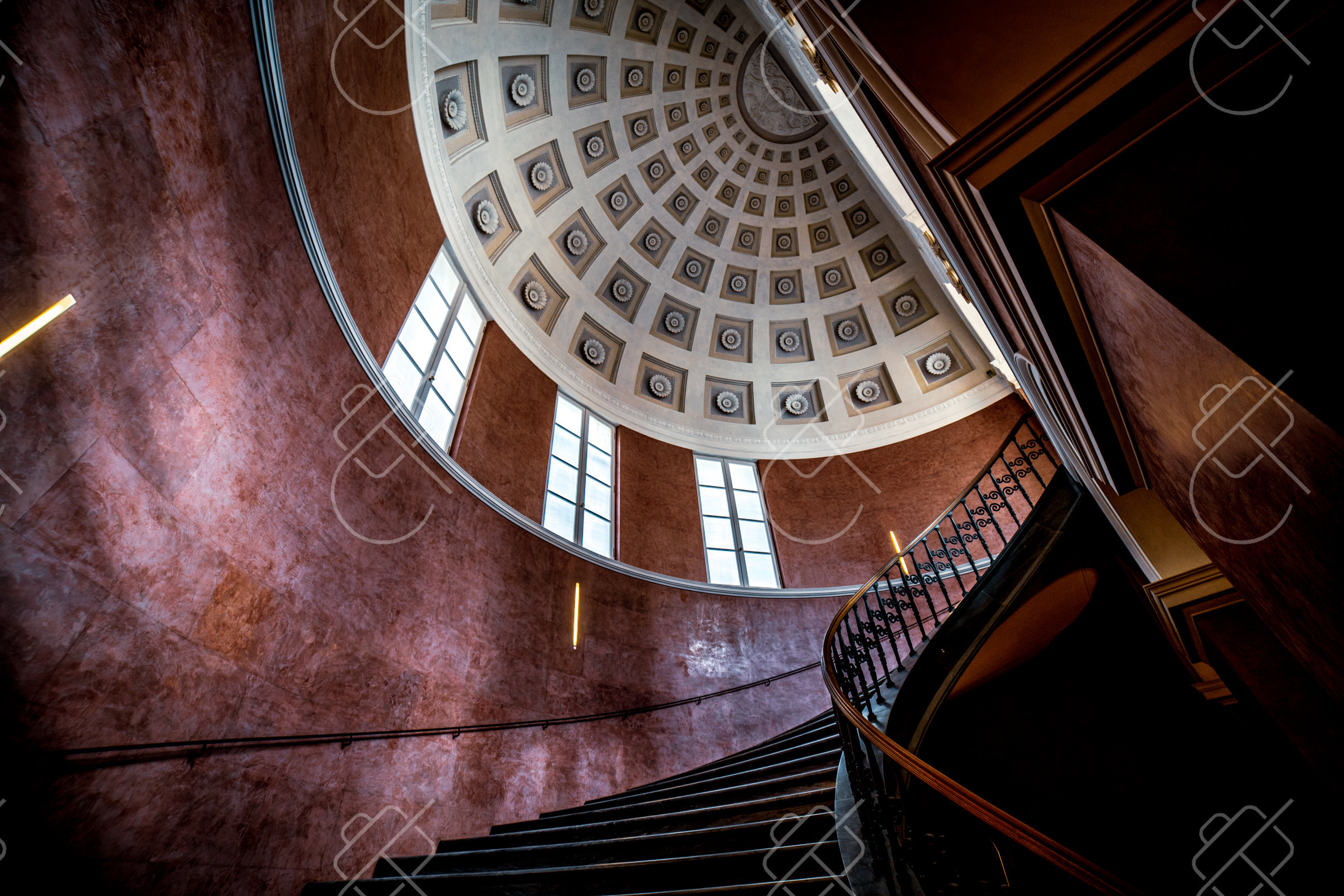
What it is: the walled old town of Franconia's main city, with the Imperial Castle above it, the Hauptmarkt with its Schöner Brunnen fountain, Albrecht Dürer's house, and on the edge of town the Nazi Party Rally Grounds and their Documentation Centre.
Getting there: direct ICE trains from Munich Hauptbahnhof take about an hour, via Ingolstadt. Regional trains take roughly 1 hour 45 minutes to 2 hours.
How long: a full day: the old town and castle in the morning, the Rally Grounds by tram in the afternoon.
Who it suits: history readers, and anyone who wants a second Bavarian city with less tourist traffic than Munich.
Tip: the ICE is not covered by the Bayern-Ticket or the Deutschlandticket, so buy a saver fare ahead; the regional train takes nearly twice as long.
What it is: the baroque old town on the Salzach, with the cathedral, Mozart's birthplace on Getreidegasse, the Mirabell Gardens and the Hohensalzburg Fortress above it all.
Getting there: ÖBB Railjet trains take about 1.5 hours from Munich Hauptbahnhof, with EuroCity and other services at around 1h45. Engineering works sometimes lengthen journeys on this line, so check the current journey time.
How long: a full day. The old town is compact; the fortress funicular saves the climb.
Who it suits: music lovers and anyone who wants a second country without a second hotel.
Tip: Salzburg is in Austria, so carry your passport. Both countries are in the Schengen area, but German police can check IDs on trains near the border. Take an early train: the old town is busiest from late morning, when the coach tours arrive.
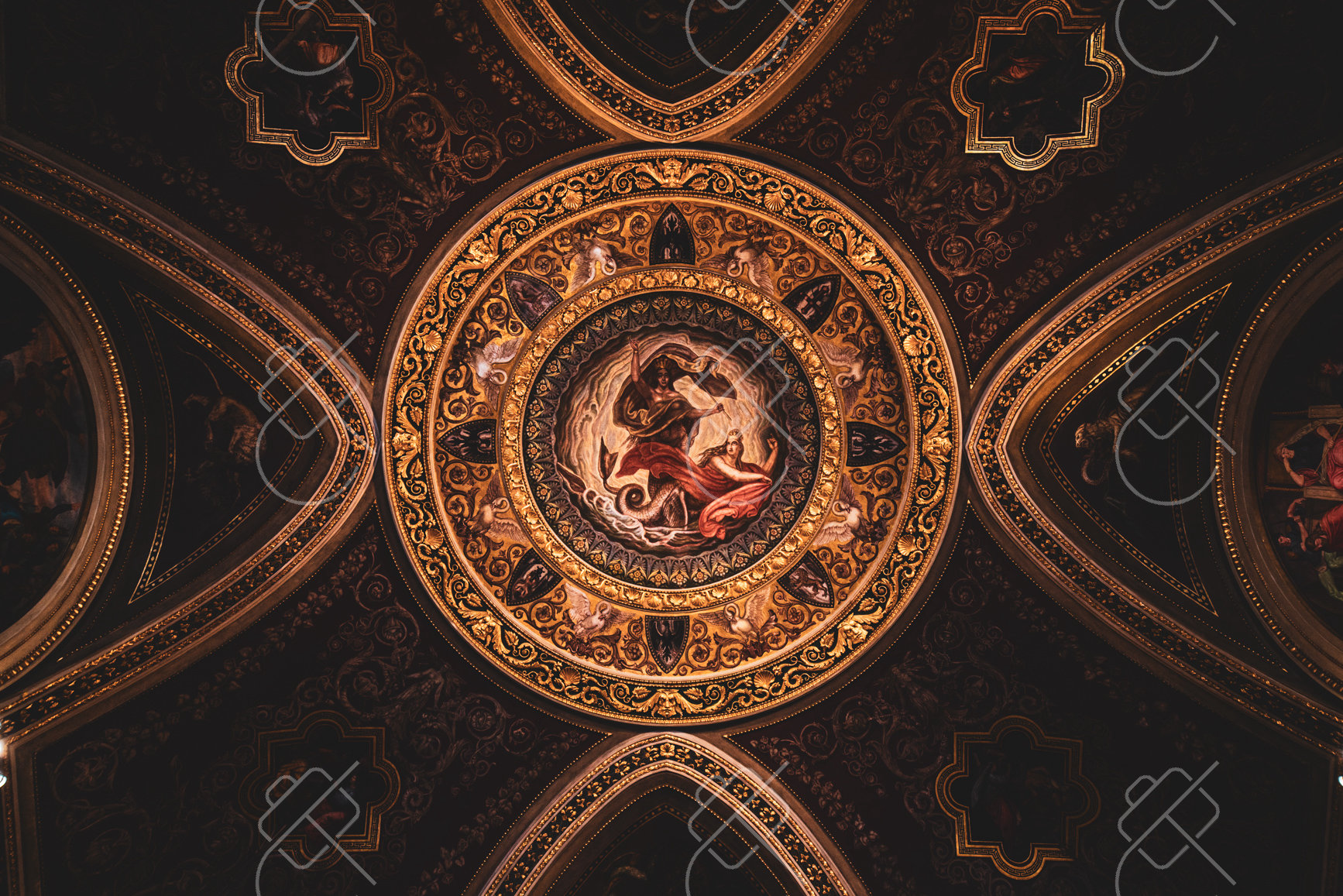
What it is: Ludwig II's 19th-century castle on a crag above Hohenschwangau, the model for a dozen fairy-tale castles, with Hohenschwangau Castle and the Alpsee below it.
Getting there: regional trains from Munich to Füssen take about 2 to 2.5 hours, often with a change at Buchloe; then a bus of about 10 minutes to Hohenschwangau and a 30 to 40 minute uphill walk, or a shuttle bus or horse-drawn carriage, to the castle.
How long: the whole day. This is the longest trip on the list that still works as a day trip.
Who it suits: first-timers who will regret not going. If you have seen castles all trip, Nuremberg or Salzburg are better uses of the day.
Tip: entry is by timed guided tour only, about 30 minutes inside, at €21 (≈ $23) for adults in 2026 plus a €2.50 (≈ $2.8) online booking fee. Book online well ahead in summer and at weekends; the Ticket Center in Hohenschwangau sells only a small same-day contingent from 8am. Give yourself at least 90 minutes between your train arriving in Füssen and your tour time.
Dachau was one of the first concentration camps the Nazis built, opened in 1933; the camp is now the Dachau Concentration Camp Memorial Site, a memorial and museum. Take the S2 to Dachau, about 20 minutes from the Hauptbahnhof, then bus 726 to the KZ-Gedenkstätte stop. Entry is free and needs no booking; it opens daily from 9am to 5pm and is closed only on 24 December. Guided tours cost about €4 (≈ $4.5) and audio guides about €5 (≈ $5.6). Allow at least 3 to 4 hours, and do not pair it with something lighthearted on the same day.
Augsburg is a short hop: about 30 minutes on the fast trains. It was founded by the Romans and was the city of the Fugger banking family, whose Fuggerei, built in the 1520s, is the oldest social housing complex still in use. Half a day for the Fuggerei, the Renaissance town hall and its Golden Hall. It suits people who have already done the famous names.
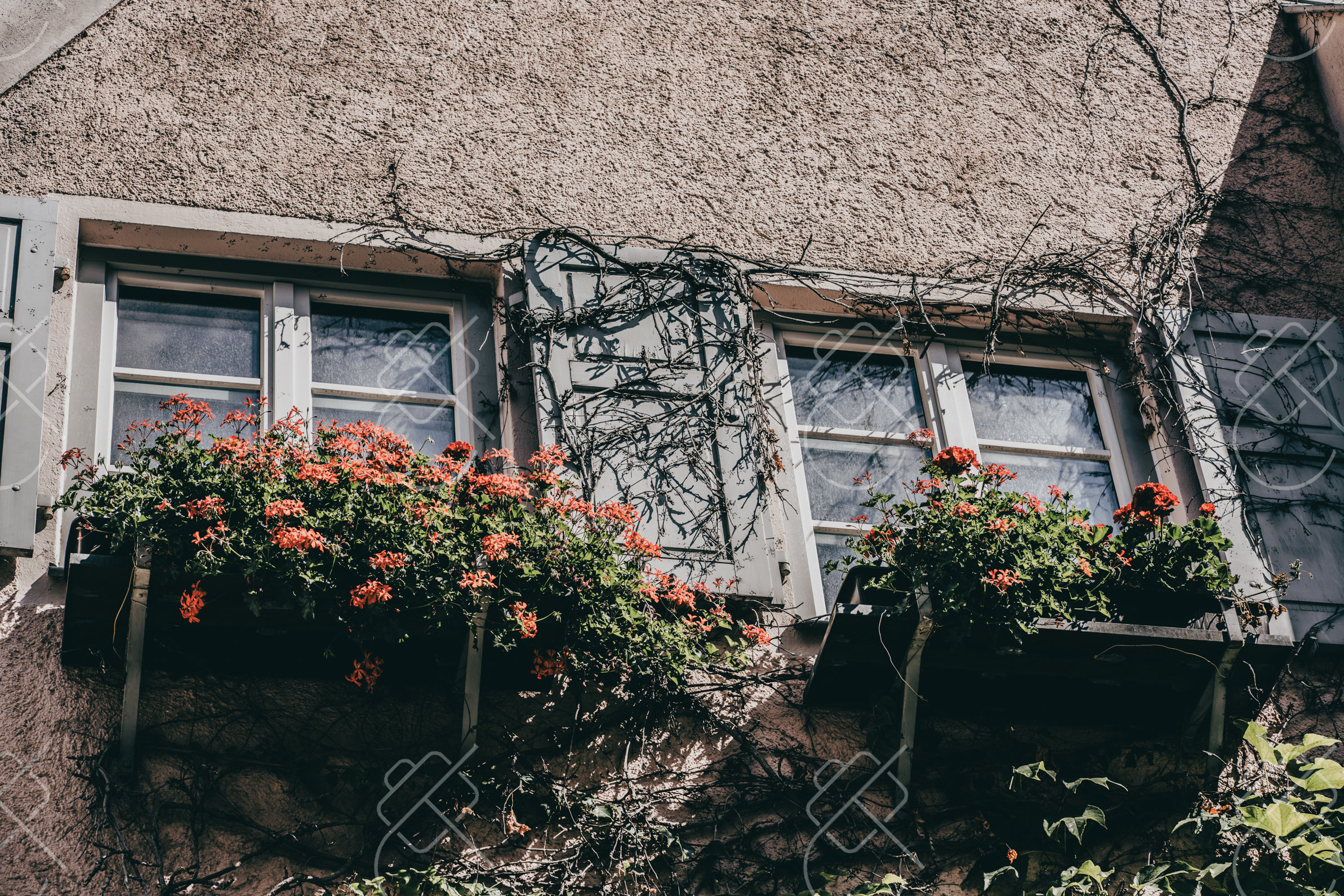
Chiemsee and Herrenchiemsee. The RE5 takes just under an hour to Prien am Chiemsee; a short tram runs to the pier in summer (otherwise it is about a 30-minute walk), and the boat to Herreninsel takes about 15 minutes. On the island is Herrenchiemsee, Ludwig II's copy of Versailles. A full day with Fraueninsel, the smaller island with the convent. The easiest lake day from Munich.
Garmisch-Partenkirchen and the Zugspitze. Direct trains take about 1h15 to 1h30. From Garmisch, the cogwheel railway and cable car climb to the summit of the Zugspitze, Germany's highest mountain at 2,962 m. Go only on a clear day; the summit is often in cloud. Partenkirchen's painted houses and the Partnach Gorge are the fallback.
Königssee and Berchtesgaden. About 3 hours each way: train to Berchtesgaden via Freilassing, then a bus to the lake, then the electric boat to St. Bartholomä, which alone takes about 90 minutes return. That is around 7 hours of travel for a day trip. Better as an overnight in Berchtesgaden.
The Bayern-Ticket costs €34 (≈ $38) for one person in 2026, plus about €10 (≈ $11.1) for each extra traveller up to five, and covers unlimited regional trains and most local transport in Bavaria for one day. It is valid from 9am on weekdays and all day at weekends, and not on ICE, IC or EC trains. For Neuschwanstein, Chiemsee, Garmisch and Königssee it is the default.
If you are in Germany for a few weeks, the Deutschlandticket (€63 (≈ $70) a month in 2026) covers the same regional trains nationwide; see our Deutschlandticket guide for how the monthly subscription works. Neither ticket covers the ICE to Nuremberg.
Weekday Bayern-Tickets cannot be used before 9am, which pushes Neuschwanstein arrivals into late morning. On a weekday, either pay full fare for an earlier train or book a later castle tour.
Our German leg ran Berlin, Bremen, Frankfurt (with Heidelberg as a day trip), Würzburg, Ulm and then 5 days in Munich, before crossing the Alps to Verona. Würzburg is about 2 hours from Munich and Ulm about 1h15, so if you are coming the same way, those are better as stops than as day trips; see our Würzburg and Romantic Road guide.
With 5 days in Munich, give 3 to the city (Marienplatz, the Residenz and the English Garden, all in our Munich guide) and 2 to day trips. Our how many days in Munich guide lays that out. Stay near the Hauptbahnhof or Marienplatz to save time on early trains; see where to stay in Munich. Heading south next, see day trips from Verona. In winter, our German Christmas markets guide has the 2026 dates for Munich and the cities around it.
Nuremberg gives the most for the time, about an hour by ICE. Salzburg, about 1.5 hours away, and Neuschwanstein, about 2 to 2.5 hours plus a bus, are the most popular.
Yes. Regional trains reach Füssen in about 2 to 2.5 hours, then a 10-minute bus and an uphill walk or shuttle. Entry is by timed tour, €21 (≈ $23) in 2026 plus a €2.50 (≈ $2.8) online fee, so book ahead.
€34 (≈ $38) for one person, plus about €10 (≈ $11.1) for each extra traveller up to five. It is valid from 9am on weekdays and all day at weekends, and does not cover ICE, IC or EC trains.
Take the S2 to Dachau, about 20 minutes, then bus 726 to the KZ-Gedenkstätte stop. Entry is free, it opens daily from 9am to 5pm, and it closes only on 24 December.
Only if you start early. It is about 3 hours each way by train and bus, and the boat to St. Bartholomä takes about 90 minutes return. An overnight in Berchtesgaden works better.
Get our new Germany guides and practical tips by email: where to stay, what to eat, what things cost and the rules that catch travelers out.
Free. No spam, only new guides and tips.
Search verified local fleets with low security deposits and exact model delivery on Localrent.
Get the best deals on Germany hotels before they're gone — see Booking.com.