By Clever Tourists · Published · Last updated
Budapest's Central Market Hall (Nagycsarnok, also called the Great Market Hall) is open Monday to Friday 6am to 6pm, Saturday 6am to 4pm and Sunday 10am to 4pm, and closed on public holidays; entry is free. It stands at Fővám tér, at the Pest end of Liberty Bridge, on the M4 metro and trams 2, 47 and 49. The ground floor is the real market (paprika, salami, produce), the basement has fish and pickles, and the upper gallery has lángos counters, a sit-down restaurant and souvenir stalls. Below: each floor, what to eat and what it costs, what to buy, and when to go. We spent five days in Budapest in October 2022; hours are from the city-owned company that runs the hall, checked in November 2026.
This page contains affiliate links. If you book or buy through them we may earn a commission, at no extra cost to you.
 Free toolConvert to your own currency at live rates →Live mid-market rates for all 17 currencies we used, so you can see what a price actually costs.
The hall is run by Budapest Vásárcsarnokai, the city's market company, and these are its published hours. Many older guides still say the hall is closed on Sundays; the operator now lists Sunday opening.
On Sundays not every stall opens, so for the full market go on a weekday or Saturday morning. Individual stalls set their own hours inside these times, and some food counters close before the hall does.
| Day | Hours |
|---|---|
| Monday to Friday | 6:00 to 18:00 |
| Saturday | 6:00 to 16:00 |
| Sunday | 10:00 to 16:00 |
| Public holidays | Closed |
• Ground floor: the market. By far the biggest level: fruit and vegetables, butchers and charcuterie (salami, sausages, smoked meats), paprika and spice stalls, dairy and bakeries. Go here for the food you want to take home.
• Basement: fish and pickles. Fishmongers, a row of pickle stalls with jars of savanyúság (pickled peppers, cabbage, cucumbers), household goods and a supermarket.
• Upper gallery: lunch and souvenirs. Lángos and hot-food counters, the sit-down restaurant Fakanál, and around thirty souvenir and folk-art stalls selling embroidery, painted ceramics and tablecloths.
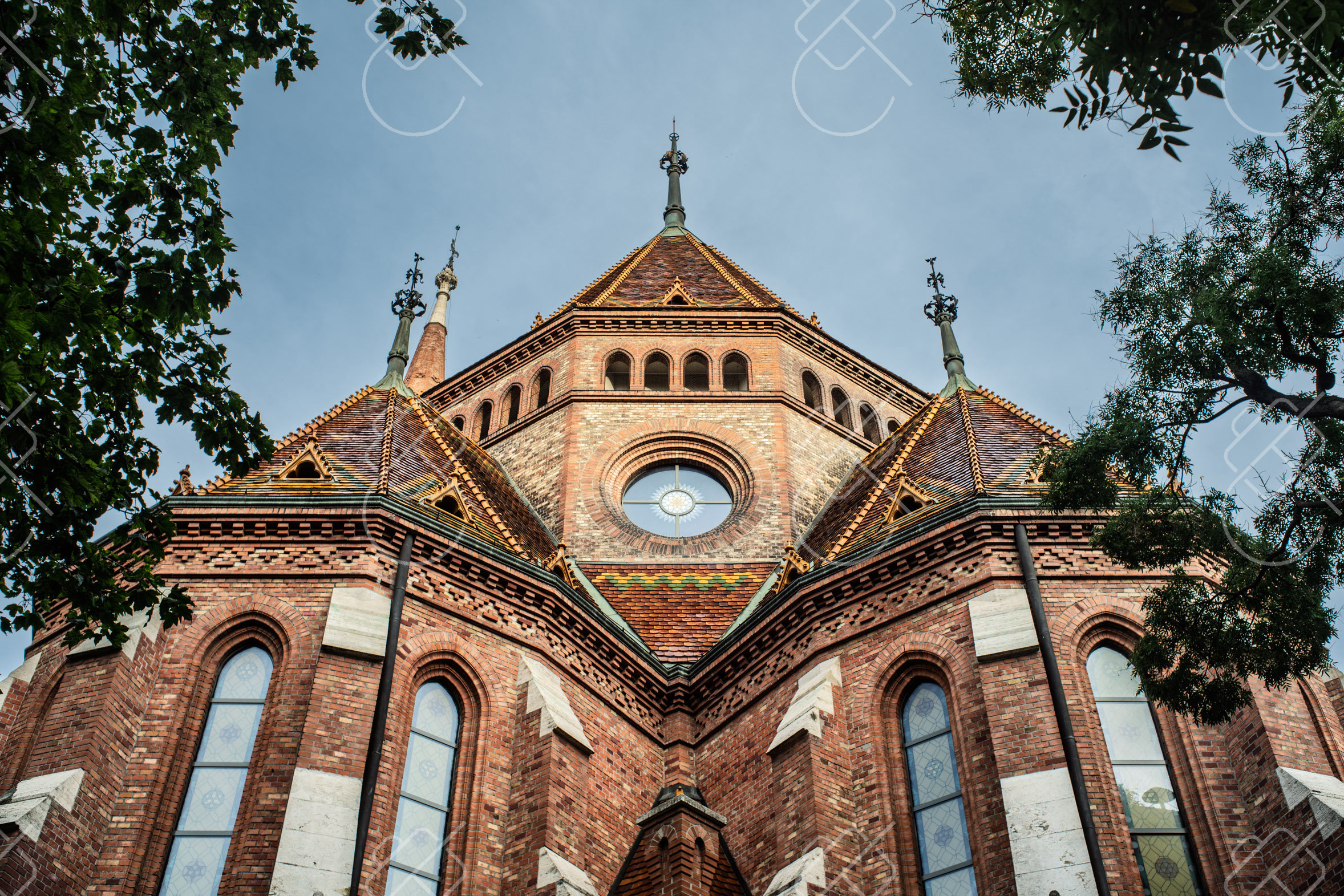
The 1897 building is worth a look in itself, with its iron frame and the coloured Zsolnay tiles on the roof. It was closed as unsafe in 1991 and reopened in 1994 after restoration.
Lángos is the reason most people climb the stairs: deep-fried dough rubbed with garlic, spread with sour cream and grated cheese. Ask for sajtos-tejfölös for the classic version, and eat it hot.
Prices change fast with Hungarian inflation, so treat these as indicative. They are from 2026 menu reports, not a live price list:
| Dish | Typical price | In US dollars |
|---|---|---|
| Lángos with sour cream and cheese | About 2,000 to 4,000 Ft | About $6 to $12 |
| Gulyás (goulash soup) at Fakanál | 3,100 Ft | About $10 |
| Pork pörkölt with dumplings at Fakanál | 5,100 Ft | About $16 |

Practical travel tips, straight to your inbox. Unsubscribe anytime.
• Paprika. Sweet (édes) and hot (csípős) ground paprika, usually from Szeged or Kalocsa. Buy by smell: it should be bright red and smell sweet, not dusty. The small cloth bags and tins are easy to pack.
• Salami and sausage. Winter salami (téliszalámi) and paprika sausage keep well. Check your home country's rules before packing meat; the US, for example, restricts it.
• Tokaji and pálinka from the wine and spirits stalls, and Unicum, the herbal liqueur.
• Embroidery and ceramics upstairs, where prices are set for visitors; compare a few stalls before buying.
The ground-floor food stalls are not always cheaper than a supermarket, but quality is better on paprika and charcuterie. Our Hungarian grocery guide and best souvenirs from Hungary go further.
The hall's address is Vámház körút 1-3, District IX, on the Pest side of Liberty Bridge (Szabadság híd).
• Metro: M4 (green line) to Fővám tér, which exits next to the hall.
• Tram: lines 2 (along the Danube embankment), 47 and 49 (across Liberty Bridge from Buda) all stop at Fővám tér.
• On foot: about 15 minutes from Vörösmarty tér along Váci utca, which ends at the hall.
The hall sits between the Belváros (District V) and Ferencváros, both good bases; compare them in where to stay in Budapest.
• Go on a weekday morning. The ground floor is busiest with locals early, and tour groups fill the upper gallery from late morning. Lunch counters are at their most crowded from about 12 to 2pm.
• Saturday closes at 4pm and Sunday opens at 10am, so do not plan a late Saturday visit or an early Sunday one.
• Carry some forint. Many stalls take cards, but small food counters may prefer cash, and you need forint, not euros, for the best price.
• Watch your bag on the crowded upper gallery.
• Combine it with a walk across Liberty Bridge to Gellért Hill and the Gellért baths, or with Váci utca. For what else to eat in the city, see what to eat in Budapest.
Yes. The operator lists Sunday hours of 10am to 4pm. Not every stall opens on Sundays, so weekdays and Saturday mornings are better for the full market.
Monday to Friday 6am to 6pm, Saturday 6am to 4pm, Sunday 10am to 4pm. It is closed on public holidays.
On the upper gallery, at the food counters. Expect roughly 2,000 to 4,000 forint for lángos with sour cream and cheese (2026 indication).
Yes. Entry is free.
Take the M4 metro or tram 2, 47 or 49 to Fővám tér. The hall is at Vámház körút 1-3, at the Pest end of Liberty Bridge.

Practical travel tips, straight to your inbox. Unsubscribe anytime.
Entry rules change, and they depend on your nationality — always confirm the current requirements on the official government site before you book or apply. Only use official government (.gov) portals; ignore look-alike agency sites.
Check fares to Budapest for your dates on Kiwi.com.