 Safety & Practicalities
By Clever Tourists · Published
Yes, Hungary is safe for tourists: the US State Department rates it Level 1, Exercise Normal Precautions, and the UK Foreign Office does not advise against travel to any part of the country. The realistic problems are Budapest petty theft, bar and restaurant bill scams, taxi touts, and occasional political demonstrations on national holidays. We spent October 2022 in Hungary: 5 days in Budapest, 3 in Eger and 3 in Tokaj. Below is what the official advisories say (checked October 2026) and how to avoid the specific traps in Budapest.
US State Department: Level 1, Exercise Normal Precautions, reconfirmed on 15 April 2026 according to a news summary of the department's advisories. The department's own site blocked our automated fetch, so verify the date on travel.state.gov.
UK Foreign Office: the Hungary page was last updated on 23 September 2026 (the change removed information about restrictions on LGBT+ marches and events) and carries no warning against travel. It says terrorist attacks cannot be ruled out, and that peaceful demonstrations in Budapest and elsewhere have sometimes turned violent.
Our things to know before visiting Hungary covers the forint, EES and tipping. For where to base yourself, see where to stay in Budapest.
The FCDO says bag snatching and pickpocketing are common in Budapest and other cities, with higher risk on busy public transport, at train stations, at markets and in tourist areas. In practice that means the trams on the Grand Boulevard, the metro lines to the centre, the Great Market Hall, Váci utca and the thermal bath changing rooms.
Keep valuables out of sight, use a zipped bag worn in front, and do not leave anything in a parked car. Take extra care on night trains: keep belongings in sight, never leave bags unattended and lock your compartment from inside, per the FCDO. For tourist-specific scams, see our Budapest scams guide.
Bill scams: the FCDO says some bars, clubs and restaurants overcharge, and that tourists have been taken to cashpoints to pay. Check the menu prices before you order, ask whether service charge is included (see tipping in Budapest) and check the bill before you pay. Report incidents to the police.
Taxi touts: some drivers take commission for steering passengers to certain venues. Use a reputable local taxi company or app, or take the public 100E bus from the airport; our Budapest airport guide has the fares.
Cards and cash: the FCDO says to use ATMs inside banks where possible, to check street ATMs for tampering and not to change money on the street.
Drink spiking: reported, particularly in Budapest's bars. Buy your own drinks and keep them in sight.

Demonstrations are often held on national holidays such as 15 March and 23 October. 23 October commemorates the 1956 uprising and falls shortly after the date of this guide, so check the schedule if you visit then. Move away from crowds if a protest turns tense and follow local media.
For summer music festivals, the FCDO links a festival travel checklist; the usual rules on drinks, drugs and overcrowding apply.
Validate your ticket at Metro entrances, or immediately after boarding buses, trams and trolleybuses, and keep it for the whole journey; inspectors can check at any time and fines apply.
Hungary has a strict no-alcohol driving policy: it is illegal to drink any alcohol and then drive. Dipped headlights are required outside towns, even in daytime. Motorways need an e-vignette bought in advance; driving without one results in a fine; see our Hungary e-matrica guide.
Carry your passport at all times; a copy is not acceptable if police ask for ID, per the FCDO. Drug offences carry severe penalties including long jail terms, and airport screening covers transit passengers. Same-sex activity is legal; Budapest is generally tolerant, but outside the capital public affection may attract unwanted attention.

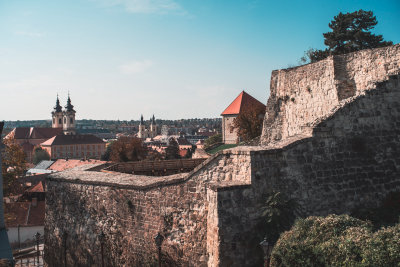
Eger and Tokaj, which we visited for 3 days each, are small, calm wine towns where the main hazards are the usual ones for wine regions: do not drink and drive, and watch cobbled streets. See our Budapest day trips for easy excursions.
Hungarian weather includes hot summers and icy winters; check the national meteorological service warnings and follow local authority instructions.
Budapest is a popular choice for solo and female travelers. Take the same precautions as in any major city: avoid empty streets late at night, use apps or reputable taxis and be careful about who buys your drinks.
Dial 112 for ambulance, fire and police. Visitors should carry travel insurance, as the FCDO advises for every destination; see travel insurance for international trips. The Budapest guide covers the sights.
Yes. The US rates Hungary Level 1 and the UK Foreign Office does not advise against travel. Petty theft and bill scams in Budapest are the main issues.
Generally yes, but watch for drink spiking, overcharging bars and taxi touts, and keep valuables out of sight on public transport.
Overcharging bars, clubs and restaurants, sometimes escorting tourists to cash machines, taxi touts earning commission, and tampered street ATMs.
Demonstrations are often held on national holidays such as 15 March and 23 October. Peaceful protests have sometimes turned violent, so move away from crowds.
Dial 112 for ambulance, fire and police. Carry your passport, as a copy is not accepted if police ask for ID.
Get our new Hungary guides and practical tips by email: where to stay, what to eat, what things cost and the rules that catch travelers out.
Free. No spam, only new guides and tips.
Search verified local fleets with low security deposits and exact model delivery on Localrent.
Get the best deals on a place to stay in Hungary on Hotels.com.