 Culture & etiquette
By Clever Tourists · Published
Hungarian is unrelated to its neighbours' languages, so nothing will look familiar, but in Budapest most people working with tourists speak English, as do many younger Hungarians. Outside the capital English thins out quickly. The distinction to learn is between the polite Jó napot kívánok for strangers and shops and the casual Szia for friends. Stress always falls on the first syllable, and the accents change the vowel, so ő and ű (with the double accent) are separate letters from ö and ü.
This page contains affiliate links. If you book or buy through them we may earn a commission, at no extra cost to you.
Jó napot kívánok ("I wish you a good day") is the polite greeting for strangers and the one to use walking into a shop; Jó napot is a slightly shorter version. Szia is the casual hello and also the casual goodbye, said to one person; to a group it becomes Sziasztok.
You may hear older Hungarians, and children speaking to older women, say Csókolom (CHOH-ko-lom), short for "I kiss your hand". It is a traditional respectful greeting; visitors don't need to use it.
| English | Hungarian | Say it like | When to use it |
|---|---|---|---|
| Hello (polite) | Jó napot kívánok | yoh NO-pot KEE-vaa-nok | Strangers, shops, older people. |
| Hello (shorter polite) | Jó napot | yoh NO-pot | Same situations, slightly less formal. |
| Hi / bye (casual, to one person) | Szia | SEE-yo | Friends and people your age. |
| Hi / bye (casual, to a group) | Sziasztok | SEE-yos-tok | A group of friends. |
| Good morning | Jó reggelt | yoh REG-gelt | Early morning. |
| Good evening | Jó estét | yoh ESH-tayt | Evening greeting. |
| Good night | Jó éjszakát | yoh AY-so-kaat | Going to bed or leaving late. |
| How are you? (polite) | Hogy van? | HODJ von | Strangers and older people. |
| How are you? (casual) | Hogy vagy? | HODJ vodj | Friends. |
| Nice to meet you | Örvendek | UR-ven-dek | On being introduced. |
| Goodbye (polite) | Viszontlátásra | VEE-sont-laa-taash-ro | Leaving a shop or office. |
| Bye | Viszlát | VEES-laat | The shorter, everyday goodbye. |
Köszönöm is "thank you" and köszi the casual version. Kérem means "please" with strangers (it also means "here you are"); kérlek is the casual form for a friend.
Elnézést is the word for getting someone's attention or squeezing past; bocsánat is "sorry". To turn something down politely, Hungarians usually put the thanks first: köszönöm, nem.
| English | Hungarian | Say it like | When to use it |
|---|---|---|---|
| Please | Kérem | KAY-rem | Strangers. Kérlek (KAYR-lek) to a friend. |
| Thank you | Köszönöm | KUR-sur-nurm | Everywhere. |
| Thanks (casual) | Köszi | KUR-see | Friends, quick exchanges. |
| Thank you very much | Köszönöm szépen | KUR-sur-nurm SAY-pen | For real help. |
| You're welcome | Szívesen | SEE-veh-shen | Reply to köszönöm. |
| Sorry | Bocsánat | BO-chaa-not | A small apology. |
| Excuse me | Elnézést | EL-nay-zaysht | Getting attention or getting past. |
| Yes | Igen | EE-gen | Answering a question. |
| No | Nem | NEM | Answering a question. |
| No, thank you | Köszönöm, nem | KUR-sur-nurm, NEM | Thanks first sounds more natural. |
The toast is Egészségére! to someone you address politely, or Egészségedre! to a friend: "to your health", also said after a sneeze. Traditionally Hungarians do not clink beer glasses. The story is that Austrian officers clinked beer to celebrate the execution of 13 Hungarian generals at Arad in 1849, and Hungarians vowed not to clink beer for 150 years. Historians doubt the story and the vow "expired" in 1999, but many older Hungarians still skip the clink with beer. The custom is about beer only.
Check the bill before tipping: many Budapest restaurants add a service charge (szervizdíj), often 10% to 15%, and if it is there no extra tip is expected. Our Budapest tipping guide covers the rest.
| English | Hungarian | Say it like | When to use it |
|---|---|---|---|
| A table for two, please | Két ember számára kérek asztalt | kayt EM-ber SAA-maa-ro KAY-rek OS-tolt | At the door of a restaurant. |
| The menu, please | Az étlapot kérem | oz AYT-lo-pot KAY-rem | Étlap is the menu. |
| Enjoy your meal | Jó étvágyat | yoh AYT-vaa-dyot | Said before eating. |
| Very tasty | Nagyon finom | NO-dyon FEE-nom | Telling the cook or waiter. |
| Cheers! (polite) | Egészségére! | EG-aysh-shay-gay-reh | To someone you address formally. |
| Cheers! (casual) | Egészségedre! | EG-aysh-shay-ged-reh | To a friend. |
| The bill, please | A számlát kérem | o SAAM-laat KAY-rem | When you are ready to go. |
| I'm vegetarian | Vegetáriánus vagyok | VEH-geh-taa-ree-aa-noosh VO-dyok | Same for men and women. |
| I'm allergic | Allergiás vagyok | OL-ler-gee-aash VO-dyok | Then show the food written down. |
| Tap water | Csapvíz | CHOP-veez | Tap water is safe to drink. |

Practical travel tips, straight to your inbox. Unsubscribe anytime.
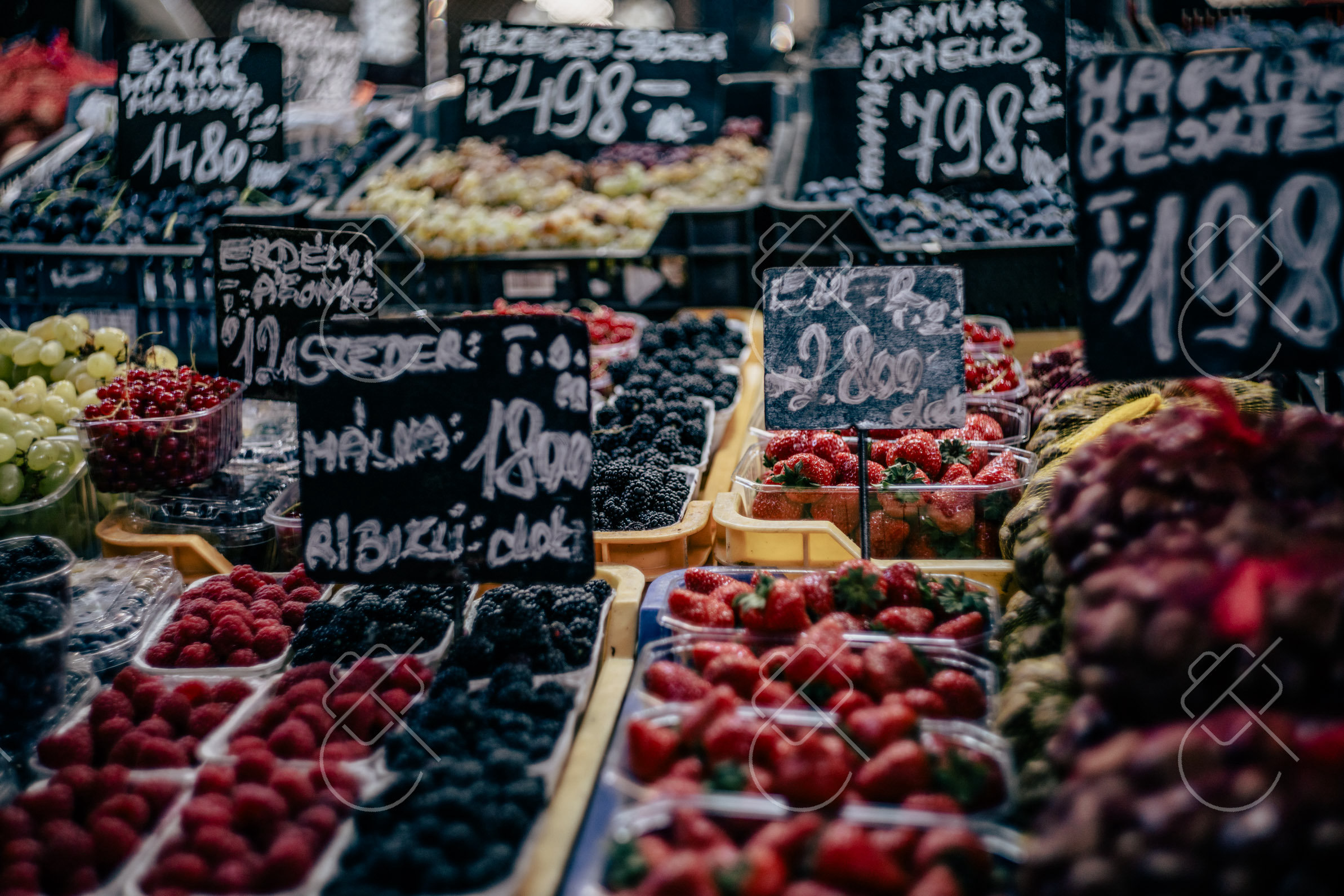
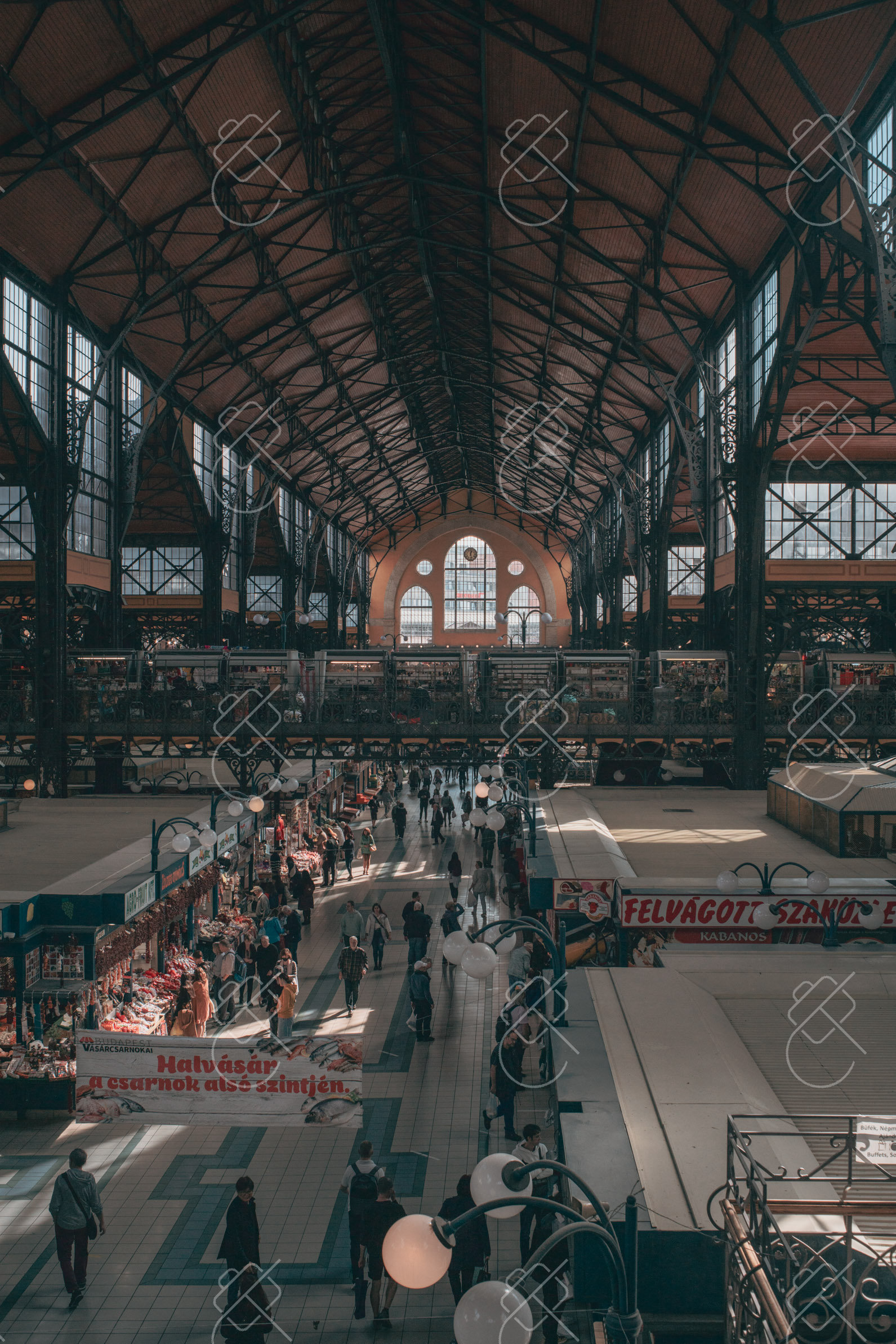
Prices are fixed in shops and in market halls such as Budapest's Central Market Hall, and haggling is not done. Hungary uses the forint (HUF), not the euro, and paying by card is normal in Budapest, though small market stalls may prefer cash.
Say Jó napot kívánok when you walk into a shop and Viszontlátásra when you leave.
| English | Hungarian | Say it like | When to use it |
|---|---|---|---|
| How much is it? | Mennyibe kerül? | MEN-nyee-beh KEH-ruel | Pointing at an item. |
| Do you take cards? | Elfogadnak hitelkártyát? | EL-fo-god-nok HEE-tel-kaar-tyaat | Before you queue. |
| Cash | Készpénz | KAYS-paynz | Small stalls may prefer it. |
Budapest's big railway stations are each a pályaudvar (Keleti, Nyugati and Déli pályaudvar); smaller stations are vasútállomás. Toilet signs say mosdó, WC or vécé.
Hungarian adds endings to place names instead of using a word for "to", so the easiest way to buy a ticket is Egy jegyet kérek ("one ticket, please") followed by the destination's name.
| English | Hungarian | Say it like | When to use it |
|---|---|---|---|
| Where is...? | Hol van...? | HOL von | Add the place. |
| Where is the toilet? | Hol van a mosdó? | HOL von o MOSH-doh | Signs say mosdó or WC. |
| Railway station | Pályaudvar | PAA-yo-ood-vor | The big Budapest stations. |
| Airport | Repülőtér | REH-pue-lur-tayr | Often shortened to reptér. |
| Left | Balra | BOL-ro | Following directions. |
| Right | Jobbra | YOB-bro | Following directions. |
| Straight ahead | Egyenesen | EH-dyeh-neh-shen | Following directions. |
| Ticket | Jegy | YEDJ | Trains, trams, museums. |
| One ticket, please | Egy jegyet kérek | EDJ YEH-dyet KAY-rek | Then say where to. |
Two has two forms: kettő on its own and két in front of a noun (két jegy, two tickets). Prices in forints run into thousands, so ezer (1,000) is a number you will hear constantly.
| English | Hungarian | Say it like | When to use it |
|---|---|---|---|
| 1 | egy | EDJ | Counting and prices. |
| 2 | kettő / két | KET-tur / KAYT | Két before a noun. |
| 3 | három | HAA-rom | Counting and prices. |
| 4 | négy | NAYDJ | Counting and prices. |
| 5 | öt | URT | Counting and prices. |
| 6 | hat | HOT | Counting and prices. |
| 7 | hét | HAYT | Counting and prices. |
| 8 | nyolc | NYOLTS | Counting and prices. |
| 9 | kilenc | KEE-lents | Counting and prices. |
| 10 | tíz | TEEZ | Counting and prices. |
| 100 | száz | SAAZ | Counting and prices. |
| 1,000 | ezer | EH-zer | Counting and prices. |
112 is the general emergency number in Hungary. The older direct lines, 104 (ambulance), 105 (fire) and 107 (police), still work.
| English | Hungarian | Say it like | When to use it |
|---|---|---|---|
| Help! | Segítség! | SHEH-geet-shayg | Shouted in an emergency. |
| Call the police! | Hívja a rendőrséget! | HEEV-yo o REND-ur-shay-get | To a bystander or staff (polite form). |
| I need a doctor | Orvosra van szükségem | OR-vosh-ro von SUEK-shay-gem | At a hotel desk or pharmacy (gyógyszertár). |
| I'm lost | Eltévedtem | EL-tay-ved-tem | Asking a passer-by for help. |
| I don't understand | Nem értem | NEM AYR-tem | When a reply goes over your head. |
| Do you speak English? | Beszél angolul? | BEH-sayl ON-go-lool | Polite form, for strangers. |
| Please speak more slowly | Kérem, beszéljen lassabban | KAY-rem, BEH-sayl-yen LOSH-shob-bon | Polite form. |
Greet when you walk in. A Jó napot kívánok to the shop assistant, pharmacist or ticket clerk is expected; Szia to a stranger older than you sounds too familiar.
Use the polite form until invited not to. Hungarian has a formal "you" for strangers, and the phrases above use it (Hogy van?, Beszél angolul?). Hungarians will tell you when to switch to the casual form.
Names run surname first. A Hungarian called Kovács Péter in Hungarian is Péter Kovács in English. Úr (Mr) goes after the surname: Kovács úr.
Skip the beer clink unless your hosts do it. With older Hungarians especially, raise your beer and say Egészségére without touching glasses. Our things to know before visiting Hungary covers money, transport and the thermal baths.
Köszönöm, said roughly KUR-sur-nurm. Köszi is the casual version, köszönöm szépen means thank you very much, and the reply is szívesen.
Szia is the casual hello and goodbye for friends and people your age. Jó napot, or the fuller Jó napot kívánok, is the polite greeting for strangers, shops and older people.
In Budapest, most people working with tourists speak English, as do many younger Hungarians. In rural areas don't expect it, and a few Hungarian phrases help a lot.
By tradition, Austrian officers clinked beer to celebrate the execution of 13 Hungarian generals in 1849, and Hungarians vowed not to clink beer for 150 years. Historians doubt the story and younger people often ignore it, but many older Hungarians still don't clink with beer.
112. The older direct numbers 104 (ambulance), 105 (fire) and 107 (police) also still work.

Practical travel tips, straight to your inbox. Unsubscribe anytime.
See Hungary hotel photos and reviews on Booking.com.