 Money & payments
By Clever Tourists · Published
Bring a card and some euros: Germany is still more cash-friendly than most of Western Europe. The Bundesbank's payment-behaviour study for 2023, published in July 2024, found cash was still the most-used way to pay at the point of sale, at 51 percent of transactions, down from 58 percent in 2021. A newer survey reported in 2026 by FashionUnited, citing dpa, has cashless payments overtaking cash for the first time, with cash at 45 percent; we could not find that on the Bundesbank's own page, so treat that figure with care. We were in Germany in July 2023, in Berlin, Bremen, Frankfurt, Wurzburg, Ulm and Munich, and the practical lesson is the same: do not count on paying everywhere by card.
Free toolConvert to your own currency at live rates →Live mid-market rates for all 17 currencies we used, so you can see what a price actually costs.Debit cards, especially the German girocard, are widespread, but foreign Visa and Mastercard debit and credit cards are accepted less uniformly. Many bakeries, small cafes, kiosks, market stalls, beer gardens and independent restaurants take cash only, or have a minimum card amount, or accept only girocard. You may see signs reading nur Barzahlung (cash only) or Kartenzahlung ab 10 Euro (card from 10 euros).
Larger hotels, chains, supermarkets, train stations and department stores generally take Visa and Mastercard. Amex is less common. Contactless is widely available on newer terminals, but ask before you eat or order if you are unsure.
• Bakeries (Baeckereien) and street food: a bakery breakfast is often a cash-only stop.
• Beer gardens, market halls and small restaurants, including some in Munich and Berlin.
• Public toilets and lockers: small coins.
• Tips: round up in cash or tell the waiter the total you want to pay; our Germany tipping guide explains how it works.
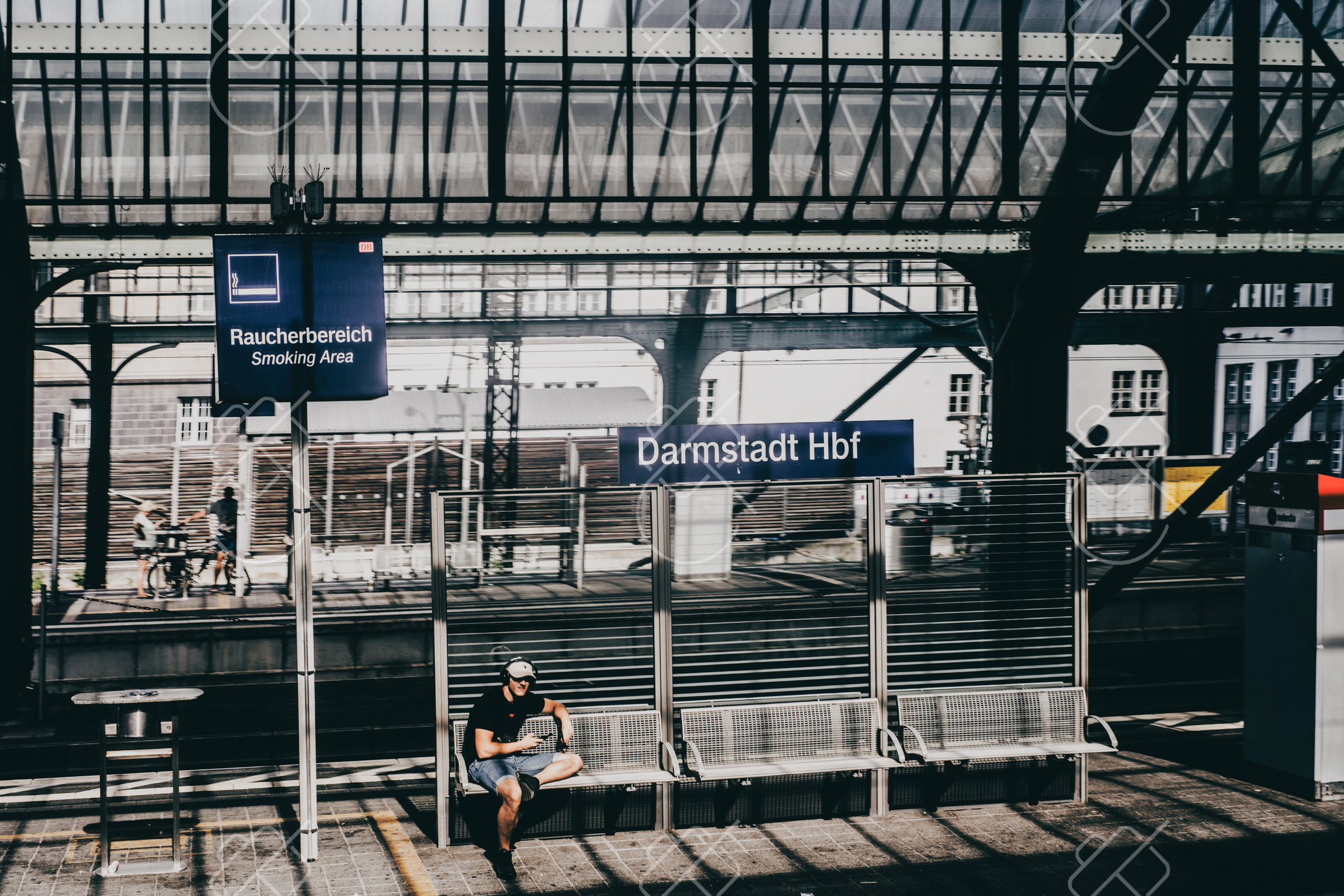
• Smaller towns: Bremen, Wurzburg and Ulm are manageable, but small shops may prefer cash.
German ATMs (Geldautomat) are easy to find, but some independent ones charge a fee that is shown on screen before you confirm. If an ATM offers to convert the amount into your home currency, decline and choose euros; the conversion rate there is set by the operator. Use your bank's ATM network if it has partners, and withdraw larger amounts less often to cut flat fees. We did not verify current German ATM fee levels, so check the screen.
Keep your PIN handy, because chip-and-PIN is standard and signature-only cards can fail.
For a typical tourist trip, 100 to 200 euros in small notes and coins covers bakeries, tips, lockers and the occasional cash-only restaurant. Pay for hotels, trains and larger meals by card. For total costs by level, our Germany things to know page covers prices, and the grocery guide shows daily food costs.
If a terminal asks whether to charge in euros or your home currency, choose euros. Check your card's foreign transaction fee before you go, and carry a second card on a different network. Tell your bank you are travelling to avoid blocked payments. For public transport, many cities have apps or contactless; check city rules in advance.
Read cash or card for international travel for the general approach, what is considered rude in Germany for etiquette, and Germany eSIM for tourists for mobile data. Plan the season with best time to visit Germany.
A normal day in Berlin or Munich might be a hotel paid by card, a bakery breakfast in cash, a museum ticket by card, a currywurst stand or beer garden in cash and a late dinner at a restaurant that either takes your card or does not. In Bremen, Wurzburg and Ulm the same pattern holds: modest independent businesses are often cash-only, while chains and larger venues take cards.
Before ordering at a small place, glance at the door or counter for a card logo, or ask Kann ich mit Karte zahlen? (can I pay by card?). It saves an awkward moment at the till.
Some German terminals accept only girocard, and some refuse foreign cards without chip-and-PIN. Try contactless, then insert and enter your PIN. If it still fails, ask whether they take another network, or use cash. Carry a second card from a different network, keep your bank's emergency number saved, and keep a small cash reserve separate from your wallet. If an ATM keeps your card, go to the bank branch during opening hours.
In German restaurants you usually pay at the table when the waiter brings the bill. Tell the waiter whether you pay cash or card before they bring the machine, and tell them the total including tip: say Stimmt so (keep the change) when handing over cash, or give the full amount you want to pay when paying by card. Splitting a bill is normal and not rude; say Getrennt, bitte (separate, please).
Check that the amount on the terminal matches your total before you enter your PIN.
More than most of Western Europe. The Bundesbank found cash was used in 51 percent of point-of-sale transactions in its 2023 study, though cashless use is rising.
Yes at hotels, chains, supermarkets and many restaurants. Small businesses may take only cash or the German girocard.
About 100 to 200 euros in small notes and coins is enough for bakeries, tips and lockers, with cards for larger spending.
Pay in euros. Choosing your home currency means the merchant sets the exchange rate.
Usually yes, by rounding up or stating the total when you pay. Check the bill for a service charge first.
Get our new Germany guides and practical tips by email: where to stay, what to eat, what things cost and the rules that catch travelers out.
Free. No spam, only new guides and tips.
Search verified local fleets with low security deposits and exact model delivery on Localrent.
Get the best deals on hotels in Germany with Booking.com.