 Food & culture
By Clever Tourists · Published
The best souvenirs from the Philippines are things woven or grown there: piña cloth from Aklan, a barong made from it, banig sleeping mats, dried mangoes and tablea, the cacao tablets Filipinos melt into hot chocolate. The thing not to bring home is the most tempting one on a Palawan beach: coral and shells, which Philippine law bars you from gathering, selling or exporting. Filipinos have their own word for a gift brought back from a trip, pasalubong, and the cheapest place to buy edible pasalubong is a city supermarket, not the airport. Below are eight souvenirs worth the luggage space, what to check before you pay, where to buy them and the rules at both ends of the flight. Prices are tiers: $ is small change, $$ a considered purchase, $$$ a splurge. For the other 19 countries we cover, see our best souvenirs to buy in 20 countries.
This page contains affiliate links. If you book or buy through them we may earn a commission, at no extra cost to you.
1. Piña cloth ($$ to $$$). A sheer, stiff fabric hand-woven from pineapple leaf fibre. Aklan piña handloom weaving was added to UNESCO's intangible heritage list in 2023, and Kalibo in Aklan is the oldest centre of production. Ask what the fibre is, and buy from a weaver or a shop that names one.
2. A barong ($$ to $$$). The embroidered formal shirt worn by Filipino men. The best are made from piña, others from cheaper fabrics, and the price follows the fabric and the hand embroidery. If you will actually wear it, it is one of the few souvenirs that gets used.
3. Banig mats ($). Handmade woven mats, light enough to roll into a suitcase.
4. Woven baskets and bags ($). Cheap, handmade and easy to pack. If you fly on to Australia or New Zealand, declare anything made of plant fibre on arrival.
5. Dried mangoes ($). The most-packed Philippine souvenir for a reason: sweet, light and sealed. Supermarket prices are well below airport prices.
6. Tablea ($). Tablets of roasted, ground cacao that are melted with water or milk into tsokolate, a thick hot chocolate. Batangas is known for it, and supermarket chains such as SM and Robinsons sell it boxed as pasalubong. Unsweetened tablea keeps longest.
7. Philippine chocolate bars ($ to $$). Most of the country's cacao is grown in the Davao region, and Philippine makers now sell bean-to-bar chocolate from it. A bar is lighter to carry than a box of tablea.
8. Supermarket pasalubong ($). Snacks in small sealed packs make the easiest gifts for a crowd. Our grocery store guide lists the ones worth buying.
• City supermarkets. SM and Robinsons supermarkets sell dried mangoes, tablea and snacks for less than the airport, and the bigger mall supermarkets often have a pasalubong section. Do this shopping in Manila or Cebu before you head for the islands, where the choice is smaller.
• Weavers and specialist shops for piña. Kalibo is where piña is made; elsewhere, buy from a shop that names the weaver or the fibre blend.
• Island towns for woven goods. El Nido and Coron have shops selling baskets, bags and mats. Our El Nido guide, Coron guide and Sabang guide cover the towns.
• Haggling is normal at stalls and markets, not in supermarkets or malls. Our Philippines scams guide covers the tricks to watch for when paying.
Practical travel tips, straight to your inbox. Unsubscribe anytime.
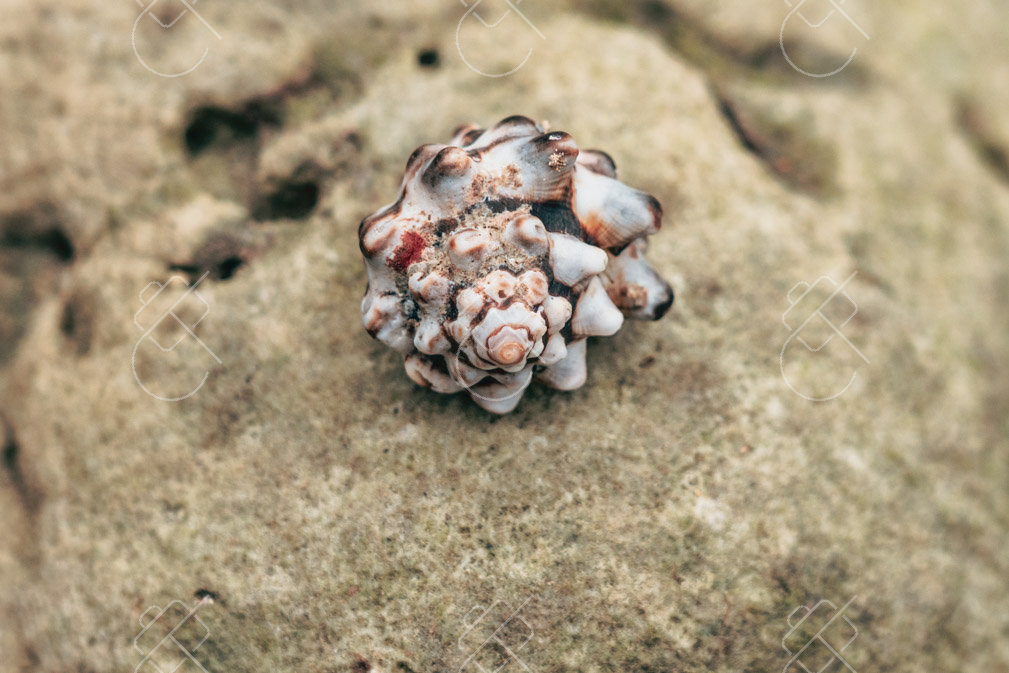
Do not buy coral or rare shells. The Philippine Fisheries Code (section 91) bans gathering, possessing, selling or exporting coral, raw or processed, and protected shells are seized at ports and airports. That includes the coral jewellery and shell craft sold on some beaches. Leave the shells you find where they are.
Skip, too, anything made from turtle shell or other protected wildlife: it can be confiscated when you leave and again when you get home.
• Sealed, commercially packed food such as dried mangoes and tablea travels best. Fresh fruit is a different matter in most countries, so eat it before you fly.
• Going on to Australia or New Zealand: both require you to declare woven plant material and wooden items on arrival. Clean, finished items are usually released after inspection; not declaring can mean a fine.
• Keep receipts for piña and barong purchases in case your home customs asks the value.
More planning in things to know before visiting the Philippines, tipping in the Philippines and our 4-week Philippines route.
Dried mangoes, followed by woven goods such as banig mats and baskets. For something more special, piña cloth or a barong made from it.
No. The Philippine Fisheries Code bans gathering, possessing, selling or exporting coral, raw or processed, and protected shells are seized at ports and airports.
A sheer fabric hand-woven from pineapple leaf fibre, used for the formal barong. Aklan piña handloom weaving is on UNESCO's intangible heritage list, and Kalibo is its oldest centre.
City supermarkets such as SM and Robinsons, which sell dried mangoes, tablea and snacks for less than the airport shops.
Tablets of roasted, ground cacao that Filipinos melt into a thick hot chocolate called tsokolate. It is sold boxed in supermarkets as a gift.

Practical travel tips, straight to your inbox. Unsubscribe anytime.
Find a place to stay in Philippines on Trip.com.