 Where to stay
By Clever Tourists · Published
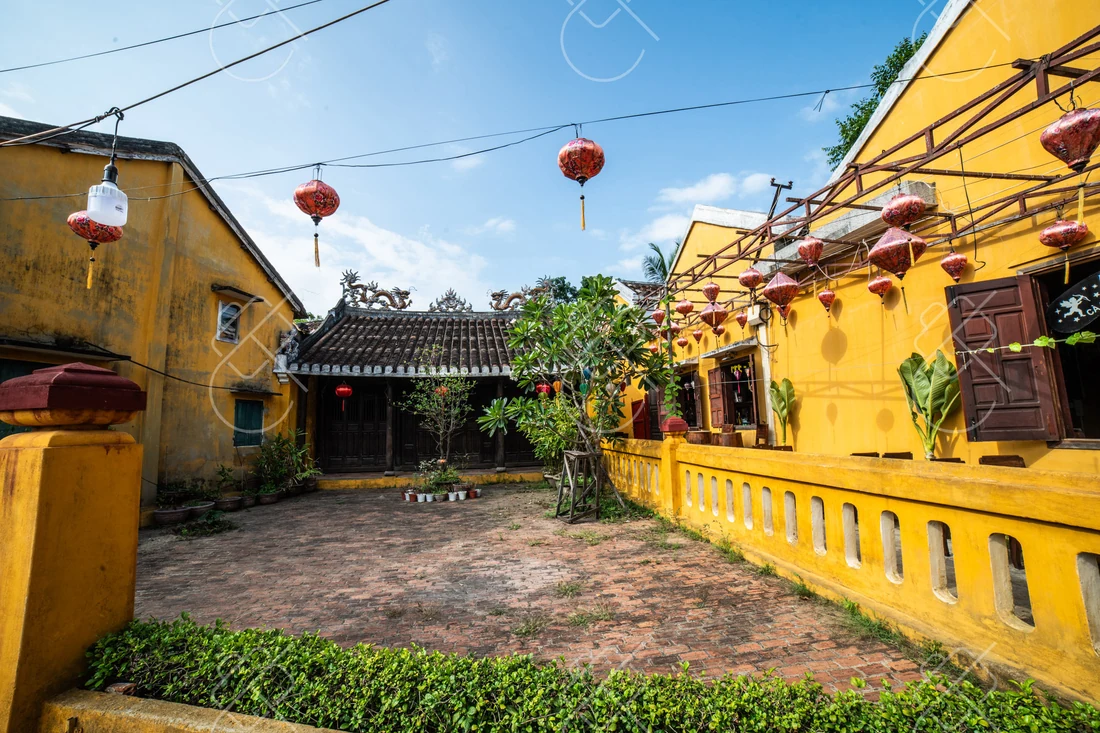
For a first visit, stay within walking distance of the Ancient Town, on its edge rather than in the middle of it. The old town is car-free and compact, and the reason to be in Hoi An is to walk out at dawn before the tour groups and again after dark when the lanterns come on along the Thu Bon River. Pick An Hoi or Cam Nam, just across the river, for the same lanterns with quieter nights, Cam Thanh and the rice fields for a homestay with bicycles, and An Bang if Hoi An is also your beach stop. We spent 6 days in Hoi An, from 29 April to 5 May 2023, including a day trip to My Son, and the recommendations below follow that stay and our Hoi An guide.
This page contains affiliate links. If you book or buy through them we may earn a commission, at no extra cost to you.
• First visit, 3 to 4 nights: a guesthouse or small hotel on the edge of the Ancient Town. Walk to the lanterns, the tailors and breakfast.
• Couples and photographers: An Hoi or Cam Nam, across a footbridge from the old town, for river views and quieter evenings.
• Slow travel, cycling, homestays: Cam Thanh and the rice fields between town and the coast.
• Beach plus town: An Bang, with a short ride into the old town in the evening.
• Families: a villa or resort hotel with a pool on the edge of town or near the beach; the old town has few lifts and steep staircases in old houses.
• Budget: the guesthouse streets north and west of the old town, a few minutes on foot from the Japanese Covered Bridge.
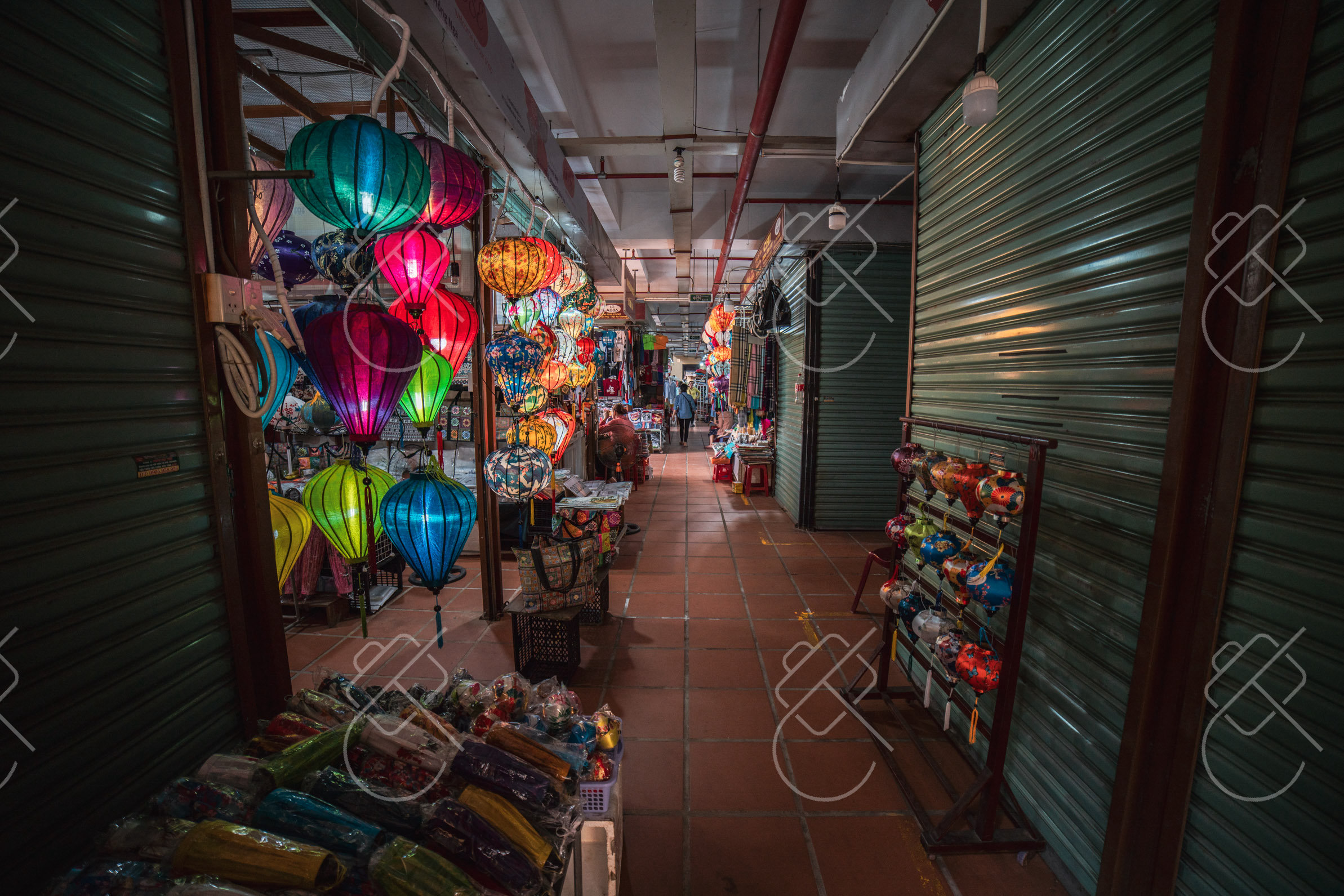
What it's like: the old town core of merchant houses, assembly halls and the Japanese Covered Bridge is pedestrian-only from 9:00 to 21:30 in summer and 9:00 to 21:00 in winter, so hotels sit mostly on the streets around it rather than inside it. Staying a few blocks out puts the lantern streets, the night market and the tailor shops on foot.
Who it suits: almost everyone on a first trip, and anyone getting clothes made: our Hoi An tailor guide explains why you want to drop into fittings two or three times without arranging transport. The heritage ticket, usually 120,000 VND (≈ $4.7) for foreign visitors and valid for up to three days, covers the old town and five sites; our Ancient Town ticket guide has the details.
Downside: the old town is busy from late morning, and rooms right on the river are loud until the boats stop at night. Ask for a room at the back.
What it's like: An Hoi is the islet directly opposite the old town, joined to it by the An Hoi footbridge. It has the night market and a riverfront lined with restaurants and lantern boats. Cam Nam, a little further east across its own bridge, is more residential, which is why our Hoi An guide recommends it for a quieter, more local stay a short walk from the same lights.
Who it suits: couples who want a river view and evening walks into the old town; light sleepers who still want to walk everywhere. The quieter stretch of the river is slightly upstream from the cluster of boats near An Hoi Bridge.
Downside: An Hoi itself is noisy around the night market, and both areas sit low by the water (see the flood note below).

Practical travel tips, straight to your inbox. Unsubscribe anytime.
What it's like: flat country of paddy fields, small villages and the Cam Thanh water-coconut forest east of town, where basket-boat rides start. Homestays and small villas with pools are spread along the lanes between the old town and the coast, and most lend or rent bicycles.
Who it suits: travelers staying 4 nights or more, families who want a pool and space, and anyone who prefers cycling into town for dinner to sleeping next to it. Bring repellent for the evenings; our Hoi An and central Vietnam packing list covers what else to take.
Downside: you depend on a bike or Grab for every meal, and the lanes are dark at night. Check the exact distance to the old town before booking.
What it's like: An Bang is about 4 km from the old town, a beach of seafood restaurants and beach clubs with loungers. Cua Dai, further south, has the larger resort hotels.
Who it suits: travelers who use Hoi An as their beach stop on a Vietnam route, as our how many days in Hoi An guide suggests for 5- or 6-day stays.
Check before you book: storms in late 2025 caused severe erosion along roughly 8 km of coast between Cua Dai and An Bang, and Vietnamese press reported some beachfront resorts damaged or temporarily closed. Look at recent guest photos of the beach itself, not just the pool, before paying for a sea-view room.

Flood season. The heaviest rain falls in roughly October and November, and the Ancient Town and An Hoi flood when the Thu Bon rises. In late October 2025 water in the old town reached about 3.4 m, matching the 1964 record, and businesses closed for days. In those months, choose an upper-floor room or a base on higher ground, and keep your plans flexible.
Holidays. 30 April and 1 May, Reunification Day and Labour Day, are peak domestic travel days; our stay covered both. Tet is also busy, and some ticket booths paused sales over Tet 2026. Book early for these dates; see our Tet 2027 guide.
Full moon. The monthly lantern night on the 14th day of the lunar month draws extra visitors; our Hoi An lantern festival guide lists the 2027 dates, and rooms near the river go first.
Book 3 to 4 nights: one day for the old town, one for My Son, one for the beach or countryside, and a fourth if you are having clothes made. Five or six suits a combined town and beach stay.
Hoi An has no airport or train station; the nearest are in Da Nang, about 30 km north, so a late arrival is easiest with a pre-booked transfer to your hotel's door, since cars cannot enter the old town core. From Hue, see our Hue to Hoi An guide; going on south, see Hoi An to Da Lat. Our 4-week Vietnam route shows where Hoi An sat between Hue and Da Lat.
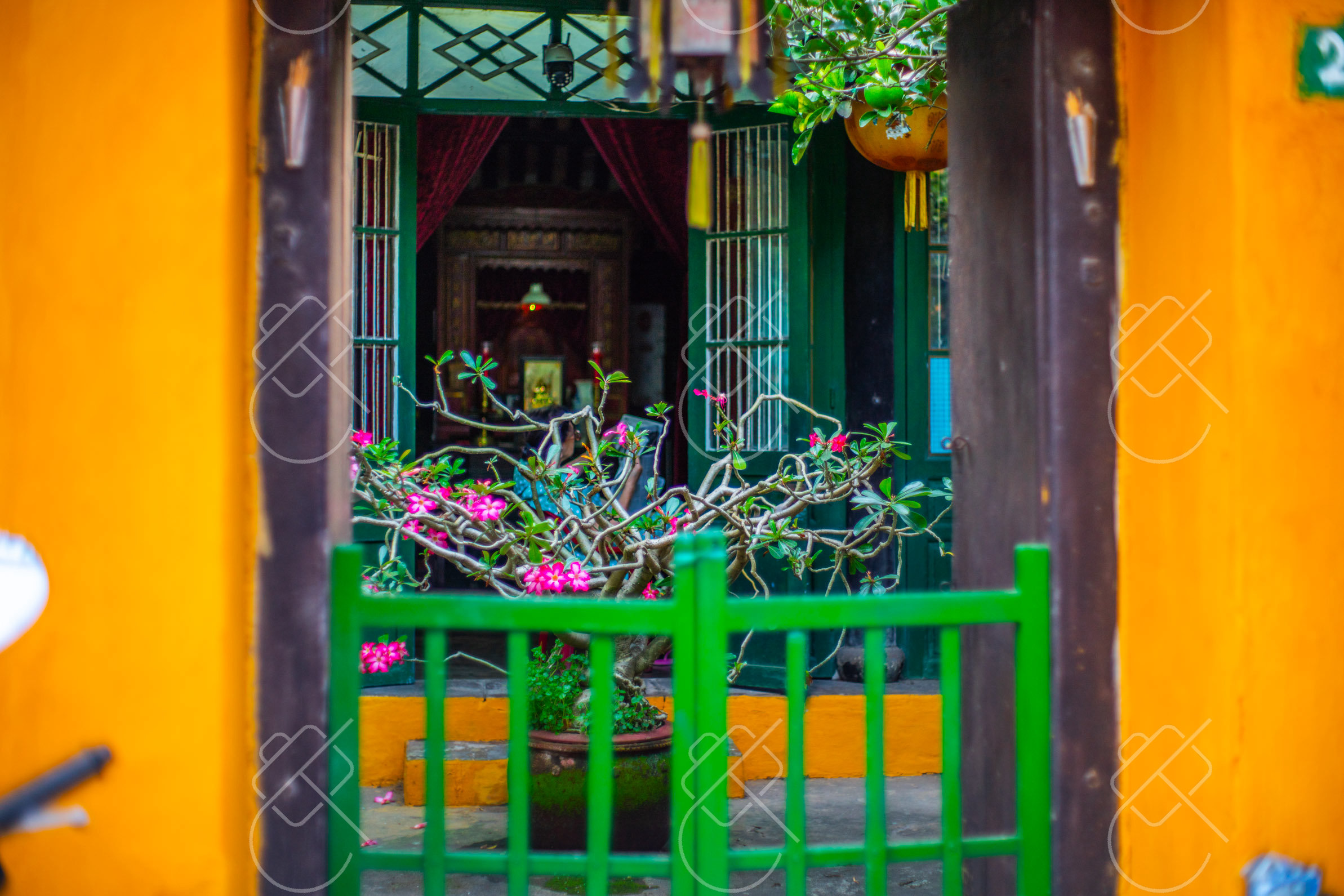
On the edge of the Ancient Town, a few blocks from the pedestrian core. You can walk to the lanterns, the night market and tailor fittings, and be out before the tour groups in the morning.
Town for a first visit of 3 to 4 nights; An Bang if Hoi An is also your beach stop. An Bang is about 4 km from the old town, but check recent photos of the beach, as storms in late 2025 caused serious erosion between Cua Dai and An Bang.
Yes, for river views and an easy footbridge walk into the old town. It is noisy around the night market, and like the old town it sits low and floods in the October to November rains.
Yes. The Ancient Town and riverside areas flood in the rainy season, roughly October and November. In late October 2025 the water reached about 3.4 m, so pick an upper-floor room and flexible dates in those months.
Three to four: the old town, My Son, the beach or countryside, and a fourth night if you are having clothes made. We spent 6 days in Hoi An in April and May 2023.
Practical travel tips, straight to your inbox. Unsubscribe anytime.
Ready to book? Vietnam hotels are on Booking.com.