Home
About us
Destinations & Country Guides
Travel Guides
Recipes
Featured
Photos As Art
Abstract Prints
Locations
Travel Gear
Travel Resources
Favorites
Photo Framer
Explore Photos
Contact Gear & packing
By Clever Tourists · Published · Last updated
Northern Vietnam in winter is the one part of the country where you genuinely need warm kit: Hanoi averages about 20°C by day and 14°C at night in January, under grey skies and fine drizzle, and Sapa, at about 1,500 m, can drop to around freezing at night with occasional frost. Most hotels and homestays in the north have no central heating, so the cold follows you indoors. Pack a warm mid-layer, a waterproof shell, shoes that grip on wet mud, and a few small things (thermal base layer, warm socks, a hat) that make an unheated room bearable. This page covers kit and gear; for the full wardrobe by month, see what to wear in Vietnam. We spent 20 to 23 April 2023 in Hanoi and went on to Ninh Binh for four nights; we did not travel the north in winter, so this list is built from climate data and what the trips involve.
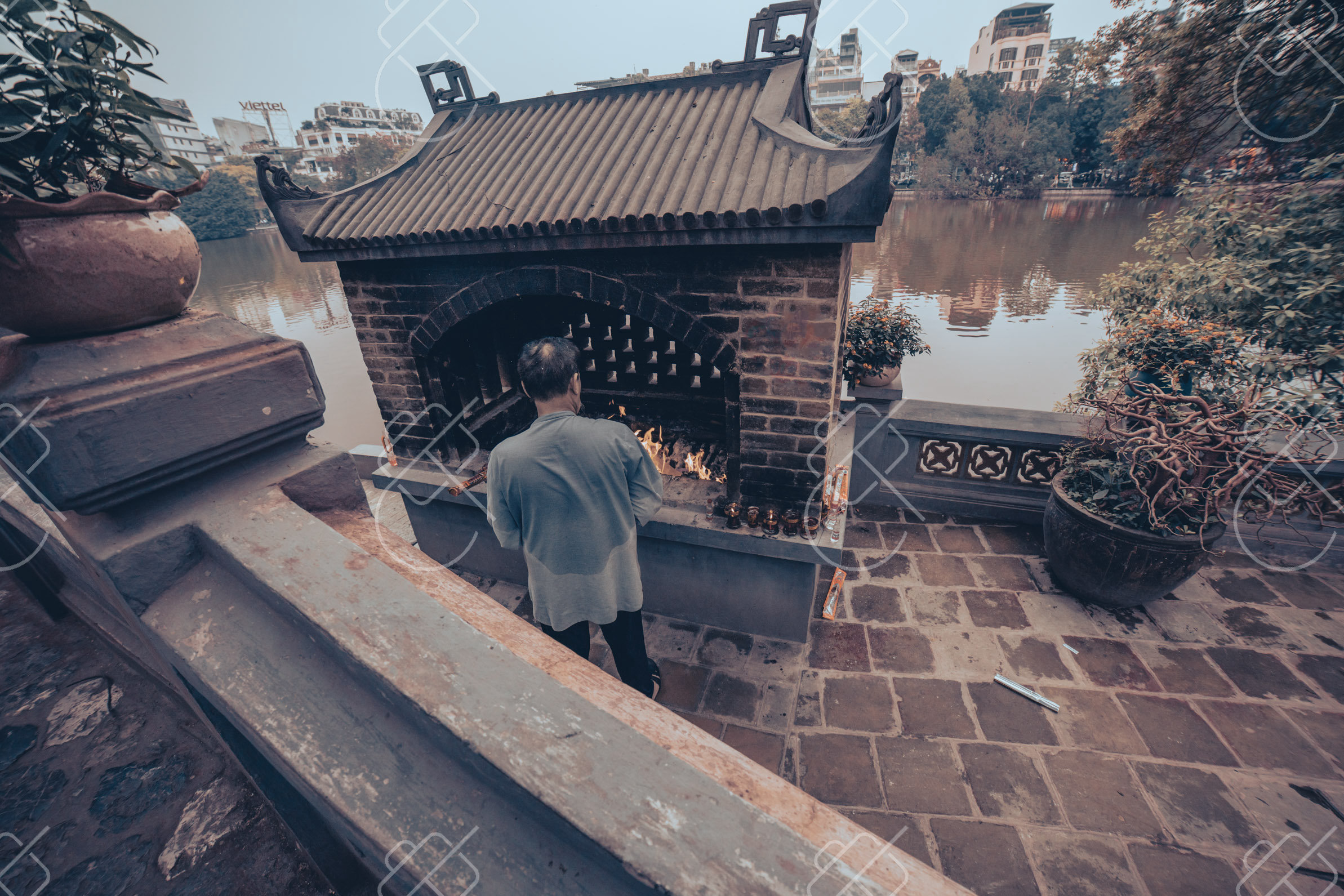
Hanoi's winter is mild by European or North American standards but damp and sunless: January averages about 20°C by day and 14°C at night, and the fine drizzle Vietnamese call mưa phùn can last for days in late winter. Cold snaps push nights below 10°C. Because buildings are made for summer heat, with tiled floors and gaps around windows, 14°C feels colder indoors than the number suggests.
Sapa sits at roughly 1,500 m in Lao Cai province, and winter there is properly cold: days can stay in single figures, nights fall to around freezing in December and January, and frost is common on cold spells. Snow on the higher ground around Fansipan happens in some winters but not others, so do not plan around it.
Ha Long Bay in winter is cool and often misty, which softens the karst views and makes the cruise deck cold in the evening. For a region-by-region look at the season, read Vietnam in January and the best time to visit Hanoi.
• A warm mid-layer: a fleece or a light down jacket that packs small. You will wear it most evenings.
• A waterproof shell with a hood. Umbrellas work in the Old Quarter but are awkward on narrow, crowded pavements and on the back of a motorbike taxi.
• Closed shoes that can get wet. Pavements in the Old Quarter are uneven and slick in drizzle.
• A thermal top and leggings to sleep in. Many hotels have air-conditioning units with a heat setting, but budget rooms and older houses may not.
• Lip balm and moisturiser, and a small packet of tissues.
• A face mask if you are sensitive to air pollution. Winter is when Hanoi's air quality tends to be at its worst; check a live air-quality app before long walks.
Hanoi is also the easiest place in the north to buy anything you forgot: the outdoor-gear shops on and around Hang Bac and Ta Hien streets in the Old Quarter sell fleeces, jackets and rain gear, much of it copies of big brands, at low prices. Our Hanoi guide and where to stay in Hanoi cover the neighbourhoods.
Most Sapa visits involve a day or overnight trek through the rice-terrace valleys to villages such as Cat Cat, Lao Chai and Ta Van, on paths that turn to slippery clay after rain. The kit that matters:
• Shoes with real grip: trail runners or light hiking boots, already worn in. Smooth-soled trainers are the most common reason people fall on the descents.
• Layers rather than one big coat: base layer, fleece and waterproof. You warm up quickly walking uphill and cool fast when you stop.
• Warm hat, gloves and thick socks, plus a spare pair of socks in a plastic bag for the evening.
• A small daypack with water, snacks, a power bank and a headtorch. Village homestays are basic and power cuts happen.
• A sleeping-bag liner for a homestay night. Homestays provide blankets, but a liner adds warmth and is more hygienic.
• Cash in small notes for the homestay, drinks and handicrafts; there are few or no card machines in the villages.
If you plan to go up Fansipan, the summit is about 3,143 m, far colder than Sapa town, so wear everything you have.

A Ha Long Bay or Lan Ha Bay overnight cruise is the other classic northern trip from Hanoi. In winter, bring:
• A warm layer and windproof jacket for the sundeck, which is cold after dark and on early-morning tai chi or sunrise.
• Swimwear only if you are keen: sea temperatures in winter are cool and most people skip swimming, but kayaking still runs on most cruises.
• Motion-sickness tablets if you are prone to it. The bay is sheltered, but transfers by tender boat can be choppy.
• Your passport. You will be travelling with it anyway; keep it in the cabin, not in the luggage left at the harbour.
• Cash for drinks and tips, which are often not included in the cruise price. See tipping in Vietnam.
Whether the cruise is worth it, and how to pick one, is in is a Ha Long Bay cruise worth it.
Most travellers reach Sapa by sleeper bus or overnight train to Lao Cai. Air-conditioning on both runs cold, so keep a fleece and socks in your hand luggage, along with earplugs, an eye mask and snacks. Our Vietnam train guide covers the sleeper cabins.
If your winter trip falls around Tet, the Lunar New Year, transport sells out and many businesses close for several days. Tet 2027 falls on 6 February; the dates and what shuts are in our Tet 2027 guide. Bring enough cash to cover a few days in case smaller shops and ATMs in rural areas run low.

January averages about 20°C by day and 14°C at night, with drizzle and grey skies, and cold snaps push nights below 10°C. Most buildings have no central heating.
Shoes with real grip, a base layer, fleece and waterproof, a warm hat and gloves, a sleeping-bag liner for homestays and cash in small notes. Nights can fall to around freezing.
On the higher ground around Fansipan in some winters, but not every year, so do not plan a trip around it. Frost is more common than snow.
Yes. Outdoor-gear shops around Hang Bac and Ta Hien streets in the Old Quarter sell fleeces, jackets and rain gear at low prices.
Get our new Vietnam guides and practical tips by email: where to stay, what to eat, what things cost and the rules that catch travelers out.
Free. No spam, only new guides and tips.
Search verified local fleets with low security deposits and exact model delivery on Localrent.
Get the best deals on hotels in Vietnam with Booking.com.