Home
About us
Destinations & Country Guides
Travel Guides
Recipes
Featured
Photos As Art
Abstract Prints
Locations
Travel Gear
Travel Resources
Favorites
Photo Framer
Explore Photos
Contact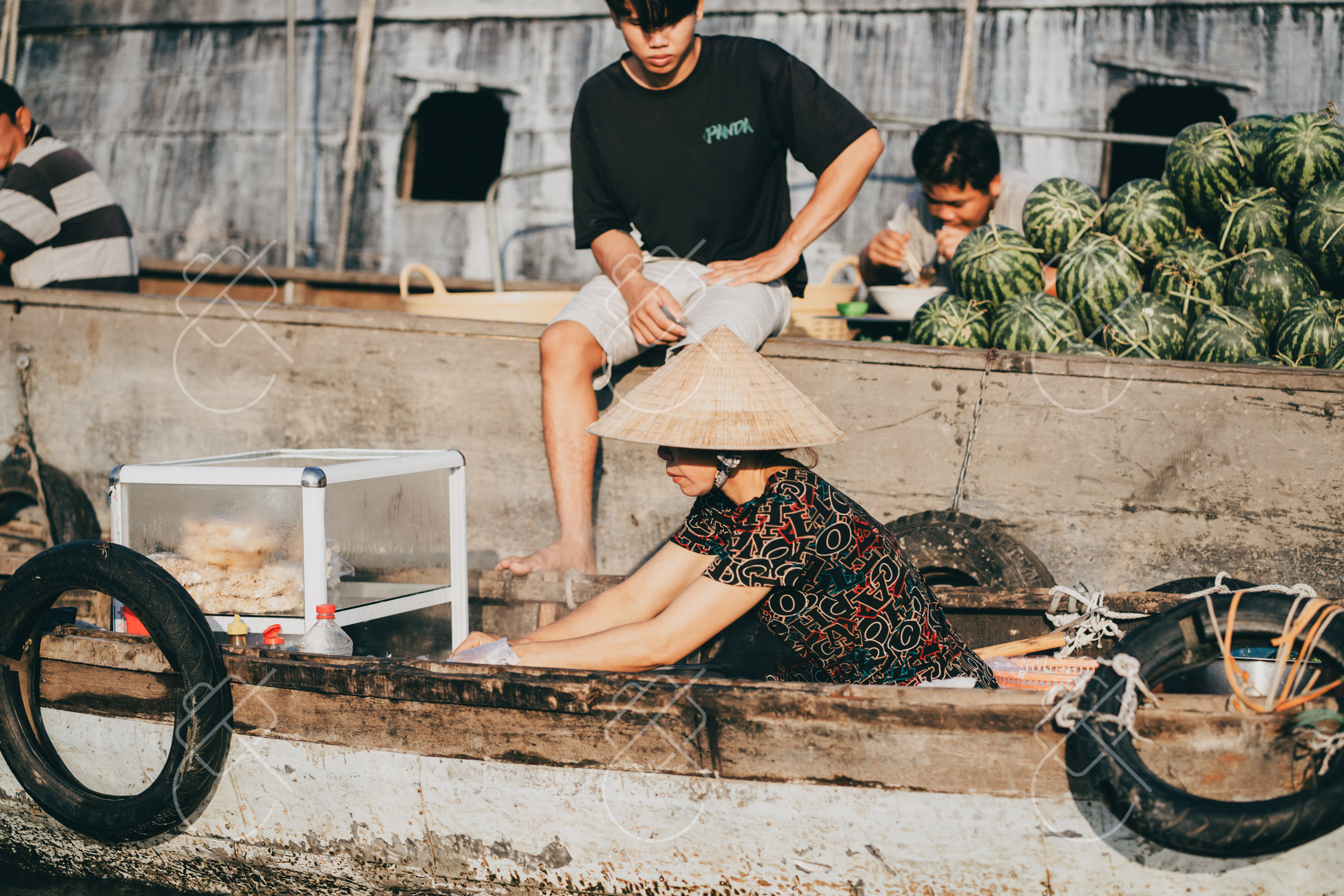 Gear & packing
By Clever Tourists · Published · Last updated
Southern Vietnam is hot every month, with daytime highs of about 32 to 35°C all year, so the packing list is about heat, sun, sudden rain and water, not cold. The wet season runs roughly from May to November, when a short, very heavy afternoon storm is normal and streets flood for an hour; the dry season from December to April is sunnier and less humid. On top of that, the Mekong Delta means boats: floating markets that start at dawn, sampans through narrow canals and a lot of sun on open water. Bring sun protection, a rain layer, a dry bag and shoes that can get wet. For clothing and dress codes, see what to wear in Vietnam. We spent 13 to 19 May 2023 based in Ho Chi Minh City, with two nights in Can Tho in the Mekong Delta (15 to 17 May) and a day trip to the Cu Chi Tunnels.
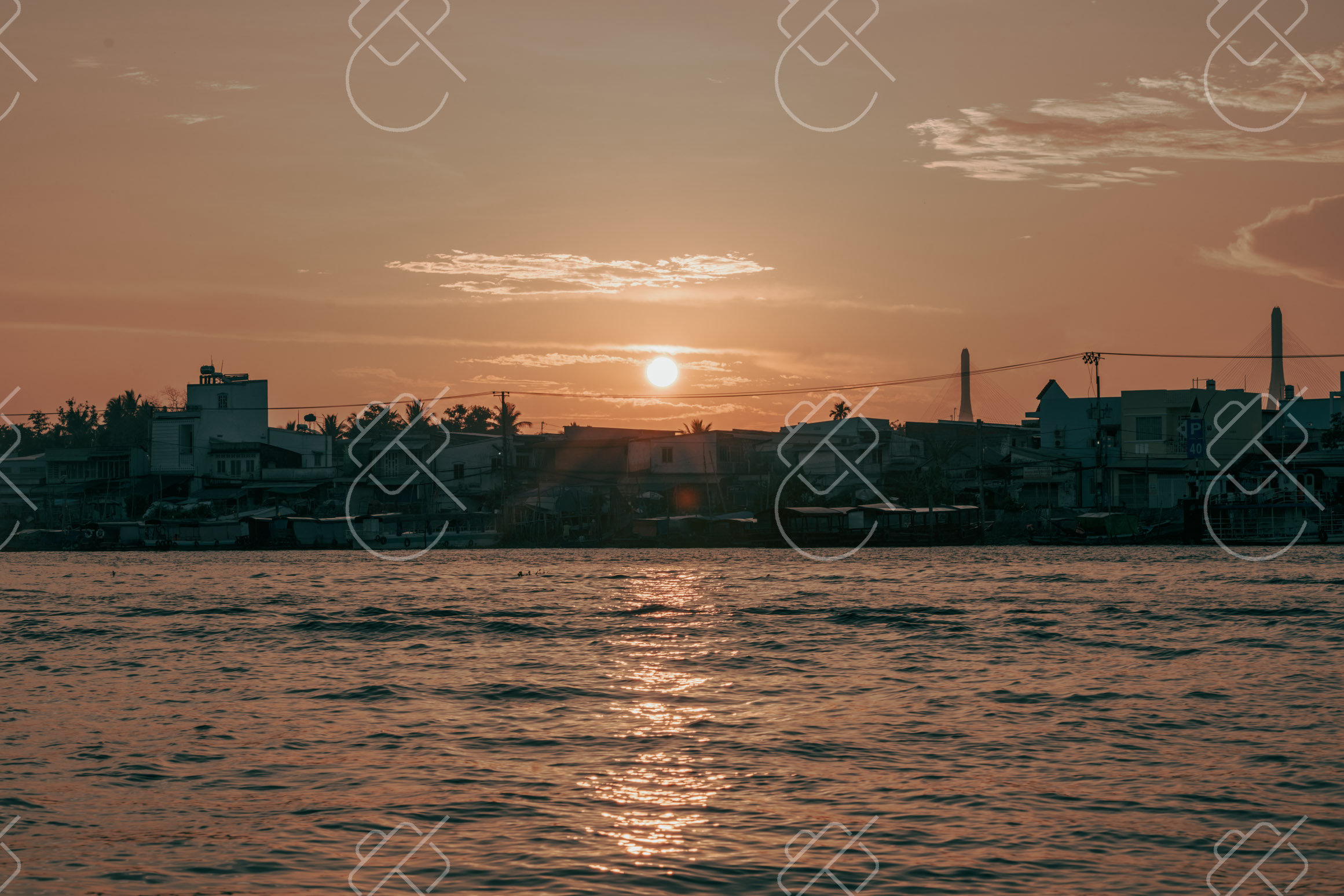
Ho Chi Minh City sits barely above sea level at about 10°N, and temperatures hardly change through the year: highs around 32 to 35°C, nights rarely below the mid-20s. The difference between seasons is rain and humidity. From about May to November, mornings are often clear and storms arrive in the afternoon or evening, heavy enough to flood streets in District 1 and Binh Thanh for an hour. December to April is drier, and March and April are the hottest months. The Mekong Delta around Can Tho follows the same pattern, with river levels highest late in the wet season. Month-by-month detail is in the best time to visit Ho Chi Minh City.
• High-factor sunscreen and a refill bought locally. You will reapply more than you expect on boats, where the water reflects the sun.
• A wide-brimmed hat that stays on in the wind, or a conical nón lá bought on arrival.
• Sunglasses with a strap or a case; they are the thing most often dropped over the side of a boat.
• A refillable water bottle. Do not drink tap water; most hotels have filtered water to refill from, and large bottles are cheap at convenience stores.
• Electrolyte sachets. Rehydration salts are sold at every pharmacy (nhà thuốc) and are worth carrying on walking days.
• A small towel or cooling cloth, and a spare T-shirt for long days out.
• A light rain jacket or packable poncho. Ponchos are sold everywhere in the wet season, and riders on Grab bikes often get one from the driver.
• Sandals with grip rather than flip-flops. Flooded streets hide kerbs and potholes.
• A dry bag or zip-lock bags for phone, passport and cash.
• Quick-dry clothes, because nothing dries overnight in a humid room without air-conditioning.
• Insect repellent. Dengue is a year-round risk in the south and peaks in the rainy season; apply it at dusk and on any trip into the delta's orchards and canals.
Plan outdoor sightseeing for the morning in the wet season, keep afternoons for museums, cafés and markets, and you will rarely need all of this at once.
The usual base for the delta is Can Tho, about 3.5 to 4 hours from Ho Chi Minh City by road; our Ho Chi Minh City to Can Tho guide covers the buses. The main event is the Cai Rang floating market, where wholesale trading is busiest around sunrise, so boat trips leave before 6am.
• A light long-sleeved layer for the dawn start, when it is briefly cool on the river, and for sun later.
• A dry bag for the camera and phone. Boats are small, low and open; spray and sudden rain are normal.
• Shoes you can step into water with. Getting on and off boats at muddy landings means wet feet sometimes.
• Small notes in dong for fruit, coffee and snacks bought from other boats, and for tips to the boat driver.
• Motion-sickness tablets only if you are very sensitive; the river is usually calm.
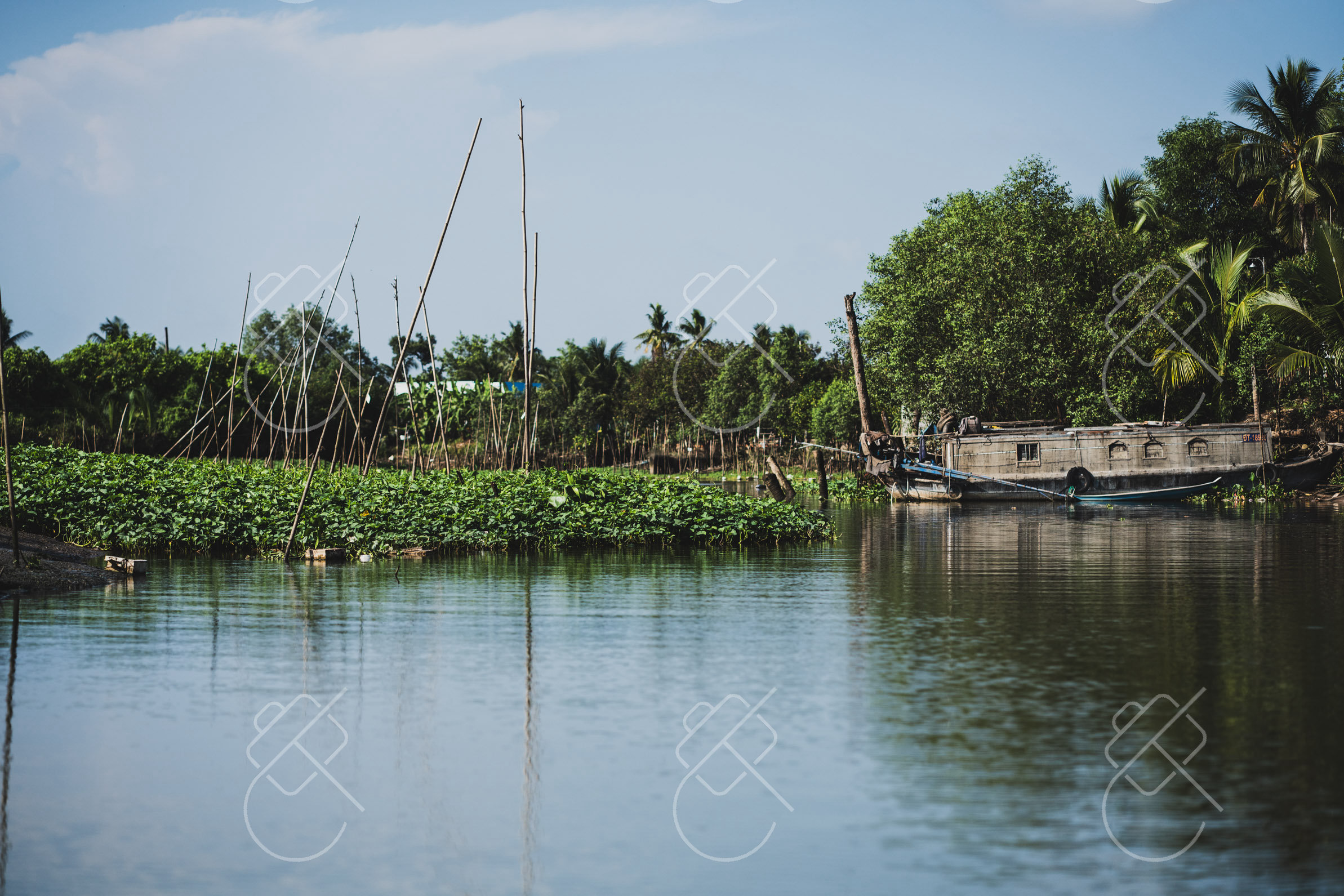
Longer delta trips also include orchard visits and cycling on village lanes, so a hat and repellent matter as much as on the boat.
The Cu Chi Tunnels, the most popular day trip from Ho Chi Minh City, involve walking through forest and, if you choose, crawling through a short section of widened tunnel. Wear clothes you do not mind getting dusty, closed shoes, and bring repellent and water. People who are claustrophobic can skip the crawl and still see the site. Other options, including Can Gio and Tay Ninh, are in day trips from Ho Chi Minh City.
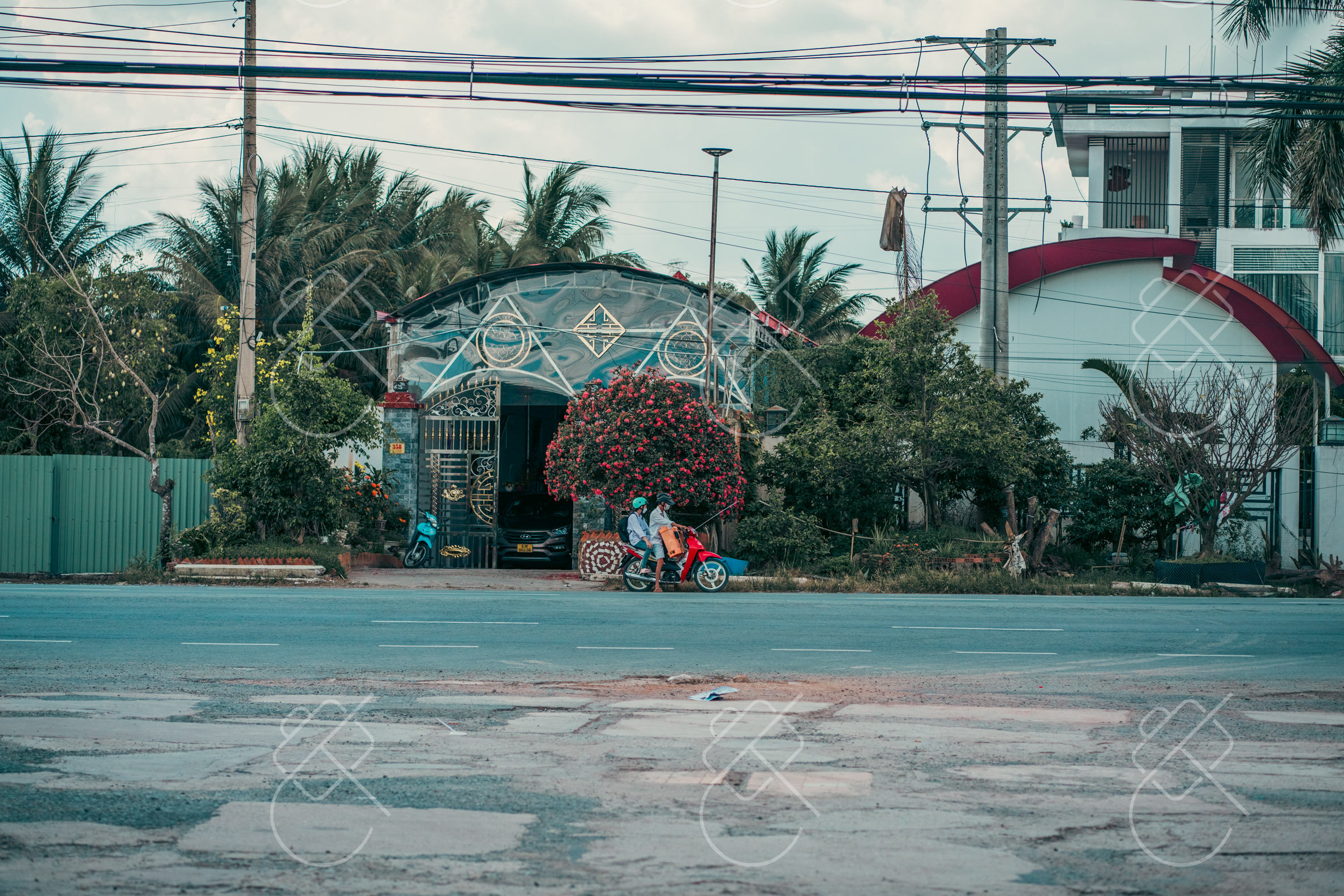
Bag snatching from passing motorbikes is the most common crime against visitors in Ho Chi Minh City, so the packing choice that matters is your bag: a cross-body bag worn on the side away from the road, and a phone you do not hold out at the kerb. Our Vietnam safety guide covers it.
• A cross-body bag with a zip, not a backpack on one shoulder.
• Data on arrival: you will want Grab for rides and maps from the airport onwards. Travel eSIM apps such as Airalo sell Vietnam data plans you can install before you fly; local SIMs from Viettel, Vinaphone and MobiFone are the alternative once you land. See eSIM or local SIM for how to choose.
• A plug adapter for types A and C sockets, and a power bank for long days.
• A mix of cards and cash: malls, hotels and Grab take cards, while street food, markets and the delta are cash. How long to spend in the city is in how many days in Ho Chi Minh City, and our Ho Chi Minh City guide has the sights.
Roughly May to November. Storms usually come in the afternoon or evening and flood streets for an hour, while mornings are often clear.
A dry bag for your phone and camera, sun protection, a light long-sleeved layer for the dawn start, shoes that can get wet and small notes in dong.
Only a light rain jacket or poncho for the wet season. Highs are about 32 to 35°C all year; the cold you will meet is air-conditioning on buses and in malls.
Clothes you do not mind getting dusty, closed shoes, repellent and water. The tunnel crawl is optional.
Get our new Vietnam guides and practical tips by email: where to stay, what to eat, what things cost and the rules that catch travelers out.
Free. No spam, only new guides and tips.
Search verified local fleets with low security deposits and exact model delivery on Localrent.
Get the best deals on flights to Vietnam with Kiwi.com.