 Safety & Practicalities
By Clever Tourists · Published
In Italy the money you lose to crime is mostly small and quick: pickpockets on crowded transit and at major sights, fake officials who ask to see your wallet, taxis that skip the meter, and restaurants that add fees or inflate bills for tourists. The country is rated safe overall in our Italy safety guide. Our own route covered the north: about 2 days in Verona, 4 in Bologna and 3 in Venice between 25 July and 3 August 2023. Rome, Florence and Naples are not on our route, so where this guide mentions them it is drawing on official warnings and published reports, not on our visits. The first half covers what is official; the second covers restaurants, taxis, tickets and Venice.
The UK Foreign Office (FCDO) advice says crime levels in Italy are generally low but petty crime, particularly bag-snatching and pickpocketing, is higher in city centres and at major tourist attractions. It also warns that thieves use distraction methods and may try to get you to stop your car by asking for help or pointing out a fictional fault. For public transport it advises care in crowded areas and in city centres, including main train and metro stations.
On drinks it advises not leaving drinks unattended or accepting drinks from strangers, and notes that drinks in Italian bars are often stronger than in the UK. For taxis it says to use only officially licensed ones, which have a taxi sign on the roof and a company name and number on the side, and to get one by phone, app or at an official rank. In an emergency, call 112.

The usual places are the ones where you are bunched together and distracted: boarding a vaporetto in Venice, a metro train in Rome or Milan, the main railway station in any city, and the lines at big attractions. Teams work in pairs: one asks you a question or holds a map, the other lifts a phone or wallet. A crowd pushing at a bus door is the classic setup.
Practical rules: carry your phone in a front pocket or zipped bag, keep the bag in front of you on public transport, do not hang it over a chair at an outdoor table, and keep a copy of your passport photo page separately. Do not put the phone on a cafe table, a favorite spot for a quick grab. Our Italy itinerary for Venice, Verona and Bologna covers the part of the country on our route, where crowds in Venice are the main theft risk.
A pair of men show a badge and ask to check your wallet for counterfeit money or drugs. The FCDO's Spain page describes the same trick: genuine officers will ask to see ID but will not ask for wallets. The same logic applies in Italy: do not hand over your wallet, ask to go to a police station, and call 112 if you are unsure.
A related trick is the 'helpful' person at a ticket machine. Someone offers to help you buy a train or metro ticket and then asks for money, or watches you enter a PIN. Use the ticket office or a machine with a queue, and cover the keypad. Station information desks also offer assistance for free.

A man ties a string bracelet around your wrist or hands you a rose before you can say no, and then asks for money. In tourist areas of Rome and other big cities, this is common. Keep your hands in your pockets, say a firm 'no grazie' and keep walking; do not accept objects. People with clipboards asking for signatures for a charity are often a diversion for a pickpocket, so do not stop.
Costumed street performers and 'gladiators' near major monuments charge for photos. We have not found a current official rule on how much, so the simple approach is to ask before you pose or avoid the photos entirely.
Italian restaurants may legally add a per-person coperto cover charge, but it must be disclosed on the menu. It is not a scam, and our coperto and tipping guide explains what it covers and what a service charge is. The traps are different: a menu without prices, fish sold by weight with no stated price, a 'tourist menu' near a major monument with weaker food, and bills that include unordered dishes.
Before ordering, check prices on the menu, ask the price of any fish or steak sold by weight, and read the receipt. Venice has the most-reported cases, including a 2018 case where four Japanese students were charged about 1,100 euros for a meal, which led to a fine for the restaurant. The amount of the fine is reported inconsistently, between roughly 10,000 and 20,000 euros. A restaurant is required to give a proper receipt; if you do not get one, that is a warning sign. Our cash or card guide covers paying.
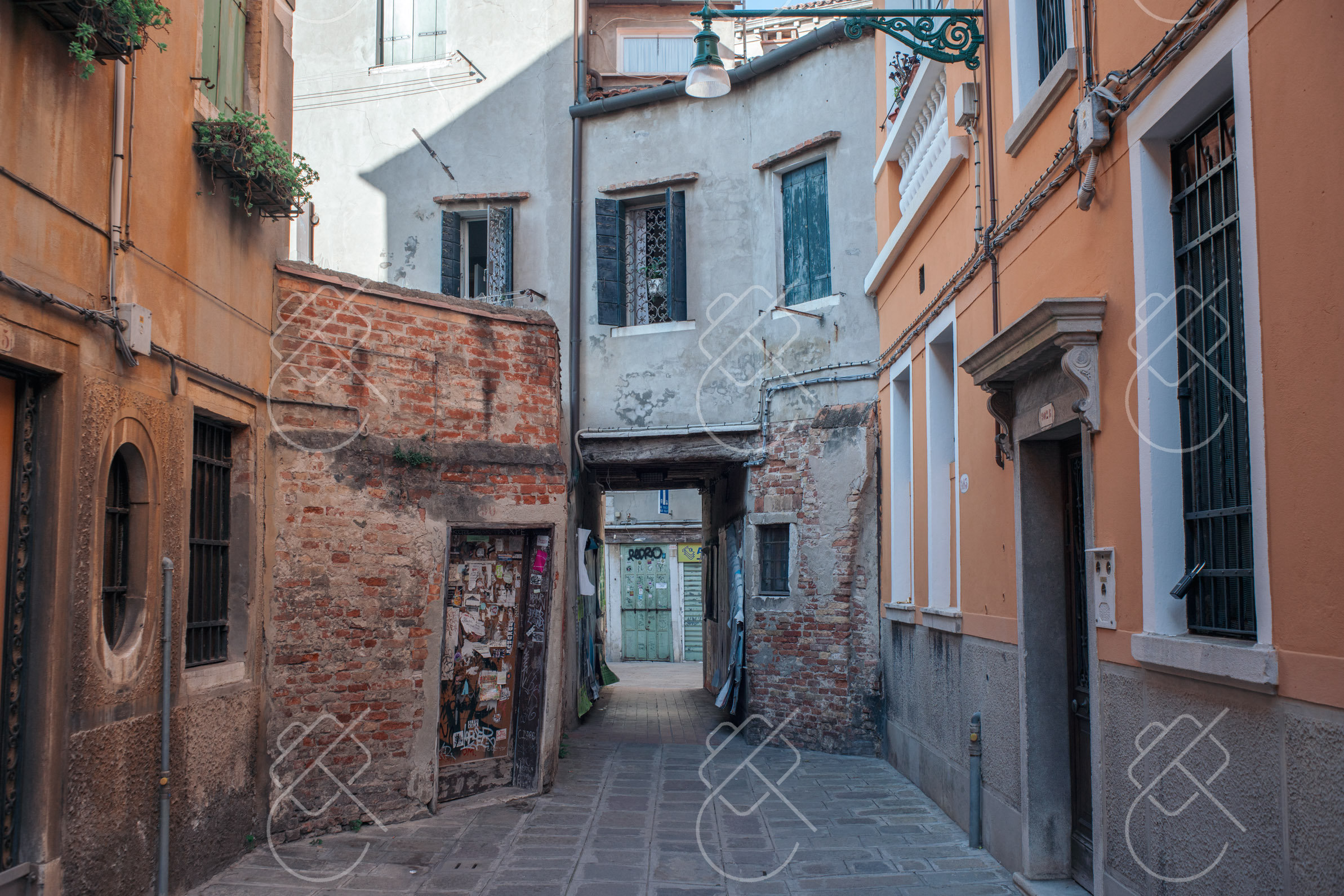
Taxis are the other big category. Rome has a regulated fixed fare from Fiumicino airport to the centre inside the Aurelian Walls, widely reported at 55 euros for up to four passengers; we could not confirm that on an official page, so ask the driver to confirm a fixed fare before you get in, and use only the white licensed cabs at the rank. Water taxis in Venice are expensive and priced by trip, so agree the fare first or use the vaporetto; our Venice airport guide has the standard routes.
For tickets, buy only from the official site of the monument or museum. Italian competition authorities fined several ticket resellers about 20 million euros in 2025 over Colosseum tickets, according to Wanted in Rome. Resellers' sites often look official and charge several times face value. Venice also has a day-tripper fee on peak days; see the Venice entry tax guide, and official page only, since look-alike sites exist.
If you drive, the FCDO warns about thieves who target foreign-registered and hired cars, sometimes falsely claiming that your car is damaged. Stop only in public, well-lit places such as service stations. Never leave luggage visible in a parked car, and be careful with limited traffic zones; see our Italy driving and ZTL guide.
If something happens, report it to the Carabinieri or Polizia; calling 112 connects you to the emergency services. You need a police report for travel insurance. See our travel insurance guide and tourist tax by city so a legitimate hotel charge is not mistaken for a scam.
Pickpocketing and distraction theft on crowded transit and at big sights, then street tricks like friendship bracelets and fake officials. The UK Foreign Office says petty crime is higher in city centres and at major attractions.
No. It is a per-person cover charge that must be shown on the menu. Check the menu before you sit, and see our coperto guide.
No. Genuine officers ask for ID, not your wallet. If someone claiming to be police asks to check your money, decline and call 112.
Buy only from the monument's official site. Italy's competition authority fined resellers about 20 million euros over Colosseum tickets in 2025.
112 for emergency services. The FCDO lists 112 as the emergency number.
Get our new Italy guides and practical tips by email: where to stay, what to eat, what things cost and the rules that catch travelers out.
Free. No spam, only new guides and tips.
Search verified local fleets with low security deposits and exact model delivery on Localrent.
Best deals on Italy hotels this week — check Booking.com.