 Culture & etiquette
By Clever Tourists · Published
Turkey speaks Turkish. In Istanbul's old city, Cappadocia and the resort coast you will find English in hotels, shops and restaurants, but step into a neighbourhood lokanta, a dolmuş or a town away from the tourist trail and it drops off fast. Merhaba and teşekkür ederim cover most situations, and a few food phrases such as ellerinize sağlık win people over at the table.
This page contains affiliate links. If you book or buy through them we may earn a commission, at no extra cost to you.
Turkish spelling is regular. The letters to learn: ç is ch, ş is sh, c is j, ğ is silent and lengthens the vowel before it, ı (no dot) is a short uh, ö is like the u in fur and ü is like ew.
Goodbye depends on who is leaving. The person going says hoşça kalın; the person staying says güle güle. Older men, and people around mosques, may greet you with selamünaleyküm; the reply is aleykümselam.
| English | Turkish | Say it like | When to use it |
|---|---|---|---|
| Hello | Merhaba | MEHR-hah-bah | Anyone, any time. |
| Hi (casual) | Selam | seh-LAHM | Friends and younger people. |
| Peace be upon you | Selamünaleyküm | seh-lah-MEWN-ah-lay-KEWM | Respectful greeting, mostly older men. Reply: aleykümselam (ah-lay-KEWM-seh-LAHM). |
| Good morning | Günaydın | gewn-eye-DUHN | Until late morning. |
| Good evening | İyi akşamlar | ee-YEE ahk-shahm-LAR | From dusk. Also works as goodbye in the evening. |
| How are you? (formal / casual) | Nasılsınız? / Nasılsın? | NAH-suhl-suh-nuhz / NAH-suhl-suhn | Formal with strangers, casual with friends. |
| Nice to meet you | Memnun oldum | mem-NOON ohl-DOOM | When you are introduced. |
| Goodbye (you are leaving) | Hoşça kalın | HOSH-chah kah-LUHN | Said by the person who leaves. |
| Goodbye (they are leaving) | Güle güle | gew-LEH gew-leh | Said by the person who stays. |
| Have a good day | İyi günler | ee-YEE gewn-LER | Leaving a shop during the day. |
Lütfen is used less than please in English; a polite tone does most of the work. To call a waiter or shop assistant, say bakar mısınız? (literally would you look?).
Around Sultanahmet and the Grand Bazaar, carpet and restaurant touts will try to start a conversation. Hayır, teşekkürler and keep walking is enough. See our guide to tourist scams in Istanbul.
| English | Turkish | Say it like | When to use it |
|---|---|---|---|
| Please | Lütfen | LEWT-fen | Requests and orders. |
| Thank you | Teşekkür ederim | teh-shek-KEWR eh-deh-REEM | Any time. |
| Thank you very much | Çok teşekkür ederim | chohk teh-shek-KEWR eh-deh-REEM | After a real favour. |
| Thanks (everyday) | Sağ olun | SAH oh-loon | Quick thanks to a driver or shopkeeper. |
| You're welcome | Rica ederim / Bir şey değil | ree-JAH eh-deh-reem / beer shay DEE-yeel | Replying to thanks. |
| Sorry | Özür dilerim | ur-ZEWR dee-leh-reem | Real apologies. |
| Excuse me | Affedersiniz / Pardon | ahf-feh-DEHR-see-neez / par-DOHN | Getting past, small apologies. |
| Excuse me (to a waiter) | Bakar mısınız? | bah-KAHR muh-suh-nuhz | Getting attention in restaurants and shops. |
| Yes / No | Evet / Hayır | EH-vet / HAH-yuhr | Everywhere. |
| No, thank you | Hayır, teşekkürler | HAH-yuhr, teh-shek-kewr-LER | Touts, sellers, unwanted offers. |
Two phrases go a long way. Afiyet olsun (enjoy your meal) is what staff say as food arrives. Ellerinize sağlık (health to your hands) is what you say to whoever cooked, whether that's a host or the cook in a lokanta.
Alcohol is legal and rakı is the national drink, but drinking is a personal choice in a mostly Muslim country. Where people drink, the toast is şerefe. Don't push a drink on anyone.
| English | Turkish | Say it like | When to use it |
|---|---|---|---|
| A table for two, please | İki kişilik masa, lütfen | ee-KEE kee-shee-LEEK mah-SAH, LEWT-fen | Arriving at a restaurant. |
| Can I see the menu? | Menüye bakabilir miyim? | meh-new-YEH bah-kah-bee-LEER mee-yeem | When you sit down. |
| This one, please | Bu, lütfen | boo, LEWT-fen | Pointing at trays in a lokanta. |
| Very tasty | Çok lezzetli | chohk lez-zet-LEE | To the waiter or host. |
| Health to your hands | Ellerinize sağlık | el-leh-ree-nee-ZEH sah-LUHK | To whoever cooked. Always appreciated. |
| Enjoy your meal | Afiyet olsun | ah-fee-YET ohl-SOON | Said to people eating. You'll hear it a lot. |
| Cheers! | Şerefe! | sheh-reh-FEH | Toasts where people are drinking. |
| The bill, please | Hesap, lütfen | heh-SAHP, LEWT-fen | When you are ready to pay. |
| I'm vegetarian | Vejetaryenim / Et yemem | veh-zheh-tar-YEH-neem / et yeh-MEM | Et yemem means I don't eat meat, and is often clearer. |
| I have an allergy | Alerjim var | ah-lehr-ZHEEM var | Then show the food written down. |
Practical travel tips, straight to your inbox. Unsubscribe anytime.
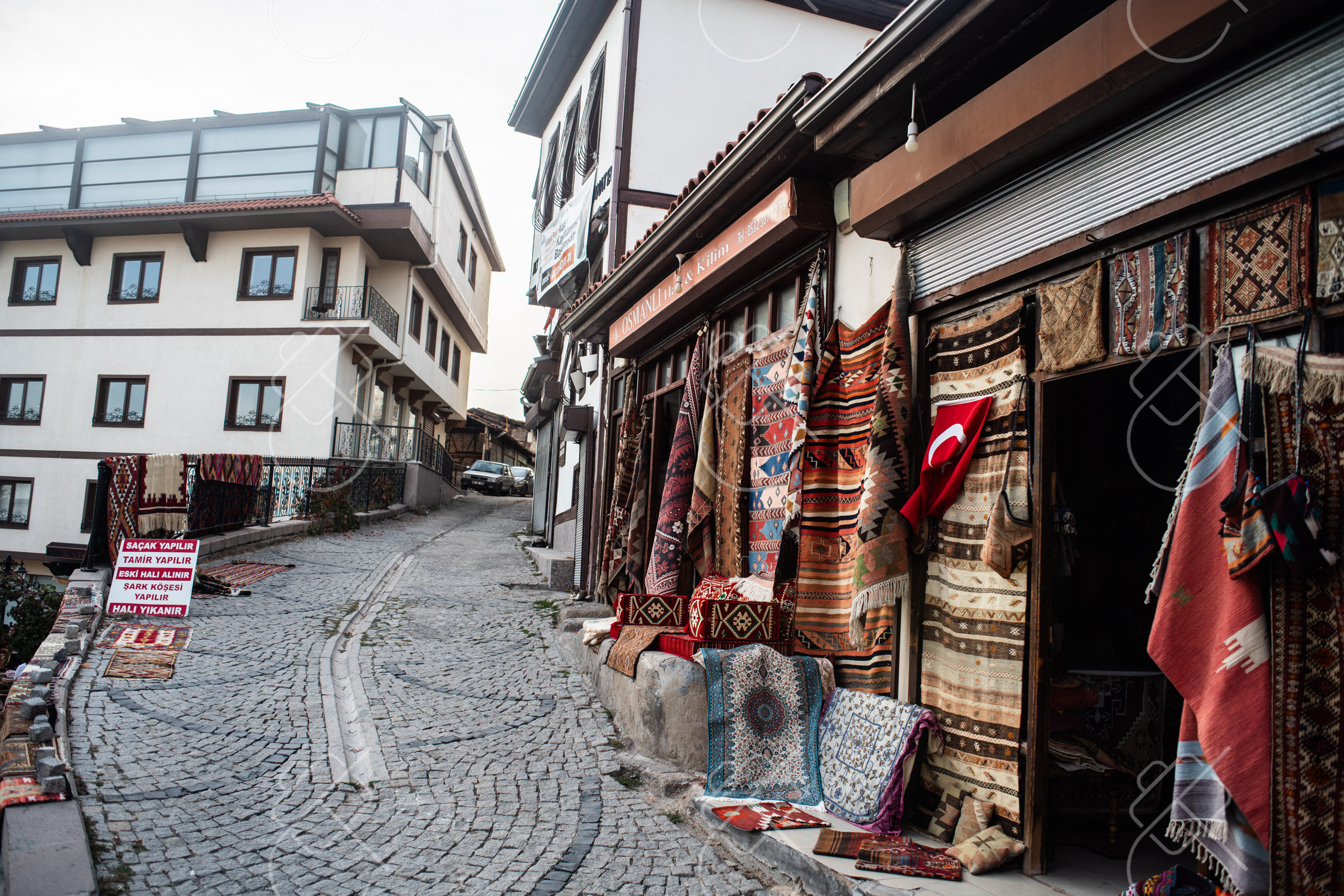
Supermarkets, chain stores and shops with price tags are fixed price. In the Grand Bazaar, the Spice Bazaar and with carpet, leather and souvenir sellers, bargaining is expected: start well below the first figure, stay friendly, and be ready to walk away. Accepting a glass of tea in a shop does not oblige you to buy.
Cards are widely accepted in cities; small market stalls and bakeries prefer cash. Visitors can claim back VAT on bigger purchases, explained in Turkey tax-free shopping.
| English | Turkish | Say it like | When to use it |
|---|---|---|---|
| How much is this? | Bu ne kadar? | boo NEH kah-dar | Anything without a price tag. |
| How much? (casual) | Kaç para? | KAHCH pah-rah | Markets and stalls. |
| That's too expensive | Çok pahalı | chohk pah-hah-LUH | The opening line of any bargain. |
| Is there a discount? | İndirim var mı? | een-dee-REEM var muh | Bazaars, or when buying several items. |
| OK, I'll take it | Tamam, alıyorum | tah-MAHM, ah-luh-YOH-room | Once the price is agreed. |
| Do you accept credit cards? | Kredi kartı geçerli mi? | KREH-dee kar-TUH geh-cher-LEE mee | Before you settle on a price. |
| Cash | Nakit | nah-KEET | Small stalls and bakeries. |
Long-distance buses leave from the otogar, usually on the edge of town, and they are how most of the country travels. Istanbul has two airports, so say which one: İstanbul Havalimanı or Sabiha Gökçen.
| English | Turkish | Say it like | When to use it |
|---|---|---|---|
| Where is...? | ... nerede? | NEH-reh-deh | The place comes first: otogar nerede? |
| Where is the toilet? | Tuvalet nerede? | too-vah-LET NEH-reh-deh | Mosques, cafés, bus stations. |
| Bus station (intercity) | Otogar | oh-toh-GAR | Long-distance buses. |
| Train station | Tren istasyonu | tren ees-tahs-yoh-NOO | High-speed trains to Ankara and Konya. |
| Airport | Havalimanı | hah-vah-lee-mah-NUH | Taxis and airport buses. |
| Left / right / straight on | Sol / sağ / düz | sohl / saa / dewz | Following directions. |
| Take me to this address, please | Beni bu adrese götürün, lütfen | beh-NEE boo ah-dreh-SEH gur-tew-REWN, LEWT-fen | Taxis. Show the address too. |
| Stop here, please | Burada durun, lütfen | BOO-rah-dah doo-ROON, LEWT-fen | Taxis and dolmuş minibuses. |
Turkish numbers are short and regular, which helps in bazaars. Prices are in lira, and bin (thousand) comes up constantly.
| English | Turkish | Say it like | When to use it |
|---|---|---|---|
| 1 | Bir | beer | |
| 2 | İki | ee-KEE | |
| 3 | Üç | ewch | |
| 4 | Dört | durt | |
| 5 | Beş | besh | |
| 6 | Altı | ahl-TUH | |
| 7 | Yedi | yeh-DEE | |
| 8 | Sekiz | seh-KEEZ | |
| 9 | Dokuz | doh-KOOZ | |
| 10 | On | ohn | |
| 100 | Yüz | yewz | |
| 1,000 | Bin | been | Bin lira: a thousand lira. |
Turkey has one emergency number, 112, which covers police, ambulance, fire and the gendarmerie. The old separate numbers were merged into it.
| English | Turkish | Say it like | When to use it |
|---|---|---|---|
| Help! (emergency) | İmdat! | eem-DAHT | Real emergencies only. |
| Help me! | Yardım edin! | yar-DUHM eh-DEEN | Any time you need a hand. |
| Call the police! | Polisi arayın! | poh-lee-SEE ah-rah-YUHN | Then dial 112. |
| I need a doctor | Bir doktora ihtiyacım var | beer dohk-toh-RAH eeh-tee-yah-JUHM var | Pharmacies (eczane), hotels. |
| I'm lost | Kayboldum | kai-bohl-DOOM | Asking for directions. |
| I don't understand | Anlamıyorum | ahn-LAH-muh-yoh-room | Any time. |
| Do you speak English? | İngilizce biliyor musunuz? | een-gee-LEEZ-jeh bee-lee-YOHR moo-soo-nooz | Ask this first. |
| Please speak slowly | Lütfen yavaş konuşun | LEWT-fen yah-VAHSH koh-noo-SHOON | When the answer comes back fast. |
Tea is hospitality. Shopkeepers, carpet sellers and hosts offer çay. Accepting is polite and doesn't commit you to anything.
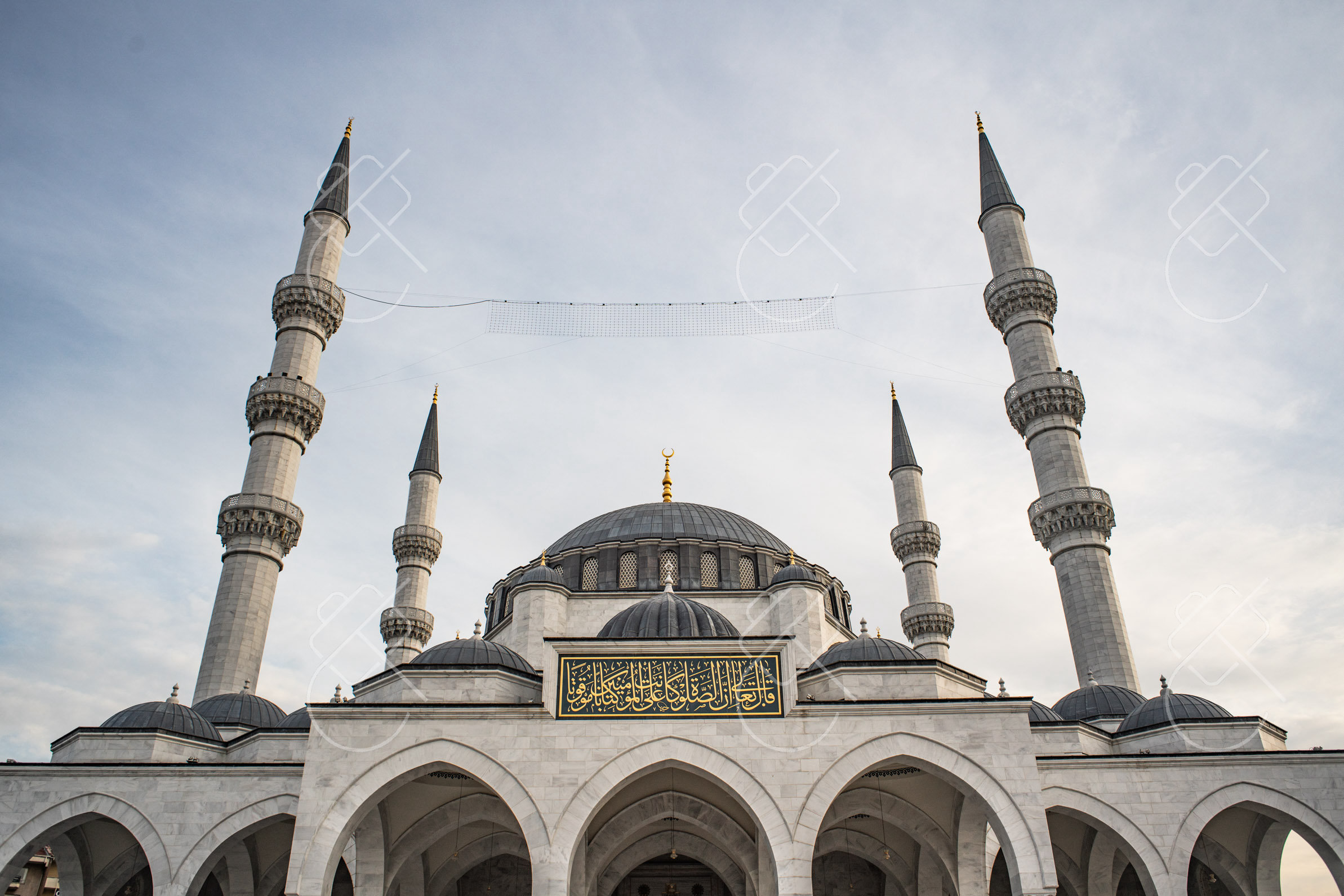
Shoes off indoors. At homes and in mosques, shoes come off at the door. Mosque visits have their own rules; see the mosque dress code in Turkey.
Atatürk and the flag are not joke material. Insulting Atatürk's memory is a criminal offence in Turkey, and the flag is treated with real respect.
Other things people get wrong are in what is considered rude in Turkey.
Teşekkür ederim (teh-shek-KEWR eh-deh-REEM). For a quick everyday thanks, sağ olun. The reply is rica ederim or bir şey değil, you're welcome.
Merhaba (MEHR-hah-bah) works with anyone. Selam is casual, and older men may use selamünaleyküm, which you answer with aleykümselam.
In hotels, shops and restaurants in Istanbul, Cappadocia and the resort coast, yes. Away from tourist areas, on dolmuş minibuses and in local restaurants, English drops off quickly and a few Turkish phrases help a lot.
Only in bazaars and with carpet, leather and souvenir sellers, where it is expected. Shops with price tags, supermarkets and chain stores are fixed price.
112. It covers police, ambulance, fire and the gendarmerie.
Practical travel tips, straight to your inbox. Unsubscribe anytime.
Find a place to stay in Turkey on Trip.com.