 Food & culture
By Clever Tourists · Published
The best souvenirs from Turkey are a new handmade carpet or kilim with a proper receipt, lokum (Turkish delight) from an old confectioner, ground Turkish coffee with a copper cezve to brew it in, red-clay pottery from Avanos in Cappadocia, and a few blue nazar beads. The ones to skip are "antiques" without a museum certificate, which Turkish law does not let you take out, and cheap "Turkish saffron" that is usually safflower. Big purchases from registered shops also qualify for a KDV (VAT) refund at the airport. Below are twelve things worth buying, what to check, where to buy them in Istanbul and Cappadocia, and the export and tax-free rules. Prices are tiers: $ is small change, $$ a considered purchase, $$$ a splurge. For the other 19 countries we cover, see our best souvenirs to buy in 20 countries.
This page contains affiliate links. If you book or buy through them we may earn a commission, at no extra cost to you.
1. A handmade carpet ($$ to $$$). Most carpets sold to visitors are recent, which is what you want. Ask whether it is hand-knotted or machine-made, wool or silk, and where it was made, and get those details written on the receipt. Keep that receipt: it is what you show customs for a new carpet.
2. A kilim ($$). A flat-woven rug, lighter and cheaper than a knotted carpet and easier to fold into a suitcase.
3. A leather jacket ($$ to $$$). One of the purchases where the tax-free paperwork is worth the time. Try it on properly and check the stitching and lining.
4. Lokum (Turkish delight) ($). Rose, double pistachio or pomegranate, sold by weight. Hacı Bekir, which dates its first Istanbul shop to 1777, is the best-known old confectioner; ask for a taste before you buy anywhere.
5. Turkish coffee ($). Finely ground coffee for brewing in a cezve. Kurukahveci Mehmet Efendi has roasted and ground coffee in Eminönü, near the Spice Bazaar, since 1871.
6. A copper cezve ($ to $$). The small long-handled pot Turkish coffee is brewed in, sold in every bazaar.
7. Spices, dried fruit and nuts ($). The Spice Bazaar sells them, and the side streets around it are cheaper. Supermarkets are cheaper again; see what to buy at a grocery store in Turkey.
8. Nazar beads ($). The blue evil-eye charm, sold everywhere and cheap: on keyrings, bracelets and as wall hangings.
9. Avanos pottery ($ to $$). Avanos, on the Kızılırmak ("Red River") in Cappadocia, makes pottery from the river's iron-rich red clay, and dozens of family workshops still work there. Most let you watch, and many let you try the wheel.
10. Painted bowls and tiles ($ to $$). Beautiful, but New York City's health department lists traditional ceramics from Turkey among those that may contain lead. Keep painted pieces for display, not food.
11. A peştemal towel ($). A flat-woven cotton hammam towel that dries fast and packs small.
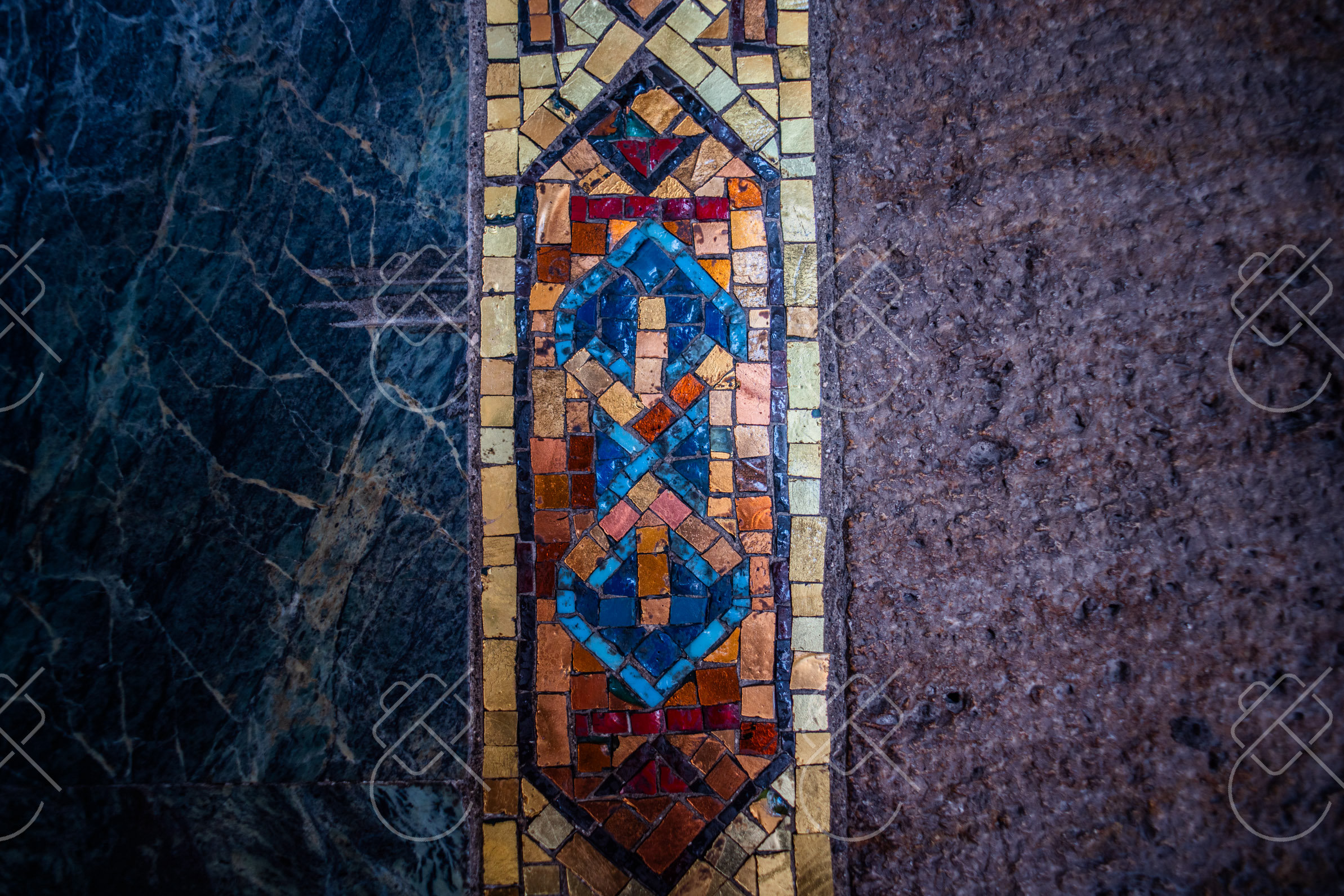
12. A mosaic glass lamp ($$). Coloured glass lamps hang in every bazaar. Check the wiring for your home voltage, or buy it as a candle holder.

Practical travel tips, straight to your inbox. Unsubscribe anytime.
• The Grand Bazaar in Istanbul for carpets, leather, lamps and ceramics. It is closed on Sundays. Haggling is expected; our Istanbul scams guide covers the price traps.
• The Spice Bazaar and Eminönü for lokum, coffee and spices, with lower prices in the surrounding streets.
• Avanos for pottery, a short trip from Göreme. See our Göreme guide and Istanbul and Cappadocia guide.
• Supermarkets for packed lokum, coffee and nuts at local prices.
• Ask "tax free?" before you agree a price at any shop where you will spend a lot. Only registered shops can issue the form.
Antiques without paperwork. Anything sold as an antique (generally over 100 years old) needs a museum certificate confirming it is not protected cultural property, because Turkish law forbids exporting cultural property without permission. A shop selling an old carpet should arrange the certificate; if it will not, do not buy.
Cheap "Turkish saffron". Bazaar stalls sell safflower under that name. It colours food yellow but has almost none of saffron's flavour. Real saffron is expensive by the gram; a big cheap bag is safflower.
Painted ceramics for cooking, because of the lead warning above.
Turkey refunds KDV (VAT) on goods you take home, but only from shops registered with a tax-free operator. Planet, one of the operators, lists a minimum of TRY 1,000 per purchase. Ask for the Tax Free form at the till, keep the goods unused, and show them with the form to customs at the airport before you check your bags. After the operator's commission the refund is much smaller than the VAT rate, so it is worth it for carpets, leather and jewellery rather than small gifts. Full steps in our Turkey tax-free shopping guide.
More planning in tipping in Turkey, what to eat in Istanbul and things to know before visiting Turkey.
Not for a new carpet: keep the shop's receipt. An old carpet sold as an antique, generally over 100 years old, needs a museum certificate showing it is not protected cultural property.
Often not. Cheap "Turkish saffron" in the bazaars is usually safflower, which colours food but has almost none of saffron's flavour.
From an old confectioner such as Hacı Bekir, which dates its first shop to 1777, or in packs from a supermarket. Ask for a taste before buying by weight.
Not reliably. New York City's health department lists traditional ceramics from Turkey among those that may contain lead, so keep painted pieces for display.
Yes, from shops registered with a tax-free operator. Planet lists a minimum of TRY 1,000 per purchase, and the form must be stamped by customs at the airport before you check in your bags.
Practical travel tips, straight to your inbox. Unsubscribe anytime.
Check fares to Turkey for your dates on Kiwi.com.