 Culture & etiquette
By Clever Tourists · Published
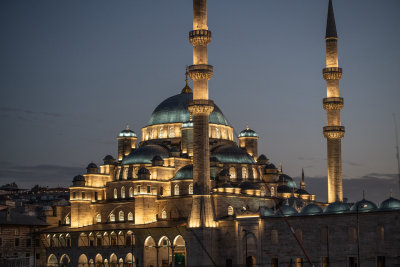
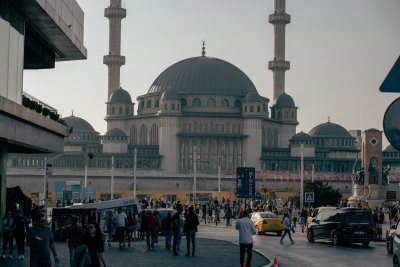
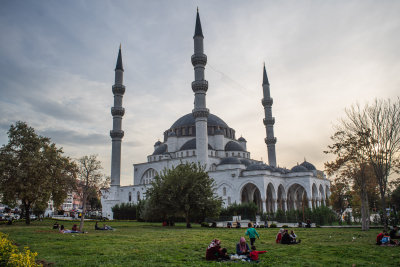
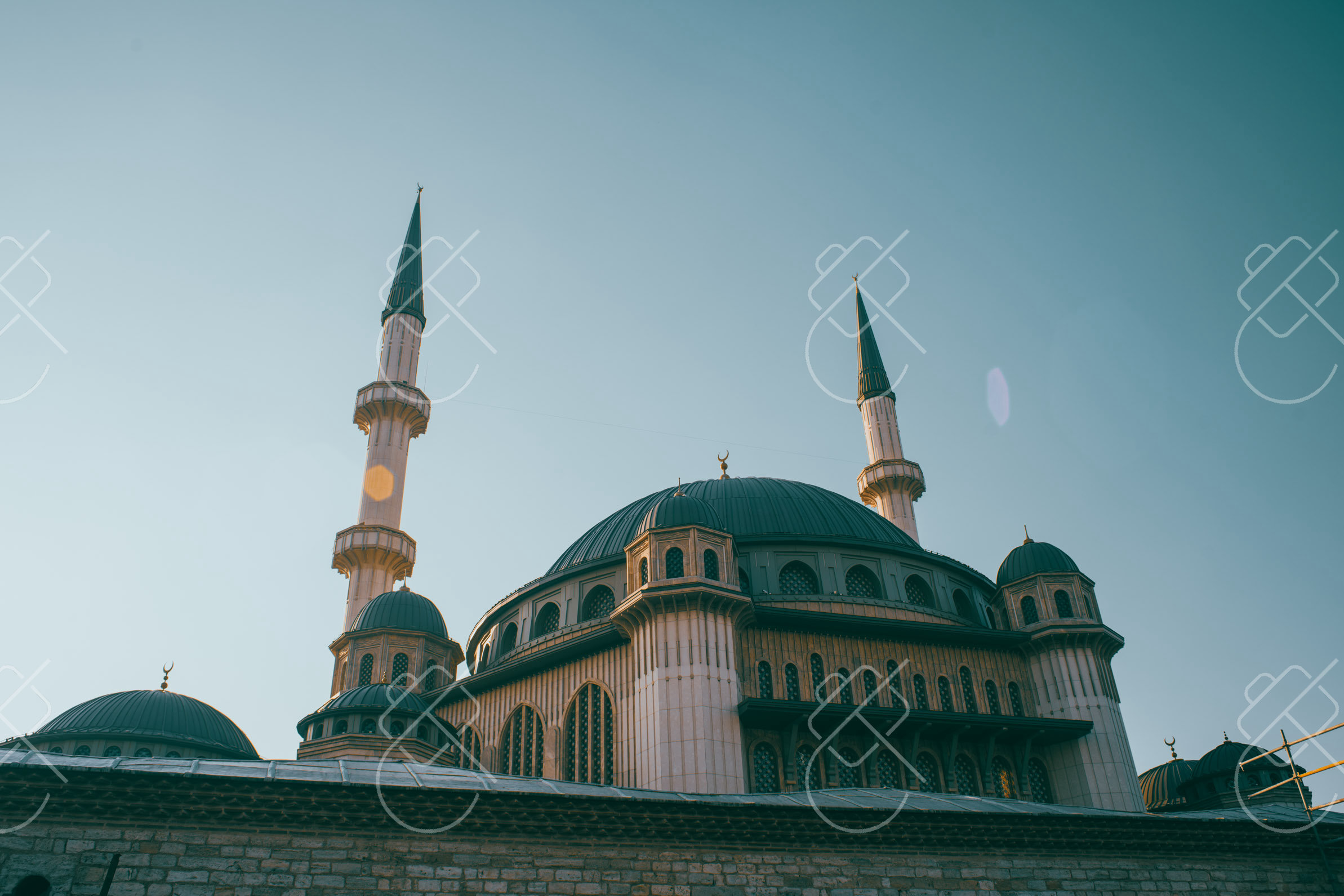
Non-Muslim visitors can enter most mosques in Turkey outside prayer times. Cover your shoulders and knees, women should cover their hair, and take your shoes off before the carpet. This is the big difference from Morocco, where most mosques stay closed to non-Muslims. Turkey's main tourist mosques are free, with Hagia Sophia the expensive exception. These rules come from travel guides and mosque visitor notes, because we could not find one national rule for tourists, so follow the signs at the door. We were in Istanbul from 12 to 27 October 2023 and again in November, with stops in Ankara, Göreme, Pamukkale and Selçuk.
• Women: a headscarf over your hair, shoulders and arms covered, and a skirt or loose trousers past the knee. At least one guide to Süleymaniye asks for legs covered to the ankle, so long is safest.
• Men: shoulders covered and long trousers. Guides disagree on shorts that reach the knee, so do not rely on them.
• Everyone: shoes off before the prayer area. No sleeveless tops, short skirts or tight, revealing clothes.
• Bring: a light scarf and clean socks. A scarf you can also wrap around your legs covers both problems.
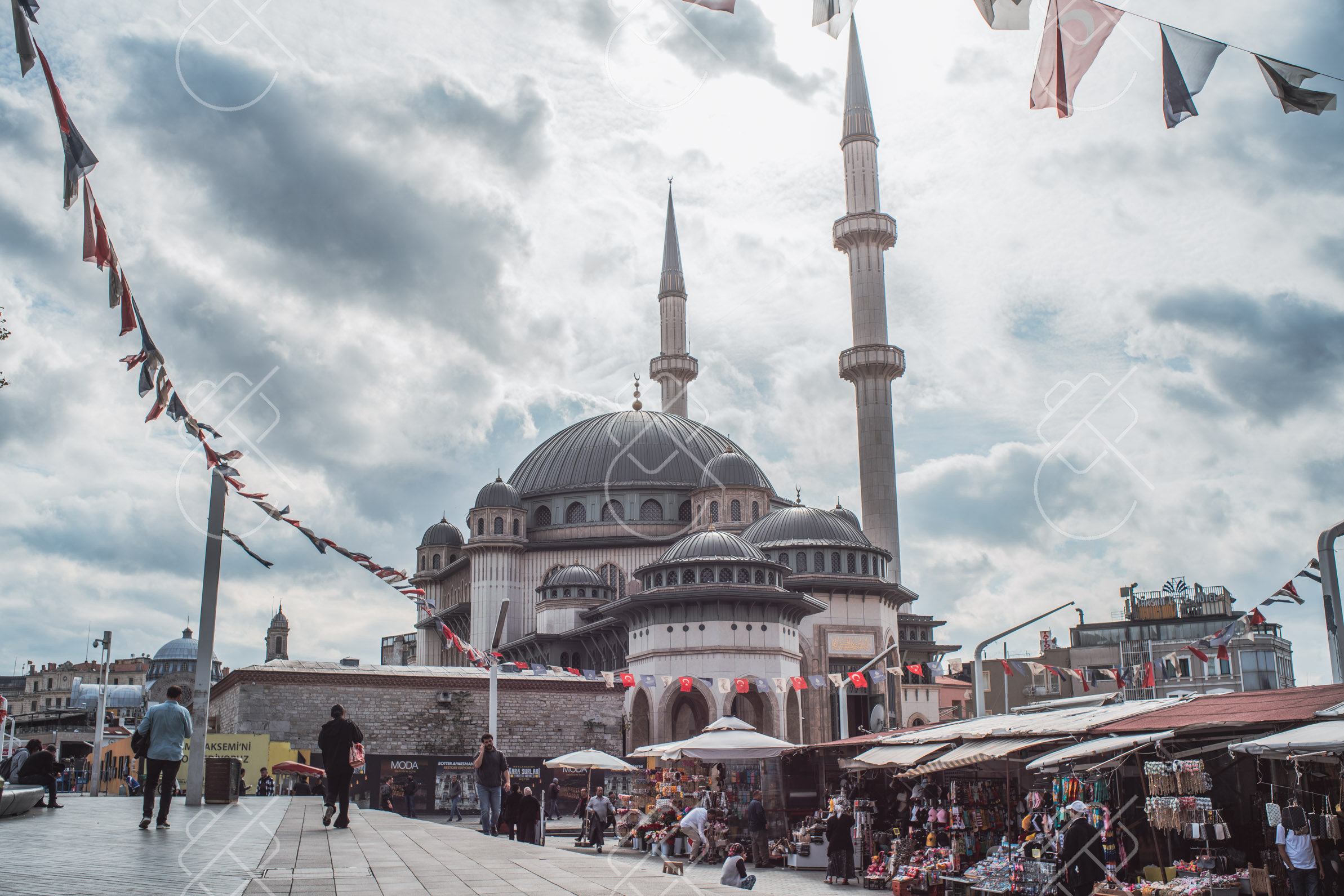
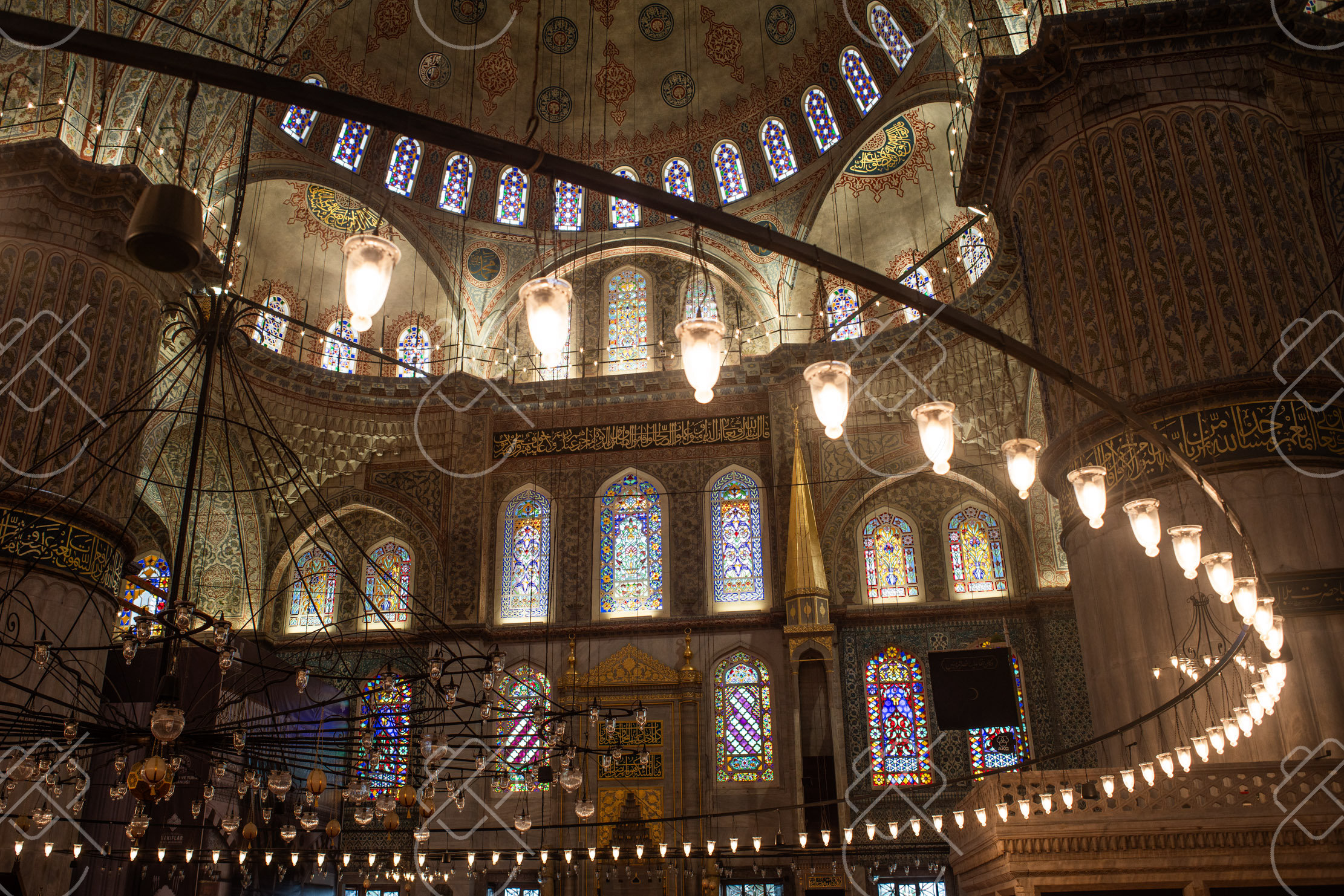
The big tourist mosques are set up for this. Guides report that the Blue Mosque lends women a headscarf and a cloth wrap for short clothing, and that scarves can often be borrowed or bought near Süleymaniye.
Do not count on that elsewhere. Neighbourhood mosques and mosques away from the main tourist routes may have nothing to lend, so carry your own. See the Blue Mosque guide for the door and queue details there.
Mosques in Turkey are working places of worship. Tourist access stops around each of the five daily prayers, and the two big Istanbul mosques close to non-Muslims while prayers are on. Times shift with the sun, so check the times posted at the mosque or online.
Friday midday is the one to avoid. Plan a mosque visit for the morning or mid-afternoon, and avoid arriving just before a prayer call, when you may be turned back at the door. Ramadan changes the rhythm too; see our Ramadan in Istanbul guide.
• Shoes: the Blue Mosque and Süleymaniye provide free plastic bags. Carry your shoes with you rather than leaving them at the door.
• Where to stand: stay in the visitor area, keep your voice down and never walk in front of someone praying.
• Photos: a sign at the Blue Mosque forbids photographing people at prayer. Treat that as the rule everywhere, and skip the flash.
• Food and drink: none inside. One guide says this outright for Süleymaniye.
Entry to the Blue Mosque and Süleymaniye is free. Anyone selling you a ticket for those two is selling a tour.
Hagia Sophia is a working mosque and a paid sight. Since 15 January 2024 foreign visitors have been charged an entrance fee, reported at €25 (≈ $28), and they use a separate route to the upper gallery. The same dress rules apply. Check the current price and route in our Hagia Sophia guide, because reports differ on some details.
Yes, most mosques admit non-Muslim visitors outside prayer times. The main ones in Istanbul close to tourists during prayers.
Yes, women should cover their hair. The big tourist mosques may lend a scarf, but smaller mosques may have nothing to lend, so bring your own.
Plan on long trousers. Some guides allow shorts that cover the knee, while others say no shorts at all.
The Blue Mosque and Süleymaniye are free. Hagia Sophia charges foreign visitors a fee, reported at €25 (≈ $28).
Get our new Turkey guides and practical tips by email: where to stay, what to eat, what things cost and the rules that catch travelers out.
Free. No spam, only new guides and tips.
Search verified local fleets with low security deposits and exact model delivery on Localrent.
Get the best deals on your Turkey flight before fares rise — Kiwi.com.