 Culture & etiquette
By Clever Tourists · Published
The official language is Montenegrin (crnogorski), which is essentially the same language as Serbian, Croatian and Bosnian: speakers of all four understand each other without effort, so anything you learn here works across the region. It is written in both Latin and Cyrillic script; this guide uses Latin, which is what you will see on most menus. On the coast English goes a long way, while in the mountains around Žabljak and Gusinje a few words of Montenegrin help much more.
This page contains affiliate links. If you book or buy through them we may earn a commission, at no extra cost to you.
Montenegrin is read exactly as it is written. č and ć are close to ch, š is sh, ž is the s in measure, đ is close to j, j is y and c is ts. In Cyrillic, zdravo is written Здраво and hvala is Хвала, which is all you need to recognise them on a sign.
Like its neighbours, Montenegrin has a polite you. Use ste forms (Kako ste?) with strangers and older people.
| English | Montenegrin | Say it like | When to use it |
|---|---|---|---|
| Hello | Zdravo | ZDRAH-voh | Neutral hello for most situations. |
| Hi / bye (casual) | Ćao | chow | Friends and younger people. |
| Good day | Dobar dan | DOH-bar dahn | Shops, hotels, anyone older. |
| Good morning | Dobro jutro | DOH-broh YOO-troh | Until mid-morning. |
| Good evening | Dobro veče | DOH-broh VEH-cheh | From dusk onwards. |
| How are you? | Kako ste? / Kako si? | KAH-koh steh / KAH-koh see | Ste with strangers, si with friends. |
| Nice to meet you | Drago mi je | DRAH-goh mee yeh | When you are introduced. |
| Goodbye | Doviđenja | doh-vee-JEH-nyah | Leaving a shop, a café or a taxi. |
| Good night | Laku noć | LAH-koo noch | Last thing at night. |
The main vocabulary difference from Croatian you will hit as a visitor is excuse me: Montenegrins say izvinite, where Croatians say oprostite. Both are understood everywhere.
| English | Montenegrin | Say it like | When to use it |
|---|---|---|---|
| Please | Molim | MOH-leem | Ordering and asking for anything. |
| Thank you | Hvala | HVAH-lah | All the time. |
| Thank you very much | Hvala puno | HVAH-lah POO-noh | When someone has gone out of their way. |
| You're welcome | Nema na čemu | NEH-mah nah CHEH-moo | Replying to thanks. |
| Sorry / excuse me | Izvinite | eez-VEE-nee-teh | Apologising, getting past, getting attention. |
| I'm sorry (sympathy) | Žao mi je | ZHAH-oh mee yeh | When something bad has happened. |
| Yes / No | Da / Ne | dah / neh | Everywhere. |
| No, thank you | Ne, hvala | neh, HVAH-lah | Boat-trip sellers and room touts in Kotor and Budva. |
Lunch and dinner are long and nobody brings the bill until you ask. Many restaurants on the coast add a cover charge; our kuver guide explains what it is.
A host offering home-made rakija is a sign of welcome. The toast is živjeli, with eye contact as you clink.
| English | Montenegrin | Say it like | When to use it |
|---|---|---|---|
| A table for two, please | Sto za dvoje, molim | stoh zah DVOH-yeh, MOH-leem | Arriving at a restaurant. Sto is table here; Croatians say stol. |
| The menu, please | Jelovnik, molim | yeh-LOHV-neek, MOH-leem | When you sit down. |
| This one, please | Ovo, molim | OH-voh, MOH-leem | Pointing at a dish or a cake. |
| It's delicious | Ukusno je | OO-koos-noh yeh | To the waiter or your host. |
| Cheers! | Živjeli! | ZHEE-vyeh-lee | Every toast, rakija included. |
| The bill, please | Račun, molim | RAH-choon, MOH-leem | When you are ready to go. |
| I'm vegetarian | Ja sam vegetarijanac / vegetarijanka | yah sahm veh-geh-tah-ree-YAH-nahts / veh-geh-tah-ree-YAHN-kah | Men say vegetarijanac, women vegetarijanka. |
| I'm allergic to... | Alergičan sam na... / Alergična sam na... | ah-LEHR-gee-chahn sahm nah / ah-LEHR-geech-nah sahm nah | Men use the first form, women the second. |

Practical travel tips, straight to your inbox. Unsubscribe anytime.
Montenegro uses the euro. Shops have fixed prices; at green markets (pijaca) and for souvenirs you can ask for a little off if you buy several things, but this is not a bargaining culture.
Cards are fine in coastal towns. Take cash for mountain guesthouses, village markets and small cafés inland.
| English | Montenegrin | Say it like | When to use it |
|---|---|---|---|
| How much is this? | Koliko košta? | KOH-lee-koh KOHSH-tah | Anything without a price tag. |
| That's too expensive | Skupo je | SKOO-poh yeh | Politely declining. |
| Can it be a bit cheaper? | Može malo jeftinije? | MOH-zheh MAH-loh yehf-TEE-nee-yeh | Markets, or when buying several items. |
| I'll take this | Uzimam ovo | OO-zee-mahm OH-voh | Once you've decided. |
| Do you take cards? | Primate li kartice? | PREE-mah-teh lee KAR-tee-tseh | Before ordering in small places. |
| Cash | Gotovina | goh-toh-VEE-nah | Inland villages and guesthouses. |
Buses link the coast with Podgorica and the mountains; the station is the autobuska stanica. You may hear older locals say đe instead of gdje for where: it is a Montenegrin regional form and means the same thing.
| English | Montenegrin | Say it like | When to use it |
|---|---|---|---|
| Where is...? | Gdje je...? (often said đe je) | gdyeh yeh / jeh yeh | Followed by the place you want. |
| Where is the toilet? | Gdje je WC? | gdyeh yeh VEH-tseh | WC or toalet both work. |
| Bus station | Autobuska stanica | OW-toh-boos-kah STAH-nee-tsah | Intercity buses. |
| Train station | Željeznička stanica | ZHEH-lyez-neech-kah STAH-nee-tsah | The Bar to Podgorica and Belgrade line. |
| Airport | Aerodrom | ah-eh-ROH-drom | Podgorica and Tivat. |
| Left / right / straight on | Lijevo / desno / pravo | LYEH-voh / DEH-snoh / PRAH-voh | Following directions. |
| Take me to this address, please | Odvezite me na ovu adresu, molim | ohd-VEH-zee-teh meh nah OH-voo AH-dreh-soo, MOH-leem | Taxis. Show it on your phone too. |
| Stop here, please | Stanite ovdje, molim | STAH-nee-teh OHV-dyeh, MOH-leem | Taxis and minibuses. |
The only number that differs from Croatian is a thousand: Montenegrins say hiljadu, Croatians tisuću.
| English | Montenegrin | Say it like | When to use it |
|---|---|---|---|
| 1 | Jedan | YEH-dahn | |
| 2 | Dva | dvah | |
| 3 | Tri | tree | |
| 4 | Četiri | CHEH-tee-ree | |
| 5 | Pet | peht | |
| 6 | Šest | shehst | |
| 7 | Sedam | SEH-dahm | |
| 8 | Osam | OH-sahm | |
| 9 | Devet | DEH-veht | |
| 10 | Deset | DEH-seht | |
| 100 | Sto | stoh | Same word as table; context makes it clear. |
| 1,000 | Hiljadu | HEE-lyah-doo |
112 is the general emergency number. The direct lines are 122 police, 123 fire and 124 ambulance. Mountain roads and hiking areas such as Durmitor can be out of signal, so tell someone your route.
| English | Montenegrin | Say it like | When to use it |
|---|---|---|---|
| Help! | Upomoć! | OO-poh-moch | Shout it. |
| Call the police! | Zovite policiju! | ZOH-vee-teh poh-LEE-tsee-yoo | Then dial 112 or 122. |
| I need a doctor | Treba mi doktor | TREH-bah mee DOHK-tor | Pharmacies and reception desks. |
| I'm lost | Izgubio sam se / Izgubila sam se | eez-GOO-bee-oh sahm seh / eez-GOO-bee-lah sahm seh | Men use the first form, women the second. |
| I don't understand | Ne razumijem | neh rah-ZOO-mee-yem | Any time. |
| Do you speak English? | Da li pričate engleski? | dah lee PREE-chah-teh EN-gleh-skee | Ask this first. |
| Please speak slowly | Molim vas, govorite polako | MOH-leem vahs, goh-VOH-ree-teh poh-LAH-koh | When the answer comes back fast. |
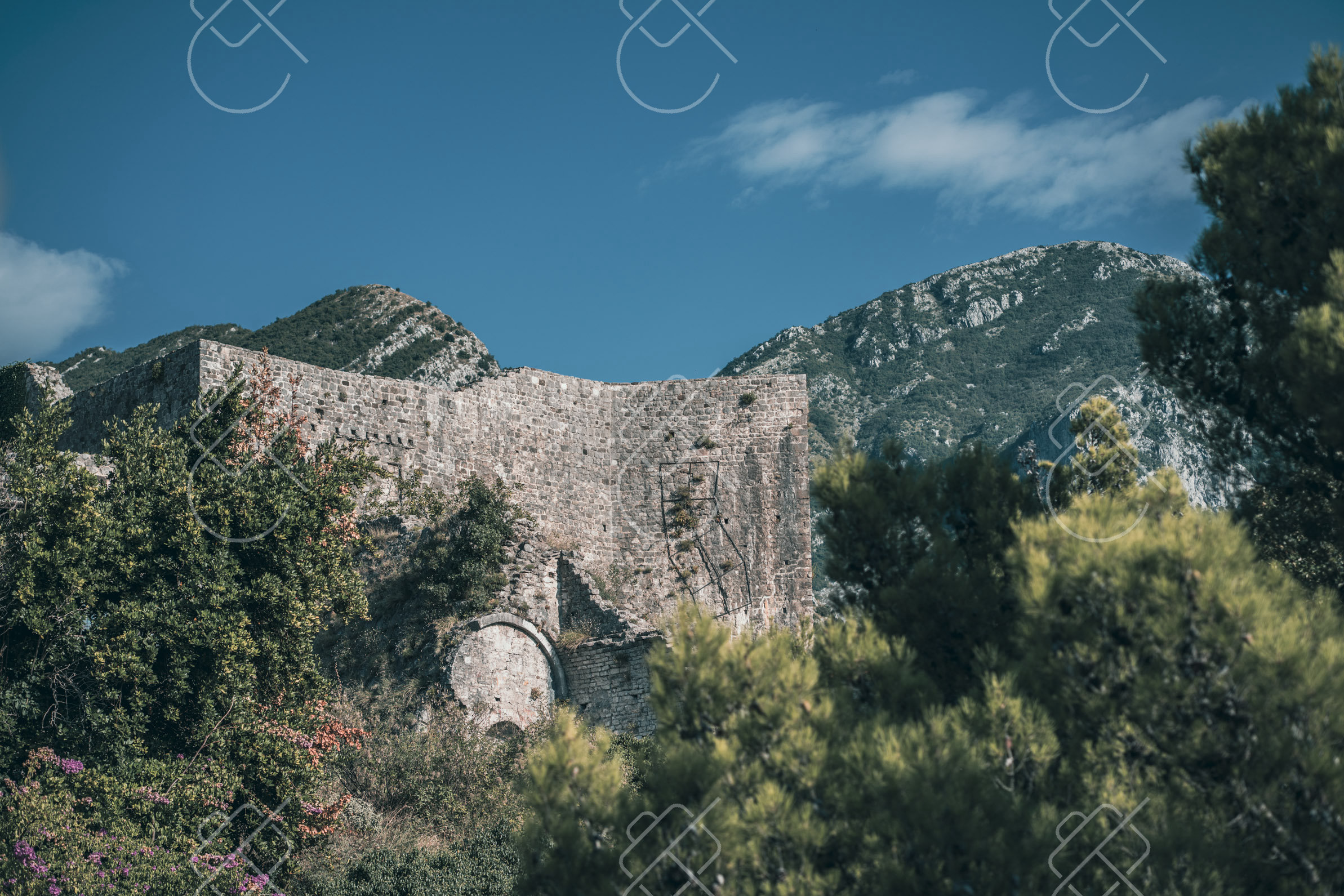
Language is political, so follow the speaker. Some Montenegrins call their language Montenegrin, others call it Serbian. Use whatever word the person you are talking to uses, and never correct them.
Albanian is the local language in Ulcinj. In the far south most people speak Albanian at home, so faleminderit (thank you) lands better there than hvala. Our Albanian phrases guide covers it.
Say yes to coffee. Being offered coffee or rakija in a guesthouse or a home is normal hospitality. Accepting at least one is polite; sitting for a while is expected.
Dress for churches and monasteries. Ostrog and the Orthodox churches expect covered shoulders and knees. See Orthodox church dress code in Montenegro.
More practical detail is in things to know before visiting Montenegro.
Very close. Montenegrin, Serbian, Croatian and Bosnian are mutually intelligible, with small differences in vocabulary and spelling. Phrases from this guide will be understood across all four countries.
Both are official. Most menus and tourist signs use Latin script, and you will also see Cyrillic on churches, some signs and newspapers.
Hvala (HVAH-lah), or hvala puno for thank you very much. The reply is nema na čemu, you're welcome.
On the coast, in Kotor, Budva and Podgorica, yes, especially among younger people and anyone in tourism. In mountain villages a few words of Montenegrin are much more useful.
112 for any emergency. The direct lines are 122 for police, 123 for fire and 124 for an ambulance.
Practical travel tips, straight to your inbox. Unsubscribe anytime.
Check how busy Montenegro hotels are for your dates on Trip.com.