 Where to stay
By Clever Tourists · Published
Split your nights: Seogwipo for the south coast, Jeju City for the airport and the north. Jeju is about 70 km across with Hallasan in the middle, so one base means long rides to half the island, especially by bus. Seogwipo puts Jeongbang Falls, the Olle trails and the Maeil Olle Market on foot; Jeju City has the airport, the most bus connections and the widest choice of hotels. If you drive, a night or two on the east coast near Seongsan or on the west coast near Aewol adds sunrise starts and quiet beaches. We did exactly this split in June 2023: 4 days in Seogwipo (22 to 26 June) and 2 in Jeju City (26 to 28 June), between Busan and Gyeongju. Our Seogwipo guide covers the town.
This page contains affiliate links. If you book or buy through them we may earn a commission, at no extra cost to you.
• First visit, 4 nights or more: 2 to 3 nights in Seogwipo, 1 to 2 in Jeju City.
• Short trip, 2 to 3 nights, no car: Jeju City, for the airport and the express buses.
• Walkers and food lovers: Seogwipo town center, near the harbor and the Olle market.
• Resort hotels and families: the Jungmun resort area west of Seogwipo.
• Sunrise at Seongsan Ilchulbong: a night in Seongsan, on the east coast.
• Driving, cafes and beaches: the west coast around Aewol and Hyeopjae.
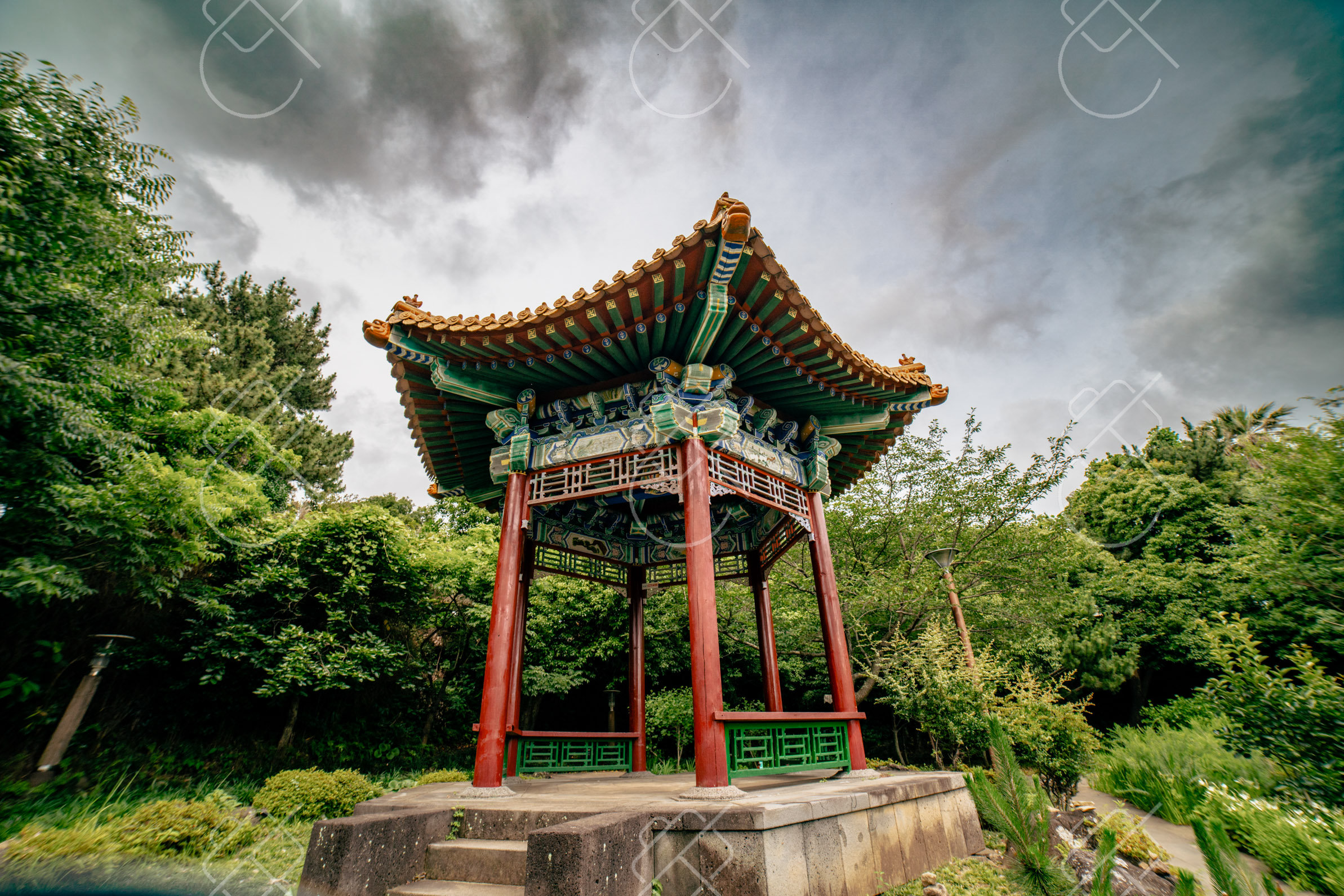
What it's like: a harbor town on the warm, sun-facing south side of the island, the center of Korea's citrus growing. Jeongbang Falls drops about 23 metres off a basalt cliff straight into the sea, Cheonjiyeon falls is close by, and the Olle trail runs along the volcanic sea cliffs on either side of town. Seogwipo Maeil Olle Market, a covered street of seafood, hallabong and street food, is both a dinner stop and an Olle course start.
Who it suits: almost everyone on a first visit, and walkers in particular. Our Seogwipo guide recommends basing yourself in the town center near the harbor and the market for walking access to the falls and the coastal trail. Olle route 7 west past Oedolgae rock starts from here.
Downside: the airport is on the other side of Hallasan. From Jeju International Airport, limousine buses 800 and 800-1 run more directly to central Seogwipo, and the express buses 181 and 182 link Jeju City and Seogwipo around the mountain.
What it's like: the purpose-built resort area west of Seogwipo, with the island's big hotels, beaches and the Jusangjeolli basalt columns nearby. Airport limousine bus 600 runs to the Jungmun resort hotels and on to Seogwipo.
Who it suits: families, couples on a resort break, and anyone who wants a pool and sea views more than a town on the doorstep.
Downside: it is a resort, not a town. For the market and the harbor you go into Seogwipo, and without a car you depend on taxis or buses for most meals out of the hotel.

Practical travel tips, straight to your inbox. Unsubscribe anytime.
What it's like: the island's main city on the north coast, where nearly every visitor arrives by air or sea. The older center has Dongmun Market and the Tapdong seafront, with hotels a short walk from the market; the newer district, often called Shin Jeju, sits closer to the airport with larger hotels and restaurant streets.
Who it suits: short trips, first and last nights, travelers without a car, and anyone who wants nightlife. It has the most bus connections, and coastal bus 201 runs east past Hamdeok beach and the Seongsan area. Our Jeju without a car guide explains the routes.
Downside: it is a working city, and the south coast and waterfalls are on the far side of Hallasan. Use it for the start or end of a stay, not all of it.
East coast, Seongsan: Seongsan Ilchulbong, the tuff cone rising from the sea, opens before dawn in summer for the sunrise and costs 5,000 won; it closes on the first Monday of each month. A night nearby saves a very early ride, and the ferry to Udo leaves from Seongsan Port. Our Jeju highlights guide covers the east side.
West coast, Aewol and Hyeopjae: a coast of cafes, beaches and the cliff path at Songaksan, the side that is easiest by car or day tour. Pensions and small hotels are spread along the shore rather than in one town.
Downside of both: buses are slow and gaps between them can be long, so these bases work best with a rental car. Without one, stay in Seogwipo and Jeju City and visit the coasts on day trips.

Transit cards. Jeju's route buses went cashless on 1 October 2024, so bring a T-money or other Korean transit card before you board; our T-money guide explains where to buy one.
Seasons. Spring and autumn are the easiest for the coast and the trails. Summer is the rainy season, with heavier falls and grey skies, and the summer holidays fill the resort hotels.
Hallasan. The summit trails, Seongpanak and Gwaneumsa, need a free reservation on the national park site; Yeongsil and Eorimok do not. Book your summit date first and your hotel around it, ideally mid-stay so you have a weather backup.
Four days covers Jeju: one east, one south, one west and one for Hallasan. Five or six suits travelers without a car, which is why we had six. Our how many days in Jeju guide has the day-by-day plan.
Most visitors fly in; from Busan, see our Busan to Jeju ferry vs flight guide and where to stay in Busan. Our 32-day South Korea route shows where Jeju fitted in the loop.
Seogwipo for the south coast, waterfalls and Olle trails; Jeju City for the airport, the most bus connections and nightlife. On a stay of four nights or more, split your nights between both, as we did.
Seogwipo town center and Jeju City. Express buses 181 and 182 link them around Hallasan, and buses are cashless, so carry a T-money card.
A night in Seongsan on the east coast. The cone opens before dawn in summer, costs 5,000 won, and closes on the first Monday of each month.
Yes for resort hotels, pools and families. Airport limousine bus 600 serves it, but for the market and harbor you go into Seogwipo.
Four, split between Seogwipo and Jeju City. We spent 6 days on Jeju in June 2023: 4 in Seogwipo and 2 in Jeju City.

Practical travel tips, straight to your inbox. Unsubscribe anytime.
Check South Korea hotel prices for your dates on Trip.com.