Home
About us
Destinations & Country Guides
Travel Guides
Recipes
Featured
Photos As Art
Abstract Prints
Locations
Travel Gear
Travel Resources
Favorites
Photo Framer
Explore Photos
Contact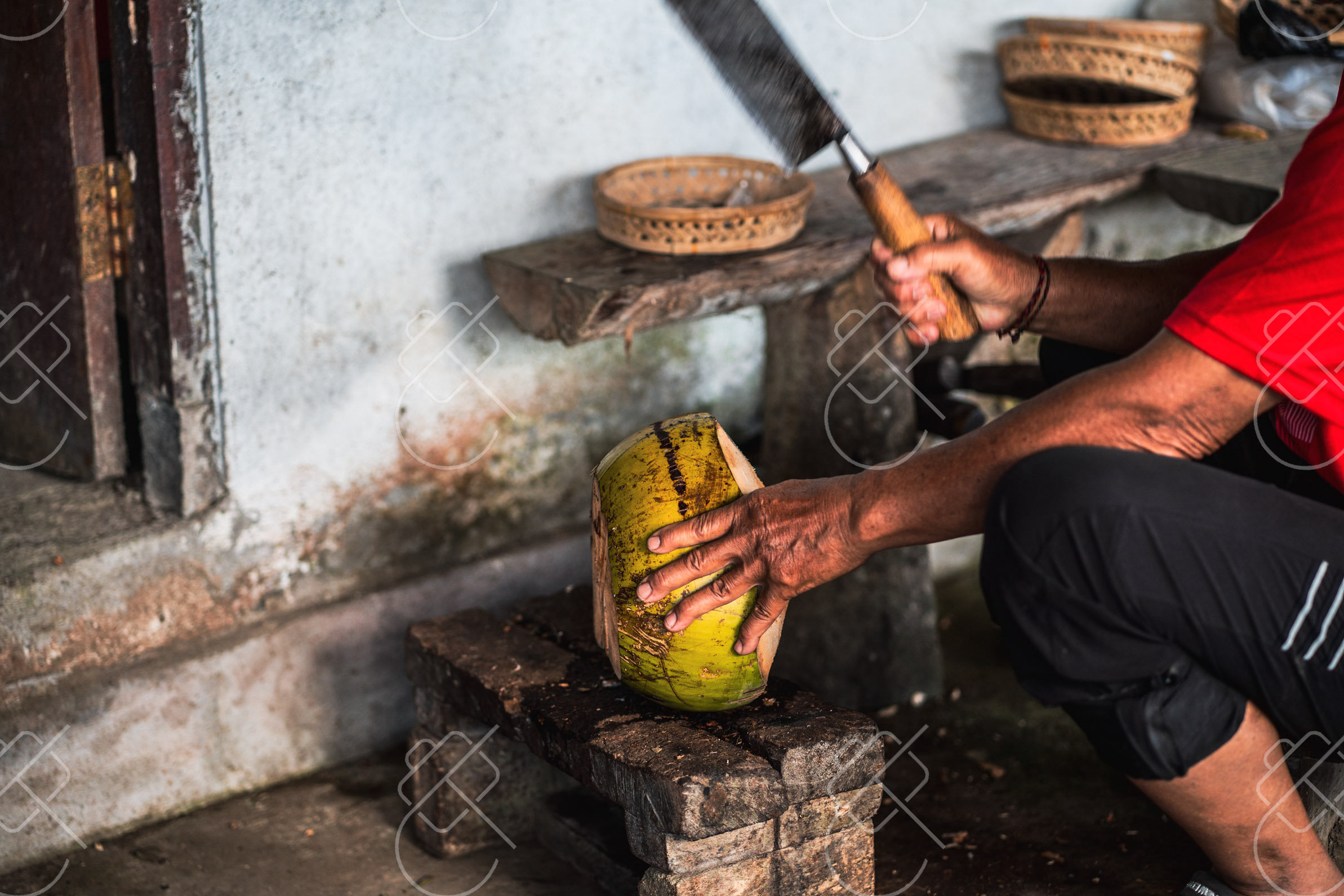 Etiquette & culture
By Clever Tourists · Published
Bali is Hindu while most of Indonesia is Muslim, so the etiquette divides cleanly: the right-hand rule and head/feet rules are universal, while the offerings on the pavement are Balinese and specific. Stepping on a canang sari is the mistake visitors make most, and it is the one that actually causes offence.
Give, receive and eat with your right hand. The left is considered unclean. This is the most consistently applied rule in the country.
Do not hand something to someone with your left hand, and do not gesture at a person with it.
Do not touch food with your left hand when eating with your hands.
Those small woven trays with flowers, incense and food are canang sari, placed daily as offerings. They are not litter, and they are not for you.
Do not step on one. Walk around. They are on pavements, doorsteps, dashboards, shop counters and even the beach.
Do not pick one up or move it to get past. Step over carefully if there is no other way, and never kick one aside.
New offerings go out in the morning and the old ones are cleared by the household, not by passers-by.
Do not touch anyone's head, adult or child.
Do not point with a finger. Use the thumb with fingers folded, or an open hand, with a slight nod of the head to indicate direction — the thumb-point is genuinely the local gesture.
Do not point your feet at a person or at a shrine, and do not put your feet up on a table.

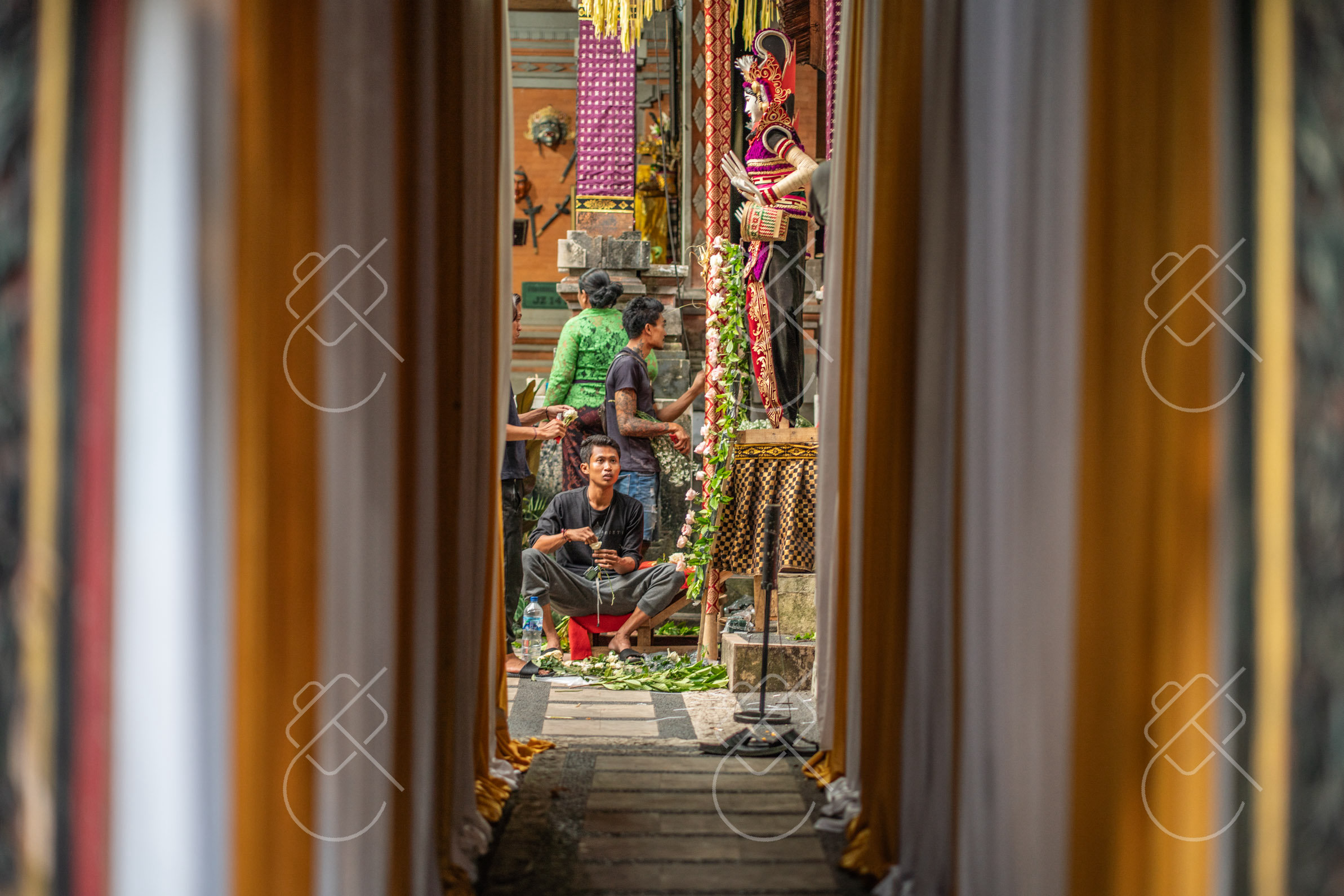
Dress covers shoulders and knees at temples, for men and women. A sarong and sash are usually provided or rented at the entrance; being turned away underdressed happens at the major temples.
Do not enter a temple during a ceremony unless it is clearly open to visitors, and never walk in front of someone praying.
Women should not enter a temple during menstruation — this is a genuine Balinese prohibition, not a tourism myth, and it is stated on signage at many temples.
Do not stand above a priest or sit higher than a shrine.
Our Bali temple etiquette guide covers the sarong and sash rules in full, and temple dress code for Vietnam and Bali covers clothing.
Public displays of affection are more restrained than in Europe, and doing so in front of a temple is a real offence.
Do not lose your temper. As across the region, visible anger causes loss of face.
Don't photograph people praying, and ask before photographing anyone close up.
Tipping is normal in tourist areas and expected in some contexts — see tipping in Bali and Indonesia.
They are canang sari, daily Hindu offerings, not litter. Walk around them; stepping on one causes genuine offence.
Yes — give, receive and eat with the right hand. The left is considered unclean, and it is the most consistently applied rule in the country.
No. This is a genuine Balinese prohibition rather than a tourism myth, and it is stated on signage at many temples.
Not with a finger. Use your thumb with the fingers folded, or an open hand with a slight nod.
Get our new Indonesia guides and practical tips by email: where to stay, what to eat, what things cost and the rules that catch travelers out.
Free. No spam, only new guides and tips.
Search verified local fleets with low security deposits and exact model delivery on Localrent.
See the best deals on Indonesia hotels right now on Booking.com.