

Home
About us
Destinations & Country Guides
Travel Guides
Recipes
Featured
Photos As Art
Abstract Prints
Locations
Travel Gear
Travel Resources
Favorites
Photo Framer
Explore Photos
ContactTen days in Bali should not mean ten days in traffic between viral stops. This route uses four bases with distinct landscapes: Ubud for culture and food, Munduk for highland air and waterfalls, Sidemen for rice terraces and village life, and Seminyak for a final coast night near the airport. The order creates a natural arc from busy center to quiet mountains, through the eastern valleys, and back to the sea.
Tap any photo to open it full-screen and order a print.
Spend three nights in Ubud, two in Munduk, three in Sidemen, and two in Seminyak. Hire point-to-point drivers for the long transfers and turn one or two of those travel days into sightseeing days along the route. Do not plan around optimistic map times: congestion, ceremonies, weather, and narrow roads can change a short distance into a substantial journey.
The drier months make transfers and walking easier, but Bali is tropical and rain can arrive in any season. The wetter months bring saturated fields and fewer visitors, with a higher risk of heavy afternoon downpours.
Lower humidity and more reliable road and walking conditions suit a multi-base trip. July and August bring the greatest accommodation pressure.
Landscapes are intensely green and showers can be brief or prolonged. Keep transfer days simple and carry rain protection for electronics.
Ubud · 3 nights — The strongest introduction to temples, food, galleries, performance, and central Bali's river landscape.
Sidemen · 3 nights — The slowest and most restorative section, with rice fields, village roads, and Mount Agung views when clear.
Munduk · 2 nights — Cooler highlands, waterfalls, lakes, and a useful contrast with southern Bali.
Seminyak · 2 nights — A convenient coastal finish for restaurants, sunset, shopping, and airport access.
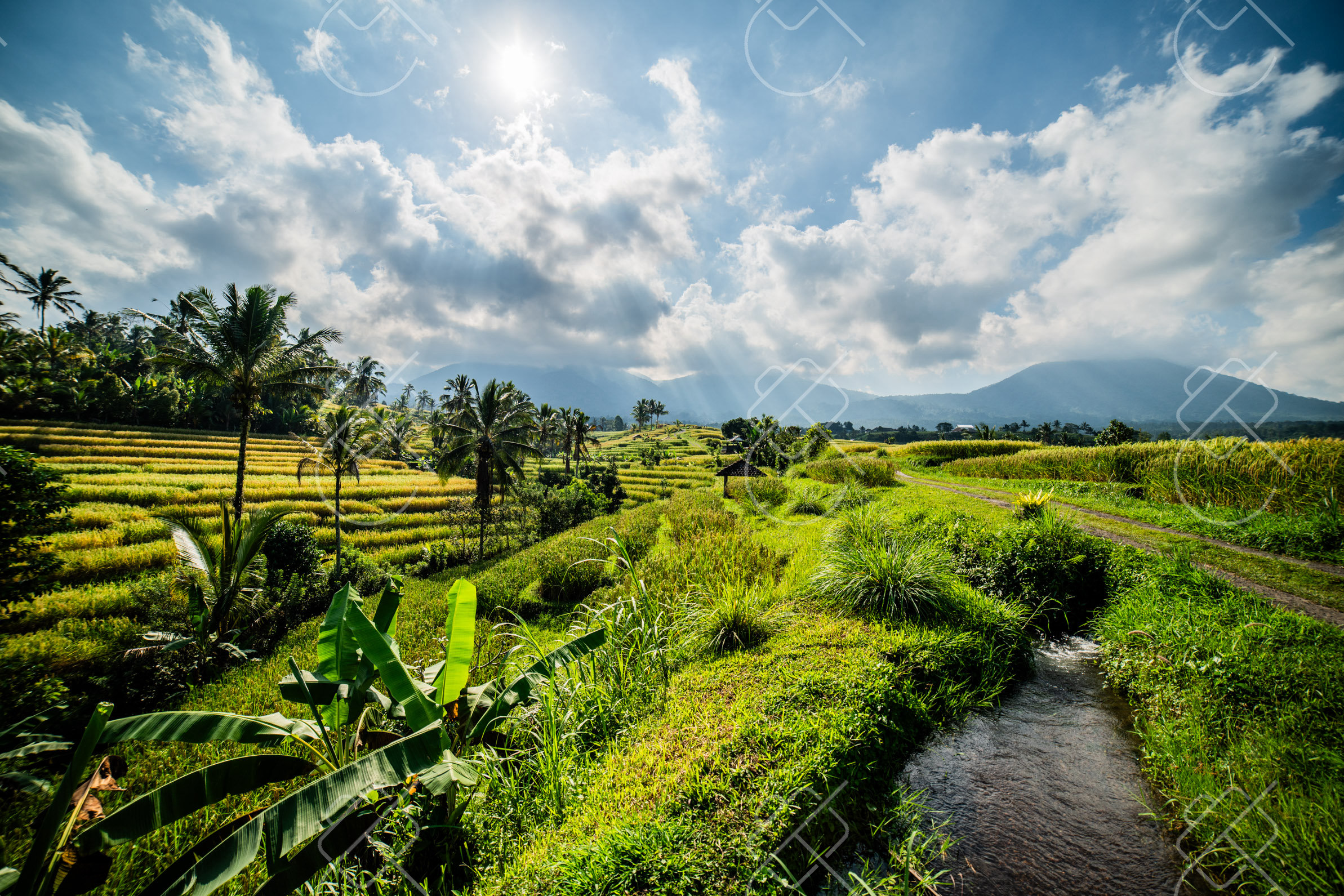
Ubud is busy because it concentrates much of what first-time visitors want from Bali: temples, dance, art, cafes, river valleys, and access to the island's center. The answer is not to skip it, but to stay close enough to walk and use early mornings before traffic and tour arrivals build.
Use the first full day for central Ubud, the palace area, a museum, and an evening performance. On the second, choose a compact countryside loop rather than chasing sites on opposite sides of town. Rice-field walks are strongest early, when heat and scooter traffic are lower.
Temple clothing and behavior matter. Carry a sarong when one is not provided, follow local signage, and never position a photograph above participation in an active ceremony.
Walk at first light, move indoors through midday, and reserve evening for food or performance.
Central Ubud works without a scooter; Penestanan and the edges are quieter but require more transport planning.
Try nasi campur, babi guling if you eat pork, satay lilit, and modern Balinese tasting menus alongside simple warungs.
Choose accommodation by walking route, not straight-line distance. A property that looks close can sit beyond a road with no comfortable pedestrian edge.
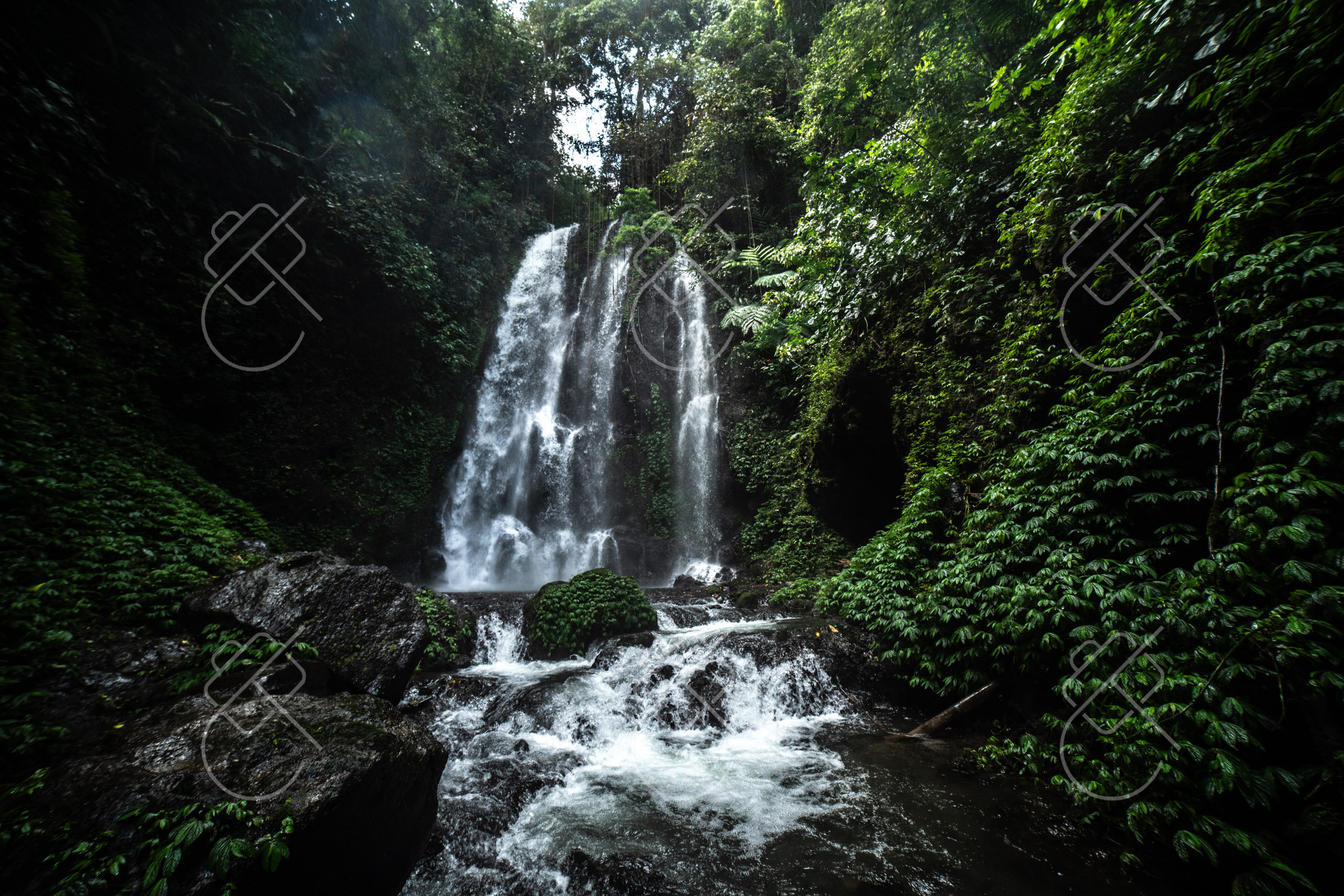
Munduk replaces Ubud's density with cooler air, steep roads, clove and coffee country, waterfalls, and cloud moving across the hills. Two nights allow one full walking day without turning the long transfer into a rushed stop.
Arrange a local guide or clear route for a waterfall walk, because trail access and conditions vary. Shoes with grip matter more than a polished outfit; paths become slick quickly after rain.
Use the transfer north to visit one or two places genuinely on the route, such as a temple or lake viewpoint. Reject a driver's long menu of detours if it would deliver you after dark.
Start waterfall walks early. Morning often brings clearer visibility and leaves weather margin.
Stay near Munduk village for walking access or choose a valley retreat if you are comfortable relying on arranged transport.
Eat at family-run guesthouses and small warungs; menus are simpler than Ubud, which is part of the appeal.
Carry a light layer and waterproof camera protection. Munduk can be cool and wet while the coast remains hot.
Bali feels larger when measured in transfer time than it looks on a map.
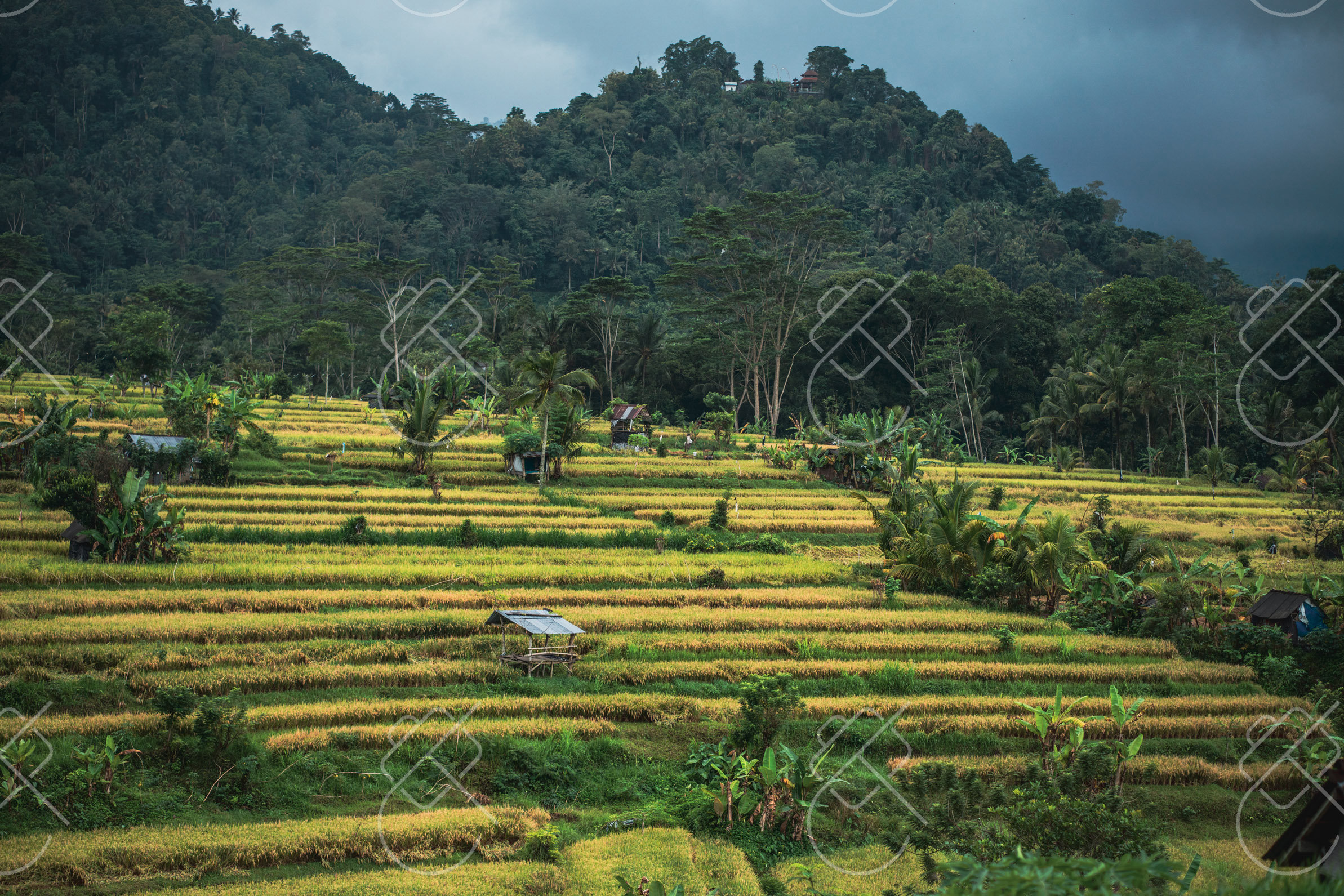
Sidemen is where the itinerary stops performing. Roads pass rice terraces, irrigation channels, temples, textile workshops, and family compounds beneath Mount Agung. The essential activity is a guided village walk that explains the agricultural and religious landscape instead of using it as a backdrop.
Stay three nights because weather controls the mountain view and because the first afternoon often disappears into the transfer. Use one morning for a local walk and another for a nearby temple, workshop, or simply the property and surrounding lanes.
Sidemen is quiet, not undiscovered. Tourism supports many households, but fields and paths remain working spaces. Ask before entering land, photographing people, or flying a drone, and follow local restrictions.
Dawn offers the best chance of a clear Mount Agung. Walk before heat builds and keep afternoons loose.
Choose the view and walking access you want, then verify whether restaurants are reachable without a scooter.
Guesthouses and small local restaurants serve Balinese standards; order ahead when kitchens are small.
Bring cash and confirm transport before dinner or an early departure. Ride-hailing coverage is less dependable than in the south.

Seminyak is deliberately last. After the highlands and Sidemen, it offers restaurants, shopping, a broad beach, and a shorter airport transfer. Two nights provide one complete coast day without letting southern Bali dominate the itinerary.
Walk the beach in the morning or near sunset and use the middle of the day for a long lunch, shops, or the pool. Traffic can make a restaurant on the other side of the neighborhood feel much farther than expected.
If nightlife and beach clubs are not your interest, keep the stay simple. The coast is a decompression stop, not proof that every famous venue must be visited.
Early morning and sunset are the useful outdoor windows. Build airport time around real traffic, not the distance alone.
Choose southern Seminyak for easier access toward the airport or farther north for a slightly quieter beach base.
Seminyak ranges from local warungs to polished international restaurants. Reserve only the one meal that matters most.
Stay on the side of the main road that best matches the beach and restaurants you plan to use; repeated crossings cost time.
The route improves when each base is allowed to be a place, not a platform for distant day trips.
A loose, walkable route — bend it to your pace and the light.
Transfer directly to Ubud and keep the evening local. Pay Bali's official visitor levy through the authorized system and retain the QR receipt.
Explore central Ubud, a museum, and an evening performance. Use the second day for one rice walk or a geographically sensible temple-and-countryside loop.
Tip: A shorter list completed early will feel more like Bali than a full day sitting in traffic.
Turn the northbound transfer into a selective sightseeing day with no more than two route-adjacent stops. Reach Munduk before dark.
Walk a locally recommended waterfall route in the morning, then leave the afternoon for weather, rest, and the highland landscape.
Expect this to be a real transfer day. Stop for lunch and one meaningful place rather than arriving exhausted after a chain of roadside attractions.
Take a guided village walk early on the first morning. Use the next day for a workshop, nearby temple, or entirely unscheduled time around the valley.
Tip: Check Mount Agung immediately after waking; the clearest view may last only minutes.
Travel south, check in, and walk the beach near sunset. Avoid committing to a timed activity after the drive.
Use the beach early, keep the final hours flexible, and leave a generous traffic buffer for the airport. Add another Seminyak night if the flight leaves early the following morning.
Add two or three nights in the Amed area for snorkeling and an eastern-coast contrast, or extend Sidemen rather than adding another one-night base. With fewer than ten days, remove Munduk instead of compressing every stop.
Explore regional routes with verified local fleets, zero hidden charges, and transparent insurance on Localrent.
Get the best deals on a hotel in Bali before you book elsewhere — Booking.com.
Transit cards, local customs, visa rules, and practical travel guides for this region.
What to Eat in Indonesia: 8 Dishes and Where They Come From →
Get our new Bali guides and practical tips by email: where to stay, what to eat, what things cost and the rules that catch travelers out.
Free. No spam, only new guides and tips.
See every destination we've photographed:
Browse all destinationsCurious about the gear behind these photos? See the gear list.