Home
About us
Destinations & Country Guides
Travel Guides
Recipes
Featured
Photos As Art
Abstract Prints
Locations
Travel Gear
Travel Resources
Favorites
Photo Framer
Explore Photos
Contact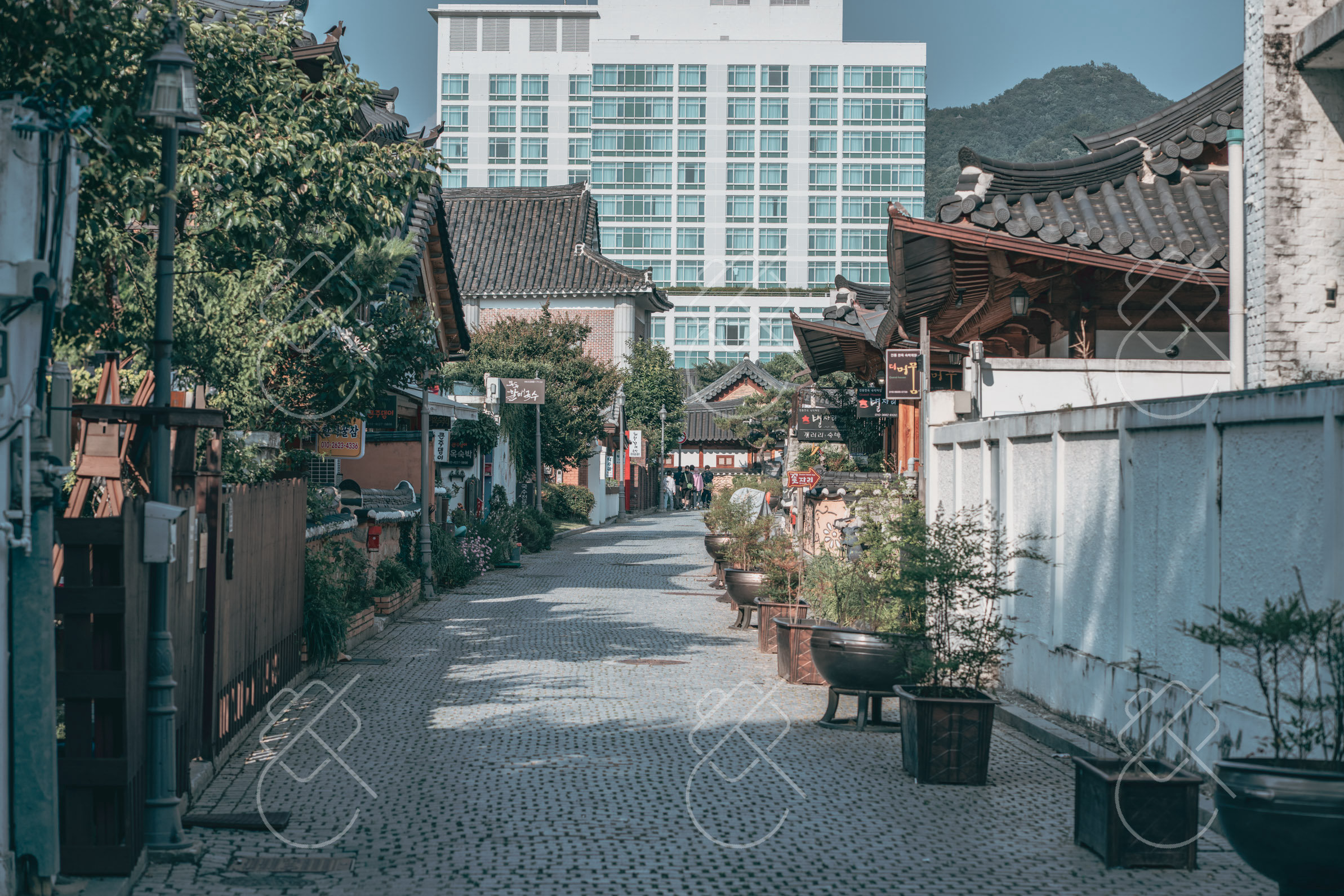 Attractions & day trips
By Clever Tourists · Published
Jeonju Hanok Village is 1 hour 40 minutes to 1 hour 50 minutes from Seoul by KTX for about 31,600 won one way, or 2 hours 40 minutes by express bus. The village has over 800 traditional hanok houses and is free to walk. It is doable as a day trip but better as an overnight — staying in a hanok guesthouse and eating dinner in the village is the whole point. We spent three nights here in June 2023.
KTX: trains leave mainly from Yongsan Station (subway Line 4), occasionally Seoul Station, to Jeonju Station, in 1 hour 40 to 50 minutes for around 31,600 won. Book on the official Let's Korail site; third-party resellers add markup and occasionally sell tickets that cause problems at the gate.
Express bus: from Central City Terminal (Express Bus Terminal station) to Jeonju Express Bus Terminal, about 2 hours 40 minutes, and cheaper. The fallback when KTX seats sell out, which happens at weekends and holidays.
From Jeonju Station to the village: a 15-minute taxi for around 7,000 to 10,000 won, or local buses including 79, 81 and 515 which drop you near the entrance.
A day trip is feasible — leave Seoul early, return in the evening — but you will spend five hours travelling and see the village in the busiest hours. One night is much better value for the effort.
• Gyeonggijeon Shrine: built in 1410, housing the portrait of King Taejo, founder of the Joseon dynasty. Bamboo groves and quiet courtyards away from the main food streets. Free admission in hanbok.
• Omokdae Pavilion: a short uphill walk for the panoramic view over the sea of dark tiled roofs. This is the photograph.
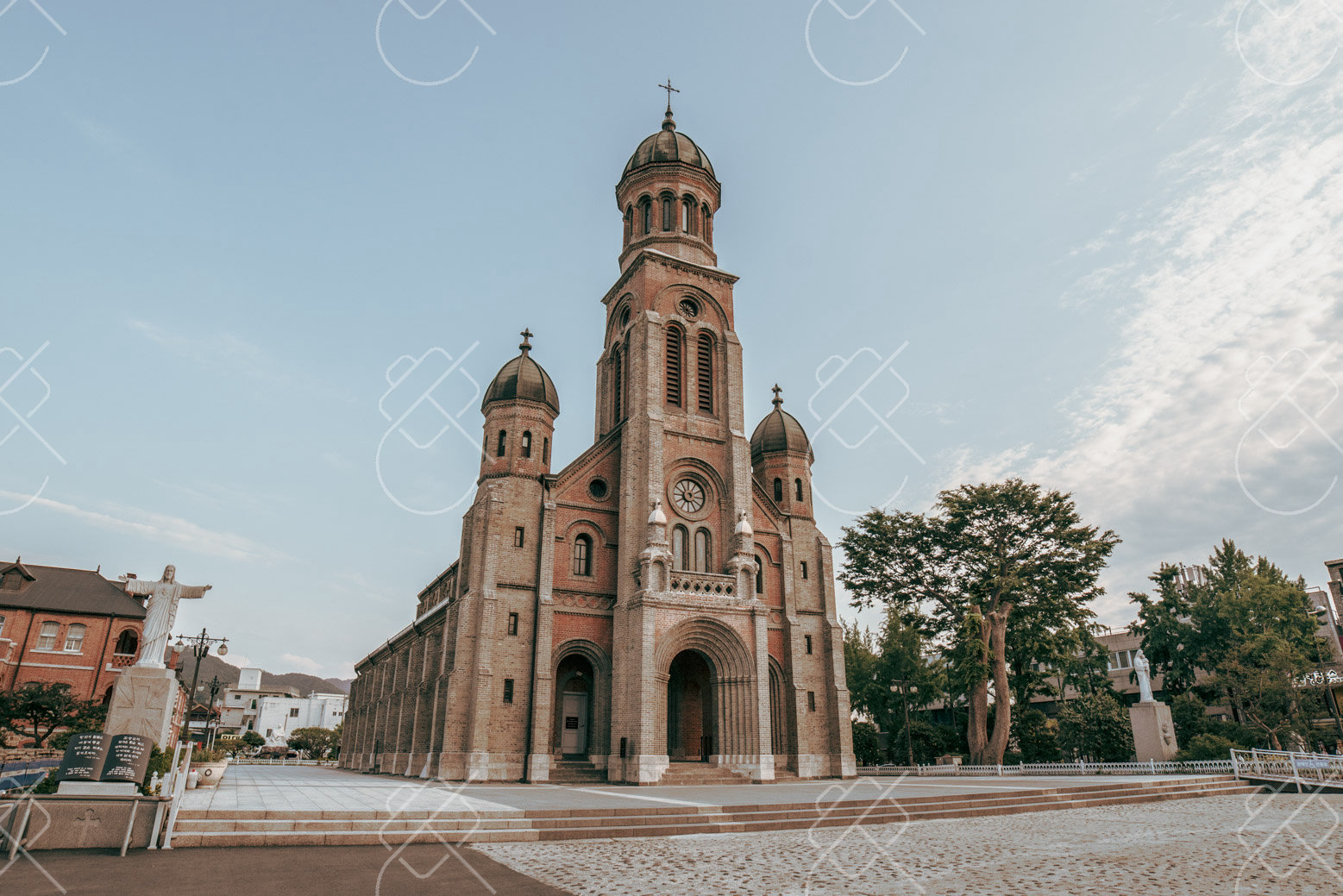
• Jeondong Catholic Church: a red-brick Romanesque cathedral built in 1914 on the site of martyrdom, and the most photographed Western building in the village.
• Craft workshops: hanji paper, traditional fans, pottery. The Jeonju Craft Exhibition Hall is the organised version.
The village is genuinely large and the lanes between the main streets are where it is quiet. Get off the central food street and walk.
Jeonju is arguably the best place in Korea to wear hanbok, because the entire setting is hanok rather than a single palace. Dozens of rental shops line the alleys, and packages from one hour to a full day include the outfit, hair styling, accessories and a small bag.
The practical benefit: many sites in the village give free admission in hanbok, including Gyeonggijeon. Premium and royal hanbok with gold foil cost more than the standard package.
Book or arrive early. The good shops run out of the popular sizes by mid-morning at weekends.
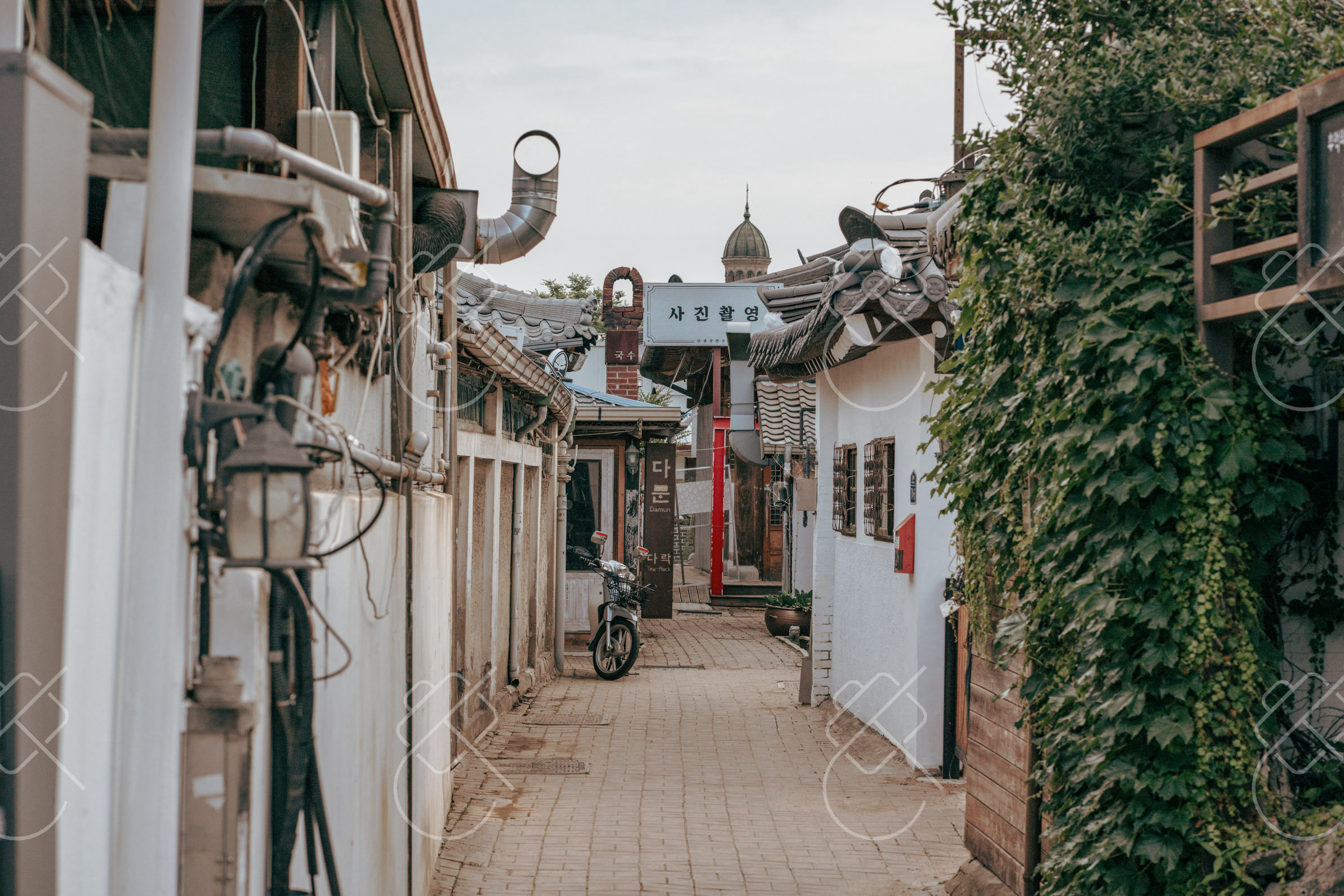
Jeonju is recognised as Korea's culinary capital, and it takes this seriously.
• Jeonju bibimbap: the original style, served in a hot brass bowl with local vegetables and egg. Different from the version you get elsewhere, and better.
• Street food: pultteok (chocolate-filled pastry), munkochi (skewered meat dumplings) and handmade dumplings along the main lanes.
• Makgeolli: the traditional rice wine, served by the kettle in the makgeolli alleys with an expansive spread of side dishes. This is the evening plan.
• Hanok stay: sleeping on a floor mattress over heated ondol floors in a restored hanok guesthouse. Book ahead; the good ones are small.
Practical note: Jeonju is a domestic tourism destination, and the village is busy at weekends with Korean families and school groups. A weekday visit is a different experience.
KTX from Yongsan Station to Jeonju in 1h40-1h50 for about 31,600 won, then a 15-minute taxi to the village. Or an express bus from Central City Terminal in 2h40.
Yes, the village is free to walk. Some sites inside, like Gyeonggijeon Shrine, charge admission but are free if you are wearing hanbok.
Yes, but it is five hours of travel and you see the village at its busiest. One night in a hanok guesthouse is a much better use of the trip.
Jeonju bibimbap in a hot brass bowl, street food like pultteok and munkochi, and makgeolli served by the kettle in the village's makgeolli alleys.
Get our new South Korea guides and practical tips by email: where to stay, what to eat, what things cost and the rules that catch travelers out.
Free. No spam, only new guides and tips.
Entry rules change, and they depend on your nationality — always confirm the current requirements on the official government site before you book or apply. Only use official government (.gov) portals; ignore look-alike agency sites.
Search verified local fleets with low security deposits and exact model delivery on Localrent.
Compare stays in South Korea and get the best deals on Booking.com.