Home
About us
Destinations & Country Guides
Travel Guides
Recipes
Featured
Photos As Art
Abstract Prints
Locations
Travel Gear
Travel Resources
Favorites
Photo Framer
Explore Photos
Contact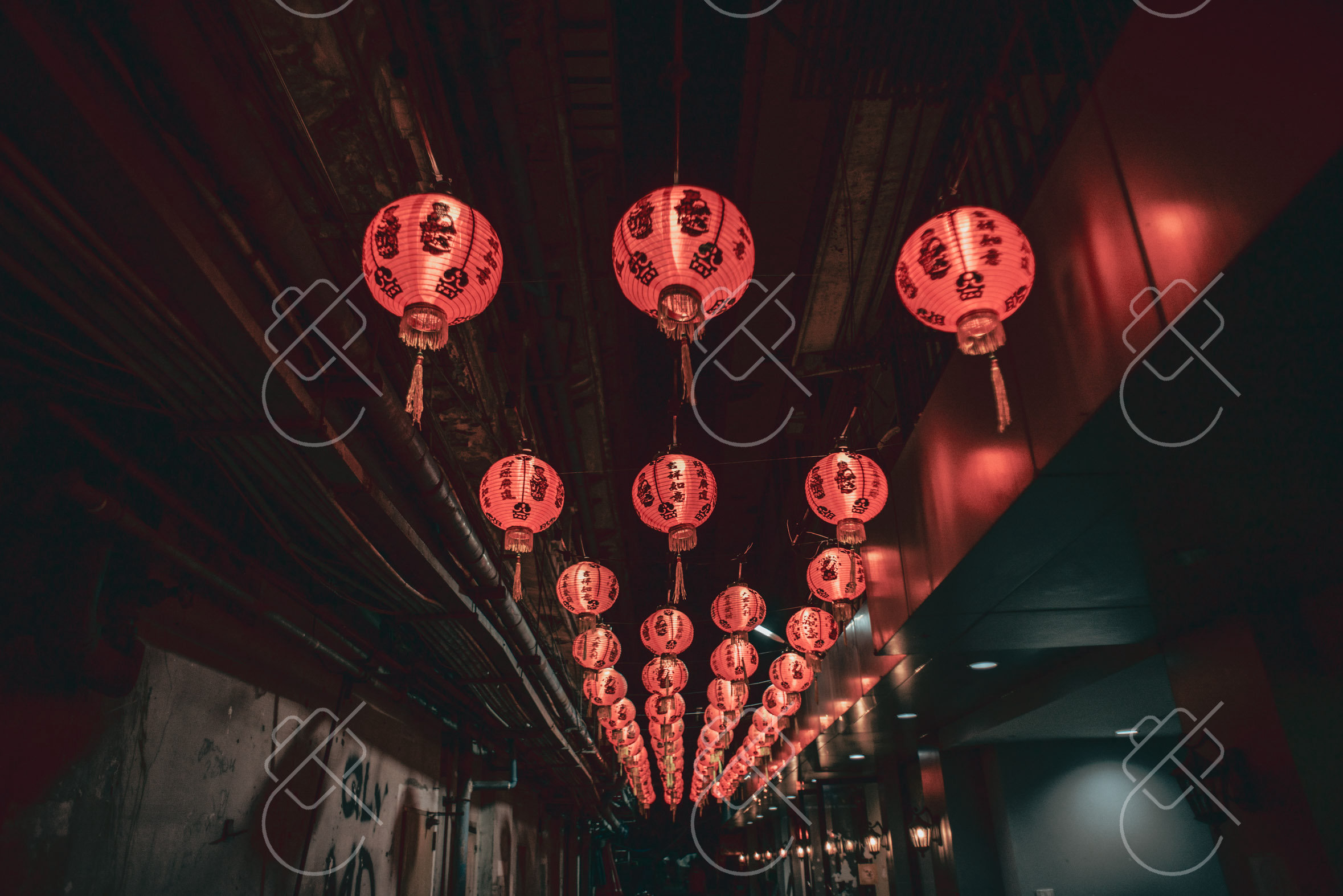 Seasonal travel
By Clever Tourists · Published · Last updated
Chinese New Year 2027 falls on Saturday 6 February, the start of the Year of the Goat. In Bangkok the place to see it is Yaowarat Road, Chinatown, with red lanterns, lion dances, temple offerings and food stalls, centred on the eve (Friday 5 February) and the first day. It is not a Thai public holiday, so transport, banks and offices run normally. One thing to know before booking: the main Yaowarat street festival is not guaranteed. It was cancelled in 2026 because it fell within the mourning period for Queen Sirikit, and as of late October 2026 the 2027 programme had not been announced. We spent 10 days in Bangkok across December 2022 and January 2023, not over Chinese New Year, so the details below come from the Tourism Authority of Thailand (TAT), Thai government news and other published sources.
Thai-Chinese families mark the festival over three named days, as Thai PBS describes them:
• Wan Jai (shopping day), Thursday 4 February 2027: buying offerings, food, paper money and new clothes. Yaowarat's shops and markets are at their busiest.
• Wan Wai (worship day), Friday 5 February: New Year's Eve. Families make offerings to the gods and ancestors at home and at shrines, and burn paper offerings. Temples such as Wat Mangkon are packed.
• Wan Tiew (outing day), Saturday 6 February: New Year's Day itself, for visiting family and going out.
The festival season runs to the Lantern Festival on Saturday 20 February 2027. Straight after that comes Makha Bucha on Sunday 21 February, with Monday 22 February as the substitute holiday, according to Time Out Bangkok's 2027 holiday list (published 23 September 2026). That list does not include Chinese New Year as a national holiday.
If you are comparing destinations for the holiday, our Lunar New Year 2027 guide covers closures across Asia, and our 2027 festival calendar lists every country's dates.
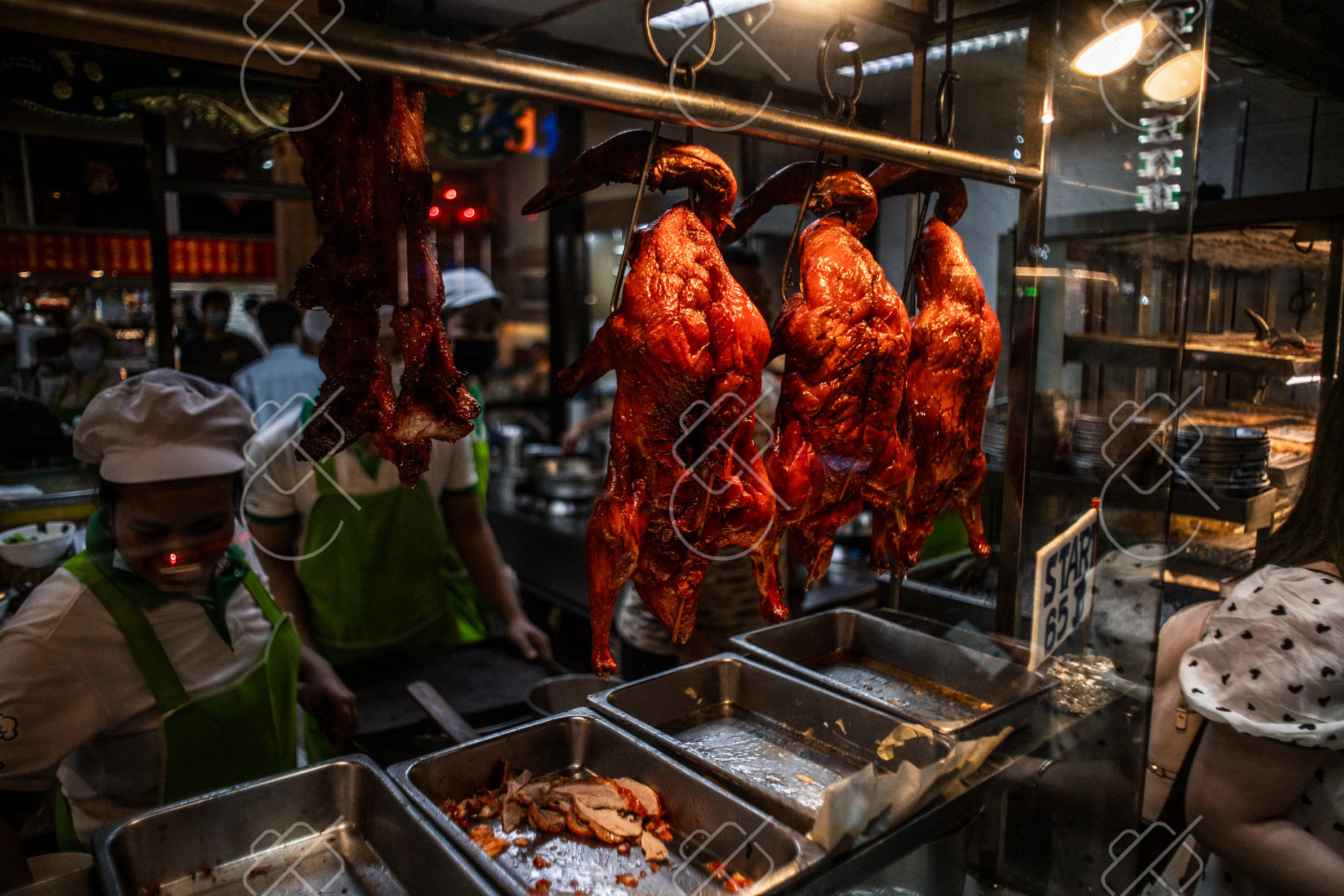
In a normal year, Yaowarat is decorated from Odeon Circle, with the Chinatown Gate, along the road, the street closes to traffic for the main festival days and becomes a pedestrian street of stages, lion and dragon dances and food. TAT describes Yaowarat as the heart of Thailand's Chinese New Year, with red lanterns and banners, dim sum, roast duck and nian gao (sticky rice cake) at the stalls, and a parade with lion and dragon dances to the sound of drums, gongs and cymbals.
Recent years show how much it varies:
• 2025: TAT's lighting ceremony at the Chinatown Gate on 19 January opened festivities that ran to 9 February, marking 50 years of Thai-Chinese diplomatic ties.
• 2026: the Yaowarat Chinese New Year organising committee cancelled the festival planned for 17 and 18 February because it fell within the official mourning period for Her Majesty Queen Sirikit The Queen Mother, as reported by Thailand's National News Bureau. TAT still lit Yaowarat from Odeon Circle to the Chaloem Buri intersection from 7 February to 1 March, and moved its main Bangkok programme to Siam Paragon.
• Earlier cancellations: 2017 (mourning for King Bhumibol) and 2021 and 2022 (Covid).
The government's one-year mourning period for civil servants began on 25 October 2025, so it should have ended before February 2027, but that is our reading of the dates, not an announcement. Watch TAT News and the Bangkok Metropolitan Administration from December for the 2027 programme and any road closures.
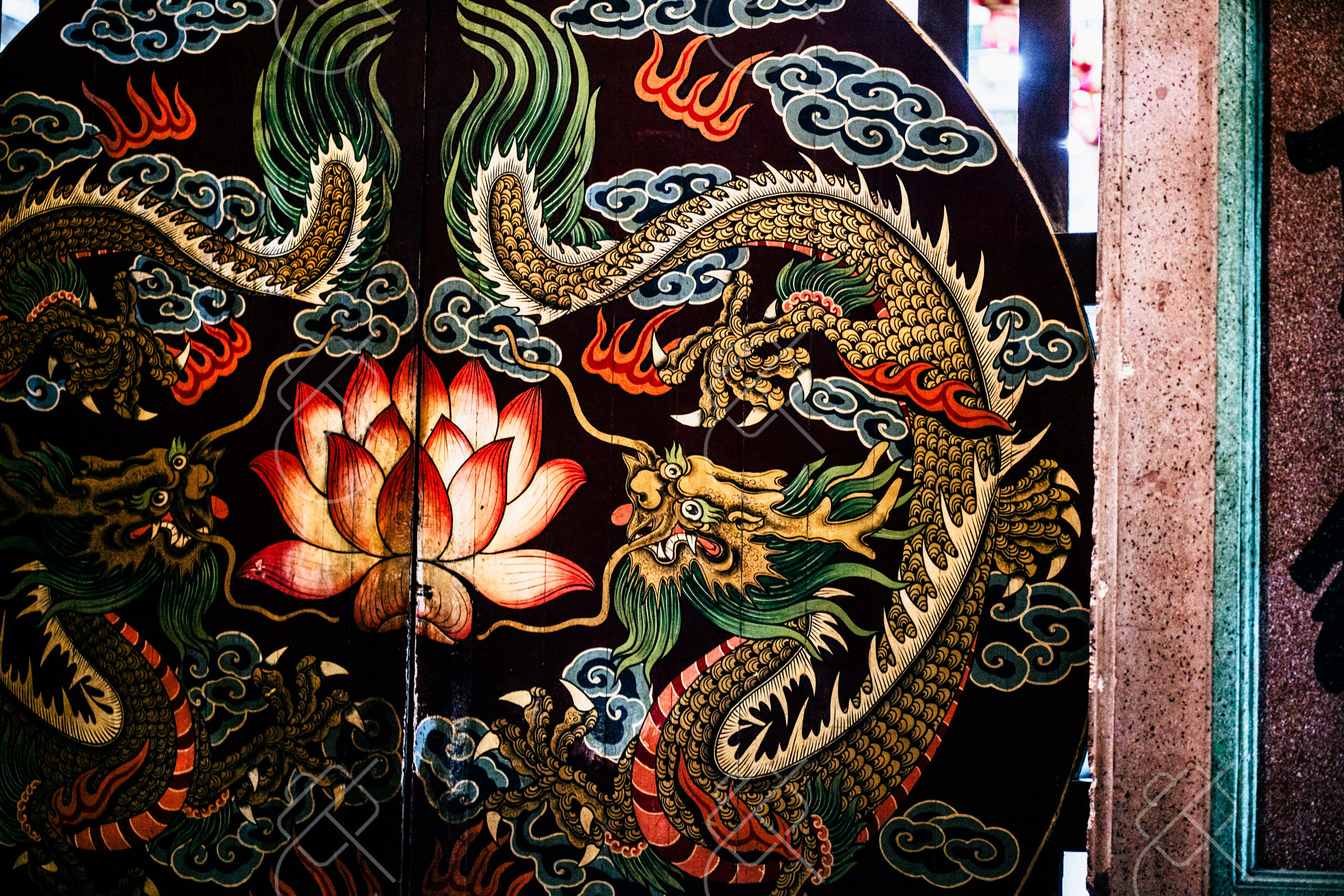
Wat Mangkon Kamalawat (Wat Leng Noei Yi) on Charoen Krung Road is Bangkok's best-known Chinese Buddhist temple and the focus of New Year worship in Chinatown. The Bangkok Post describes it as one of the most visited temples in the country, drawing Thais of Chinese descent for New Year merit-making. MRT Wat Mangkon station is on the doorstep; the forecourt and pavement outside are crowded with stalls and parked cars even on ordinary days.
Etiquette for visitors:
• Dress: shoulders and knees covered, as at any Thai temple. Our Thailand temple dress code has the details.
• Incense and offerings: the courtyard fills with incense smoke and paper offerings are burned in the furnaces. Hold incense upright, keep clear of people's faces with it, and do not put anything in the furnaces yourself unless you are taking part.
• Prayer: do not stand directly in front of people kneeling at the altars to take photos, and keep your voice down inside the halls.
• Timing: the eve (Wan Wai, 5 February) is the peak. If you want to see the temple without the crush, go early on a morning before it.
Lunar New Year is also celebrated at smaller Chinese shrines across the old town; TAT's 2026 programme highlighted shrines and malls as well as Yaowarat.
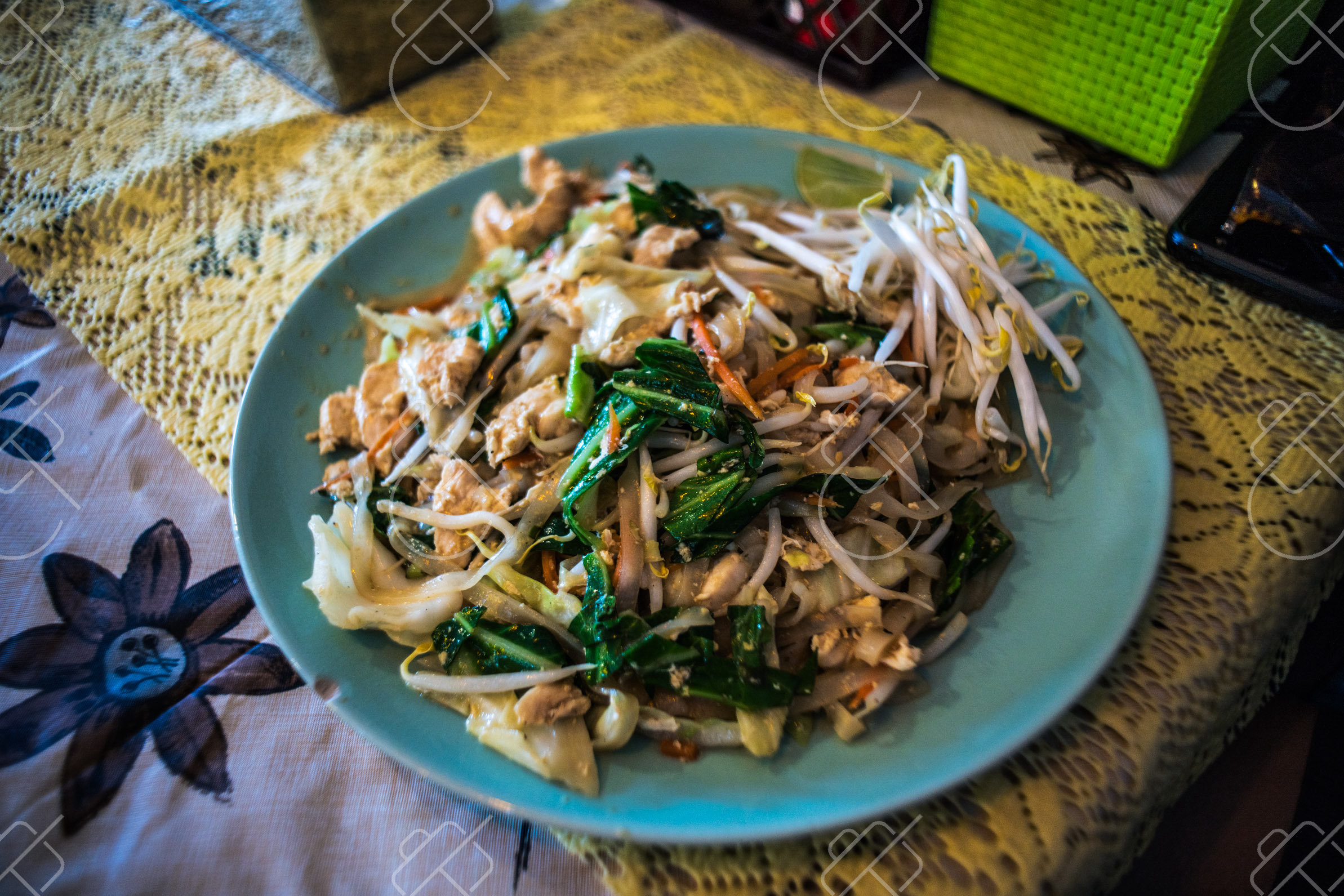
The festival is a food event as much as a religious one. On worship day the offering tables carry a whole steamed chicken or duck, pork, mandarin oranges and sweets; a whole bird stands for wholeness and mandarins for wealth and luck.
For visitors, Yaowarat's night food is the draw at any time of year: roast duck over rice or noodles, Teochew noodle soups, dim sum, grilled seafood and desserts. Over New Year there are more stalls, longer queues and higher prices at the famous places. Carry small notes, since many stalls do not take cards.
Family-run shops set their own hours over the three days, and some close on worship day or the first day. If one restaurant matters to you, check its page or ask your hotel to call.
Our Bangkok guide and Thai food guide list the dishes, and our 3-day Bangkok itinerary has a Chinatown evening built in.
There is no official crowd count for Yaowarat. As a scale guide, TAT projected more than 3.5 million trips across Thailand during its 13 to 22 February 2026 Chinese New Year travel period. Bangkok's Chinatown is also busy with visitors from China and the rest of the region over the holiday, so book rooms early.
• Getting there: take the MRT Blue Line to Wat Mangkon station rather than a taxi; on festival nights roads around Odeon Circle are slow or closed. The Chao Phraya Express boat to Ratchawong pier is the other option. For taxis and ride-hailing, see our Grab vs Bolt guide.
• Staying in Chinatown: best if food is the point, but noisy and fewer rooms. Our where to stay in Bangkok compares Chinatown with the riverside and Sukhumvit.
• Pickpockets: keep phones and wallets in front pockets in the crush, as in any big crowd.
• Weather: February is in Bangkok's hot, mostly dry season. Our best time to visit Thailand has month-by-month detail.
Wear red if you like: TAT notes it is the colour of good fortune and joy, and many Thais and visitors do.
Saturday 6 February 2027, the start of the Year of the Goat. The eve and main worship day is Friday 5 February, and the Lantern Festival is 20 February.
No. It is not on the 2027 national holiday list, so transport, banks and offices run normally, though some family-run shops close for a day or two.
It had not been announced as of late October 2026. The 2026 festival was cancelled during the mourning period for Queen Sirikit, though Yaowarat was still lit up. Check TAT News from December.
The MRT Blue Line to Wat Mangkon station, which is right by the temple and Yaowarat Road. Roads around Odeon Circle are slow or closed on festival nights.
Get our new Thailand guides and practical tips by email: where to stay, what to eat, what things cost and the rules that catch travelers out.
Free. No spam, only new guides and tips.
Search verified local fleets with low security deposits and exact model delivery on Localrent.
Get the best deals on your Thailand stay with Booking.com.