 Culture & etiquette
By Clever Tourists · Published
Italian is the language everywhere in Italy, and English works in hotels and most restaurants in Rome, Florence and Venice but much less in small towns, local bars and markets. The thing that matters most is register: strangers get the polite Lei form and buongiorno or buonasera, and ciao is for friends. Say one of those greetings when you walk into a shop or café, and you have done most of what Italians notice.
This page contains affiliate links. If you book or buy through them we may earn a commission, at no extra cost to you.
Ciao is both hello and goodbye, but only with people you would call tu: friends, children, people your own age in a relaxed setting. To a shop assistant, a waiter or anyone older, say buongiorno until the afternoon and buonasera after that. The switch happens somewhere between mid and late afternoon, and earlier in Tuscany. Salve is a neutral hello that works when you are unsure.
Buonanotte is only for going to bed or leaving late at night, never as a greeting.
| English | Italian | Say it like | When to use it |
|---|---|---|---|
| Hello / good morning | Buongiorno | bwohn-JOR-noh | Strangers, shops, cafés, until the afternoon. |
| Good evening | Buonasera | bwoh-nah-SEH-rah | From mid to late afternoon onwards. |
| Hello (neutral) | Salve | SAHL-veh | When you are unsure how formal to be. |
| Hi / bye (casual) | Ciao | CHOW | Friends and people you call tu only. |
| Good night | Buonanotte | bwoh-nah-NOHT-teh | Going to bed or leaving late. |
| How are you? (polite) | Come sta? | KOH-meh STAH | Strangers and older people. |
| How are you? (casual) | Come stai? | KOH-meh STAH-ee | Friends. |
| Nice to meet you | Piacere | pyah-CHEH-reh | On being introduced, with a handshake. |
| Goodbye | Arrivederci | ahr-ree-veh-DEHR-chee | Leaving a shop, café or restaurant. |
| Goodbye (very polite) | ArrivederLa | ahr-ree-veh-DEHR-lah | To one person you address as Lei. |
| See you | Ci vediamo | chee veh-DYAH-moh | Friends, or someone you will see again. |
Prego is the all-purpose polite word. It means "you're welcome", but you will also hear it as "come in", "after you" and "go ahead, what can I get you?" when it is your turn at a counter.
Use mi scusi (polite) to get someone's attention or apologise for a small thing, and permesso to get past people on a bus or in a doorway. Mi dispiace is a real "I'm sorry".
| English | Italian | Say it like | When to use it |
|---|---|---|---|
| Please | Per favore | pehr fah-VOH-reh | After any request. Per piacere is also common. |
| Thank you | Grazie | GRAHT-tsyeh | Everywhere. |
| Thank you very much | Grazie mille | GRAHT-tsyeh MEEL-leh | For real help. |
| You're welcome | Prego | PREH-goh | Reply to grazie. Also "go ahead". |
| Excuse me / sorry (polite) | Mi scusi | mee SKOO-zee | Getting attention, small apologies. Scusa with friends. |
| Excuse me (getting past) | Permesso | pehr-MEHS-soh | On a crowded bus or vaporetto. |
| I'm sorry | Mi dispiace | mee dees-PYAH-cheh | A real apology or sympathy. |
| Yes | Sì | SEE | Answering a question. |
| No | No | NOH | Answering a question. |
| No, thank you | No, grazie | NOH, GRAHT-tsyeh | Turning down a menu touter or a refill. |
Water comes in a bottle unless you ask otherwise: the waiter will ask naturale o frizzante? (still or sparkling). Tap water is acqua del rubinetto; some places will bring a jug, many will steer you back to a bottle.
The bill only comes when you ask for it. A small per-person coperto (cover charge) on the bill is normal and is not a tip; see our coperto and tipping guide. The toast is salute! ("health") or the more playful cin cin!.
| English | Italian | Say it like | When to use it |
|---|---|---|---|
| A table for two, please | Un tavolo per due, per favore | oon TAH-voh-loh pehr DOO-eh, pehr fah-VOH-reh | At the door of a restaurant. |
| The menu, please | Il menù, per favore | eel meh-NOO, pehr fah-VOH-reh | You may also see la carta. |
| This one | Questo | KWEHS-toh | Pointing at a menu or a counter. |
| Delicious | Delizioso | deh-lee-TSYOH-zoh | Telling the waiter or cook. |
| Cheers! | Salute! / Cin cin! | sah-LOO-teh / cheen CHEEN | Raising a glass. |
| The bill, please | Il conto, per favore | eel KOHN-toh, pehr fah-VOH-reh | When you are ready to go. |
| I'm vegetarian | Sono vegetariano / vegetariana | SOH-noh veh-jeh-tah-RYAH-noh / veh-jeh-tah-RYAH-nah | Men -o, women -a. |
| I'm allergic to... | Sono allergico / allergica a... | SOH-noh ahl-LEHR-jee-koh / ahl-LEHR-jee-kah ah | Add the food. |
| Still / sparkling water | Acqua naturale / frizzante | AHK-kwah nah-too-RAH-leh / freed-DZAHN-teh | Answering the waiter's question. |
| Tap water | Acqua del rubinetto | AHK-kwah dehl roo-bee-NEHT-toh | Asking for a jug instead of a bottle. |

Practical travel tips, straight to your inbox. Unsubscribe anytime.
Prices in shops and on food-market stalls are fixed, and bargaining is not done. Say buongiorno or buonasera when you walk in and arrivederci or grazie on the way out, even if you only looked.
Cards are widely accepted, but small cafés and market stalls still like cash, and our cash or card in Italy guide covers where you still need it.
| English | Italian | Say it like | When to use it |
|---|---|---|---|
| How much is it? | Quanto costa? | KWAHN-toh KOHS-tah | Pointing at one item. |
| I'll take it | Lo prendo | loh PREHN-doh | La prendo if the thing is feminine (la borsa). |
| Do you take cards? | Accettate le carte di credito? | aht-cheht-TAH-teh leh KAR-teh dee KREH-dee-toh | Before you queue. |
| Cash | Contanti | kohn-TAHN-tee | Also in contanti (in cash). |
Toilets are il bagno in conversation; signs may say toilette or WC.
For trains, say the destination after per: un biglietto per Firenze. In a taxi, si fermi qui is the polite way to say "stop here".
| English | Italian | Say it like | When to use it |
|---|---|---|---|
| Where is...? | Dov'è...? | doh-VEH | Add the place: Dov'è il museo? |
| Where is the toilet? | Dov'è il bagno? | doh-VEH eel BAH-nyoh | Signs may say toilette or WC. |
| The train station | La stazione | lah stah-TSYOH-neh | Asking directions or telling a taxi. |
| The airport | L'aeroporto | lah-eh-roh-POR-toh | Asking directions or telling a taxi. |
| Left | A sinistra | ah see-NEES-trah | Following directions. |
| Right | A destra | ah DEHS-trah | Following directions. |
| Straight ahead | Dritto | DREET-toh | Also diritto. |
| Ticket | Il biglietto | eel beel-YEHT-toh | Trains, buses, museums. |
| One ticket to Bologna, please | Un biglietto per Bologna, per favore | oon beel-YEHT-toh pehr boh-LOH-nyah, pehr fah-VOH-reh | At a ticket window. |
| Stop here, please | Si fermi qui, per favore | see FEHR-mee KWEE, pehr fah-VOH-reh | In a taxi. |
Italian double consonants are held a beat longer: otto (eight) is OHT-toh, not OH-toh. Prices are in euros, said euro (EH-oo-roh) for one or many.
| English | Italian | Say it like | When to use it |
|---|---|---|---|
| 1 | uno | OO-noh | Counting and prices. |
| 2 | due | DOO-eh | Counting and prices. |
| 3 | tre | TREH | Counting and prices. |
| 4 | quattro | KWAHT-troh | Counting and prices. |
| 5 | cinque | CHEEN-kweh | Counting and prices. |
| 6 | sei | SAY | Counting and prices. |
| 7 | sette | SEHT-teh | Counting and prices. |
| 8 | otto | OHT-toh | Counting and prices. |
| 9 | nove | NOH-veh | Counting and prices. |
| 10 | dieci | DYEH-chee | Counting and prices. |
| 100 | cento | CHEHN-toh | Counting and prices. |
| 1,000 | mille | MEEL-leh | Counting and prices. |
112 is the free European emergency number and works anywhere in Italy. Most regions now route all emergencies through it; the older numbers (113 police, 115 fire, 118 ambulance) still connect where the switch is not finished.
| English | Italian | Say it like | When to use it |
|---|---|---|---|
| Help! | Aiuto! | ah-YOO-toh | Shouted in an emergency. |
| Call the police! | Chiami la polizia! | KYAH-mee lah poh-lee-TSEE-ah | To a bystander or staff (polite form). |
| I need a doctor | Ho bisogno di un medico | oh bee-ZOH-nyoh dee oon MEH-dee-koh | At a hotel desk or pharmacy. |
| I'm lost | Mi sono perso / persa | mee SOH-noh PEHR-soh / PEHR-sah | Men perso, women persa. |
| I don't understand | Non capisco | nohn kah-PEES-koh | When a reply goes over your head. |
| Do you speak English? | Parla inglese? | PAR-lah een-GLEH-zeh | Polite form, for strangers. |
| Please speak more slowly | Parli più lentamente, per favore | PAR-lee pyoo lehn-tah-MEHN-teh, pehr fah-VOH-reh | Polite form. |
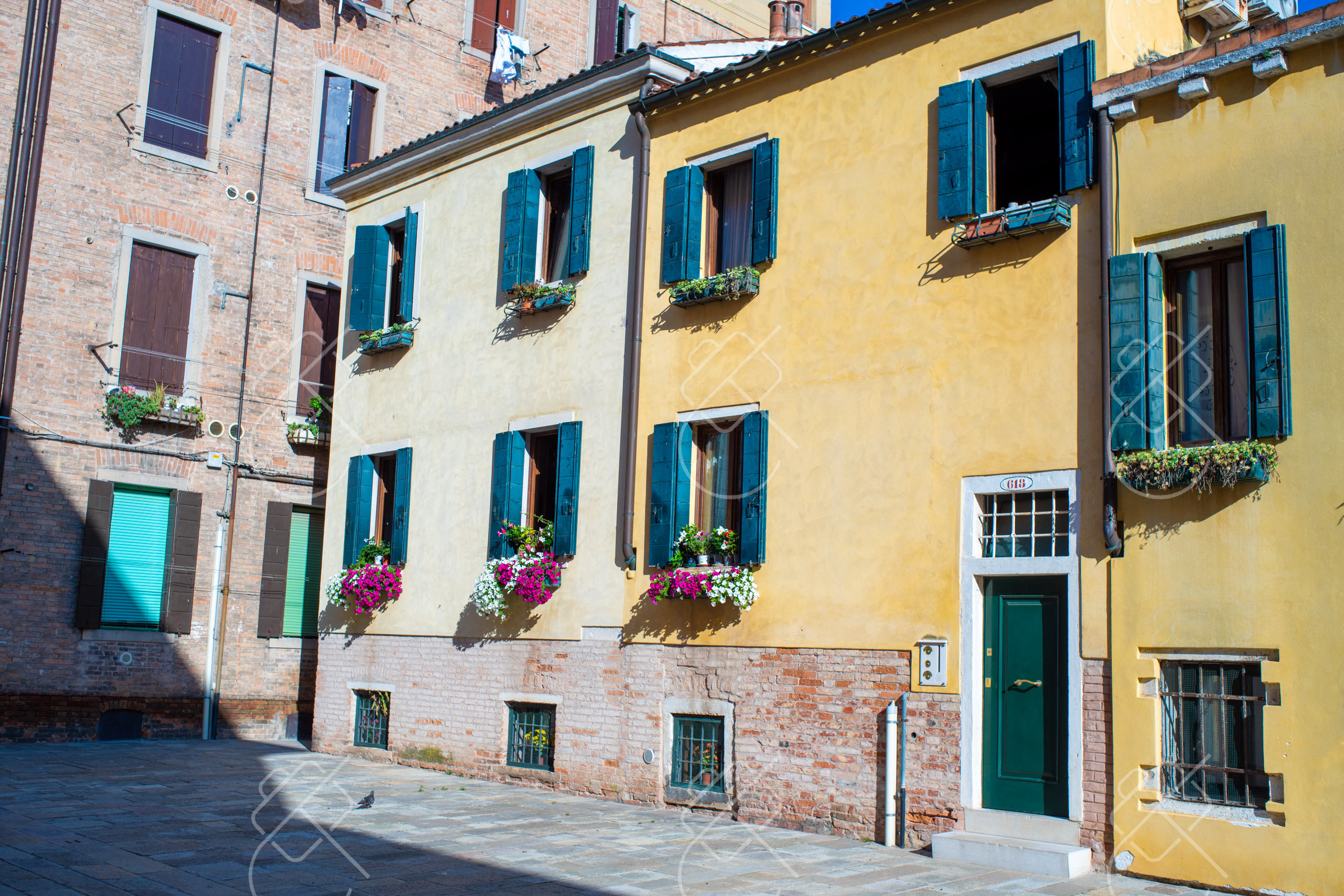
Greet before you ask. Walking into a small shop, a bar or a pharmacy without a buongiorno or buonasera is the most common way visitors come across as rude. The same goes for leaving without an arrivederci.
Use Lei with anyone you don't know, whatever their age, unless they are a child. It is the form the phrases above use (Come sta?, Mi scusi, Parla inglese?). Italians will switch to tu when they want to, and ciao follows.
Address people as signore or signora if you need to: Scusi, signora is a polite way to stop someone. A handshake is the normal greeting on being introduced; kisses on both cheeks are for friends and family, so wait for the other person to lead.
Food is where the real rules are. Our what's considered rude in Italy guide covers the cappuccino rule, cheese on seafood pasta and the other table habits that get noticed far more than grammar mistakes.
Not rude, but too casual for strangers. Ciao is for friends and people you call tu. To shop staff, waiters and anyone older, say buongiorno or buonasera instead.
Somewhere between mid and late afternoon, and earlier in Tuscany. There is no fixed time, so if it is after lunch and you are unsure, buonasera is rarely wrong.
Grazie, said GRAHT-tsyeh. Grazie mille means thank you very much, and the reply is prego.
In hotels and most restaurants in Rome, Florence and Venice, yes. In small towns, local bars and markets much less, so a few Italian phrases help.
112 works anywhere in Italy for police, ambulance and fire. The older numbers 113, 115 and 118 still connect in regions that have not finished switching to 112.

Practical travel tips, straight to your inbox. Unsubscribe anytime.
Plan your nights in Italy: hotels on Trip.com.