 Safety & Practicalities
By Clever Tourists · Published
In London, the thing most likely to be taken from a visitor is a phone, snatched from your hand at the curb by someone on a bike, e-bike or moped, followed by pickpocketing in crowds and unlicensed minicabs that approach you. There are fewer classic cons than in some European capitals, and the city is rated safe overall in our England safety guide. We spent about 8 days in London in two visits, from 14 to 21 November 2023 and again on 2 and 3 December 2023, around a loop through Bath, Oxford and the Peak District. This guide uses news reports and TfL guidance from 2026 and earlier; it does not describe incidents involving us.
Phone theft in London has been a major story in 2026. An AFP report in April 2026 called London Europe's phone theft capital and described teenagers on e-bikes snatching phones from commuters and tourists. Snatchers often work from mopeds or bicycles, and sometimes mount the pavement to take the phone out of your hand. A National report in September 2026 described a Metropolitan Police crackdown with officers on bikes.
The advice repeated by borough campaigns and the Met's 'Look up, look out' guidance is to be aware of your surroundings and avoid using your phone on the street where possible. Practical steps: do not check maps at the curb; step into a shop doorway or a cafe. Hold the phone with both hands, or keep it in an inner pocket. Switch on stolen-device protection on an iPhone, set up Find My on both iPhone and Android, and do not confront a thief.
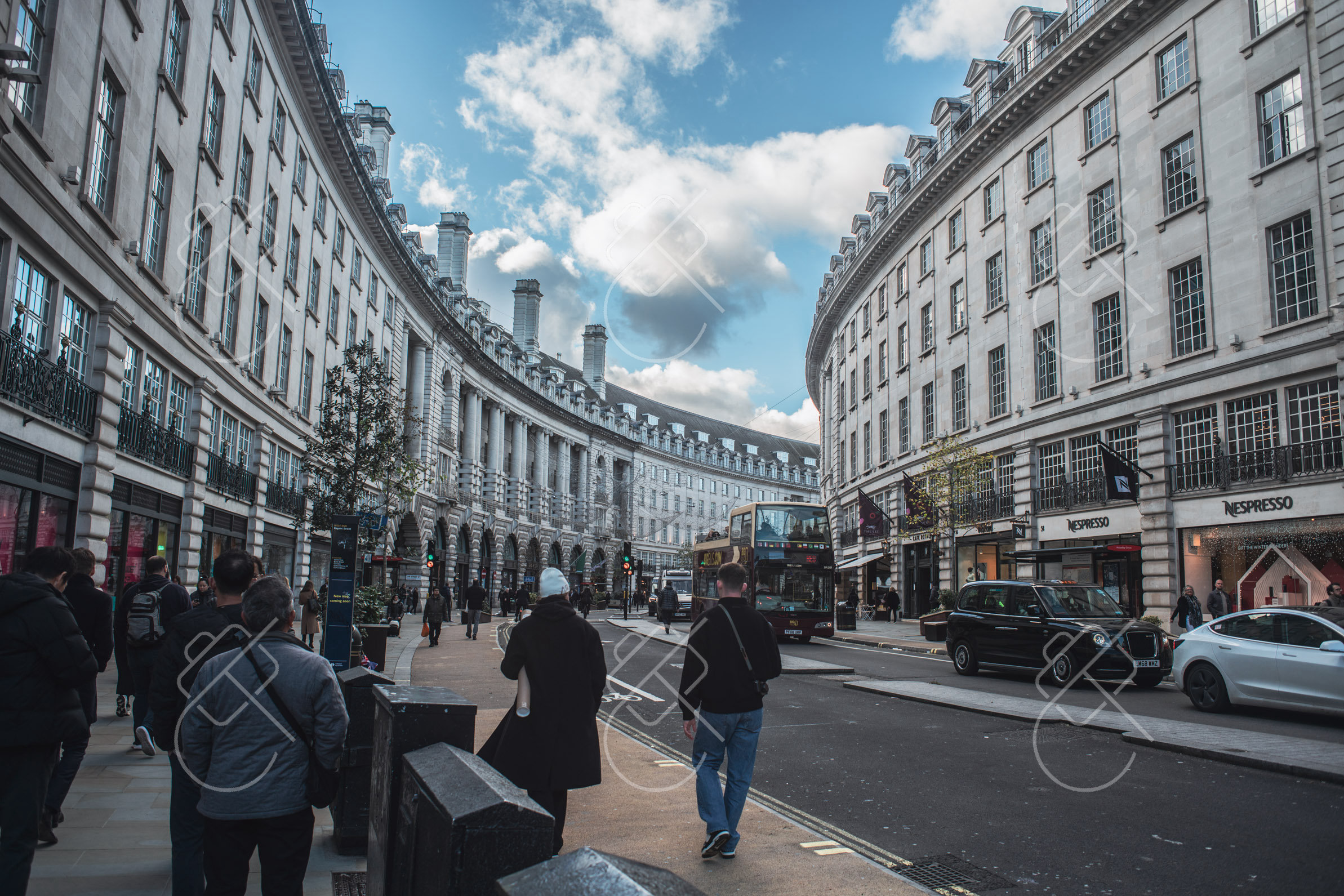
Pickpockets in London operate in crowds: Tube platforms at rush hour, the escalators at King's Cross and Oxford Circus, and shopping streets such as Oxford Street, plus Soho and Camden. A secondary guide lists Oxford Street, Soho and Camden as higher risk, but we did not find official data by street. The pattern is a bump, an apology and a hand in your pocket.
Wear your bag in front, zip it, and keep valuables out of back pockets. Don't hold a phone near the doors of a Tube train as it stops. Use contactless payment on a card or a phone for fares instead of pulling out a wallet; our Oyster and contactless guide explains the fare caps. At cafe tables, keep your bag on your lap or looped around a chair leg.
In London, black cabs can be hailed in the street, but minicabs (private hire vehicles) must be pre-booked. TfL's guidance is that it is illegal for any minicab driver, even one licensed by TfL, to accept a fare without a booking made by phone, email, app or at an office. A man who approaches you in an arrivals hall or on the street and offers a ride is not allowed to, and may be uninsured. Joint TfL and police operations have investigated touts at Heathrow.
What to do: queue at the black cab rank, book a minicab through a licensed operator or app, or take public transport. Our Heathrow guide lists the Elizabeth line, Underground, Heathrow Express and taxis. Check the vehicle's licence and plate against the booking. Late at night, do not get into an unmarked car.
Tickets for West End shows, football matches and events are resold at inflated prices by street sellers, and some are fake. Buy from the venue's box office, an official ticket site or a reputable agent. For attractions, check that the website is the attraction's own: copycat sites rank high in search results and charge a fee for tickets that may be free or cheaper. Many national museums are free, as our free museums guide explains, so you should not pay for general entry.
Other pavement tricks: people who put a 'friendship' band on your wrist, a street game (three-card monte, a shell game) that is rigged, and street collectors with clipboards or charity buckets. Do not stop, do not play and keep walking.
London restaurants often add a discretionary service charge of 12.5 percent to the bill; it is legal if shown clearly, and it is optional. Check the bill and ask for it to be removed if the service was poor. Do not pay a tip twice. Our England tipping guide goes through how to check.
Tourist-trap restaurants around Leicester Square and Piccadilly are priced for visitors, but that is a pricing issue rather than a scam. Check the menu is displayed outside with prices, and avoid anywhere with touts calling you in.
In an emergency call 999; for a non-emergency police report call 101, or report online to the Metropolitan Police. For phone theft, report it quickly, block the SIM through your carrier and use Find My or Find My Device to lock it. Get a crime reference number for insurance. Our travel insurance guide explains the paperwork.
We did not verify the Action Fraud number for this page, so look it up on the official site before reporting card or online fraud. For card safety, see how to stay safe online while traveling.
Phone snatching by people on bikes, e-bikes and mopeds, then pickpocketing in crowds and unlicensed minicab touts.
TfL says it is illegal for any minicab driver to accept a fare without a booking made by phone, email, app or at an office. Use a black cab at a rank or book through a licensed operator.
Avoid using your phone at the curb, hold it with both hands or step into a shop, turn on stolen-device protection and Find My, and do not confront a thief.
999 in an emergency and 101 for non-emergencies. Ask for a crime reference number for insurance.
No. A discretionary charge of around 12.5 percent is common and optional. Ask for it to be removed if you are not happy, and do not tip twice.
Get our new England guides and practical tips by email: where to stay, what to eat, what things cost and the rules that catch travelers out.
Free. No spam, only new guides and tips.
Get the best deals on England hotels before they're gone — see Booking.com.