
Home
About us
Destinations
Travel Guides
Recipes
Featured
Photos As Art
Abstract Prints
Locations
Travel Gear
Travel Resources
Favorites
Photo Framer
Explore Photos
ContactLondon rewards walking more than almost any capital its size, which is lucky, because the Tube will happily charge you to travel one stop between places three minutes apart on foot. The centre is smaller than the map suggests: Westminster to St Paul's is an hour's walk along the river, and most of what you came for sits inside that ribbon. Three days is enough to do it properly, especially since the best museums in the city cost nothing to enter.
Published August 15, 2026
Tap any photo to open it full-screen and order a print.
Three days covers central London comfortably if you walk it. Give the first day to Westminster, the river and the West End; the second to St Paul's, Bankside and the City; and the third to one big museum and the markets and side streets. Almost everything in this itinerary sits inside the stretch between Westminster and the Tower, which is about an hour on foot end to end along the Thames — the Tube is for crossing town, not for hopping one stop. Budget around the fact that the major national museums are free, which leaves money for the paid sights that are genuinely worth it: the Abbey, the Tower, and the St Paul's dome climb. In winter, plan indoor time for late afternoon, because the light goes before half four.
London's weather is less dramatic than its reputation — it rains often but rarely hard, and no season is a write-off. What actually changes across the year is daylight, which swings from nearly seventeen hours in June to under eight in December, and that matters more to a walking itinerary than the temperature does.
The parks come back — St James's, Regent's, and the squares of Bloomsbury — and the crowds haven't arrived yet. Changeable and often wet, but May in particular gives you long light and shoulder-season prices.
Light until half nine, every park in use, and the highest prices and queues of the year. It's the easiest season for an outdoor itinerary and the hardest for a spontaneous one — book the timed-entry sights well ahead.
Arguably the sweet spot. The summer crowds thin, the plane trees along the Embankment turn, and the museum and theatre seasons start in earnest. Bring a proper coat from November and expect sunset before four-thirty.
Short, grey days and the cheapest rooms of the year, offset by the Regent Street and Covent Garden light displays and a city that does Christmas seriously. Plan the indoor half of each day for the afternoon, because the light is gone by half four.
St Paul's Cathedral & dome climb — Wren's 1710 dome, 528 steps to the top, and the best high view in the centre.
The National Gallery — Free entry on Trafalgar Square, Van Eyck through to Van Gogh.
Westminster & the South Bank view — The Elizabeth Tower and Parliament, best photographed from across the river in the morning.
The British Museum — Free, vast, and impossible in one visit — pick two galleries and commit.
Westminster Abbey — Coronation church since 1066, with Poets' Corner inside. Paid entry and worth it.
Borough Market — The serious food market under the railway arches — busiest and best on a Saturday.
Tate Modern — Free, in a converted power station, at the south end of the Millennium Bridge.
Soho & Chinatown — Where central London actually eats — densest after dark.
Cecil Court — A single Victorian lane of antiquarian booksellers, barely changed.
Portobello Road — The Notting Hill antiques market — Saturdays only, in practice.
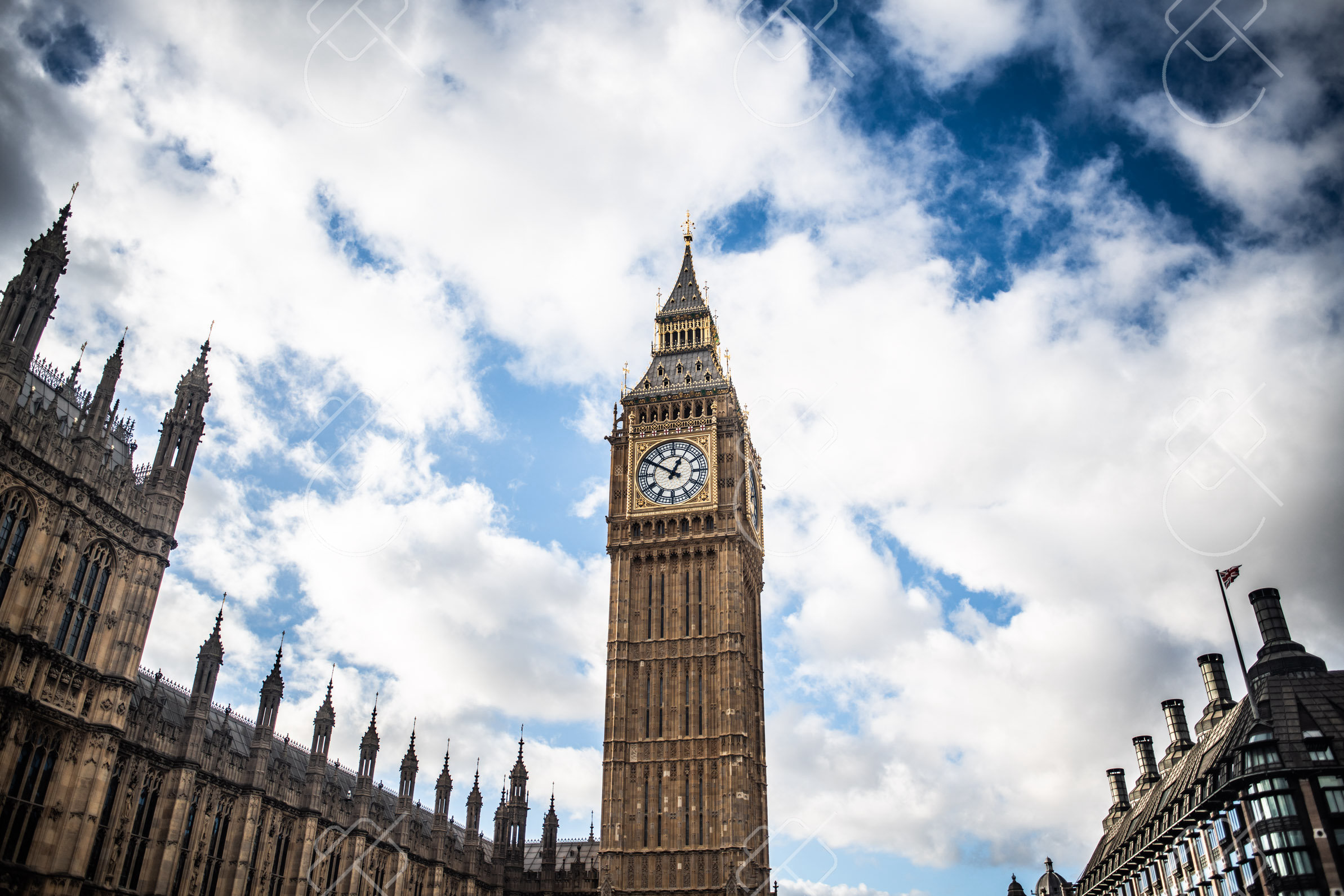
The postcard half-mile: a clock tower, a coronation church, and a bridge that frames both. It is also the busiest pavement in London by mid-morning, so this is a place you visit early or from the opposite bank.
The tower everyone calls Big Ben is properly the Elizabeth Tower — Big Ben is the thirteen-tonne bell inside it — and it came out of a five-year conservation programme in 2022 with its dial hands repainted the original Prussian blue rather than the black they had worn for a century. Beside it, Westminster Abbey has hosted every English and British coronation since 1066, and its Poets' Corner holds the graves or memorials of Chaucer, Dickens and Hardy among others. The Abbey charges to enter and is worth it; the surrounding streets cost nothing.
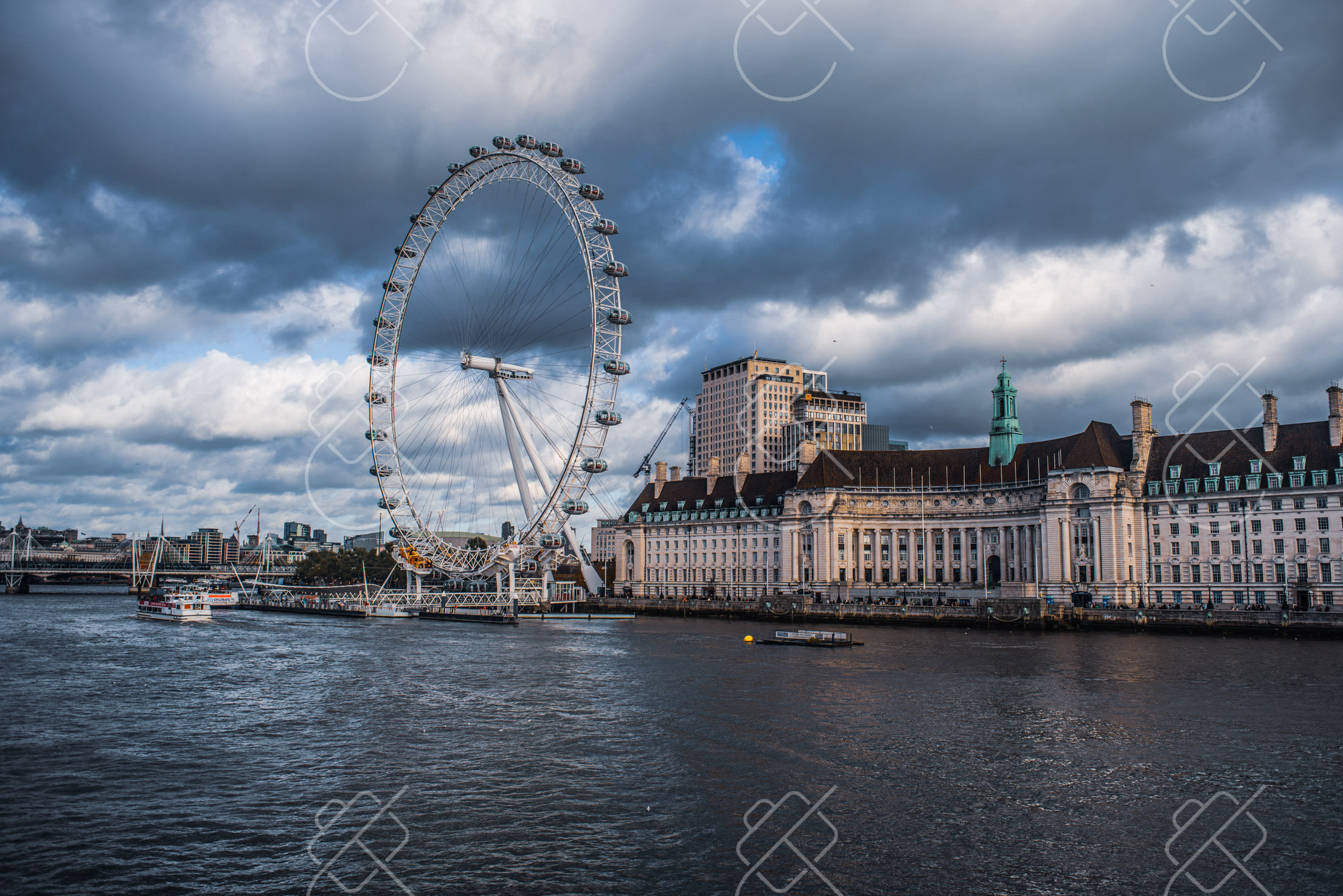
The better photograph is almost always from across the water. Cross to the South Bank and the whole Palace of Westminster lines up along the river, best in the morning when the sun is behind you rather than behind the building. Walk the Embankment east from there and you get the London Eye, the Southbank Centre, and a two-mile riverside path that carries you most of the way to St Paul's without touching a road.
Early morning from the South Bank, with the sun behind you. By eleven the bridge is a slow-moving crowd and the light is straight into the lens.
Westminster and Victoria are convenient and characterless — fine for a short first trip, though Bloomsbury or Southwark give you more life after dark.
This is the weakest corner of central London for eating; walk ten minutes north into St James's or east to the South Bank food stalls rather than settling for a Parliament Square sandwich.
Photograph the tower from the north end of Westminster Bridge or from the South Bank — the pavement directly beneath it is too close to fit the whole thing in without tilting the building over backwards.
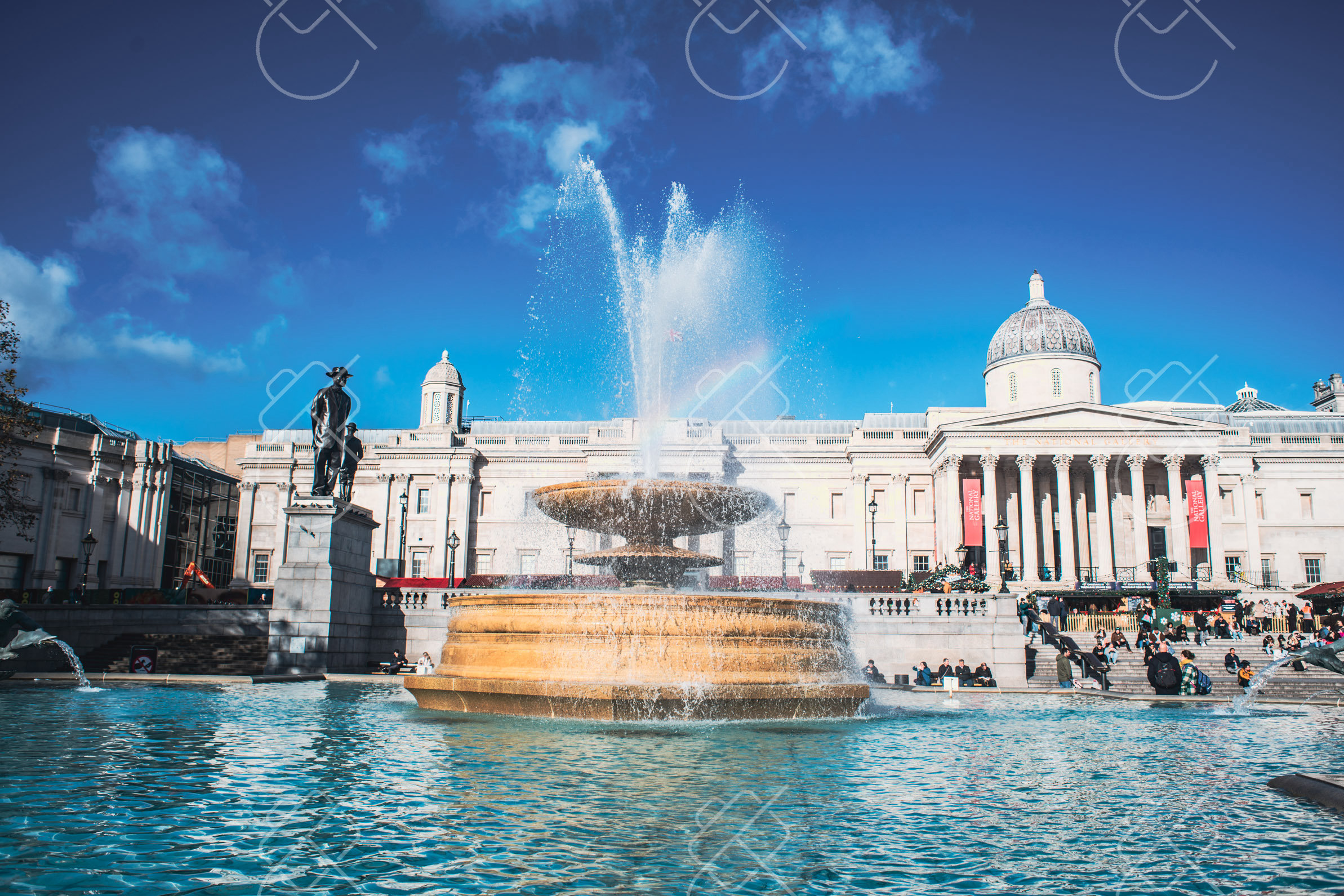
The centre of the centre. A square with a fifty-metre column and free national art collection on one side, and behind it the tangled streets where London actually eats and drinks.
Trafalgar Square is the city's official centre — distances to London are measured from Charing Cross at its southern edge. Nelson's Column stands about fifty-two metres with the admiral on top, guarded by Landseer's four bronze lions from 1867, and the National Gallery fills the entire northern side with a collection running from Van Eyck to Van Gogh. Entry is free, as it is at the National Portrait Gallery immediately behind it, which is the single best value in a famously expensive city.
North and west of the square the grid dissolves. Soho packs its restaurants, record shops and theatres into a few dense blocks; Chinatown runs off Wardour Street under its painted gates; and Regent Street sweeps its long Nash curve up toward Oxford Circus. A block east, Liberty's Tudor Revival building went up in 1924 using timber from two broken-up Royal Navy ships, HMS Impregnable and HMS Hindustan — which is why a mock-Tudor department store in the middle of London is genuinely made of warship.
Late afternoon into the evening. The square is at its best when the lights come up and the galleries stay open late one night a week — check which before you plan around it.
Staying in Soho or Covent Garden puts you inside the nightlife rather than commuting to it, at a real premium and with real street noise.
Soho is the answer to nearly every meal here — Chinatown for late dumplings, Berwick Street and the surrounding market stalls for lunch on foot.
The National Gallery is far too big for one visit. Pick two or three rooms from the floor plan at the entrance and treat everything else as a bonus rather than a duty.
The Tube will happily charge you to travel one stop between places three minutes apart on foot.
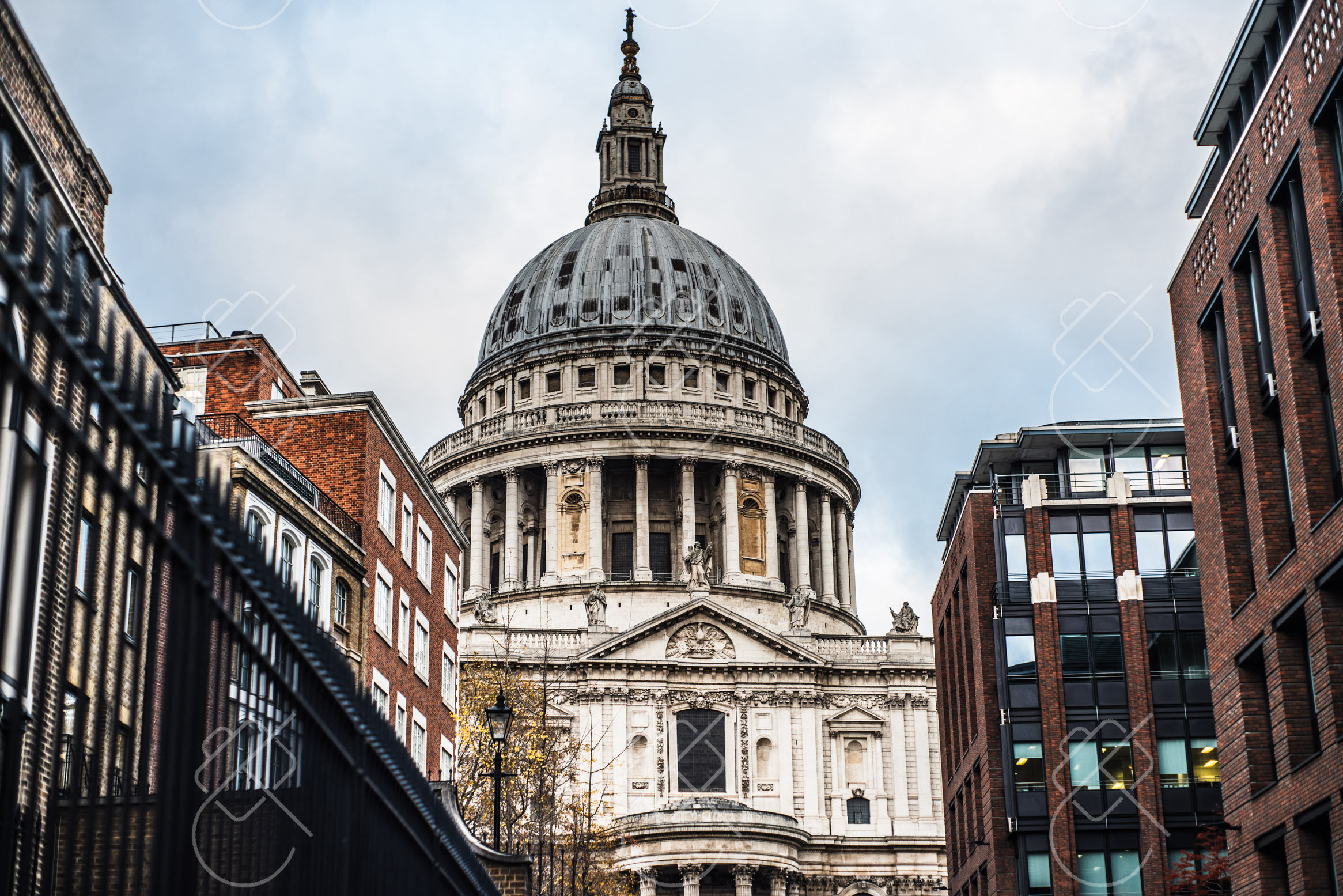
The original square mile, rebuilt twice — once after the Great Fire and again after the Blitz — and now a canyon of glass towers with Wren's dome still holding its own in the middle of them.
St Paul's Cathedral is Christopher Wren's replacement for the medieval cathedral that burned in the Great Fire of 1666, built between 1675 and 1710. The dome rises about 111 metres and you can climb inside it in three stages: 257 steps to the Whispering Gallery, where a word spoken against the wall carries clear around the circumference, then 376 to the outdoor Stone Gallery and 528 to the Golden Gallery at the top. The climb is the best view in central London and unavailable to anyone unwilling to do it on foot.
The Blitz gutted the streets around the cathedral, which is why the City reads as medieval lanes threaded between very new towers. Cross the Millennium Bridge south and the sightline back to the dome is the one the bridge was designed around; Tate Modern sits at the far end in a converted power station, free to enter like the other national collections.
Weekday mornings for the cathedral, before the tour groups; weekends for the streets, when the financial district empties out and the lanes are genuinely quiet.
Southwark, just across the river, is the smarter base — cheaper than the West End, on the river path, and a ten-minute walk from the cathedral.
The City is built for weekday lunch and closes down at weekends; walk east to Spitalfields or south over the river to Borough for anything on a Sunday.
The dome climb has no lift and no re-entry, and photography is banned inside the cathedral itself — do the climb first while your legs are fresh, then the interior.
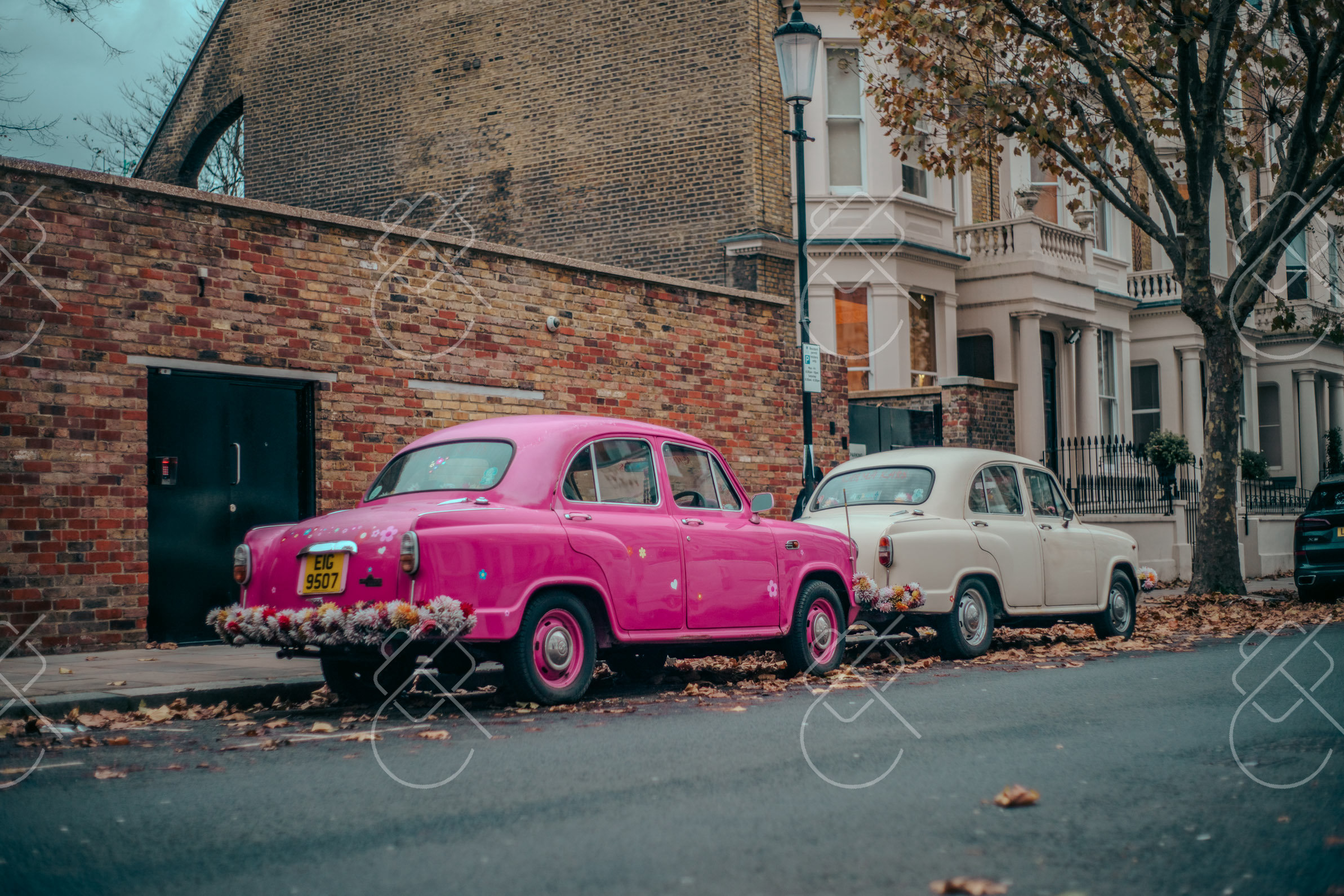
The half-day that separates people who saw London from people who liked it — street markets, secondhand bookshops, and the Georgian terraces and mews that fill the gaps between the famous bits.
London's markets each have a distinct character and a distinct best day. Borough is the food one and is busiest on Saturdays; Spitalfields and Brick Lane run east into vintage clothing and curry houses; Portobello Road in Notting Hill is the antiques market and effectively only happens properly on a Saturday. The smaller street-food markets scattered through Soho and the City are the ones worth stumbling into at lunchtime — a dozen stalls, a queue of office workers, and better food than most sit-down places nearby.
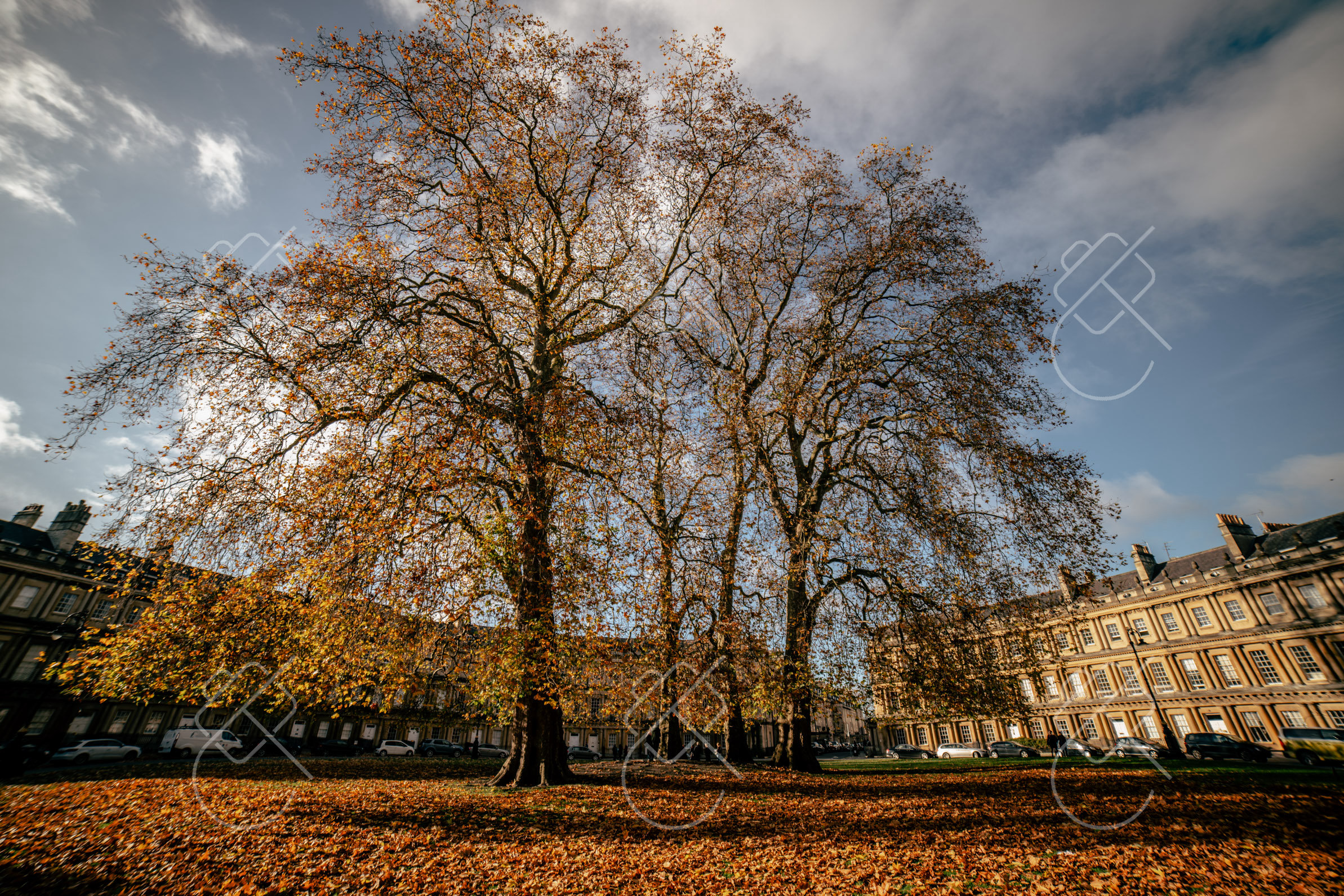
Between them, walk the residential streets. The stucco terraces of Belgravia, the garden squares of Bloomsbury, and the mews lanes behind the main roads are free, quiet and about as photogenic as the city gets in autumn, when the plane trees turn. Charing Cross Road and Cecil Court keep the last cluster of central secondhand and antiquarian bookshops, and Cecil Court in particular is a single Victorian lane that has barely changed.
Saturday for the markets, any weekday morning for the residential streets. Autumn gives the terraces and squares their best colour.
Bloomsbury is the quiet compromise: Georgian squares, walking distance to the British Museum and the West End, and calmer than Soho at 2am.
Work a street-food market at lunchtime rather than committing to a restaurant — a shawarma or a salt-beef bagel eaten walking is more London than most menus.
Check the market you want actually trades on the day you're going — several of the famous ones are weekend-only or half-dead midweek, and turning up on a Tuesday to a closed Portobello is a wasted morning.
The best museums in the city cost nothing to enter.
A loose, walkable route — bend it to your pace and the light.
Start at Westminster early, while the bridge is still walkable. See the Abbey if you're going to — it opens before the crowds build — then cross to the South Bank for the frontal view back across the water with the morning sun behind you.
Walk the Embankment north to Trafalgar Square and give the afternoon to the National Gallery, which is free and far larger than one visit can handle. Come out into Soho for dinner, and let the evening go wherever Chinatown and the Soho streets take it.
Where to shoot: The Palace of Westminster from the South Bank, morning · Westminster Bridge with a red bus crossing · Nelson's Column and the National Gallery facade · Regent Street's curve toward Oxford Circus
Tip: Just tap in and out with a contactless card or phone — daily and weekly fare capping applies automatically, and a paper Travelcard is almost never the cheaper option now.
Get to St Paul's for opening and do the dome climb first — 528 steps in three stages, no lift, and the best view in central London waiting at the top. The Whispering Gallery on the way up is worth the pause to test.
Cross the Millennium Bridge south for the designed view back to the dome, spend the afternoon in Tate Modern, then follow the river path east to Borough Market and eat your way along it before dark.
Where to shoot: St Paul's dome from the Millennium Bridge · The view north from the Golden Gallery · Tate Modern's turbine hall · Borough Market's stalls under the railway arches
Tip: The City is a weekday place. On a Sunday the streets around the cathedral are eerily empty and most of the food closes — good for photographs, bad for lunch.
Give the morning to one big free museum — the British Museum in Bloomsbury or the V&A in South Kensington — and go in with a plan for two or three galleries rather than an attempt on the whole thing.
Spend the afternoon walking: the garden squares of Bloomsbury, the bookshops of Cecil Court, and whichever market is actually trading that day. It's the least programmed day of the three and usually the one people remember.
Where to shoot: The British Museum's glass-roofed Great Court · Cecil Court's Victorian shopfronts · Bloomsbury's garden squares under autumn planes · A mews lane behind the main roads
Tip: The big national museums are free but ask for a donation and run paid special exhibitions — you can walk straight into the permanent collections without booking anything.
A fourth day belongs to the Tower of London and Tower Bridge, then east into Spitalfields and Brick Lane. With a fifth, get out of the centre entirely: Greenwich by riverboat for the Observatory and the meridian, Hampstead Heath for the best skyline view in the city, or Kew Gardens for the glasshouses. All three are inside the Oyster and contactless zone.
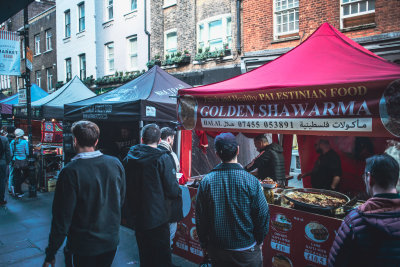
The best cheap eating in central London happens at lunchtime from a dozen stalls under canopies — shawarma, salt-beef bagels, curries and noodles, sold to a queue of office workers. Follow the longest line and eat standing up.
Explore regional routes with verified local fleets, zero hidden charges, and transparent insurance on Localrent.
Get the best deals on flights and hotels to London on Expedia.
Transit cards, local customs, visa rules, and practical travel guides for this region.
See every destination from the 526-day journey:
Browse all destinationsCurious about the gear behind these photos? See the gear list.