
Home
About us
Destinations
Travel Guides
Recipes
Featured
Photos As Art
Abstract Prints
Locations
Travel Gear
Travel Resources
Favorites
Photo Framer
Explore Photos
ContactSomerset packs two very different landmarks into a fifteen-minute drive. Cheddar Gorge cuts 137 meters into the Mendip Hills, a single road threading between limestone cliffs that gave the world both a cheese and Britain's oldest complete skeleton. Wells, just down the road, is England's smallest city, built around a cathedral with an inverted stone arch that has been holding up its tower since the 1330s.
Published August 12, 2026
Tap any photo to open it full-screen and order a print.
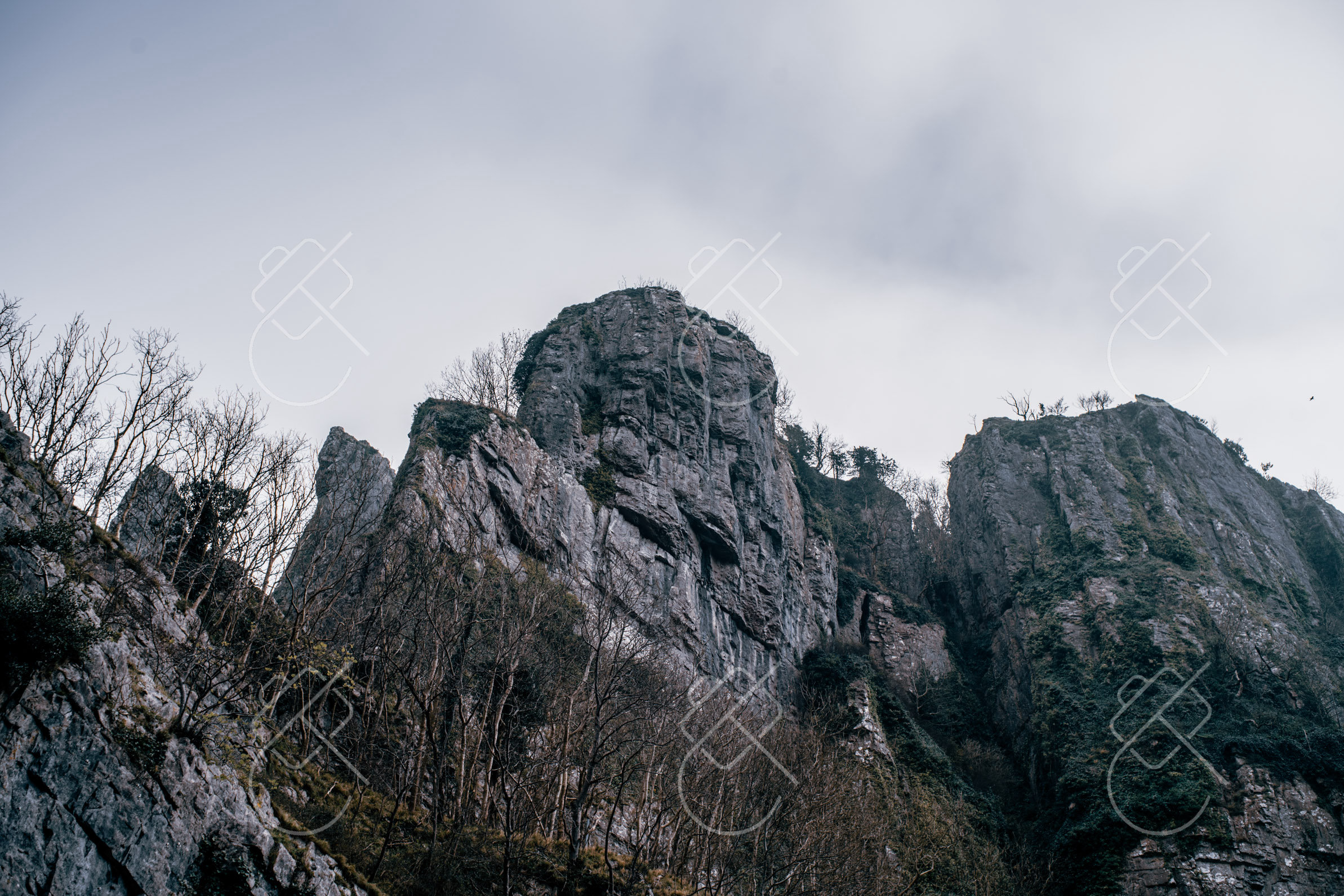
Cheddar Gorge is the largest gorge in Britain, a 137-meter-deep limestone canyon in the Mendip Hills with a road running through the bottom of it, show caves at the village end, and a clifftop loop above.
The gorge is Carboniferous limestone, cut by meltwater floods over roughly the last 1.2 million years as the ground froze and thawed through repeated glaciations, and it reaches 137 meters at its deepest, which makes it the largest in the country. The B3135 runs the whole length of it, so the classic first look is from the road: two walls of grey rock closing in, ledges of moss and stunted trees, and feral goats on ground no walker would attempt. Cars, cyclists and coaches share a lane and a half with no pavement at the narrowest points, so the honest advice is to park at the village end and walk in. For height, Jacob's Ladder climbs 274 steps out of the village to a viewpoint on the southern rim, where a three-mile clifftop circuit runs around the top of the gorge and looks down on the road you drove in on.
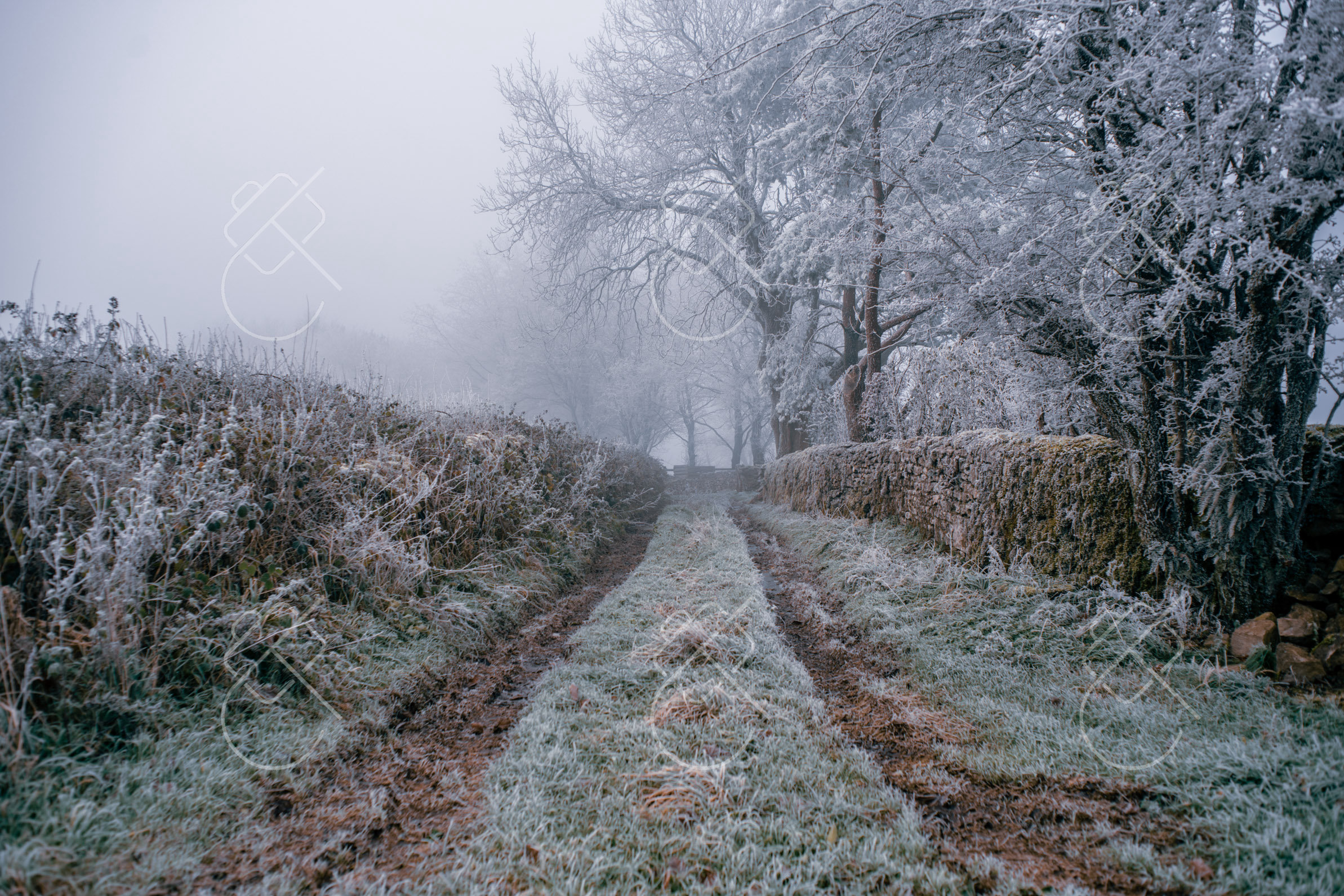
A frozen hedgerow lane on the Mendip plateau above the gorge
The caves at the foot of the gorge are the other half of the story. Gough's Cave runs about 3.4 kilometers into the hillside, and in 1903 workmen digging there uncovered Cheddar Man, Britain's oldest complete human skeleton, dated to roughly 9,000 years old and now in London's Natural History Museum. The caves also explain the cheese: their steady temperature and humidity made them a natural maturing store, a practice from the era before refrigeration that the Cheddar Gorge Cheese Company revived, and you can still buy cave-matured cheddar aged inside Gough's Cave itself. Above the gorge the landscape flattens into Mendip farmland, all drystone walls and hedgerows, which on a cold morning does more for a photograph than the cliffs do.
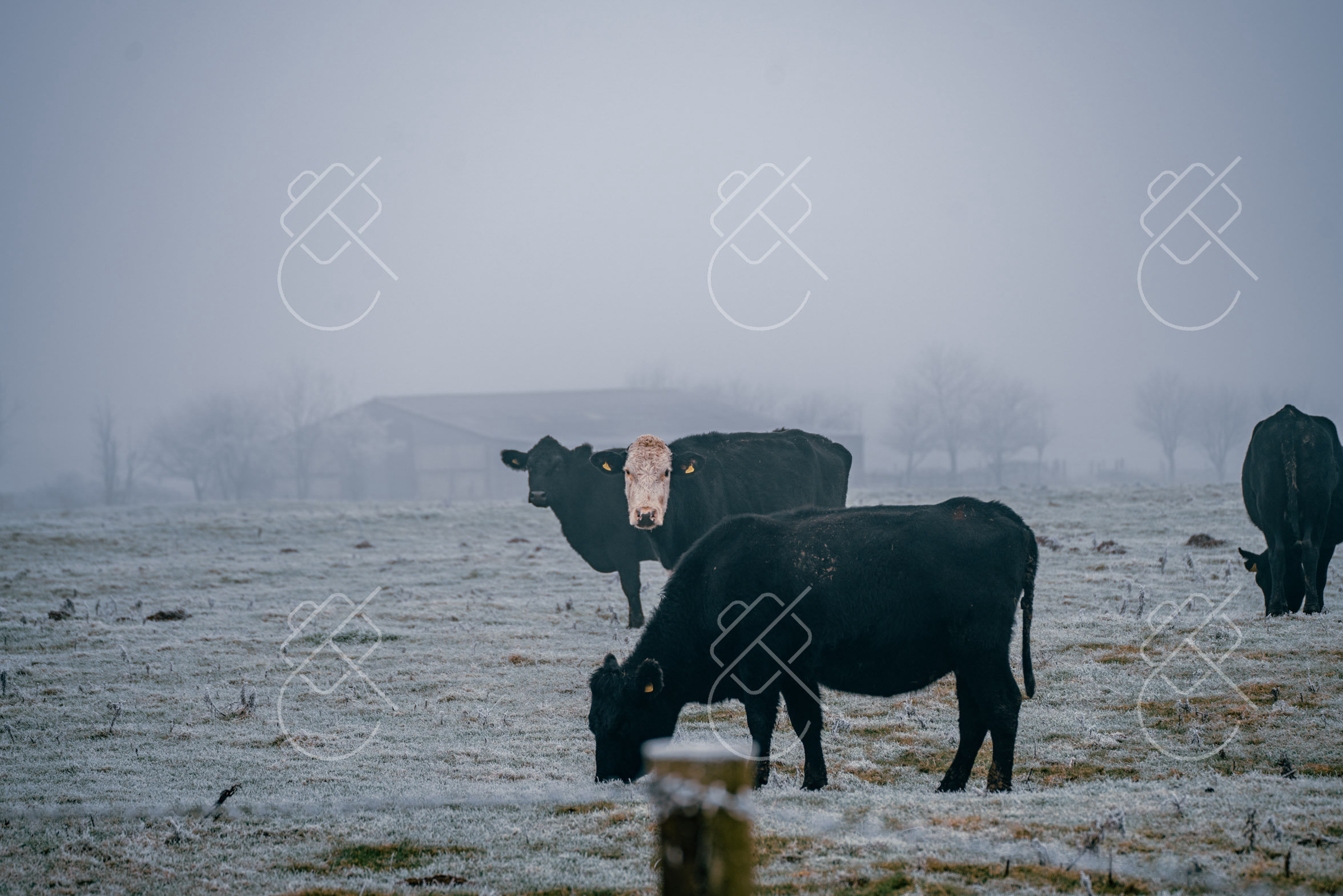
A clear winter morning. Frost holds on the Mendip fields and hedgerow lanes well past sunrise, the gorge road is nearly empty of coaches, and the low sun reaches down between the cliffs rather than flattening them out.
Cheddar village puts you at the mouth of the gorge for an early start, though Wells, fifteen minutes away, has better pubs and dinner options.
Buy a wedge of cave-matured cheddar at the village end of the gorge, aged in Gough's Cave, and eat it with local cider rather than in a sit-down restaurant.
Walk the gorge, don't drive it. There is no pavement through the narrow section, and the pull-ins fill early, so parking in Cheddar village and walking up costs you twenty minutes and saves the whole experience.
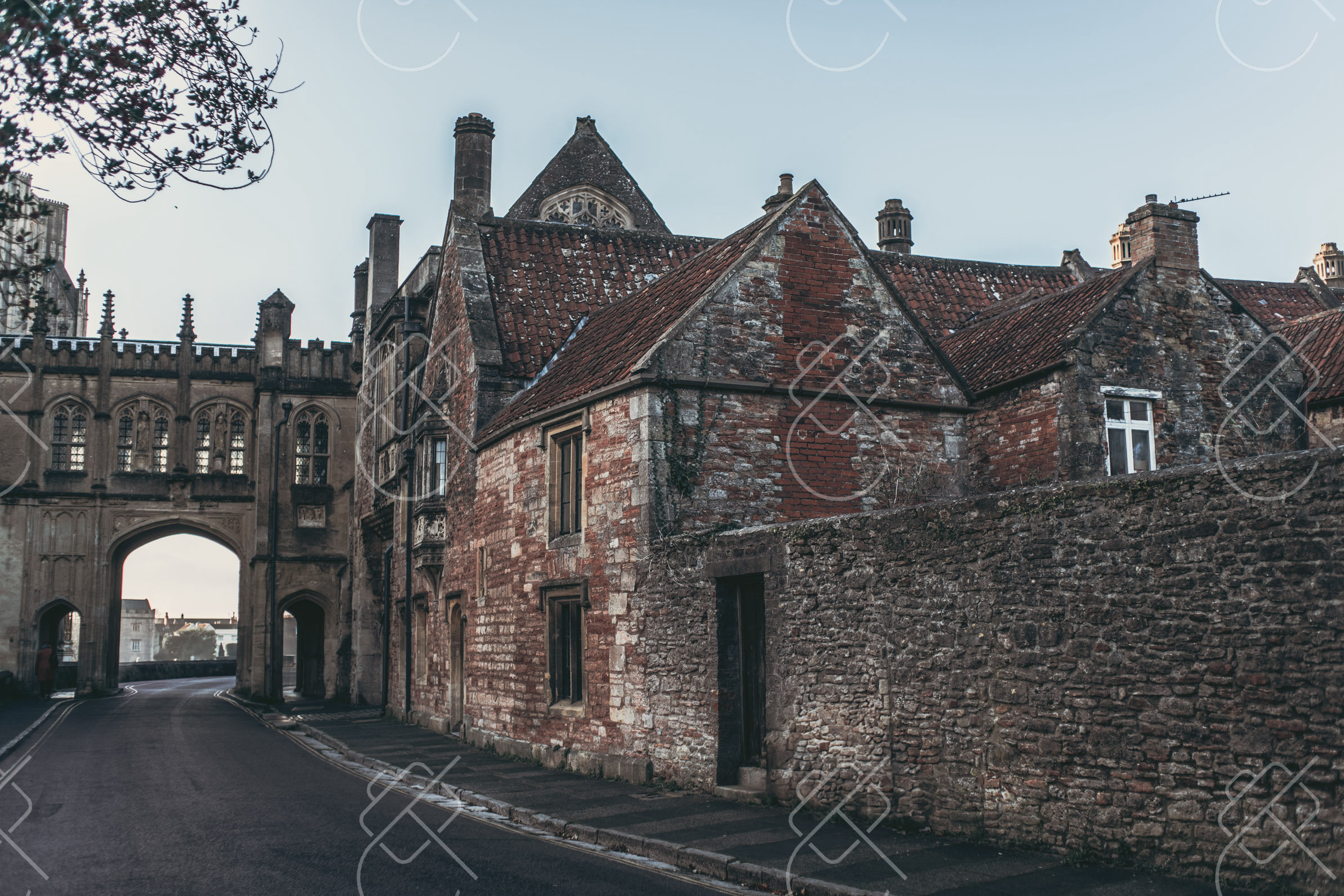
Wells is England's smallest city, a market town of about 12,000 people that qualifies only because of its cathedral, and the cathedral is worth the whole trip on its own.
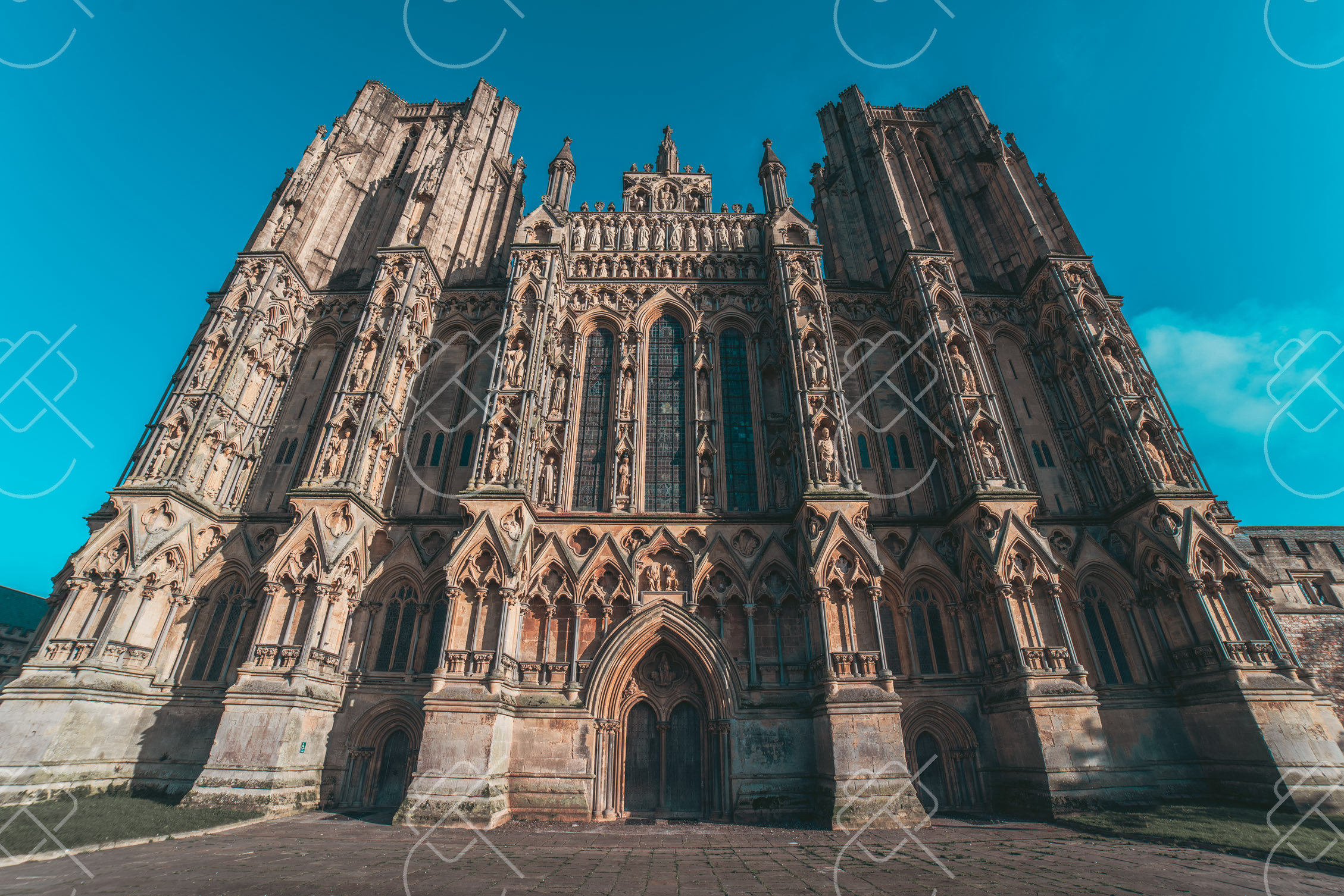
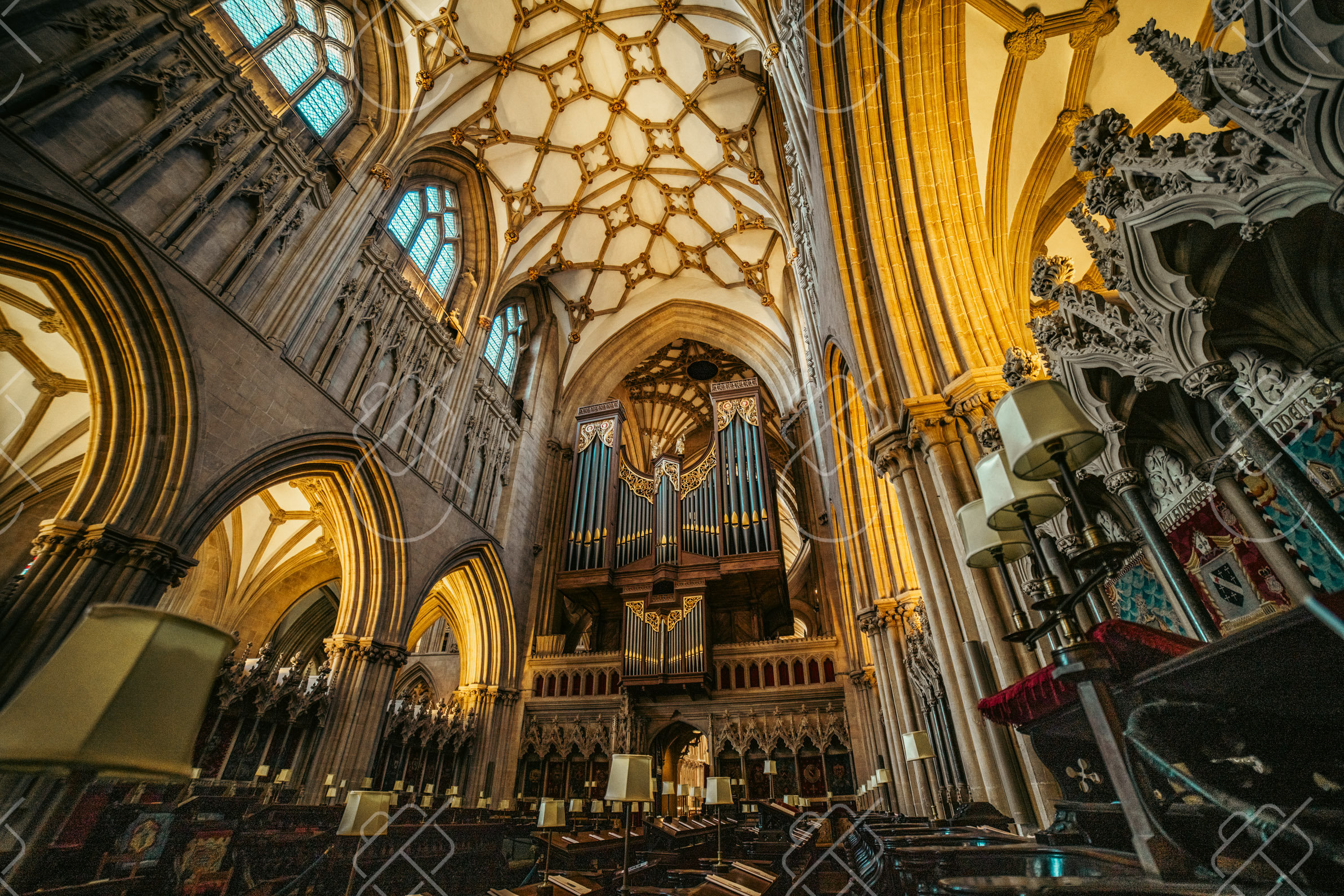
Wells Cathedral's west front is a wall of medieval sculpture, close to 300 figures set in tiers across the facade, and it faces a lawn wide enough to take the whole thing in without a lens. Inside, the surprise is structural: by the 1330s the central tower was sinking into its foundations and cracking the piers, so master mason William Joy inserted a set of scissor arches between 1338 and 1348, an inverted arch stacked on an upright one, forming a stone hourglass across the crossing. It was an engineering fix, it is still doing its job nearly seven centuries later, and it looks like nothing else in England. In the north transept, the cathedral clock dates from around 1390, and on every quarter hour a set of model knights above the dial ride out and joust, the same one taking a hit each time.
The tiered sculpture of Wells Cathedral's west front against a clear winter sky
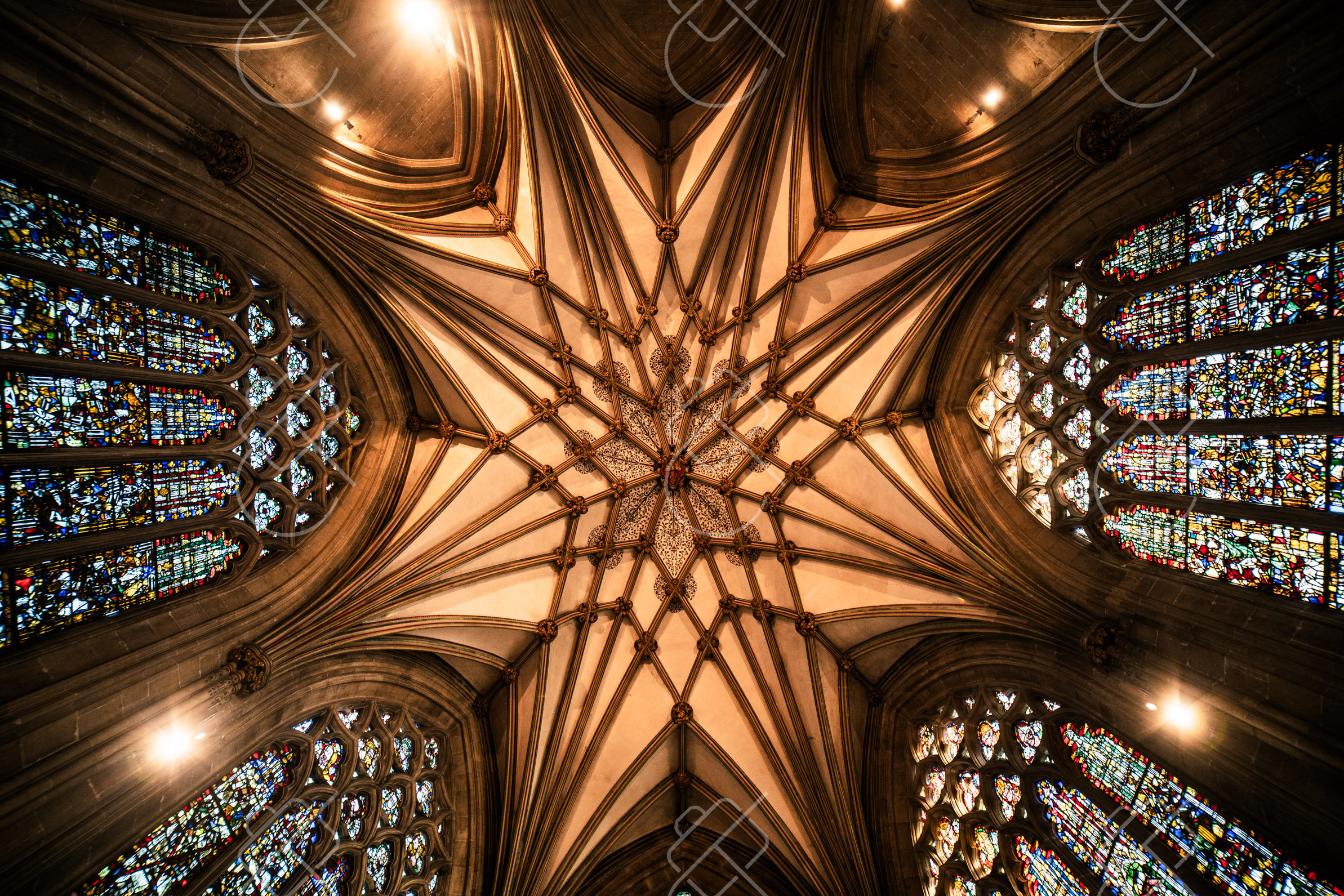
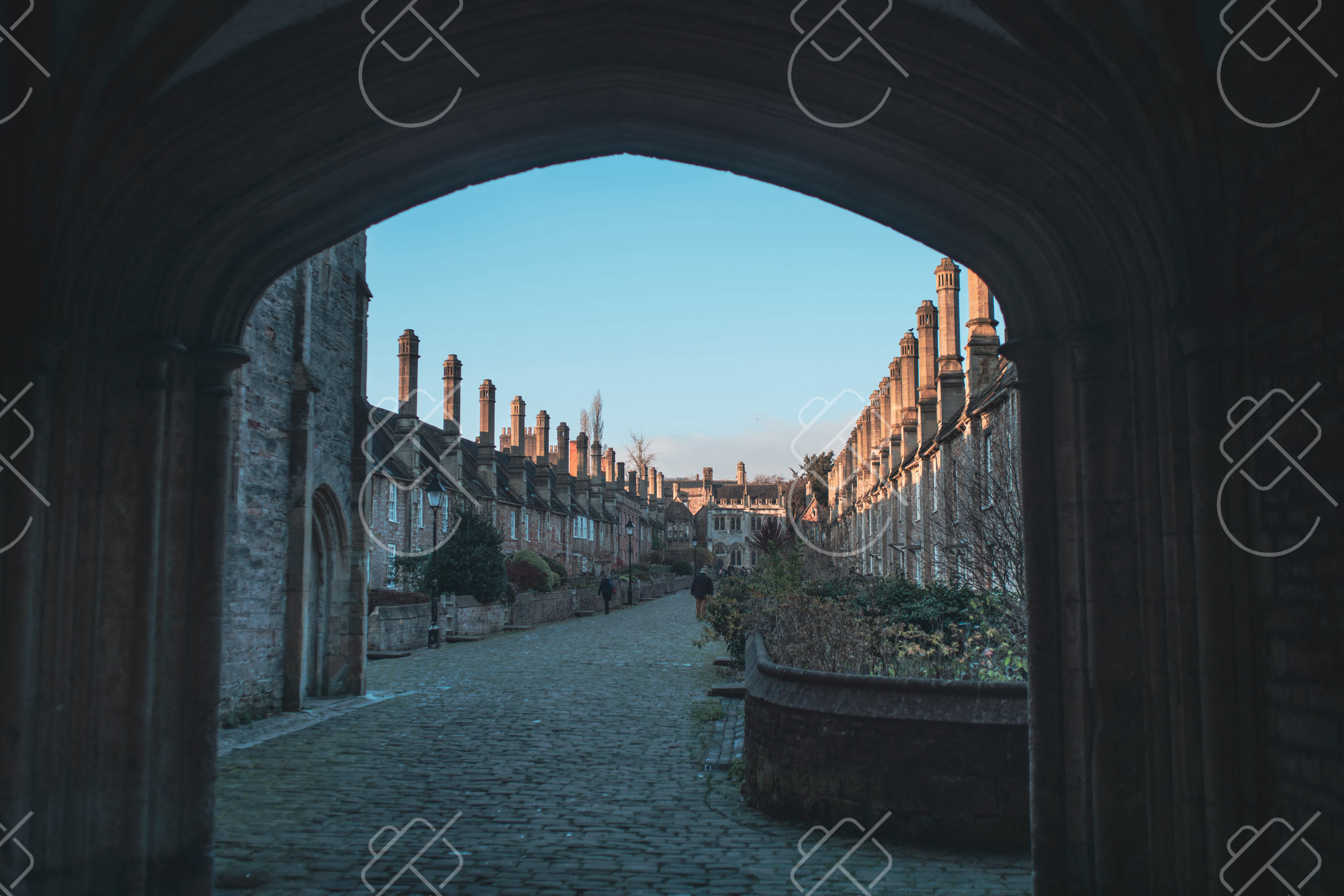
The rest of the close is the reason to stay longer than the nave takes. Worn steps curve up from the north transept to the chapter house, an octagon of 1306 where the ribs of the vault fan out from a single central shaft like a stone palm. Through the Chain Gate is Vicars' Close, built in 1348 for the cathedral's vicars choral and generally described as the oldest purely residential street in Europe with its original buildings intact, a straight run of stone houses with tall chimneys narrowing toward the chapel at the far end. Behind the cathedral, the moated Bishop's Palace has its own long-running party trick: the swans on the moat have been trained across generations to ring a bell by the gatehouse when they want feeding.
Late afternoon in winter, when the sun comes in low across the green and lights the west front's statues from the side instead of washing them out.
Stay by the Market Place, a two-minute walk from the cathedral green through the medieval Penniless Porch.
A ploughman's with Somerset cheddar and local cider in one of the pubs around the Market Place, which runs a produce market on Wednesdays and Saturdays.
Check the evensong time before you go and sit in the quire for it — the building does something acoustically that a daytime visit with a guidebook will not show you.
Glastonbury is another fifteen minutes south, and the Tor is visible long before you reach it: a 158-meter hill above the Somerset Levels topped by the roofless St Michael's Tower, all that survives of a 14th-century church. The walk up from the town takes about twenty minutes and is worth timing for the last hour of daylight, when the Levels below often hold mist and the tower goes to silhouette.
Explore regional routes with verified local fleets, zero hidden charges, and transparent insurance on Localrent.
Find the best deals on Somerset accommodation with Booking.com.
Transit cards, local customs, visa rules, and practical travel guides for this region.
See every destination from the 526-day journey:
Browse all destinationsCurious about the gear behind these photos? See the gear list.