
Home
About us
Destinations
Travel Guides
Recipes
Featured
Photos As Art
Abstract Prints
Locations
Travel Gear
Travel Resources
Favorites
Photo Framer
Explore Photos
ContactLondon rewards walkers: the Gothic spire of Big Ben and the Houses of Parliament rise over the Thames, red double-decker buses circle Trafalgar Square, and mounted Household Cavalry guards stand watch outside Horse Guards. It's a city of grand Victorian stonework and everyday street life colliding on the same block, and most of its best-known landmarks sit within a single long riverside walk.
Published August 30, 2025
Tap any photo to open it full-screen and order a print.
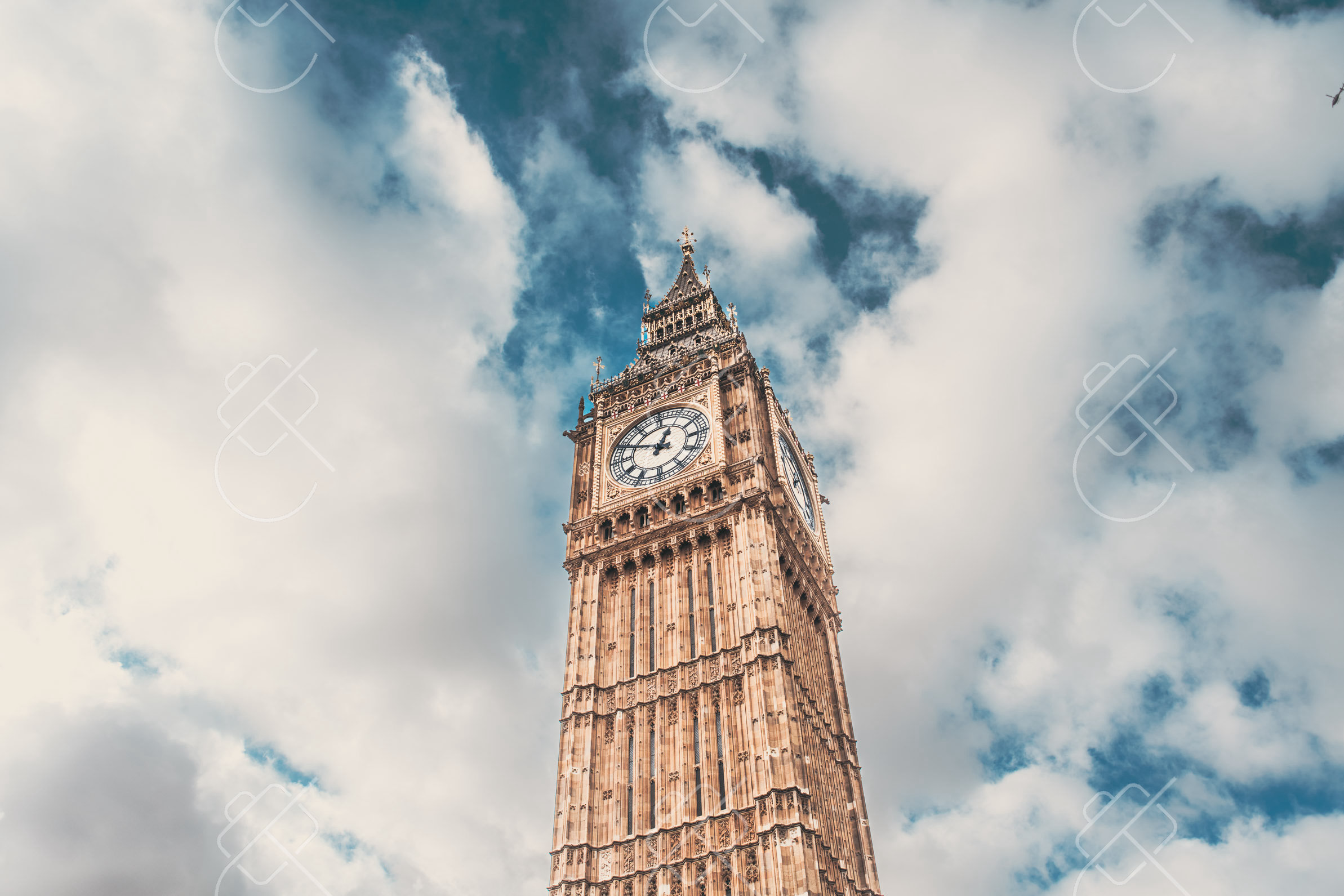
London is Britain's capital and its most-photographed city, where the Gothic tower of Big Ben, the London Eye's slow turn over the Thames, and the ceremonial guards of Horse Guards and Trafalgar Square sit within walking distance of one another along the river.
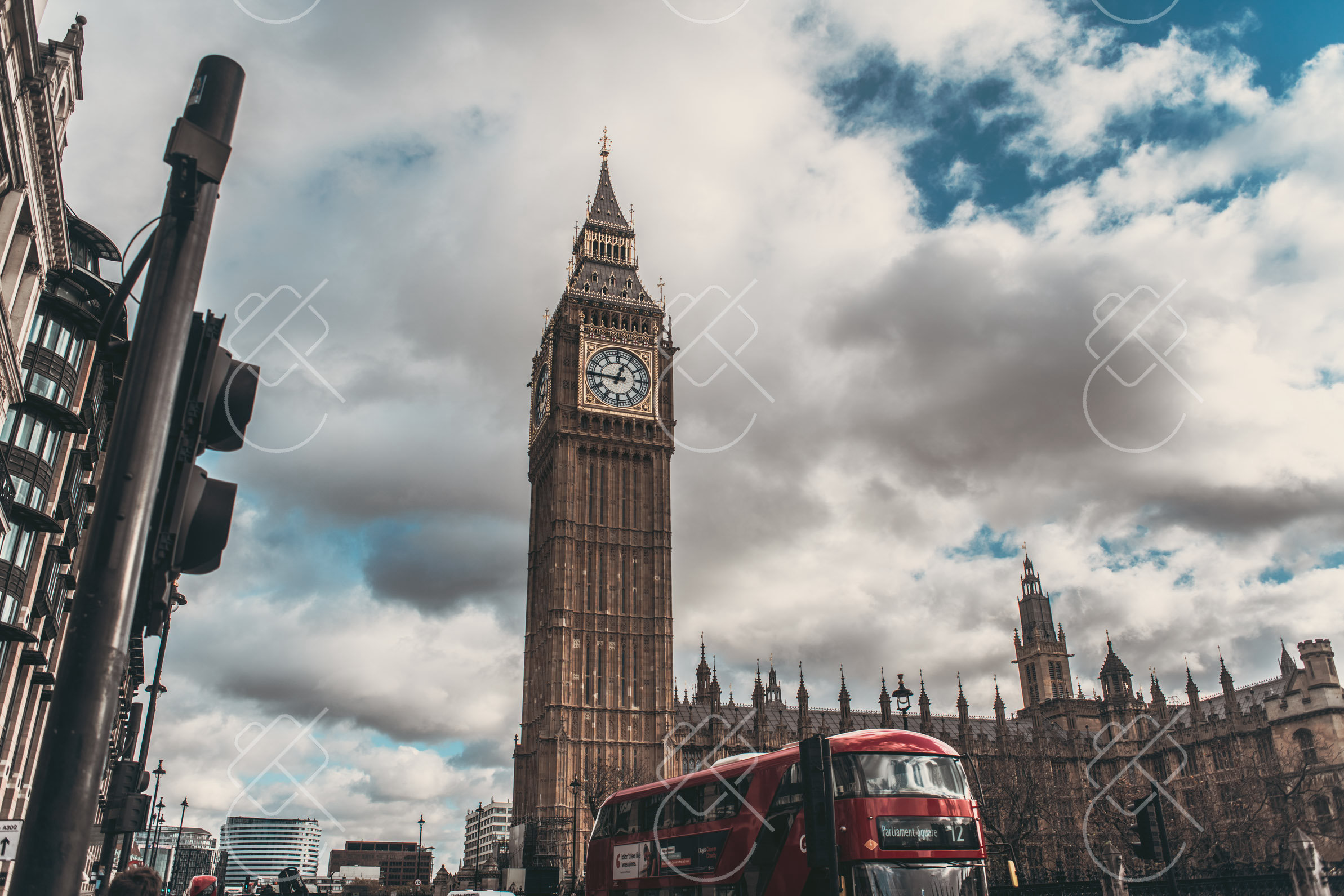
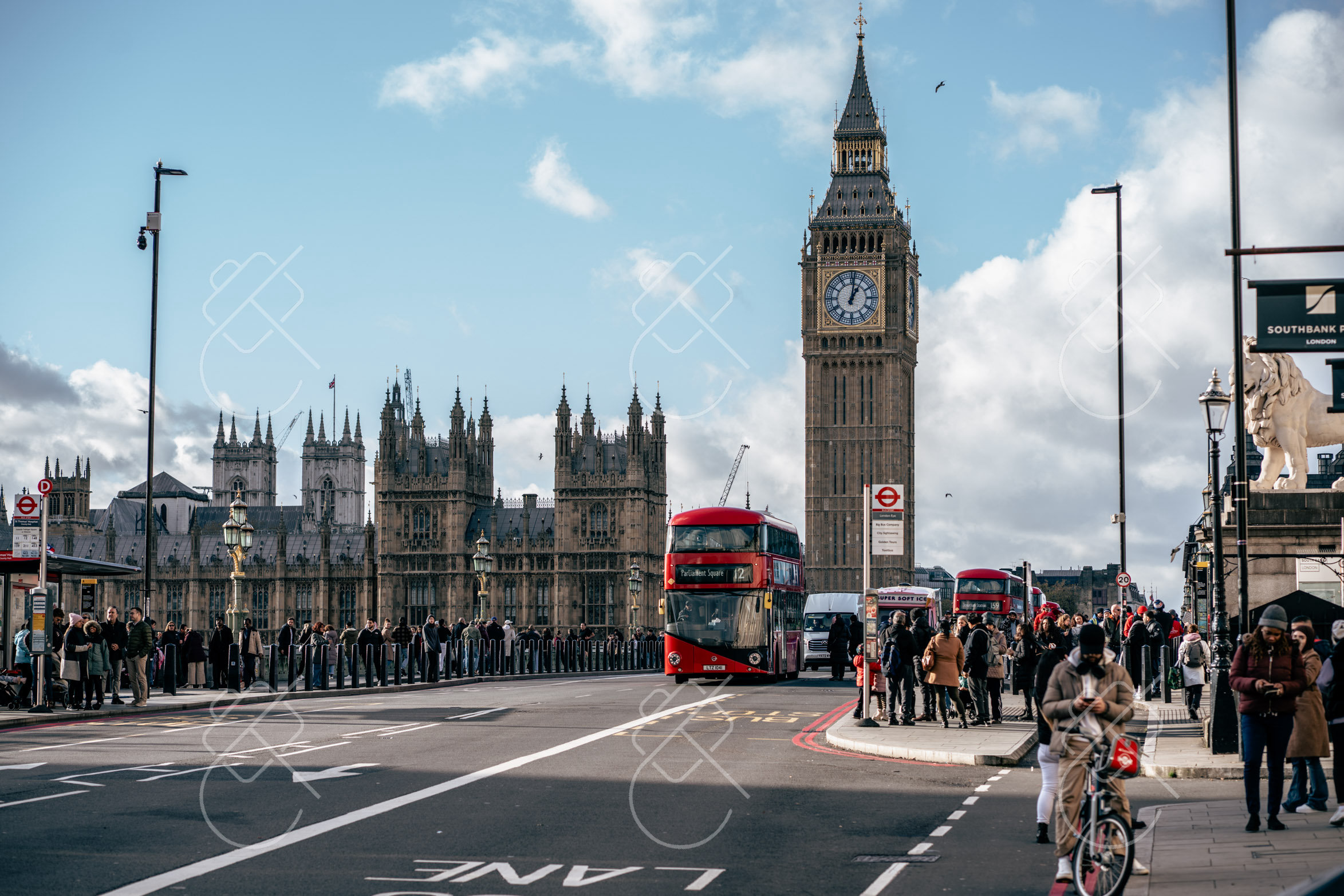
Westminster is where London's postcard image comes together. The clock tower properly known as Elizabeth Tower — everyone still calls it Big Ben, technically the name of the bell inside — rises over the Houses of Parliament at the bend of the Thames, and Westminster Bridge gives the classic angle: Gothic Revival stonework on one side, a red double-decker rumbling past on the other. Cross the bridge for the view back across the river, or walk the Embankment north toward Trafalgar Square, where Nelson's Column stands ringed by fountains, lions, and the National Gallery's columned front. Traffic noise aside, this stretch — Parliament Square to Trafalgar Square to Piccadilly Circus — is walkable in under an hour and covers most of what people picture when they picture London.
Big Ben and a red double-decker bus crossing Westminster Bridge together
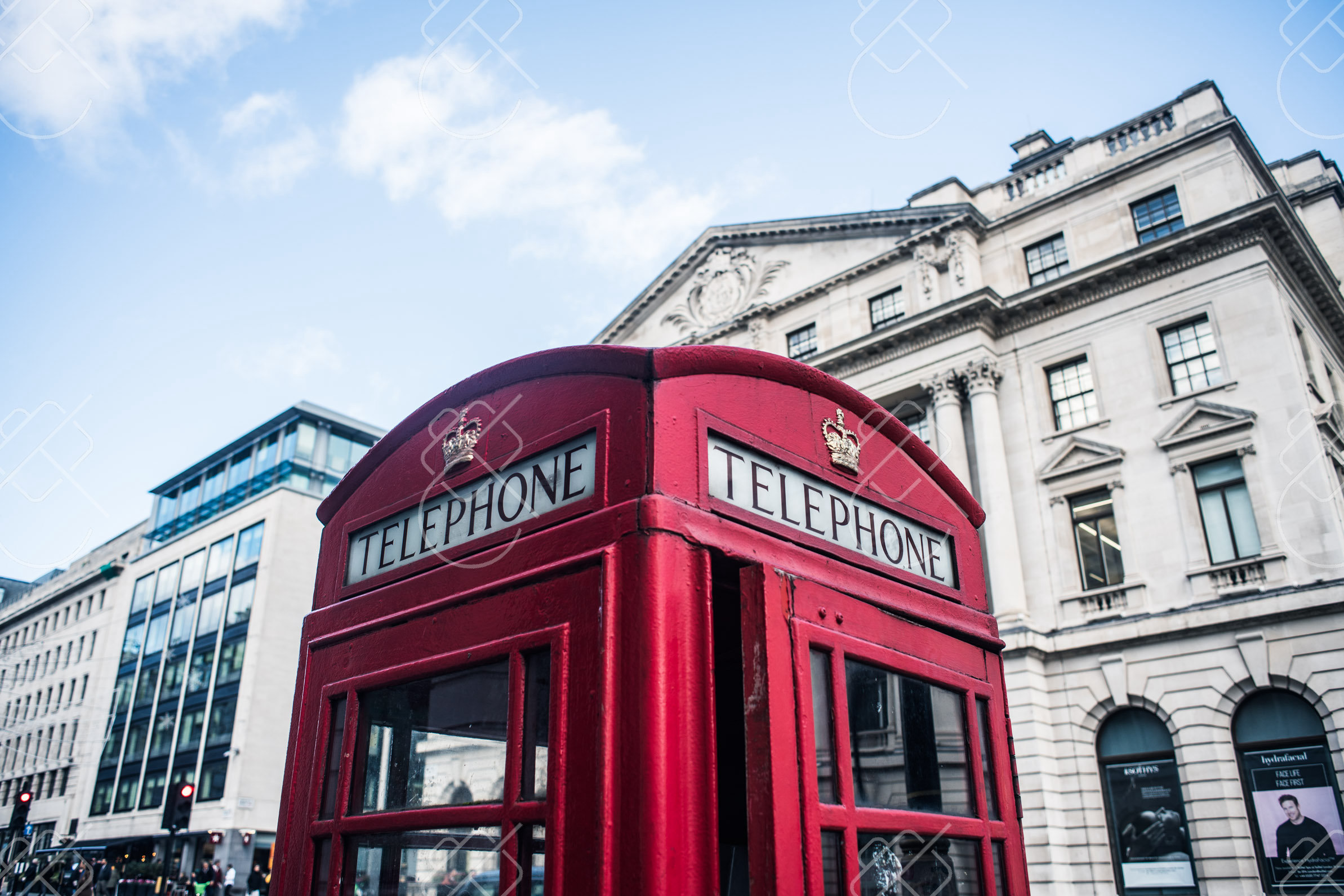
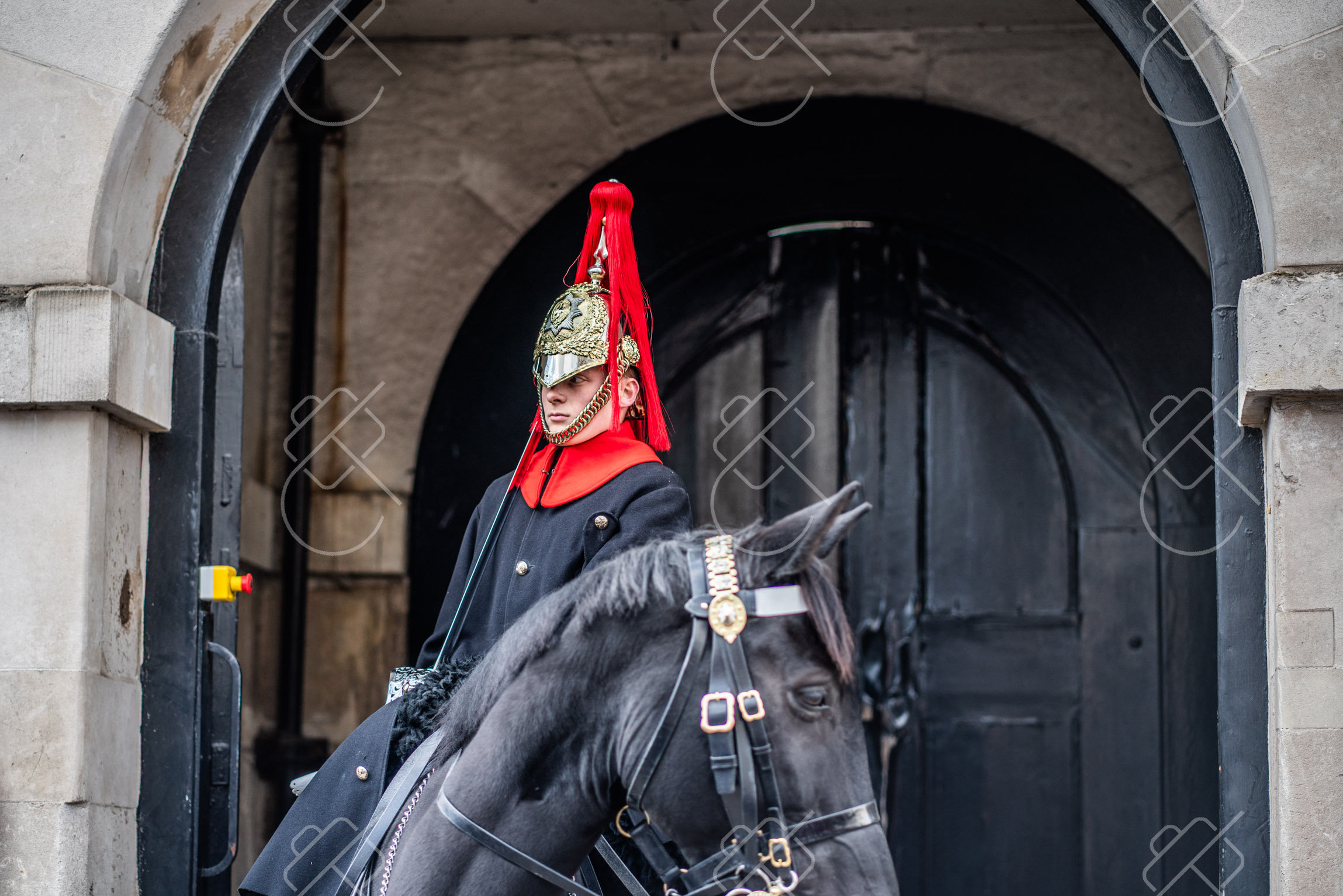
A few minutes off Whitehall, Horse Guards holds one of London's more overlooked ceremonies: mounted troopers of the King's Life Guard, in polished breastplates and horsehair-plumed helmets, stand sentry at the arched gatehouse through the late morning, and the Guard changes daily around 11am (10am on Sundays) with considerably smaller crowds than Buckingham Palace draws for the same ritual. The red telephone boxes scattered around Westminster and Covent Garden are a holdover from the same era of civic design, most now stripped of their phones and repurposed as tiny book exchanges or phone-charging points, but still worth photographing for the colour alone against the grey stone terraces. Between the guards, the boxes, and the black cabs, this is the London that shows up on postcards for a reason — it's simply still doing its own thing in daily traffic.
Late spring to early autumn (May–September) for the longest daylight and driest weather, though November's low winter light suits the stone architecture well.
Base yourself in Covent Garden or Westminster for walking access to Big Ben, Trafalgar Square, and the river.
A proper Sunday roast with Yorkshire pudding, fish and chips wrapped to go, and a pork pie or scotch egg from Borough Market.
Cross to the south bank of Westminster Bridge for the Big Ben photo everyone actually wants — the north side puts you too close and under the tower.
Looking for the best deals on London hotels? Check Booking.com.
Before setting out for London, England, World Nomads was the travel insurance policy we picked to cover the unexpected.
Transit cards, local customs, visa rules, and practical travel guides for this region.
See every destination from the 526-day journey:
Browse all destinationsCurious about the gear behind these photos? See the gear list.