By Clever Tourists · Published · Last updated
Go to Tegallalang if you are staying in Ubud and want terraces for an hour or two; go to Jatiluwih if you want the big UNESCO-listed landscape and a proper walk; go to Sidemen if you want a working valley without crowds. Tegallalang is about 20 to 30 minutes north of Ubud, with a small entry ticket, donation points on the paths and the famous swings around it. Jatiluwih is 1.5 to 2 hours west, costs Rp75,000 per foreign adult and has five marked trails from 1 to 4 hours. Sidemen, in the east, is about 1.5 hours from Ubud and has no single ticketed viewpoint; we stayed there for three nights in June 2023. At all three, go early: Jatiluwih itself recommends 8 to 10am.
This page contains affiliate links. If you book or buy through them we may earn a commission, at no extra cost to you.
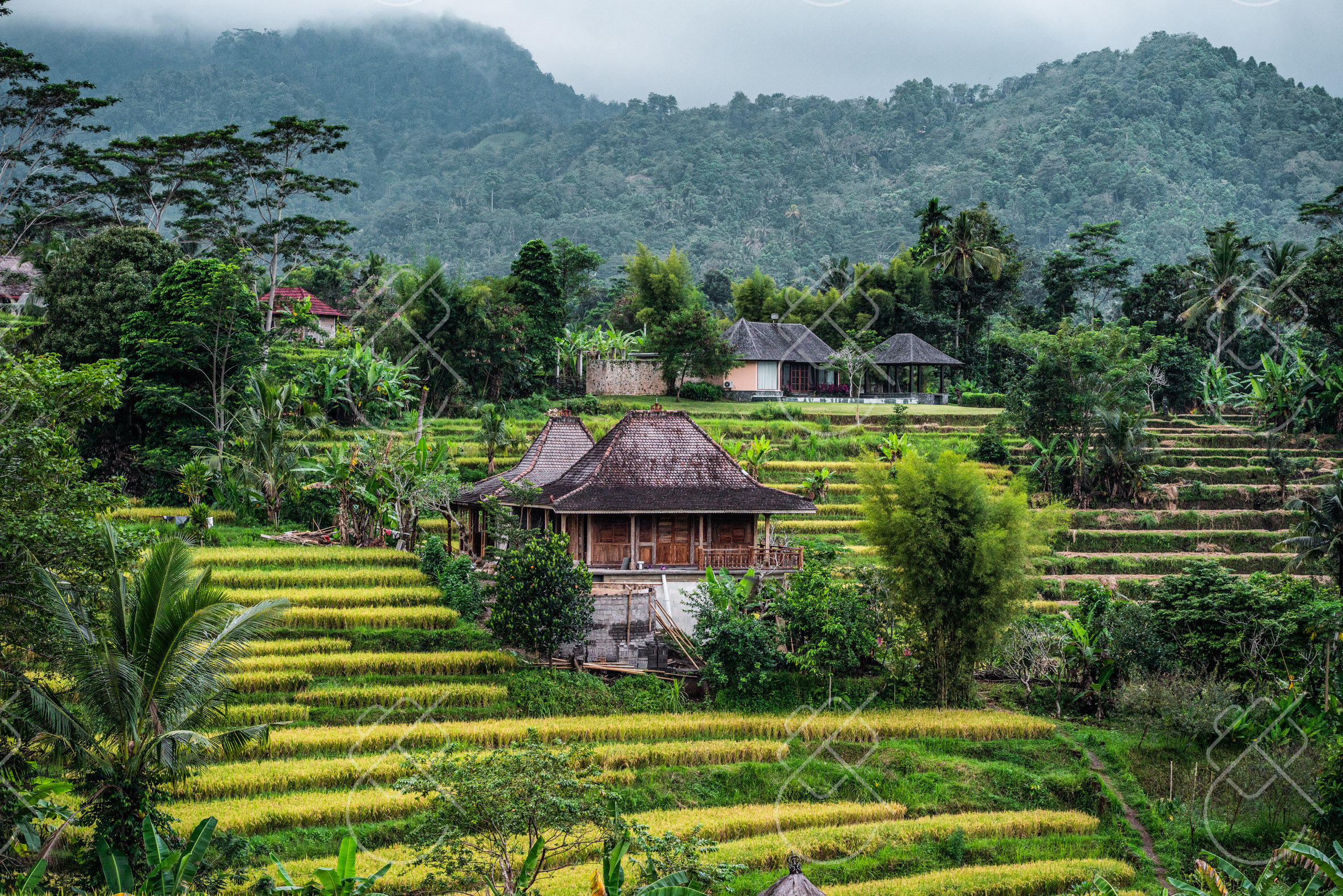
Jatiluwih's prices and hours are official. Tegallalang has no published tariff that we could find, so its figures are what visitors reported in 2024 to 2026.
| Tegallalang | Jatiluwih | Sidemen | |
|---|---|---|---|
| From Ubud | 20-30 minutes north | 1.5-2 hours west | About 1.5 hours east |
| Entry | About Rp15,000-25,000, plus small donations on paths | Rp75,000 adult, Rp50,000 child (foreign) | No single ticket |
| Scale | One steep valley | 2,233 ha area, 227 ha of rice, five trails | A long valley of villages and fields |
| UNESCO | No | Yes, part of the Bali subak listing | No |
| Crowds | Busy from mid-morning | Room to spread out | Quiet |
| Best for | A short visit from Ubud, swings, cafes | Walking, the classic wide views | Staying a night or two |

The Tegallalang terraces step down both sides of a narrow valley just off the main road north of Ubud, about 20 to 30 minutes by car or scooter. Cafes and shops line the rim, and paths drop into the valley and up the far side. It is the easiest terrace to fit into a day, which is also why it fills up: by mid-morning the paths and viewpoints are crowded, so go at opening time.
Fees: expect a small entry ticket at the main entrances, reported at about Rp15,000 to 25,000 per person. Inside, farmers whose land the paths cross often ask for a donation at a bridge or a gate, usually a few thousand rupiah. These are their fields, so pay; carry small notes. Wear shoes with grip: the steps are uneven and slippery after rain.
Tegallalang uses the same subak irrigation as the rest of Bali, but it is not one of the sites in the UNESCO listing. It pairs well with Tirta Empul and Gunung Kawi, a short drive away; our day trips from Ubud guide covers that morning.
The swings around Tegallalang, such as those at Alas Harum, are commercial parks hung over the valley, usually sold as packages with a swing, a photo spot or two and sometimes a zipline or sky bike. Prices on booking sites run roughly US$12 to US$50 per person depending on the package and how high the swing is; dress rental and photos often cost extra. Check what the ticket includes before you pay.
Safety is uneven, and it matters on a swing hung over a ravine. In July 2018 a French tourist died after falling from a swing at Tegallalang while pushing his son, and the regency suspended swing tours until operators had permits. Before you get on, check that you are clipped to a harness with a separate safety line, that staff do the pushing, and that the seat and ropes look in good condition. If any of that is missing, walk away.

Practical travel tips, straight to your inbox. Unsubscribe anytime.
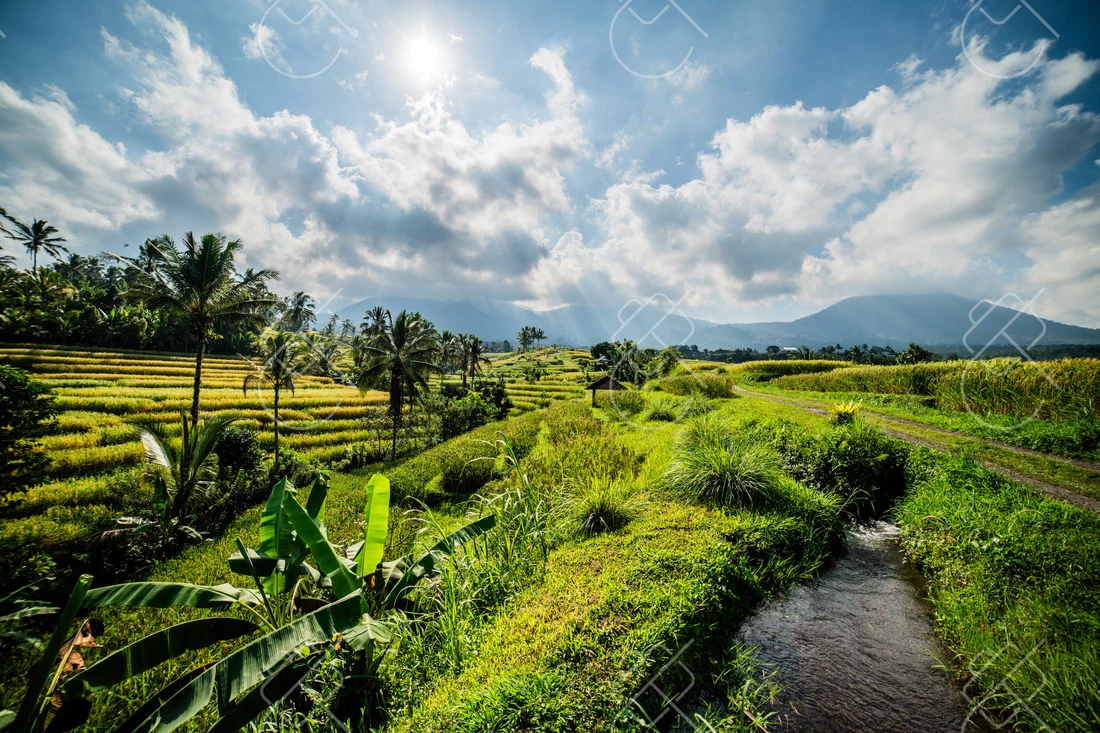
Jatiluwih, in Tabanan on the slopes of Mount Batukaru, was inscribed by UNESCO in 2012 as part of the Cultural Landscape of Bali Province: the Subak System. Subak is the farmers' cooperative irrigation system: water from springs on Batukaru moves from plot to plot in an order agreed at subak meetings, marked by ceremonies at the water temples. The area covers 2,233 hectares, 227 of them rice fields, and it is far bigger and quieter than Tegallalang.
Tickets and hours: open daily 8am to 6pm (Bali time). Foreign adults pay Rp75,000 and children Rp50,000; Indonesian visitors pay Rp25,000 and Rp15,000. One ticket covers the whole area and all five trails.
Trails: Red, about 1 hour and the flattest; Yellow, about 1 hour 10 minutes; White, about 2 hours; Green, 6 km and about 3 hours; Blue, 7 km and about 4 hours. Green and Blue are wide enough to cycle. The site recommends walking between 8 and 10am, before the heat.
Sidemen is a valley in east Bali, about 1.5 hours from Ubud, with terraced rice fields, villages and Mount Agung behind them when the cloud lifts. There is no ticket gate or single viewpoint: you walk lanes and paths between the fields, ideally with a local guide your guesthouse can arrange. It is better as an overnight stop than a day trip. We spent three nights there at the end of our Bali route in June 2023; see our 18-day Bali route.

Go early everywhere: the light is softer, the paths are cooler and the tour vans have not arrived. The fields look different through the year, flooded, green, gold or freshly cut, and the cycle varies field by field, so there is no single month when every terrace is at its greenest.
• Tegallalang: scooter, Grab or Gojek from Ubud, or stop on the way to Tirta Empul.
• Jatiluwih: hire a driver for the day and combine it with Ulun Danu Beratan, the lake temple about 45 minutes beyond.
• Sidemen: a driver from Ubud, or stay a night or two.
Remember Bali's IDR 150,000 tourist levy, paid once per trip on the official Love Bali site. Base yourself with our where to stay in Ubud guide, and plan the rest of the town with how many days in Ubud and the Ubud Monkey Forest guide.
Visitors report a small entry ticket of about Rp15,000 to 25,000 at the main entrances, plus small donations to farmers on the paths. Carry small notes.
Rp75,000 for foreign adults and Rp50,000 for children, per Jatiluwih's official site. Indonesian visitors pay Rp25,000 and Rp15,000. One ticket covers all five trails.
Tegallalang for a short visit from Ubud, 20 to 30 minutes away. Jatiluwih for the larger UNESCO-listed landscape and marked walks, 1.5 to 2 hours from Ubud.
Standards vary. A tourist died at a Tegallalang swing in 2018. Use one where you are clipped to a harness with a separate safety line and staff do the pushing.
At opening time in the early morning, before the paths get crowded and hot. The same goes for Jatiluwih, which recommends 8 to 10am.
Practical travel tips, straight to your inbox. Unsubscribe anytime.
Entry rules change, and they depend on your nationality — always confirm the current requirements on the official government site before you book or apply. Only use official government (.gov) portals; ignore look-alike agency sites.
Look up Ubud hotels near the places in this guide on Booking.com.