By Clever Tourists · Published · Last updated
The Istanbul Grand Bazaar (Kapalıçarşı) is open Monday to Saturday from about 8:30 or 9am to 7pm, and closed on Sundays and during the Ramazan and Kurban Bayramı religious holidays. Entry is free. It is one of the largest covered markets in the world, with about 4,000 shops on 61 covered streets and 22 gates, and the T1 tram stops right outside at Beyazıt-Kapalıçarşı. Shops start closing from about 6:30pm, so do not arrive late. Below: hours and closures, which gate to use, what is worth buying, how to bargain in lira, the Spice Bazaar compared, and the scams to know. We spent two weeks in Istanbul in October 2023; the facts here are checked against Turkey's official tourism site and the bazaar's merchants' association.
This page contains affiliate links. If you book or buy through them we may earn a commission, at no extra cost to you.
The bazaar is run by its traders, and neither its merchants' association nor the tourism ministry publishes a fixed timetable. Guides consistently give the same pattern, so plan on this and leave a margin at each end:
| Day | Open? | Notes |
|---|---|---|
| Monday to Saturday | Yes, about 8:30 or 9am to 7pm | Shops start pulling shutters from about 6:30pm |
| Sunday | Closed | Every Sunday, all year |
| Ramazan Bayramı | Closed, at least on the first day | 9 to 11 March 2027; many shops stay shut for longer, and the eve (8 March) is usually short |
| Kurban Bayramı | Closed, at least on the first day | Falls in May 2027; check Diyanet's calendar for the exact days |
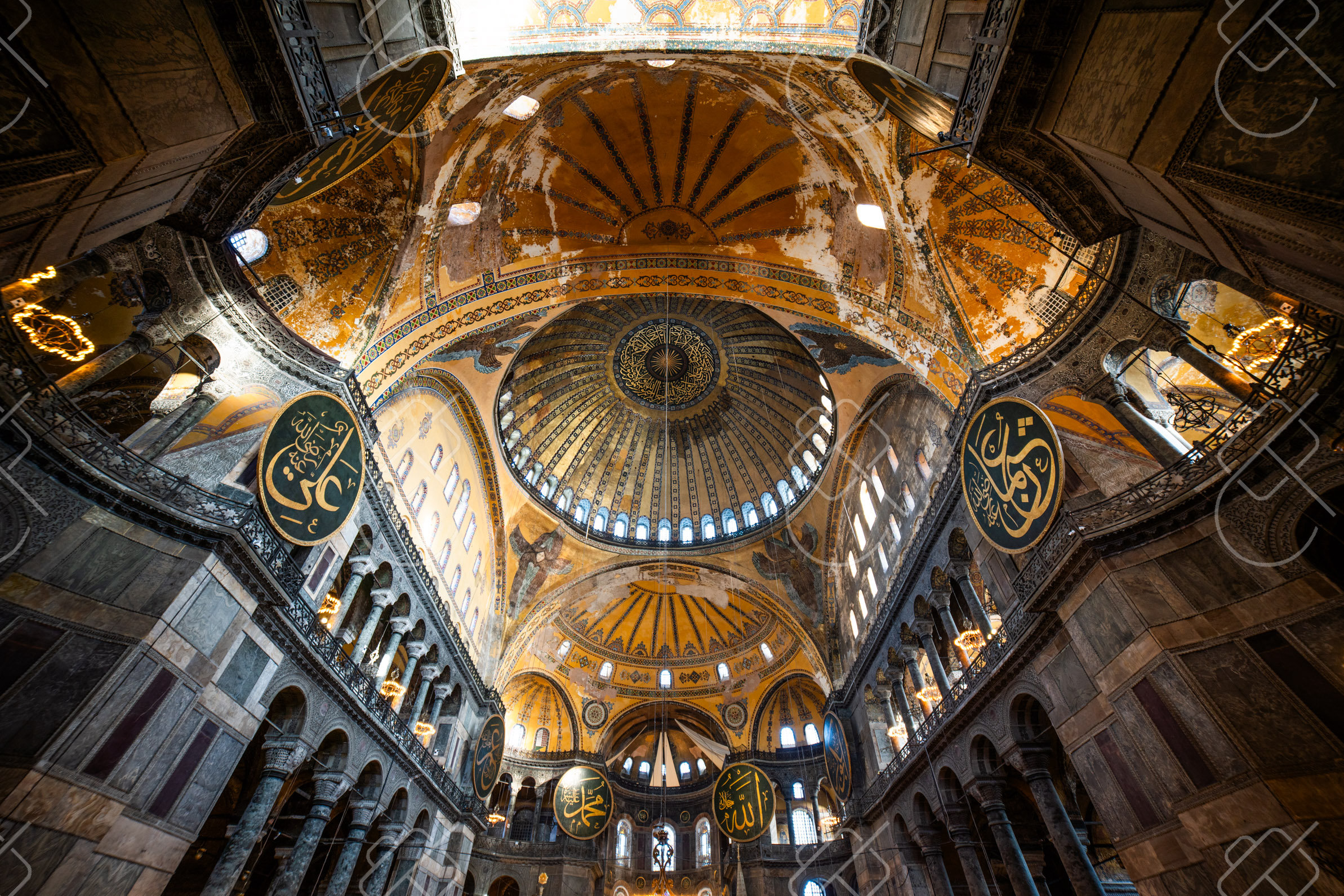
The bazaar has 22 gates, but three cover almost every visit:
• Beyazıt Gate (west), by the Beyazıt-Kapalıçarşı stop on the T1 tram, and close to the Beyazıt Mosque and Istanbul University. It carries the imperial monogram of Sultan Abdülhamit II.
• Nuruosmaniye Gate (east), next to the Nuruosmaniye Mosque and a short walk from the Çemberlitaş T1 stop. This is the easy entrance if you are walking from Sultanahmet, about 10 to 15 minutes away.
• Mahmutpaşa Gate (north side), which opens onto the busy downhill shopping street toward Eminönü and the Spice Bazaar.
Note the gate you came in by. The covered streets look alike, and the simplest way to get your bearings again is to find the main street, Kalpakçılar Caddesi, lined with jewellers, which runs between the Beyazıt and Nuruosmaniye gates.
Turkey's tourism ministry lists carpets, silk, Ottoman-style lamps and tea sets among the bazaar's staples. The things most worth your money:
• Kilims and carpets. The biggest purchase and the hardest to judge. Ask whether it is hand-knotted or machine-made, wool or silk, new or old, and get it in writing on the receipt.
• Peştemal towels and cotton textiles: light to pack and cheap enough that a bad bargain does not hurt.
• Mosaic lamps, ceramics and tea glasses. Ask the shop to pack fragile pieces properly, or ship them.
• Leather and gold jewellery, along Kalpakçılar Caddesi for the gold. Gold is priced largely by weight and the day's rate, so compare two or three shops.
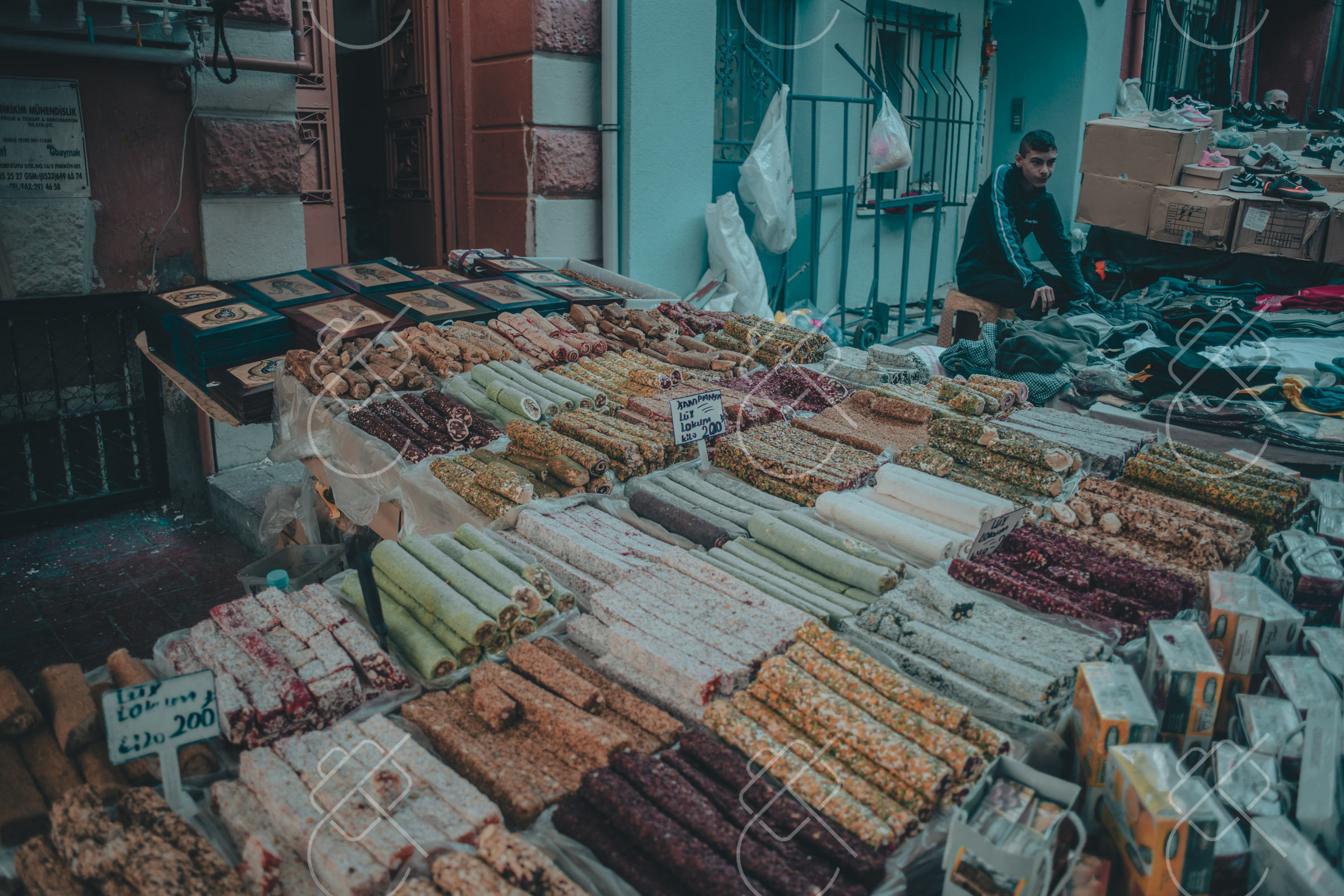
• Lokum (Turkish delight), tea and spices, though these are better value at the Spice Bazaar or a neighbourhood shop.
For a longer list, see our best souvenirs from Turkey.

Practical travel tips, straight to your inbox. Unsubscribe anytime.
Bargaining is expected for carpets, lamps, ceramics, leather and most souvenirs; it is not expected for packaged food with a printed price. A few rules that work:
• Know the rate. In early November 2026 one US dollar bought about 50 Turkish lira, so 1,000 TL is about $20. Do the conversion yourself before you counter, and expect prices in tourist areas to be quoted in euros or dollars as well as lira.
• Ask the price first, then counter well below it, and settle somewhere between. Walking away politely is a normal part of the process, and often brings the price down.
• Pay in lira. If you pay by card, choose to be charged in TRY, not in your home currency, to avoid the shop's conversion rate. Cash in lira gives you a little more room on the price.
• Accepting tea from a trader is hospitality, not a commitment to buy.
Tipping is not part of shopping; it applies to restaurants and services. See tipping in Turkey.
The two are often confused. The Spice Bazaar (Mısır Çarşısı, the Egyptian Bazaar) is smaller, sits by the Eminönü T1 stop and the ferry piers, and sells mainly spices, lokum, dried fruit, nuts and tea. Unlike the Grand Bazaar, it opens on Sundays, though Sunday hours are shorter, and it also closes for bayram.
| Grand Bazaar | Spice Bazaar | |
|---|---|---|
| Best for | Carpets, lamps, ceramics, leather, gold, textiles | Spices, lokum, dried fruit, nuts, tea |
| Sundays | Closed | Open, shorter hours |
| Tram stop | Beyazıt-Kapalıçarşı or Çemberlitaş (T1) | Eminönü (T1) |
| Time to allow | 1.5 to 3 hours | 30 to 60 minutes |
The bazaar itself is safe, but it is crowded, and pickpockets work the main streets and the T1 tram. Keep a phone in a front pocket and a bag zipped and in front of you.
The classic setup is a friendly stranger outside the bazaar or in Sultanahmet who offers to show you a 'good shop' or a 'family carpet business'; the commission goes into your price. A shoe-shine man dropping his brush is another well-known opener. Our Istanbul scams guide covers both, plus taxis and bar bills.
Weekday mornings, soon after opening, are the calmest time. Saturdays and the hours just before closing are the busiest. Allow 1.5 to 3 hours for a first visit, longer if you are buying a carpet.
A good half-day: enter by the Nuruosmaniye Gate from Sultanahmet, browse, leave by the Mahmutpaşa Gate and walk downhill through the market streets to the Spice Bazaar, about 15 minutes, then take a ferry from Eminönü. Sultanahmet is the closest base for this; compare areas in where to stay in Istanbul.
No. The Grand Bazaar is closed every Sunday. The Spice Bazaar at Eminönü does open on Sundays, with shorter hours.
About 7pm Monday to Saturday, but shops start closing from about 6:30pm, so arrive by mid-afternoon if you want to shop properly.
It closes at least for the first day of Ramazan Bayramı (9 to 11 March 2027) and Kurban Bayramı (May 2027), and many shops stay shut longer.
No. Entry is free through any of the 22 gates.
Take the T1 tram to Beyazıt-Kapalıçarşı for the Beyazıt Gate, or to Çemberlitaş for the Nuruosmaniye Gate.
Pay in lira. With a card, choose to be charged in TRY rather than your home currency, and convert prices yourself at about 50 lira to the dollar (November 2026).
Practical travel tips, straight to your inbox. Unsubscribe anytime.
Entry rules change, and they depend on your nationality — always confirm the current requirements on the official government site before you book or apply. Only use official government (.gov) portals; ignore look-alike agency sites.
Plan your nights in Istanbul: hotels on Trip.com.