Home
About us
Destinations & Country Guides
Travel Guides
Recipes
Featured
Photos As Art
Abstract Prints
Locations
Travel Gear
Travel Resources
Favorites
Photo Framer
Explore Photos
Contact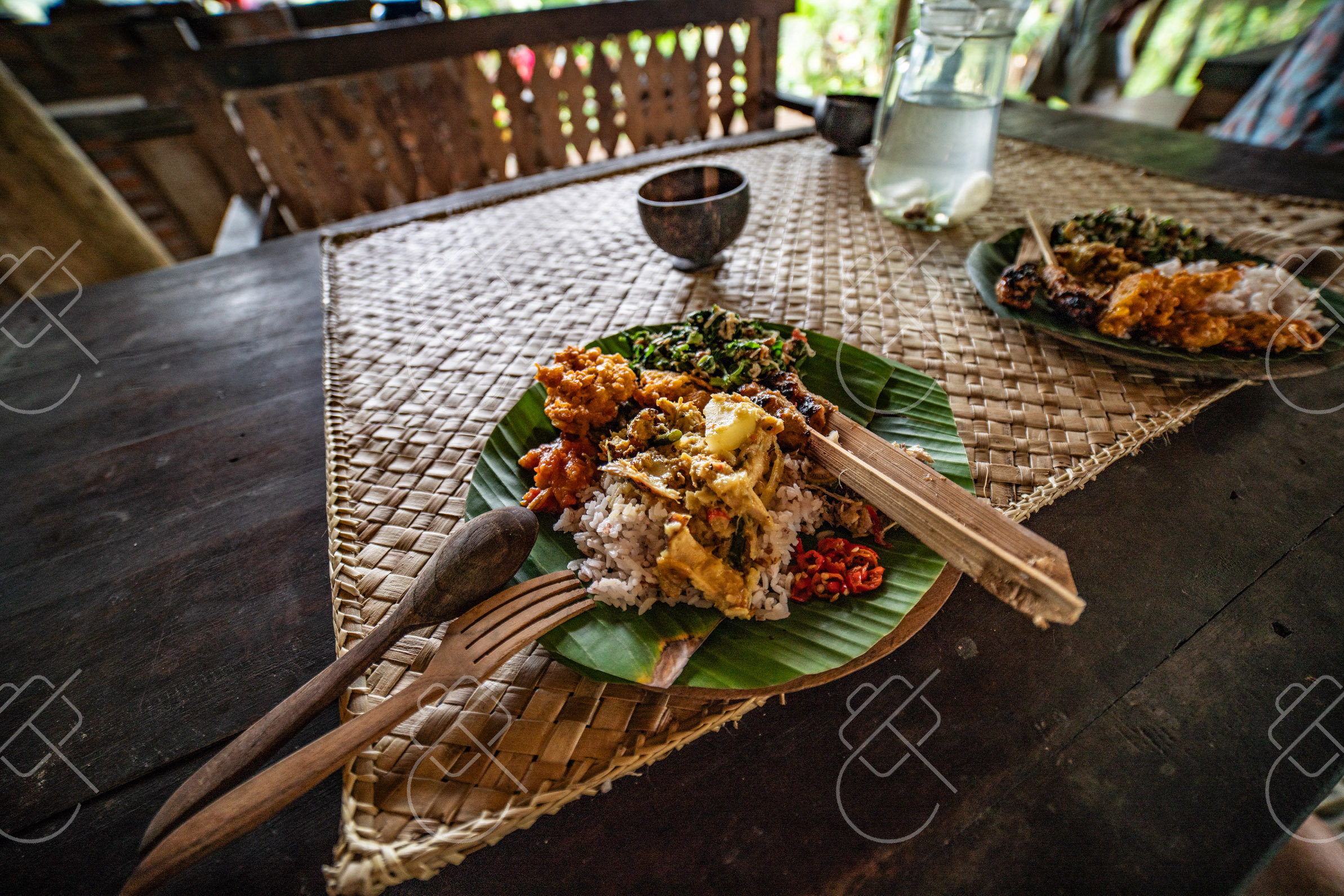 Food & culture
By Clever Tourists · Published
Babi guling, nasi campur and sate lilit are the three dishes that define Balinese food. Bali is Hindu in a Muslim-majority country, so its cooking is built on pork and on base genep, a dense spice paste of shallot, garlic, galangal, turmeric, ginger and chilli that goes into almost everything. Much of it is ceremonial food that families cook for temple festivals, and it is easy to miss under the island's smoothie bowls and international menus. We spent 18 days in Bali in May and June 2023: Seminyak, Munduk, 5 days in Ubud, Kintamani, Sidemen and Padangbai. The food changes with each region, so this guide says where on the island each dish is easiest to find.
Babi guling. Suckling pig stuffed with base genep, turmeric and lemongrass, roasted on a spit until the skin is glassy and crisp. It is served as a plate with rice, sliced pork, crackling, blood sausage, lawar and a spicy soup. Ubud is the island's best-known babi guling town, and warungs selling it are in and around the town centre. The pig is cooked in the early morning and sold until it runs out, often by early afternoon, so eat it for lunch. Ask for extra kulit (skin).
Nasi campur. Rice with a little of everything the warung cooked that morning: shredded chicken, sate, egg, tempeh, vegetables, peanuts and sambal. You point at what you want from the glass display. It is the everyday meal of Bali and the cheapest good food on the island. Balinese versions often include pork and lawar; Muslim-run warungs, often labelled nasi Jawa, will not.
Sate lilit. Minced fish, pork or chicken mixed with grated coconut, lime leaf and spice paste, wrapped around flat lemongrass stalks or bamboo and grilled. It is softer and more fragrant than normal satay. It appears on nasi campur plates and at night-market grills; fish sate lilit is the coastal version, common around Sanur and Padangbai.
Lawar. A chopped salad of green beans or young jackfruit, grated coconut, minced meat and base genep. Lawar merah, red lawar, is mixed with fresh blood; lawar putih is not. It is a ceremony dish and comes on babi guling plates.
Bebek or ayam betutu. Duck or chicken stuffed and rubbed with base genep, wrapped in banana leaf and slow-cooked for hours, traditionally in embers. It is so slow that many Ubud restaurants ask you to order a day ahead. The meat falls off the bone and the spice paste is the point.
Sambal matah. Raw Balinese sambal of sliced shallot, lemongrass, chilli, lime leaf and hot coconut oil. It comes with grilled fish and chicken; ask for it if it is not on the table.
Ikan bakar. Grilled fish with sambal and rice. Jimbaran Bay in the south is known for seafood grilled over coconut husks on the beach at sunset, sold by weight; agree the price of the fish before it is cooked. Padangbai, a fishing and ferry port on the east coast, has simple fish warungs on its harbour.
Pepes ikan. Fish mixed with spice paste, wrapped in banana leaf and steamed or grilled. It is milder than betutu and a good order when you want something light.
Nasi jinggo. A small pyramid of rice wrapped in banana leaf with a spoonful each of noodles, shredded chicken, tempeh and sambal. It is sold from roadside stalls and motorbikes in the evening and is the cheapest snack in Bali. Buy two.
Jaje Bali. Balinese sweets made from rice flour, coconut and palm sugar: klepon (green rice balls that burst with liquid palm sugar), dadar gulung (green pandan crepes rolled around coconut), and bubur injin (black rice pudding with coconut milk). Morning markets sell them in banana-leaf packets.
Mujair nyat-nyat. Tilapia from Lake Batur, fried and cooked in a spiced sauce, the speciality of the Kintamani area. Restaurants on the crater rim and by the lake serve it.
Kopi Bali. Balinese coffee is served as kopi tubruk, with the grounds in the cup, and the Kintamani highlands are the island's best-known coffee-growing area. Let the grounds settle before drinking. Plantation stops around Ubud also sell kopi luwak, made from beans eaten by civets; much of it comes from caged animals, which is a reason to skip it.
• Ubud: the best place for Balinese food: babi guling and nasi campur warungs, bebek betutu, cooking classes, and the morning market in the centre. Our Ubud guide covers the town.
• Seminyak and the south: everything from cheap warungs to polished international restaurants. Look for the warungs on the side streets for nasi campur, and go to Jimbaran for grilled seafood.
• Night markets: Gianyar, a market town east of Ubud, is known for its local evening food market, with babi guling, sate and sweets; check locally that it is running before you make the trip.
• Munduk, Sidemen and Kintamani: smaller menus at family-run warungs and guesthouses, which is where you often eat the most home-style food. Order ahead when the kitchen is small. Our Sidemen guide and Kintamani guide cover these areas.

Tipping is not expected at warungs; rounding up is appreciated. Many restaurants in tourist areas add tax and service to the bill, so check before adding more. Our Bali tipping guide covers drivers and guides too.
Eat with your right hand, or with a spoon and fork as most Balinese do. Do not step on the small offerings (canang sari) left on pavements and in doorways. Before you eat street food, read our Bali belly guide: drink bottled or refilled filtered water, and choose busy warungs where food is cooked to order. For temples and ceremonies, see the Bali temple etiquette guide.
Base it in Ubud:
• Morning: jaje Bali and coffee at the Ubud market.
• Lunch: babi guling in central Ubud before the pig runs out.
• Afternoon: a nasi campur at a warung, or a Balinese cooking class if you want to learn base genep.
• Evening: bebek betutu that you ordered the day before, or the Gianyar night market for sate lilit and nasi jinggo.
For how to split your time on the island, see how many days in Bali, our 18-day Bali route, where to stay in Ubud and day trips from Ubud. The wider Indonesian kitchen is in our Indonesia food guide.
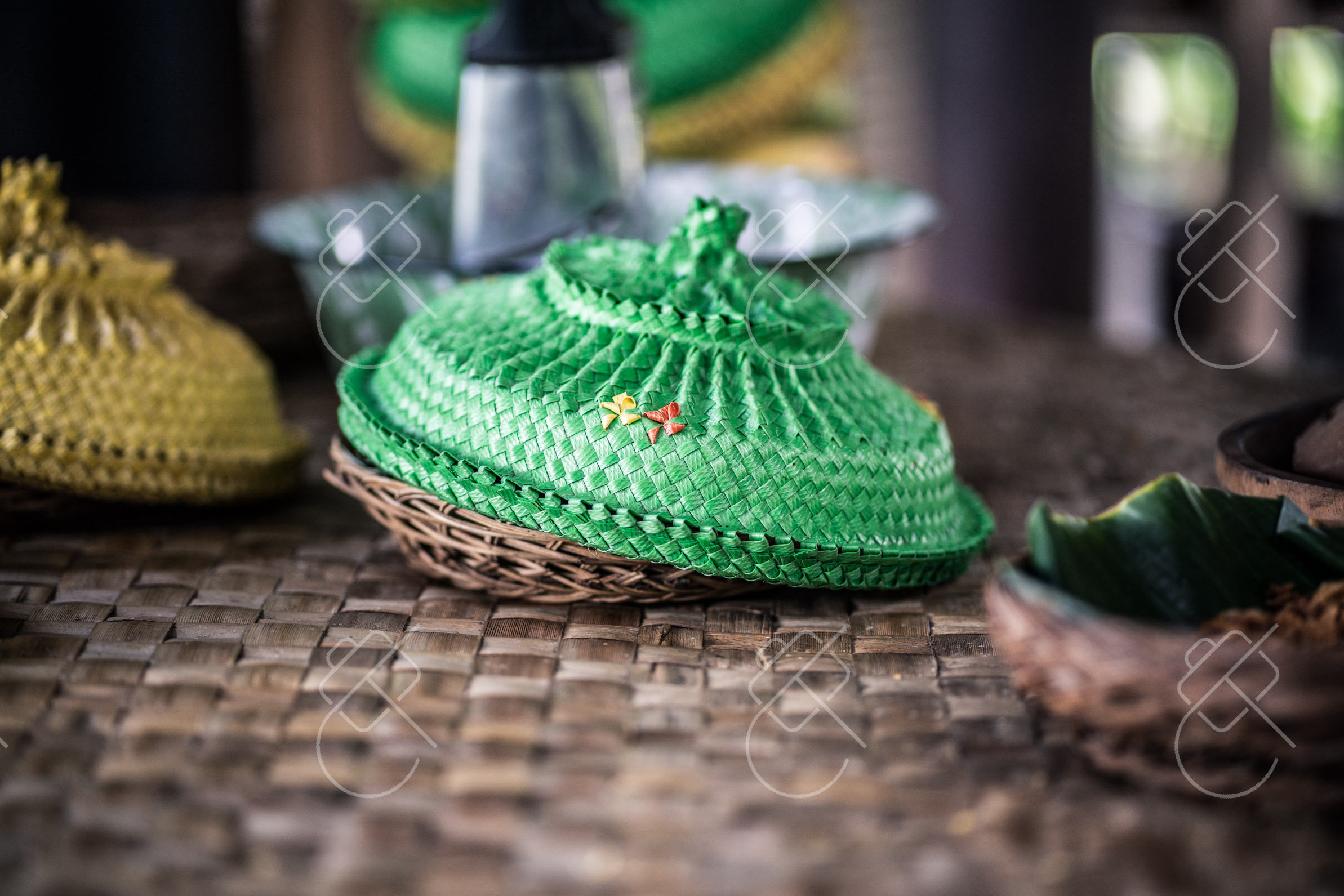
Babi guling roast suckling pig, nasi campur, sate lilit, lawar and bebek or ayam betutu, all built on the base genep spice paste. Bali is Hindu, so unlike most of Indonesia its cooking is built on pork.
Ubud is the island's best-known babi guling town, with warungs in and around the town centre. The pig is sold until it runs out, often by early afternoon, so eat it for lunch.
Often, yes. It is slow-cooked for hours, so many Ubud restaurants ask you to order a day ahead.
Not a major one in the town itself. The best-known local evening food market nearby is in Gianyar, east of Ubud, with babi guling, sate and sweets; check locally that it is running before you go.
Not expected; rounding up is appreciated. Many restaurants in tourist areas add tax and service to the bill, so check before adding more.
Get our new Bali guides and practical tips by email: where to stay, what to eat, what things cost and the rules that catch travelers out.
Free. No spam, only new guides and tips.
Search verified local fleets with low security deposits and exact model delivery on Localrent.
Find the best deals on Bali accommodation with Booking.com.