Home
About us
Destinations & Country Guides
Travel Guides
Recipes
Featured
Photos As Art
Abstract Prints
Locations
Travel Gear
Travel Resources
Favorites
Photo Framer
Explore Photos
Contact Etiquette & culture
By Clever Tourists · Published
Thai etiquette has one rule that is law rather than custom, and it is the only one on this list with prison attached. The rest are social — real, observed, and in some cases quietly enforced by disapproval rather than by anyone telling you. Knowing which is which is the whole point.
Never criticise the monarchy. Thailand has lèse-majesté laws with severe penalties, and they apply to foreigners. The king's image appears on currency; treating a banknote carelessly is a bad idea, and stepping on one is genuinely serious.
Stand for the royal anthem in cinemas and at public events. This is expected and observed.
This is the one item in this article where the consequence is legal rather than social. Take it literally.
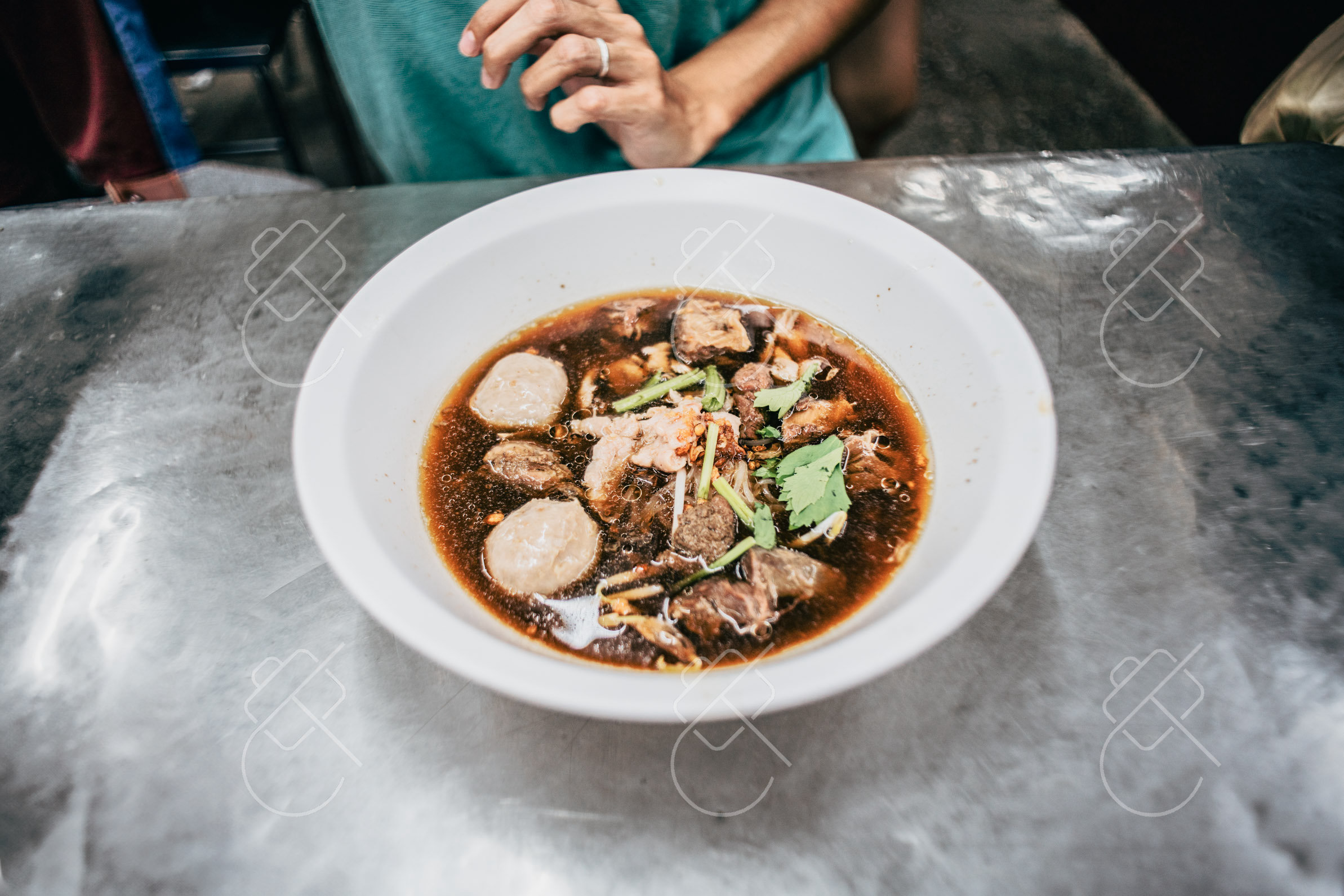
The head is the highest part of the body; the feet are the lowest. Touching someone's head — even a child's — is rude. Pointing with your feet, or resting them toward a person or a Buddha image, is rude in the same way.
Do not step on a threshold in a temple, and do not point the soles of your feet at a Buddha image when sitting on the floor. Sit with feet tucked to the side or behind you.
Do not step on Thai currency. The king's image is on it, which is why the rule exists and why it is taken seriously.
Women must not touch a monk, hand him an object directly, or sit beside him. Offer items on a tray or through a male companion. This is a monastic rule, not a preference, and it is not negotiable.
Dress for temples: shoulders and knees covered, for men and women. It is enforced at the major sites — see Thailand temple dress code.
Do not photograph monks without asking, and never in a way that puts you above them.

Losing your temper in public is the deepest social failure in Thailand. This is not politeness for its own sake: raising your voice, especially at someone in service work, causes real loss of face and will make the situation worse rather than better.
The wai — palms together at the chest — is a greeting and a mark of respect. You are not expected to initiate it, but returning one is appreciated. Do not wai at children or at people serving you in shops; the hierarchy runs the other way.
Don't touch people casually. Thailand is not a touch-forward culture and a hand on the shoulder reads differently than it might at home.
Shoes come off before entering a home and before entering temple buildings — not the whole temple grounds. Wear shoes you can slip off.
Do not point at people or images with a single finger; use an open hand or your chin.
Saving face matters more than being right. If you are overcharged or short-changed, a calm correction preserves everyone's dignity; an accusation does not.
Yes. Lèse-majesté laws carry severe penalties and apply to foreigners. This is the one Thai rule with a legal consequence rather than a social one.
No. Women should not touch a monk, hand him something directly, or sit beside him. Offer items on a tray or through a male companion.
Yes. The feet are the lowest part of the body, so pointing them at a person or a Buddha image is rude. Sit with feet tucked to the side.
Only when entering a building — the ordination hall or a chedi interior — not for the whole temple grounds.
Get our new Thailand guides and practical tips by email: where to stay, what to eat, what things cost and the rules that catch travelers out.
Free. No spam, only new guides and tips.
Search verified local fleets with low security deposits and exact model delivery on Localrent.
Get the best deals on flights to Thailand with Kiwi.com.