Home
About us
Destinations & Country Guides
Travel Guides
Recipes
Featured
Photos As Art
Abstract Prints
Locations
Travel Gear
Travel Resources
Favorites
Photo Framer
Explore Photos
ContactQuảng Nam is the province that contains Hoi An, which means most of what visitors see of it is the Ancient Town and a beach. Go twenty kilometres inland instead and the ground rises into a green valley of rice and jungle where the Champa kingdom built its religious capital over a thousand years, and left a cluster of brick towers that UNESCO now protects as My Son Sanctuary.
Tap any photo to open it full-screen and order a print.
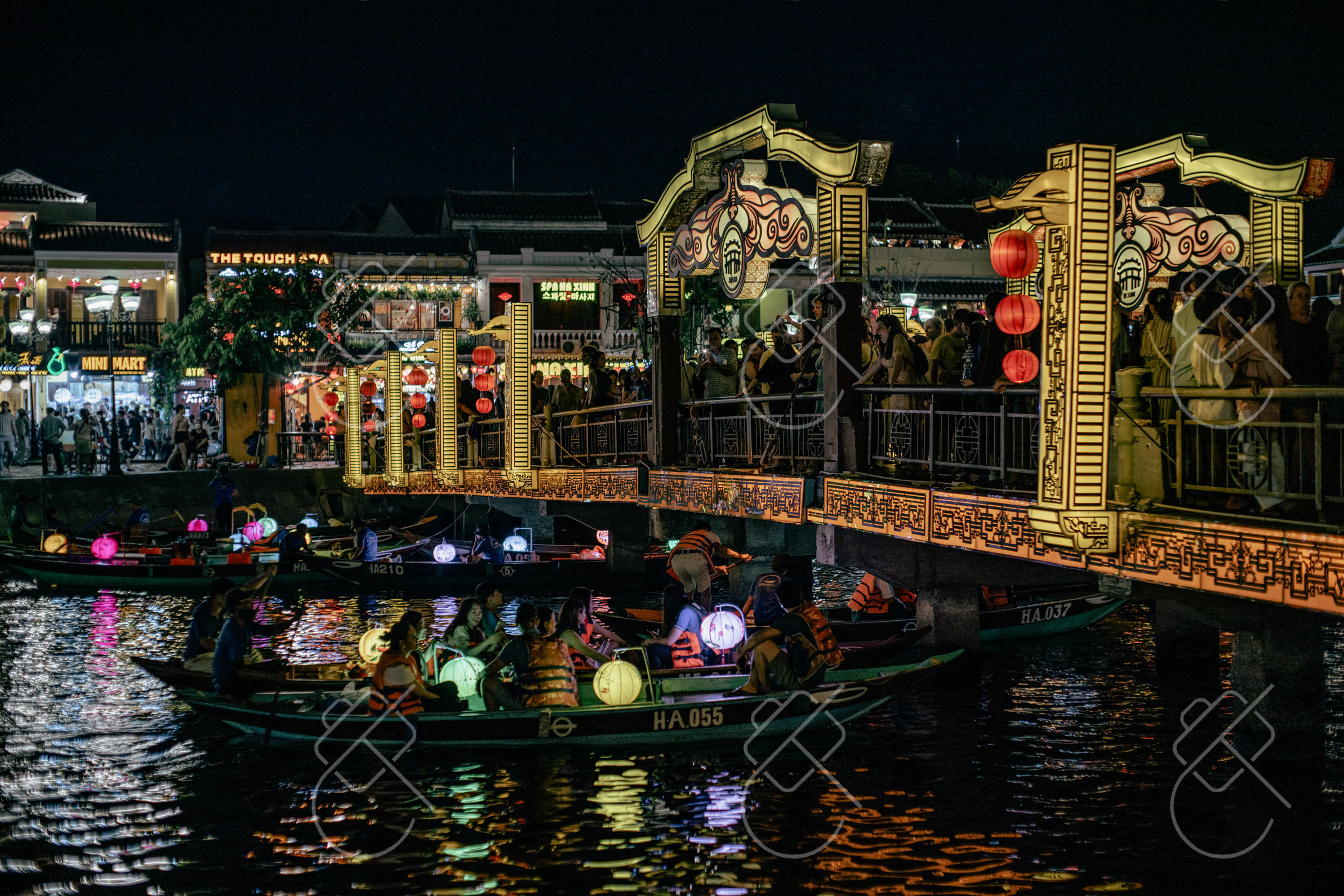
Quảng Nam is the Vietnamese province around Hoi An, home to the My Son Sanctuary — the brick temple complex of the Champa kingdom — and a countryside of rice fields and pottery villages.
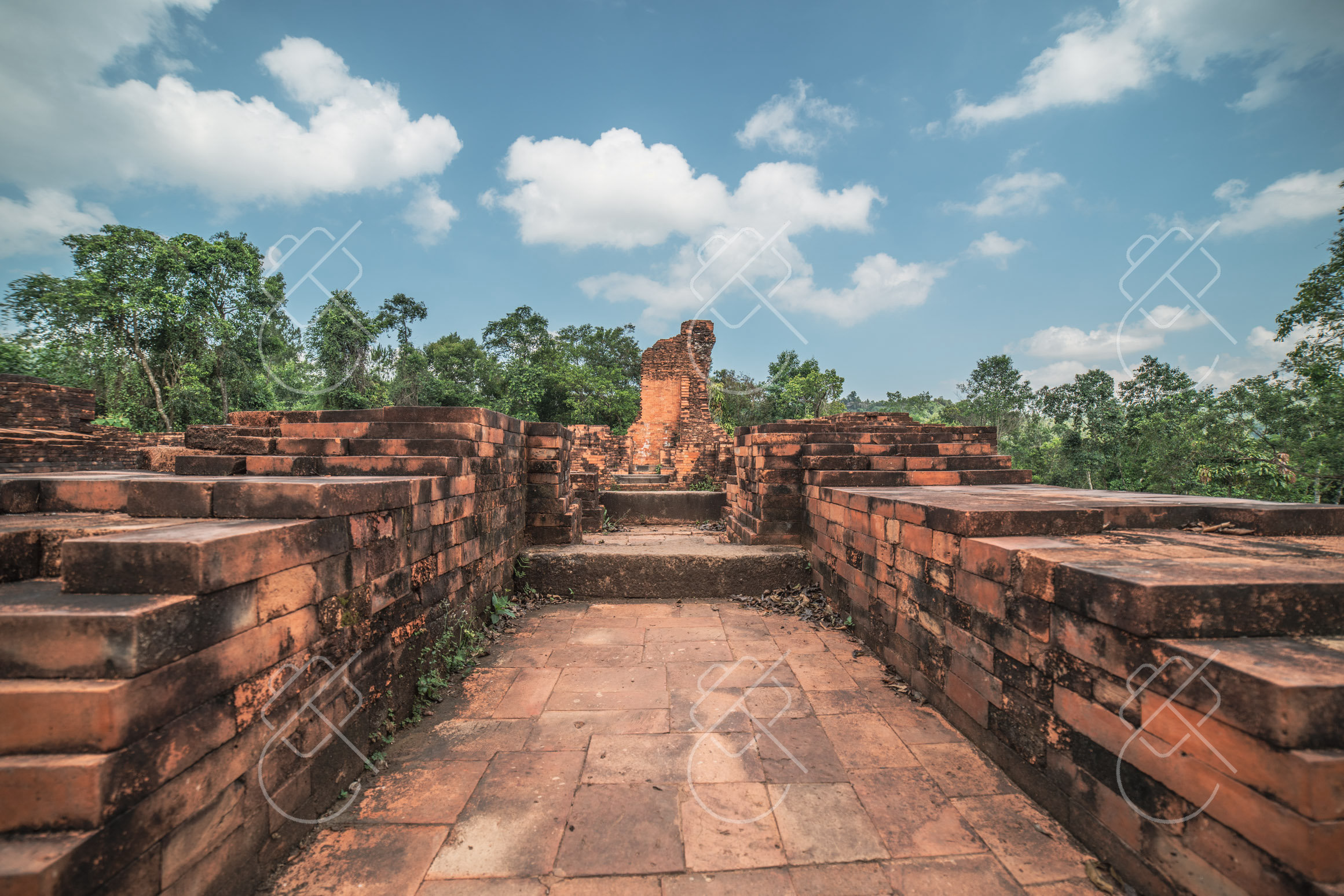
My Son was the religious and political capital of the Champa kingdom from roughly the 4th to the 13th century, and what survives is a group of red-brick tower temples in a bowl of jungle-covered hills, dedicated to Shiva. The brickwork is the thing to look at closely: the Cham built without mortar, using a firing technique that modern restorers have never fully reproduced, and the carving on the surviving towers is still sharp. Parts of the site were badly damaged by bombing in the 1960s and 70s — the craters are still visible and some structures are propped — which gives the place a melancholy that Angkor doesn't have. A short traditional dance performance usually runs mid-morning for visitors, and it is worth timing your arrival around it rather than treating it as a distraction.
A weathered red-brick Cham tower at My Son Sanctuary
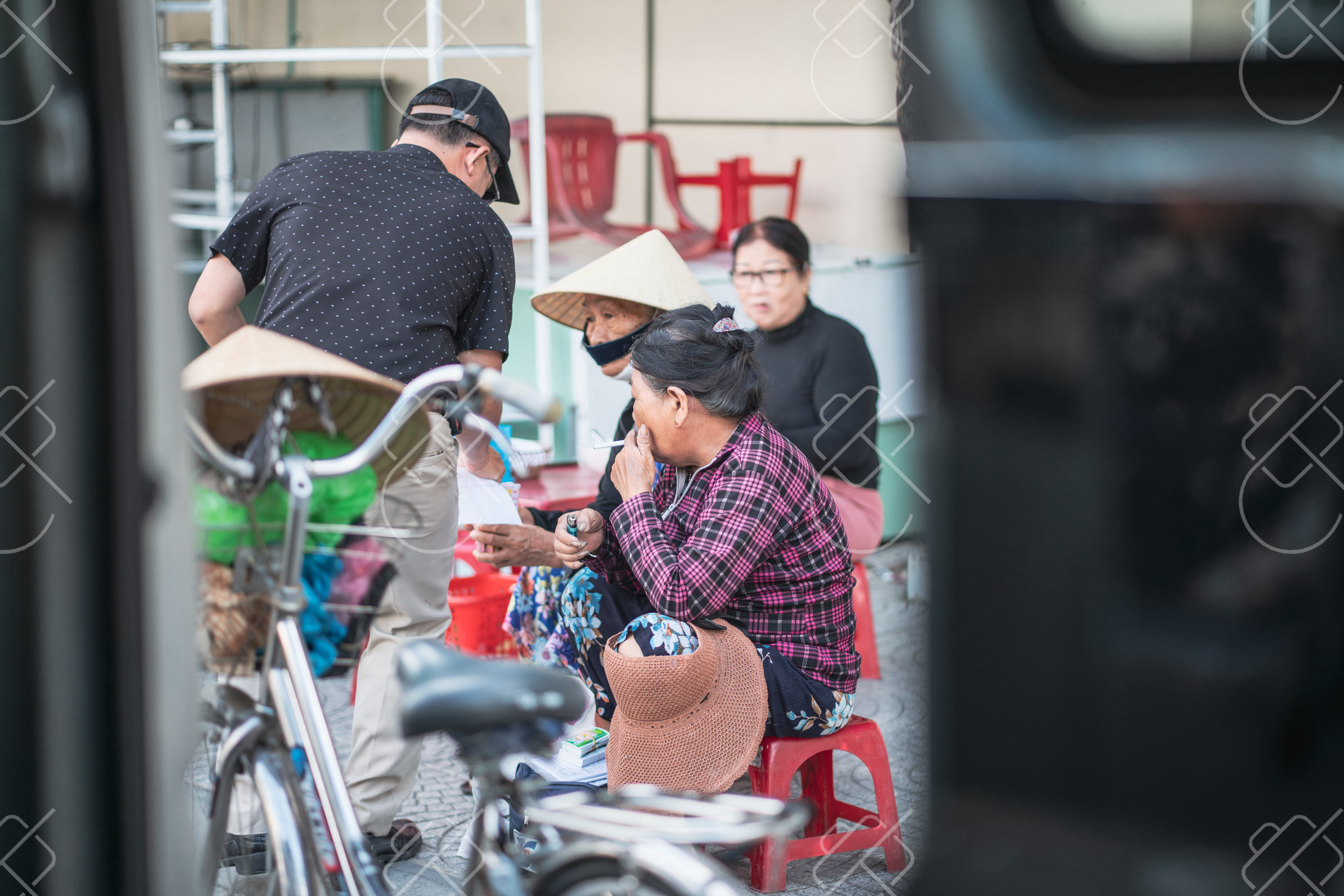
The sanctuary is about 40 kilometres from Hoi An, which makes it a half-day rather than a full one. The standard approach is an early start: tours leave Hoi An around 5am to catch the ruins before the heat and the crowds, and by 9am the main tower group is busy. Renting a scooter and going independently gives you a different advantage — you can stop in the villages on the road out, where pottery and rice paper are still made by hand in the same way they have been for generations. We came at it from Hoi An on a day trip in early May, at the end of the dry season, when the valley was still green and the river low.
February to April, at the end of the dry season and before the summer heat — the valley is green and the site is comfortable to walk.
Base yourself in Hoi An and treat My Son as a half-day, rather than staying out near the ruins where there is very little.
Eat cao lầu or white rose dumplings back in Hoi An — both are dishes claimed specifically by this province and difficult to find made properly anywhere else.
Go at opening, around 6am if you can manage it. The main tower group sits in a hollow with no shade, and by mid-morning it is both hot and crowded with tour groups from Hoi An.
Explore regional routes with verified local fleets, zero hidden charges, and transparent insurance on Localrent.
Get the best deals on flights to Quảng Nam with Kiwi.com.
Transit cards, local customs, visa rules, and practical travel guides for this region.
Get our new Quảng Nam guides and practical tips by email: where to stay, what to eat, what things cost and the rules that catch travelers out.
Free. No spam, only new guides and tips.
See every destination we've photographed:
Browse all destinationsCurious about the gear behind these photos? See the gear list.