Home
About us
Destinations
Travel Guides
Recipes
Featured
Photos As Art
Abstract Prints
Locations
Travel Gear
Travel Resources
Favorites
Photo Framer
Explore Photos
ContactDa Lat sits about 1,500 meters up on the Lang Biang Plateau, and after the heat of Ho Chi Minh City the first thing you notice is that you need a jacket. The French built it as a hill-station retreat in the early 20th century, and the town still wears that history in its pine forests, pastel villas, a pink-walled cathedral, and an Art Deco railway station. This guide covers the lake and the town center, the night market and its street food, the old railway and the pagodas beyond it, and the waterfalls and peaks within an hour's ride.
Published October 7, 2026
Tap any photo to open it full-screen and order a print.
Two full days covers Da Lat properly: one for the town itself (Xuan Huong Lake, Lam Vien Square, the cathedral, the Crazy House, and the night market) and one for the edges, with the Trai Mat train, Linh Phuoc Pagoda, the cable car to Tuyen Lam Lake, and a waterfall. Add a third day if you want to climb Lang Biang or ride out to the coffee farms. Da Lat is hilly and spread out, so rent a scooter or use Grab rather than walking between sights, and keep evenings free for the market, which is the town's real social center.
Da Lat's altitude keeps it mild all year, with daytime highs mostly in the low to mid 20s°C, so the real choice is dry versus wet. The dry months from December to March are the easiest, while the rainy season brings green hills, fewer visitors, and afternoon downpours.
Sunny mornings, cold nights, and the Tet holiday, when Vietnamese families flood the town. Cherry blossoms usually bloom from late January into February, and the biennial Flower Festival typically falls in December.
Still mostly dry and the warmest stretch of the year, with purple jacaranda blooming along some streets. Crowds ease after Tet, making it a good time for the lake and the waterfalls.
Mornings are often clear and the rain arrives in the afternoon, sometimes as heavy downpours. Hotels discount, the hills turn deep green, and the waterfalls run full.
October is often the wettest month, but by November the rain eases and wild sunflowers turn the roadsides yellow. Pink grass also colors the hills outside town in late autumn.
Xuan Huong Lake — The crescent lake at the center of town, best walked at dawn when mist sits on the water.
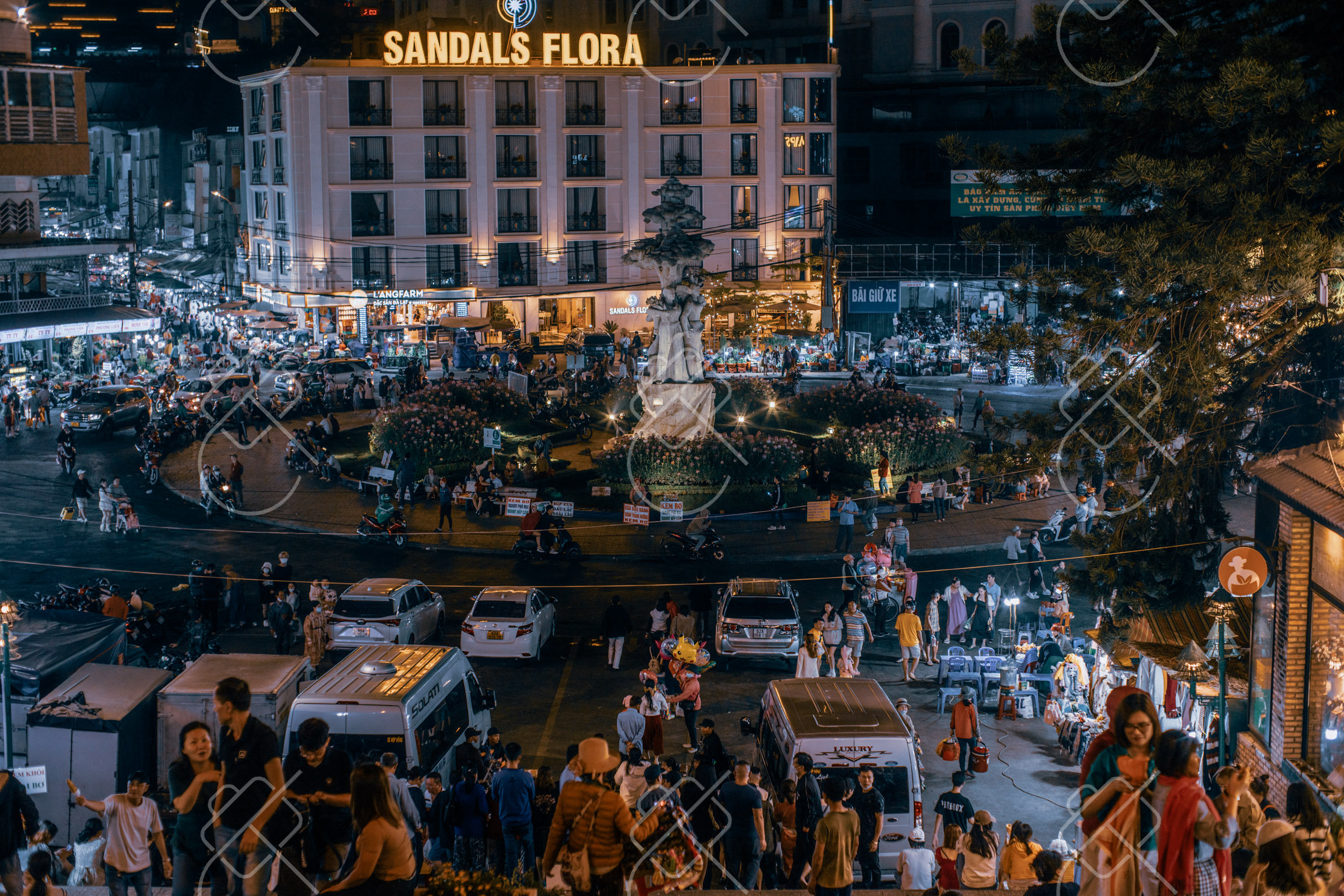
Da Lat Night Market — Street food, knitwear stalls, and half the town out after dark around Da Lat Market.
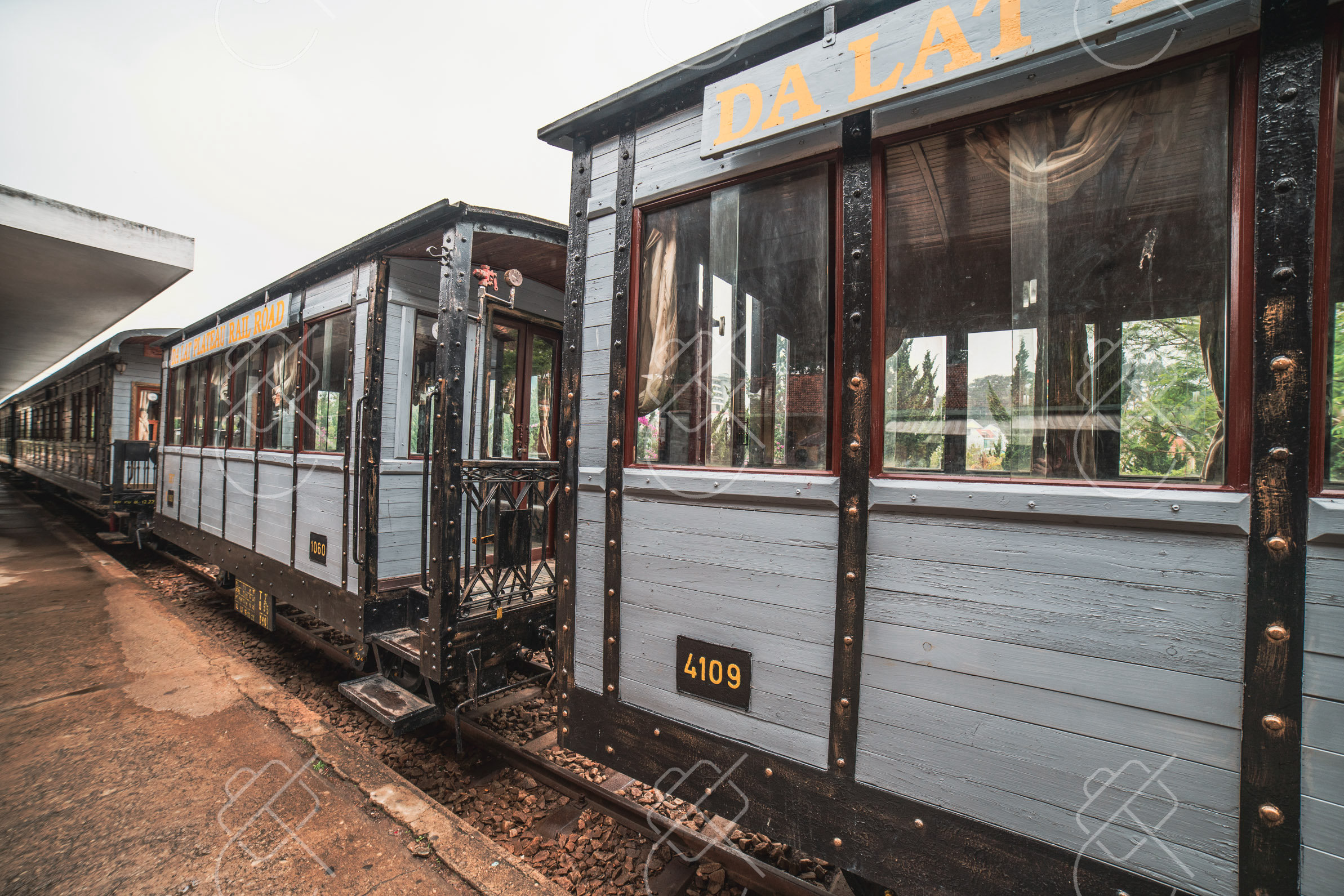
Da Lat Railway Station & Trai Mat train — A 1930s Art Deco station and a short vintage-carriage ride out to Trai Mat village.
Crazy House (Hang Nga Guesthouse) — A tree-and-cave fantasy building of tunnels, bridges, and themed guest rooms.
Linh Phuoc Pagoda — A pagoda covered in broken pottery and glass mosaic, a short walk from Trai Mat station.
Lam Vien Square — The lakeside plaza with a green-glass artichoke dome and a yellow wild-sunflower hall.
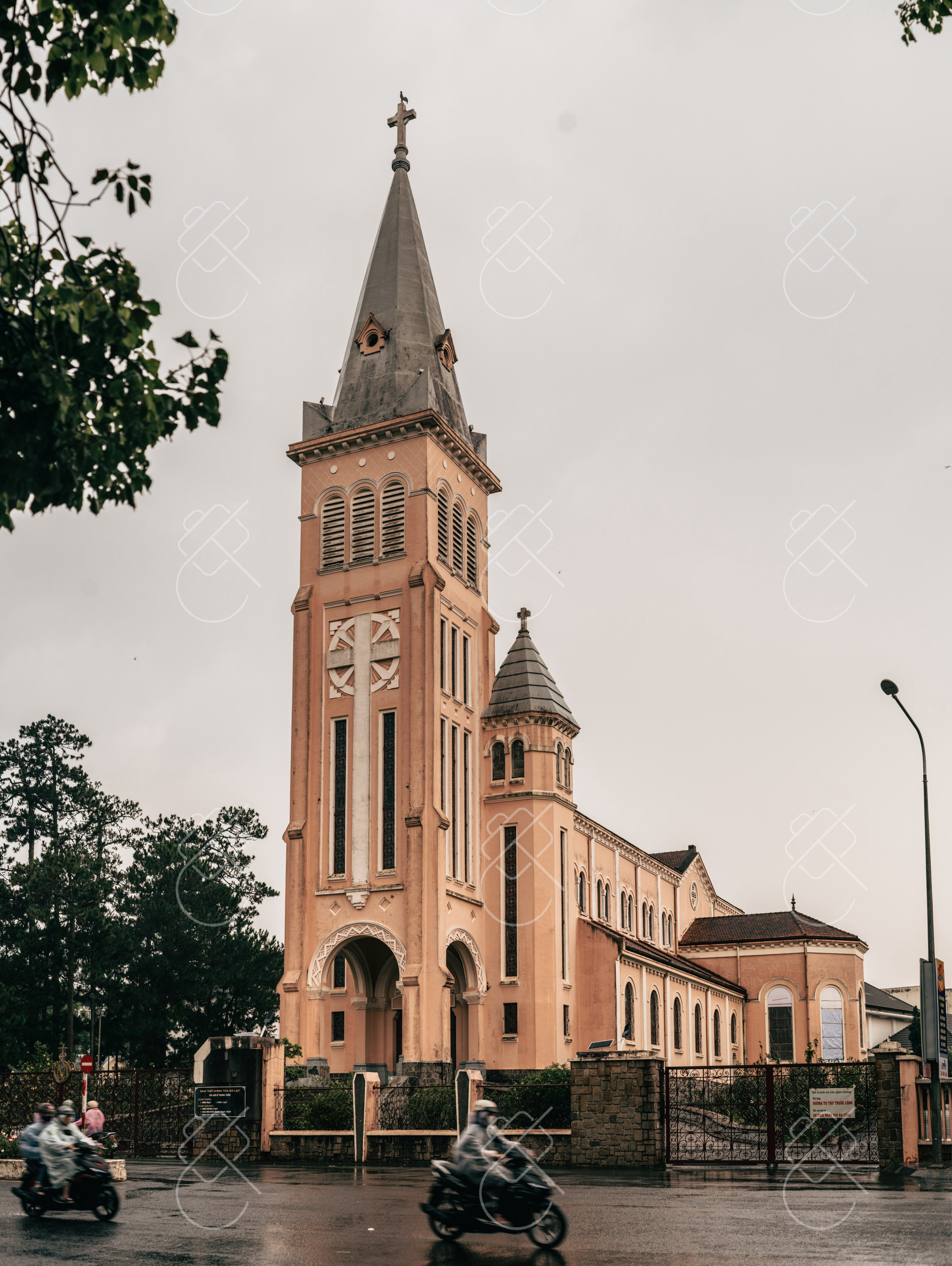
Da Lat Cathedral — The pink 'Chicken Church,' named for the rooster weathervane on its spire.
Robin Hill cable car & Truc Lam Monastery — A ride over the pine forest to a Zen monastery above Tuyen Lam Lake.
Datanla Falls — A waterfall reached by an alpine coaster through the forest, popular with families.
Bao Dai's Summer Palace — The last emperor's 1930s villa, furnished much as he left it.
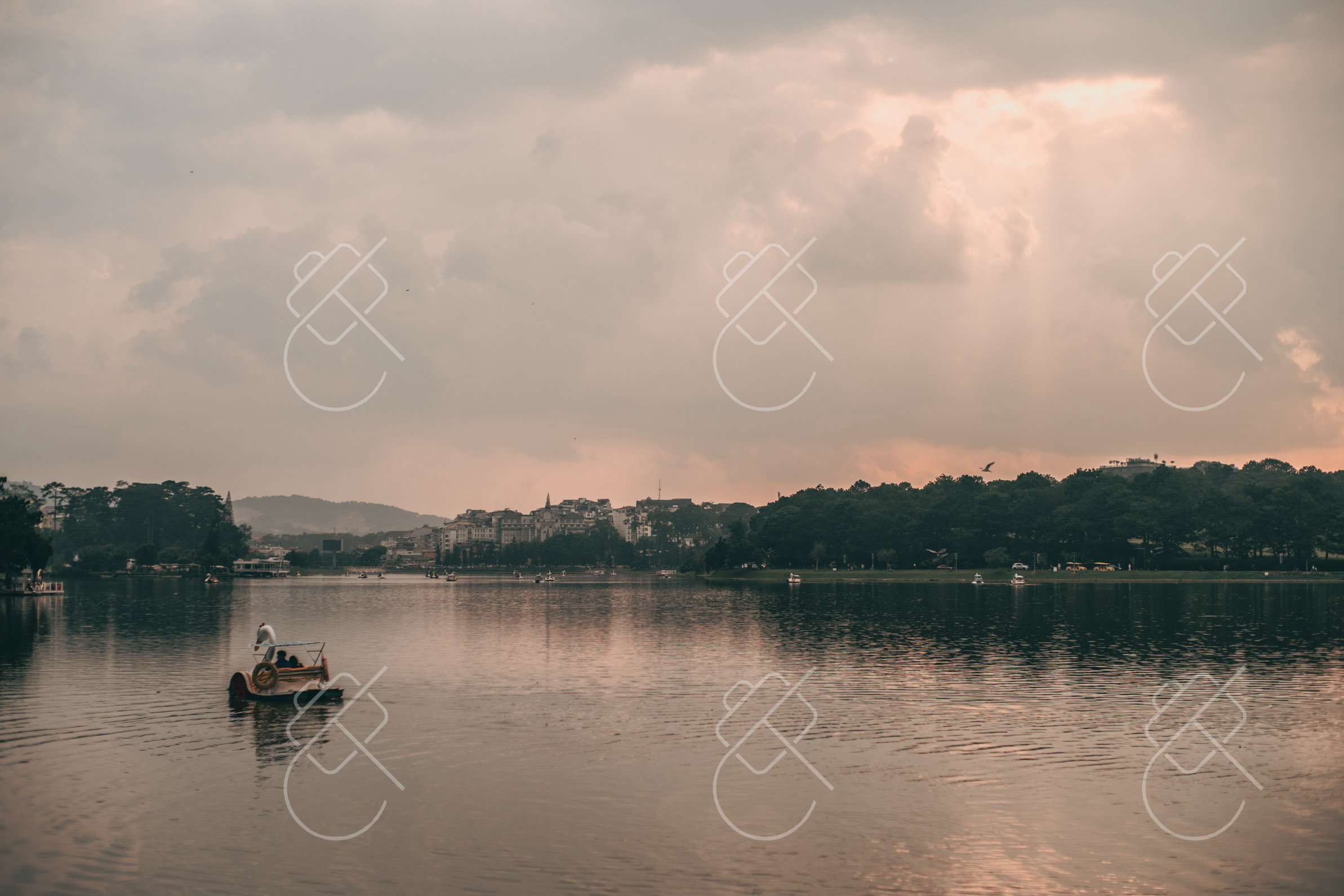
Da Lat is Vietnam's highland escape: a cool, pine-ringed town of French villas, flower farms, and coffee plantations built around an artificial lake, with a night market that runs every evening below the central Da Lat Market.
The town grew from Alexandre Yersin's 1893 expedition onto the plateau, and by the 1920s French officials were summering here to escape the lowland heat. Xuan Huong Lake, dammed in 1919, still sets the town's layout: the hotels, the market, and the main roads all curl around its shore, and a full lap takes about an hour on foot. At its eastern end, Lam Vien Square holds Da Lat's two modern landmarks, a green-glass dome shaped like an artichoke bud, with a cafe inside, and a much larger yellow hall shaped like a wild sunflower. Up the hill on Tran Phu street, the pink Da Lat Cathedral is known locally as the Chicken Church for the rooster weathervane on its spire. A few streets west, the Crazy House (officially the Hang Nga Guesthouse) is architect Dang Viet Nga's ongoing project of concrete tree trunks, cave-like rooms, and walkways that loop across the rooftops, and you can still book a night in one of its themed rooms.
The pink spire of Da Lat Cathedral, the 'Chicken Church,' rising over a wet street
East of the center, Da Lat's railway station is a 1930s Art Deco building whose three peaked gables are said to echo the peaks of Lang Biang. The line to the coast closed decades ago, but a restored train with wood-paneled carriages still runs the roughly 7 kilometers out to Trai Mat village, about half an hour each way. From Trai Mat it's a short walk to Linh Phuoc Pagoda, where nearly every surface, including a long dragon, is covered in mosaic made from broken bottles and pottery. South of town, the Robin Hill cable car crosses the pine forest to Truc Lam Zen Monastery above Tuyen Lam Lake, and Datanla Falls is a short ride beyond. When the sun goes down, the temperature drops fast and the streets around Da Lat Market fill with grills, soy-milk carts, and stalls selling wool hats to visitors who packed for the beach.
December through March, the dry season, brings clear mornings and cool nights; come for the late-January to February cherry blossoms, but book ahead if your dates overlap Tet.
Stay near Xuan Huong Lake and Da Lat Market, within a short walk of the night market and the lakeside path.
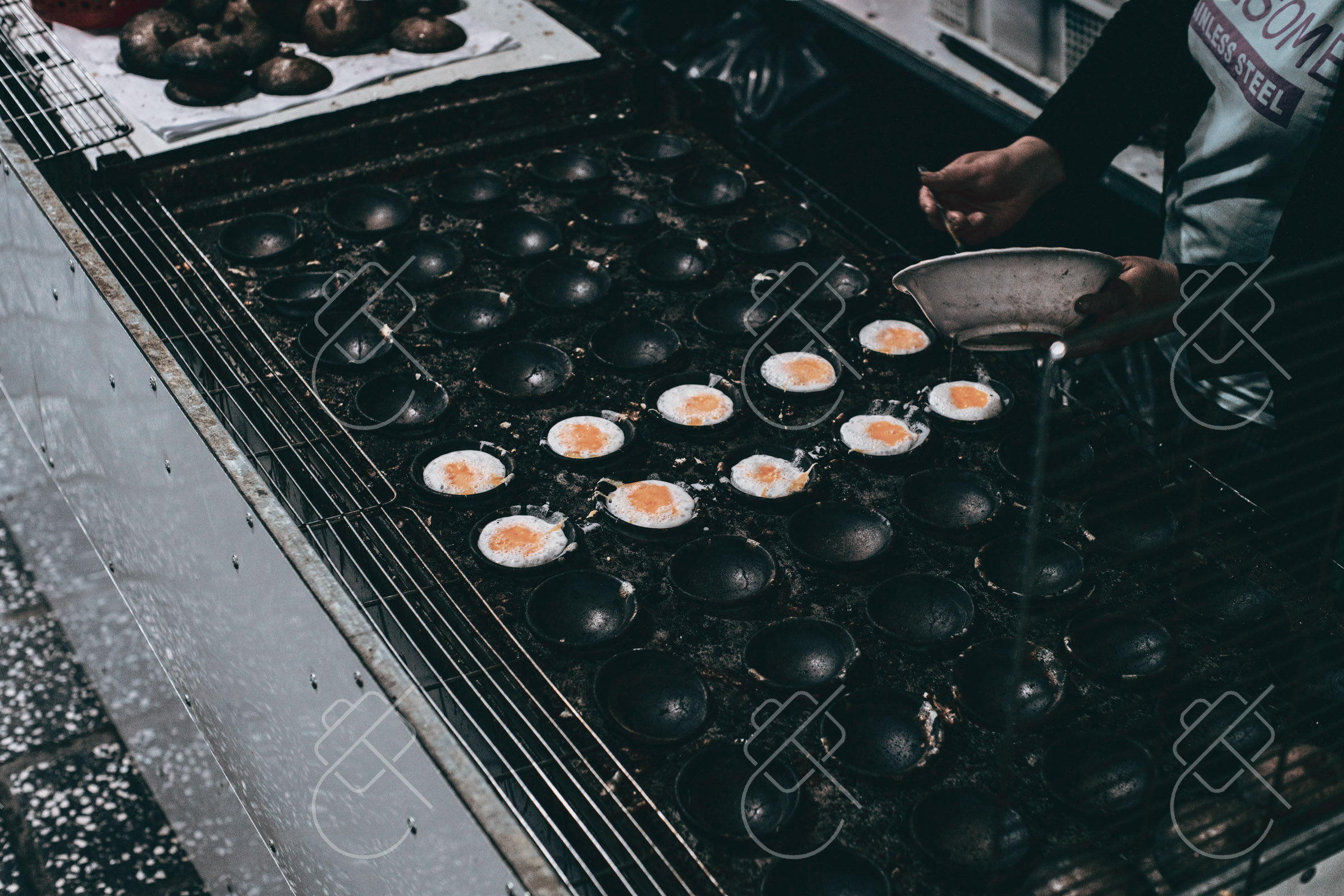
Eat banh trang nuong, a grilled rice-paper 'pizza' topped with egg, scallion, and dried shrimp, at the night market, then warm up with banh can, small rice-flour cakes cooked in clay molds and dunked in fish sauce.
Nights drop to around 15°C or lower even in the rainy season, so pack a real layer, and in May to October plan outdoor sights for the morning since the rain usually arrives in the afternoon.
A loose, walkable route — bend it to your pace and the light.
Start at Xuan Huong Lake early, when mist still sits on the water and locals are out jogging the shore path. Walk the eastern end to Lam Vien Square for the glass artichoke and sunflower domes, and stop for coffee inside the artichoke. From there, ride up to the Chicken Church and on to the Crazy House, which takes an hour or more if you climb every walkway.
In the afternoon, visit Bao Dai's Summer Palace or simply wander the hillside lanes of villas above the lake. As the light goes, drop down to Da Lat Market and stay for the night market: grilled rice paper, banh can, hot soy milk, and a crowd that doesn't thin until late.
Where to shoot: Xuan Huong Lake at dawn · The glass artichoke at Lam Vien Square · Da Lat Cathedral's pink facade · The night market from the steps above
Tip: The night market steps get crowded fast after 7pm; grab food first, then find a spot on the stairs to eat and watch.
Take the morning train from Da Lat Railway Station to Trai Mat, then walk to Linh Phuoc Pagoda and its mosaic dragon before riding back. The station itself deserves half an hour: old carriages and a steam locomotive sit on the sidings beside the platforms.
After lunch, head south to the Robin Hill cable car, ride over the pines to Truc Lam Monastery, and walk down to Tuyen Lam Lake. If you still have energy, Datanla Falls and its alpine coaster are a short ride away, and the town is back within half an hour for dinner.
Where to shoot: Da Lat Railway Station's three gables · The mosaic dragon at Linh Phuoc · The pine forest from the cable car · Tuyen Lam Lake from the monastery
Tip: Train departures depend on passenger numbers and can be canceled in bad weather, so check the schedule at the station the day before.
With an extra day, climb or jeep up Lang Biang, the 2,167-meter peak about 12 kilometers north of town, or visit the coffee and flower farms around Cau Dat. Da Lat also links well to the coast: Nha Trang is a mountain-road drive of around three to four hours, and Mui Ne a similar distance south-east, while Ho Chi Minh City is roughly 300 kilometers by sleeper bus or a short flight from Lien Khuong Airport.
Get the best deals on flights to Da Lat with Expedia.
We're not the type to travel without coverage — World Nomads was our travel insurance for all 526 days, Da Lat, Vietnam included.
Transit cards, local customs, visa rules, and practical travel guides for this region.
See every destination from the 526-day journey:
Browse all destinationsCurious about the gear behind these photos? See the gear list.