Filipino cooking is Southeast Asian with a Spanish and American layer on top, and it is the least understood cuisine in the region. The defining flavour is sour — vinegar, tamarind, calamansi — and the defining technique is braising. It is not subtle, and it is better than its reputation abroad.
Tap any photo to open it full-screen and order a print.
01 / 08
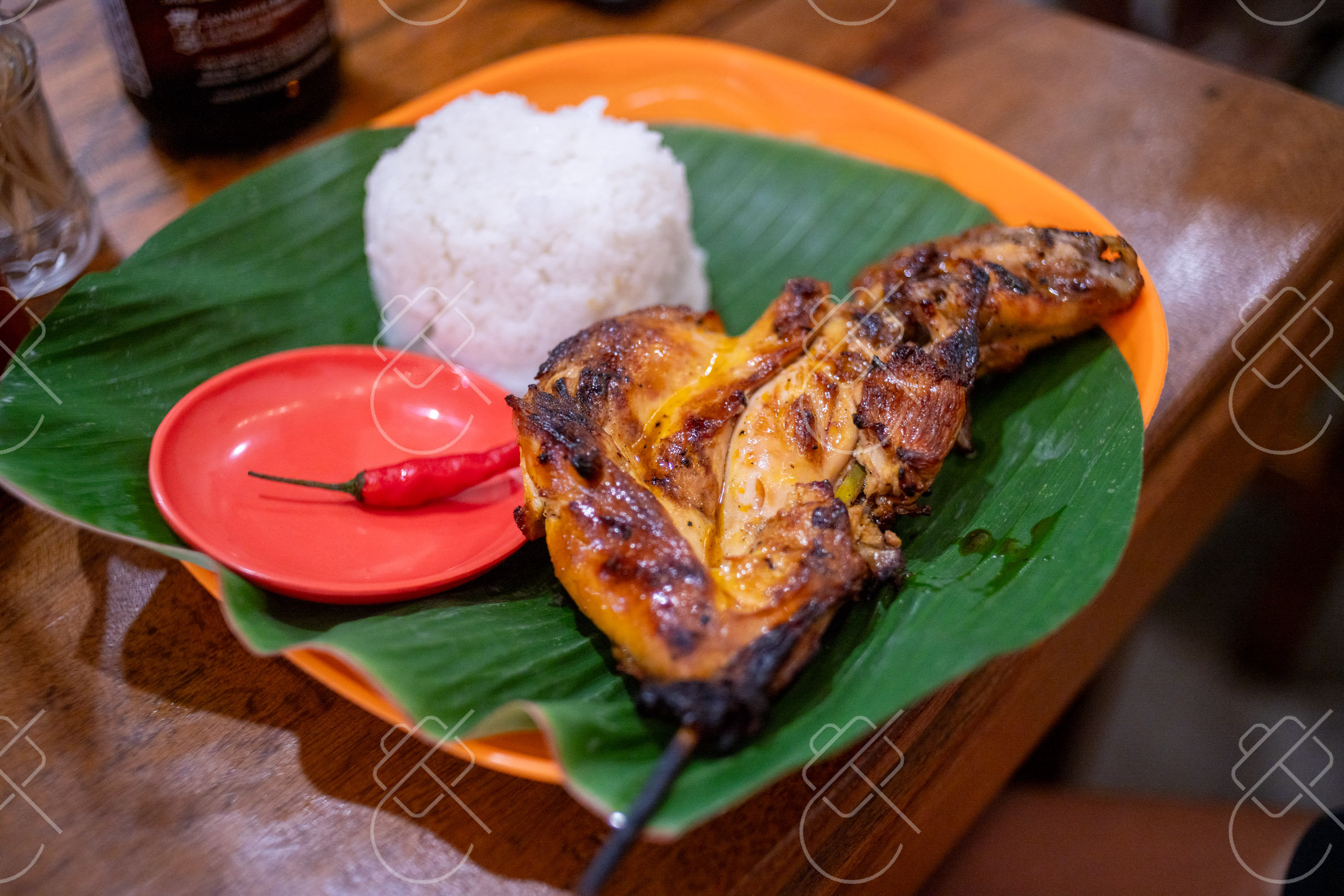
Chicken Inasal
Grilled chicken marinated in vinegar, calamansi, lemongrass and annatto, basted with more of the same. From Iloilo.
The annatto gives it the orange colour, and the basting keeps it from drying over charcoal. It is served with rice, a soy-vinegar dipping sauce and sometimes chicken oil poured over the rice, which is the best part.
02 / 08
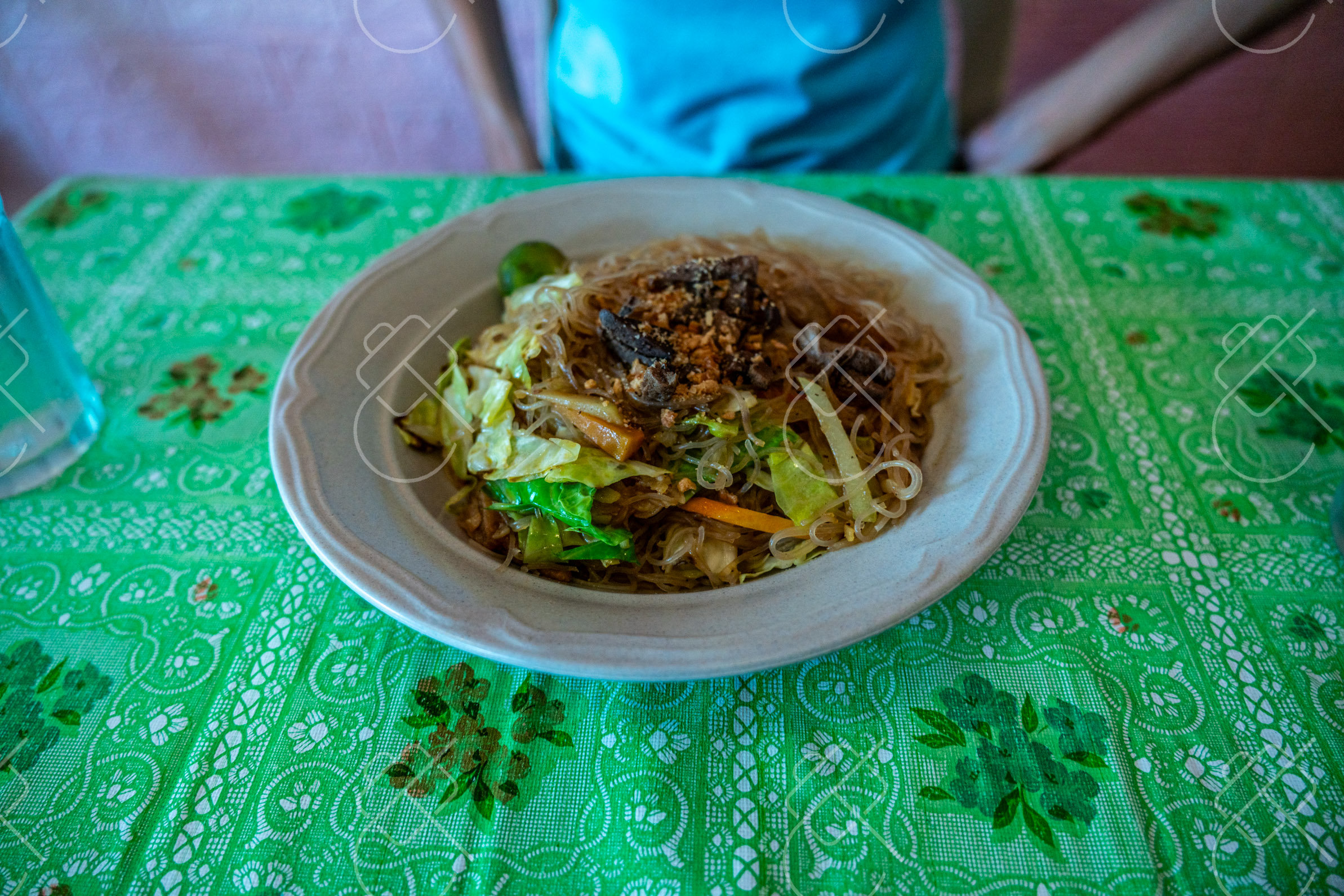
Pancit
Rice or egg noodles stir-fried with pork, prawns and vegetables. The dish that appears at every birthday.
Pancit is served at birthdays because the long noodles stand for long life, and the Filipino version is lighter and less sauced than the Chinese original. Calamansi is squeezed over it at the table, and it is often the only vegetable-heavy dish on a party table.
03 / 08
Adobo
Pork or chicken braised in vinegar, soy sauce, garlic and bay leaf. The national dish, and a method as much as a recipe.
The vinegar goes in before the meat is fully cooked, and it is not stirred for the first few minutes so it can boil off its raw edge. Every family has a ratio, and the sauce is meant to be sharp rather than sweet. It keeps for days, which is why it is everywhere.
04 / 08
Sinigang
A sour soup of pork, prawns or fish with tamarind, tomato and vegetables. The sourness is the point.
The souring agent varies by region — tamarind, green mango, guava, kamias — and the soup is judged on how sharp it is. It is eaten with rice and a dipping sauce of fish sauce and chilli, and it is the dish Filipinos crave when they are ill.
05 / 08
Lechon
Whole spit-roasted pig with crisp skin, stuffed with lemongrass and garlic. The centrepiece of every fiesta.
Cebu lechon is considered the best, stuffed with lemongrass, garlic and spring onion rather than the heavier stuffing used elsewhere. The skin is the measure of a good one — glassy and blistered — and it is eaten with vinegar and liver sauce.
06 / 08
Kare-Kare
Oxtail and vegetables in a thick peanut sauce, eaten with bagoong. Unusual and unmistakably Filipino.
The sauce is ground peanuts and toasted rice, which thickens it without flour, and the bagoong — fermented shrimp paste — is served on the side because it is intensely salty. It is a fiesta dish, and it is usually the one visitors remember.
07 / 08
Halo-Halo
Shaved ice with beans, jelly, fruit, leche flan and evaporated milk. Dessert and air conditioning in one.
The name means mix-mix, and you are supposed to stir it all together before eating. The ube ice cream on top is standard, and the beans at the bottom are the part visitors do not expect.
08 / 08
Bibingka and Puto Bumbong
Rice cakes sold outside churches during the pre-dawn Christmas masses. Sweet, warm and only available in December.
Bibingka is baked in banana leaf with coals above and below, and puto bumbong is purple rice steamed in bamboo tubes. Both are sold from stalls at Simbang Gabi, the nine days of dawn masses before Christmas, and they are the taste of a Filipino December.