Home
About us
Destinations
Travel Guides
Recipes
Featured
Photos As Art
Abstract Prints
Locations
Travel Gear
Travel Resources
Favorites
Photo Framer
Explore Photos
ContactCan Tho is the largest city in the Mekong Delta, and its identity is built almost entirely on water. Wooden boats loaded with pineapples, watermelons, and dragon fruit converge before sunrise at the Cai Rang floating market, while narrower canals fan out into the surrounding countryside past stilt houses and coconut groves. It's one of the few places in Vietnam where river life is still the main event, not a re-enactment of it.
Published March 4, 2026
Tap any photo to open it full-screen and order a print.
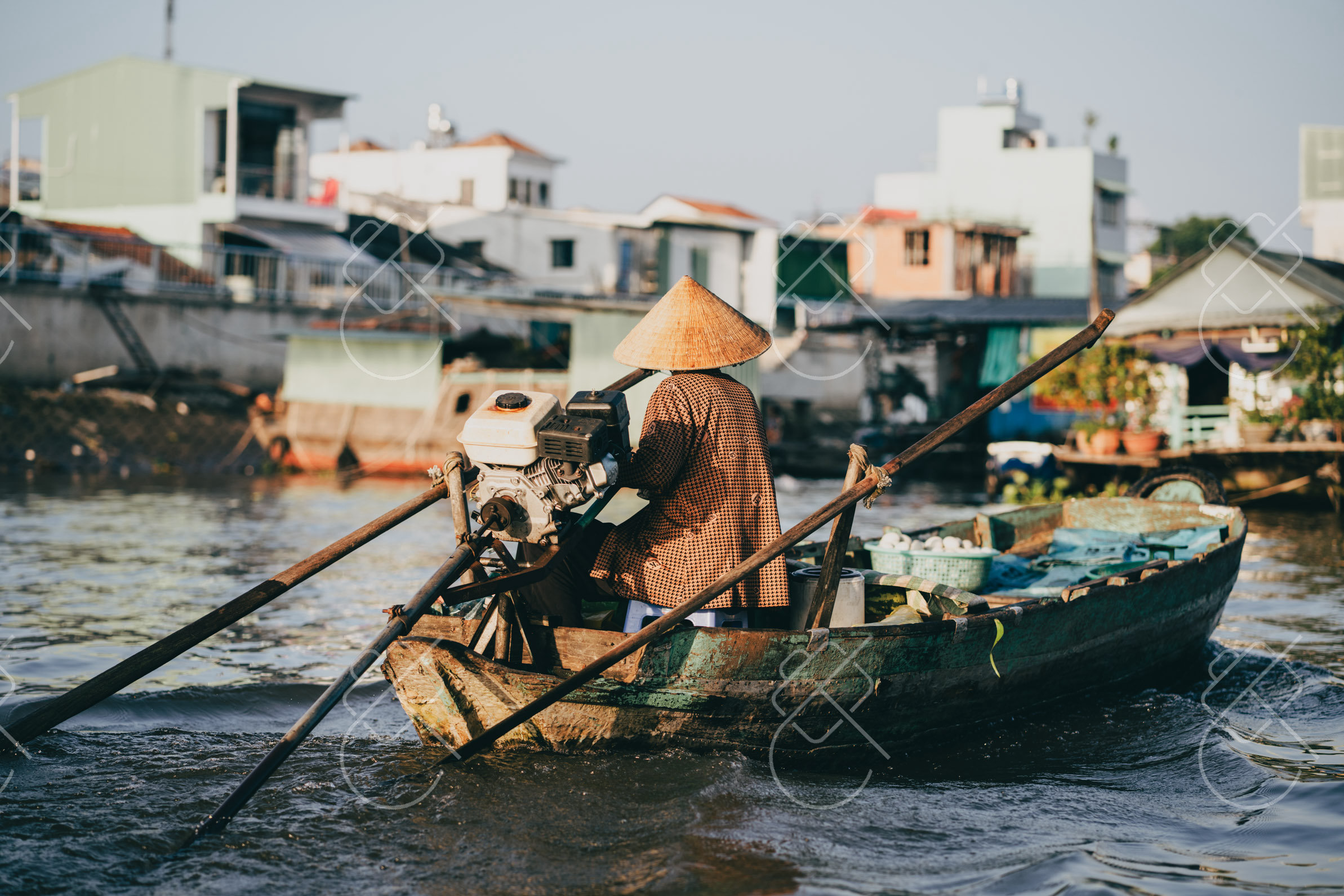
Can Tho is the Mekong Delta's largest city, built entirely around the rivers and canals that carry its produce to market. The Cai Rang floating market is the main draw, but the narrower waterways threading out from the city hold just as much of the delta's daily life.
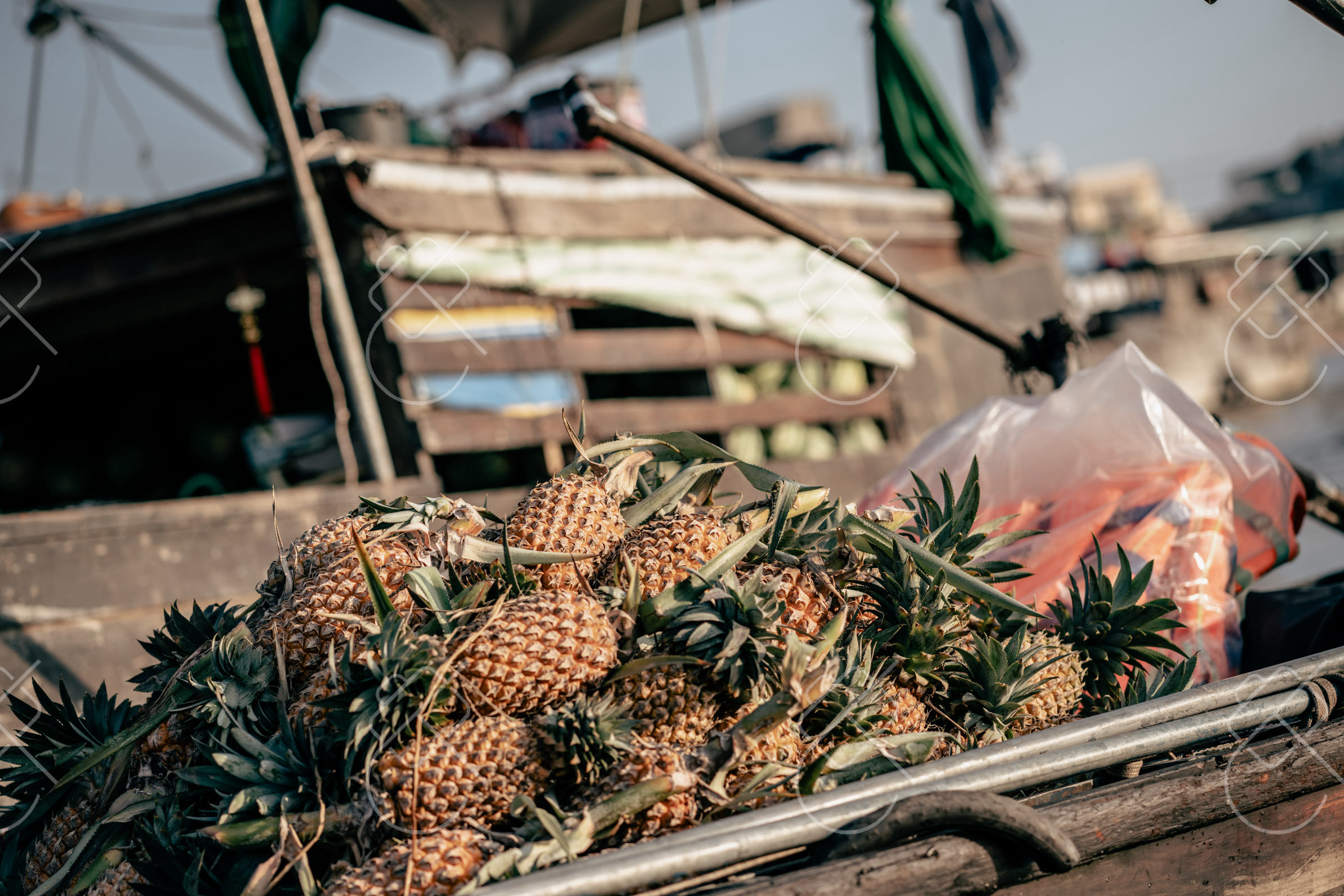
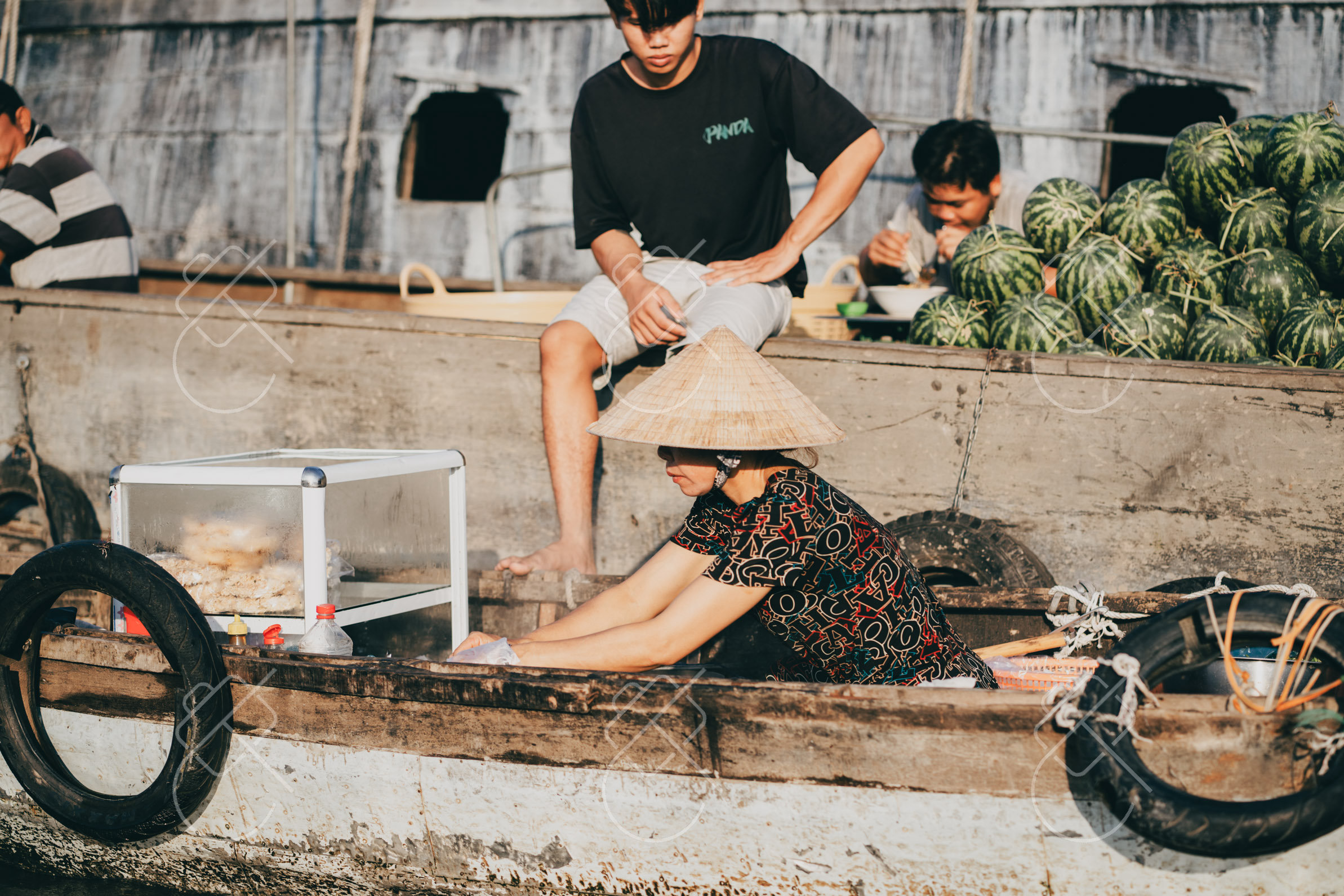
Cai Rang is the largest floating market in the Mekong Delta, and it runs on its own clock: boats start converging around 5am and the market is mostly over by 8, so the only way to see it properly is to hire a boat before dawn. Wholesalers anchor mid-river with their day's cargo — hills of pineapple, watermelon, dragon fruit, cabbage, and squash — and hang a sample of whatever they're selling from a tall bamboo pole (a beo, or hanging advertisement) so buyers can spot the right boat from a distance without shouting across the water. Smaller sampan vendors thread between the wholesale boats selling coffee, noodle soup, and fried dough straight off a portable stove lashed to the deck, so it's entirely possible to eat breakfast without ever stepping onto dry land. By 9am the crowds thin and the market packs up for the day, leaving just a handful of houseboats moored along the bank.
Boat piled high with fresh pineapples for sale at the market
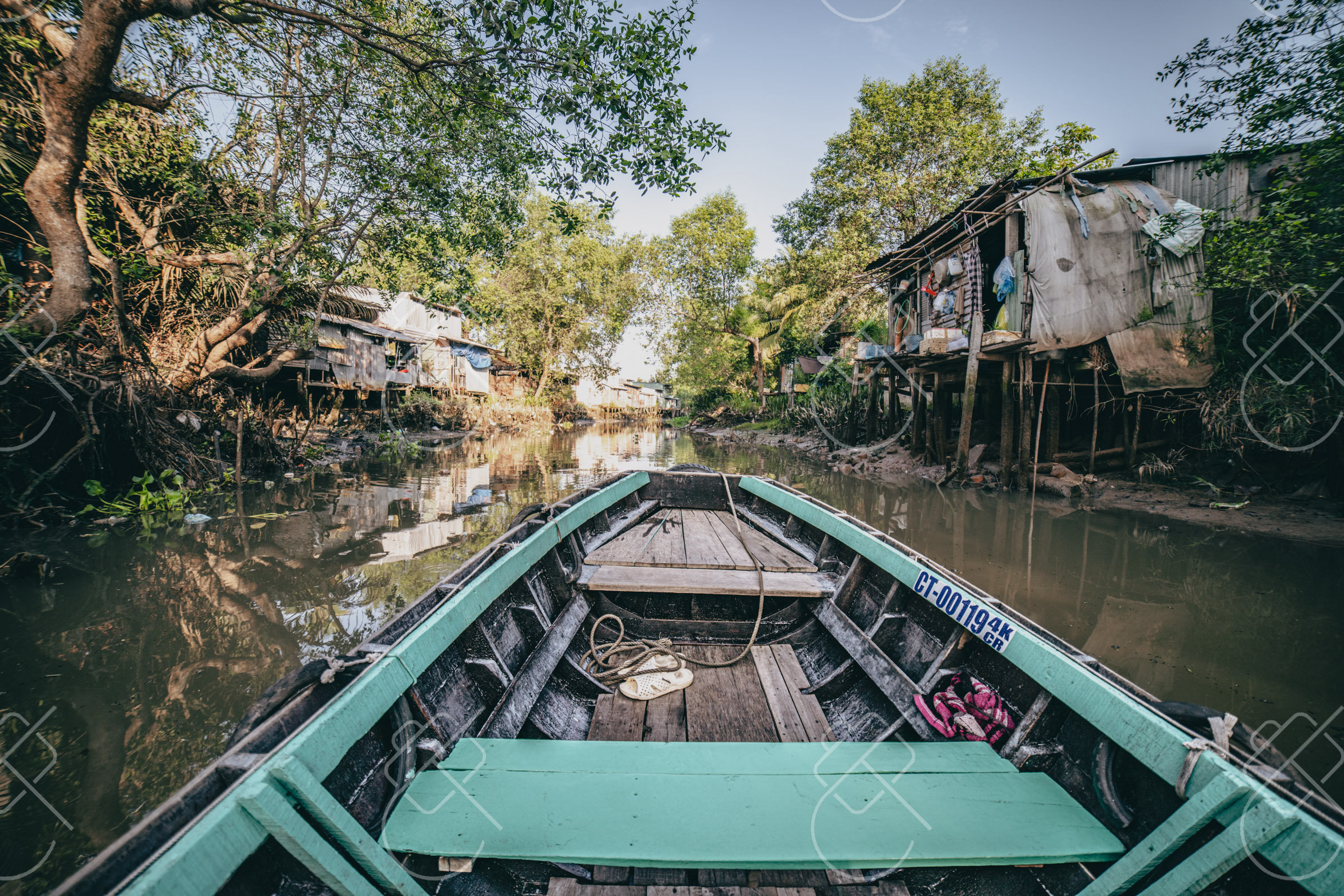
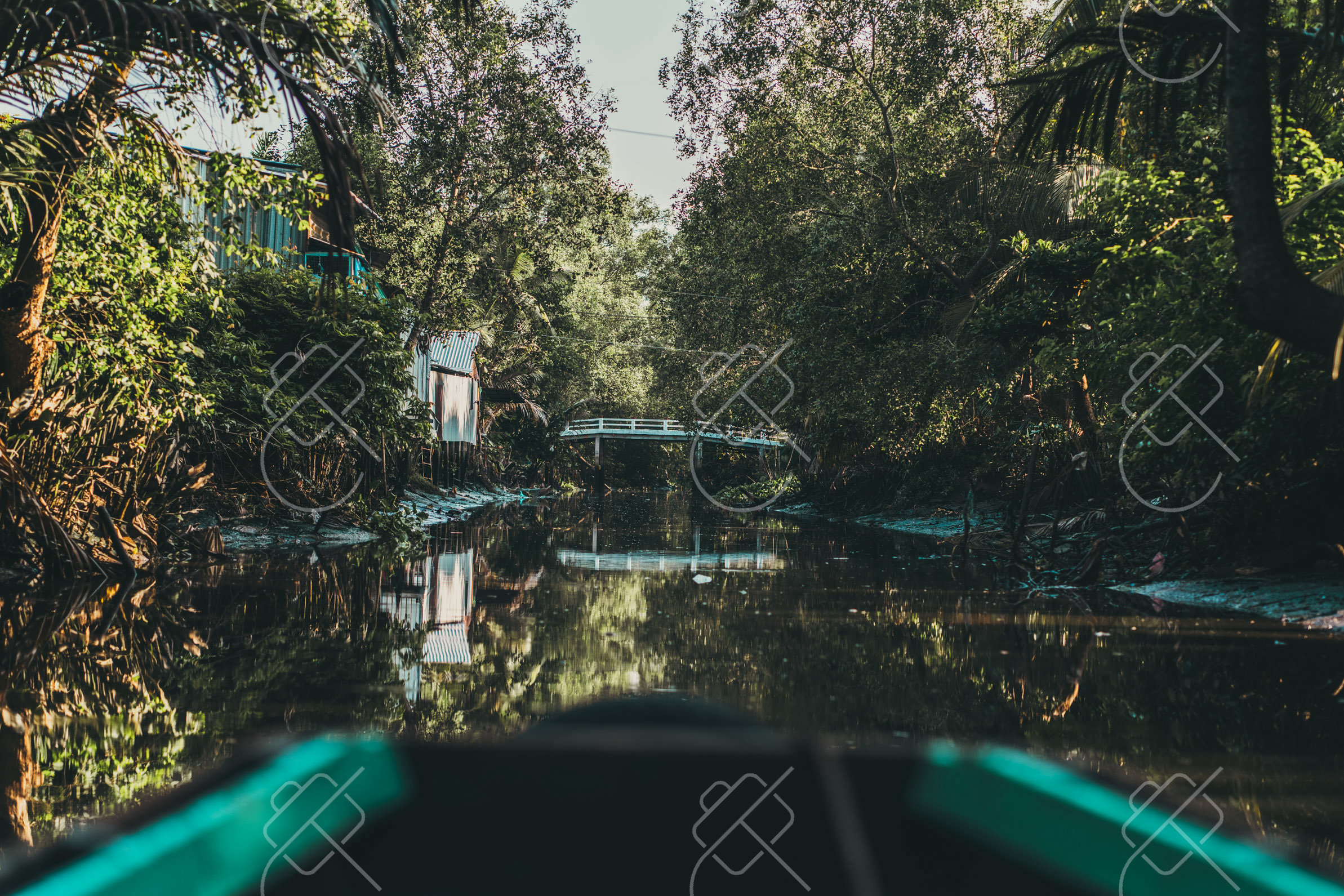
Away from Cai Rang, Can Tho's real texture is in its canals. Smaller tour boats and rented sampans peel off the main Hau River into narrower waterways lined with stilt houses, fruit orchards, and rope ferries, where the pace slows from market hustle to rural quiet. These backwaters were dug by hand generations ago to drain and irrigate the delta, and they still function as the working roads of villages that have no other access — kids paddling to school, vendors poling between houses, laundry drying off back porches that hang directly over the water. A few hours spent drifting one of these side canals, especially early or late in the day when the light is low and gold, gives a much better sense of the delta than the market alone, which by midday is really just a commercial dock.
December to April, during the dry season, when river levels are lower and mornings on the water are clear rather than washed out by rain.
Stay near Ninh Kieu Wharf, within walking distance of the riverfront where boats to Cai Rang depart before sunrise.
Try bun cha ca (fish cake noodle soup), banana fritters (chuoi chien) bought straight off a market boat, and hu tieu Nam Vang, a Mekong-style noodle soup often eaten for breakfast on the water.
Book your boat the evening before through your hotel or directly at Ninh Kieu Wharf, and ask for a 5:30am departure — arrive at Cai Rang any later than 7am and the wholesale boats have already sold out and left.
Get the best deals on where to stay in Can Tho — Booking.com.
Before setting out for Can Tho, Vietnam, World Nomads was the travel insurance policy we picked to cover the unexpected.
Transit cards, local customs, visa rules, and practical travel guides for this region.
See every destination from the 526-day journey:
Browse all destinationsCurious about the gear behind these photos? See the gear list.