Some of the most vivid travel memories come from a chance encounter with a wild animal — not staged, not behind glass, just a moment shared with something that lives there.
Tap any photo to open it full-screen and order a print.
01 / 12
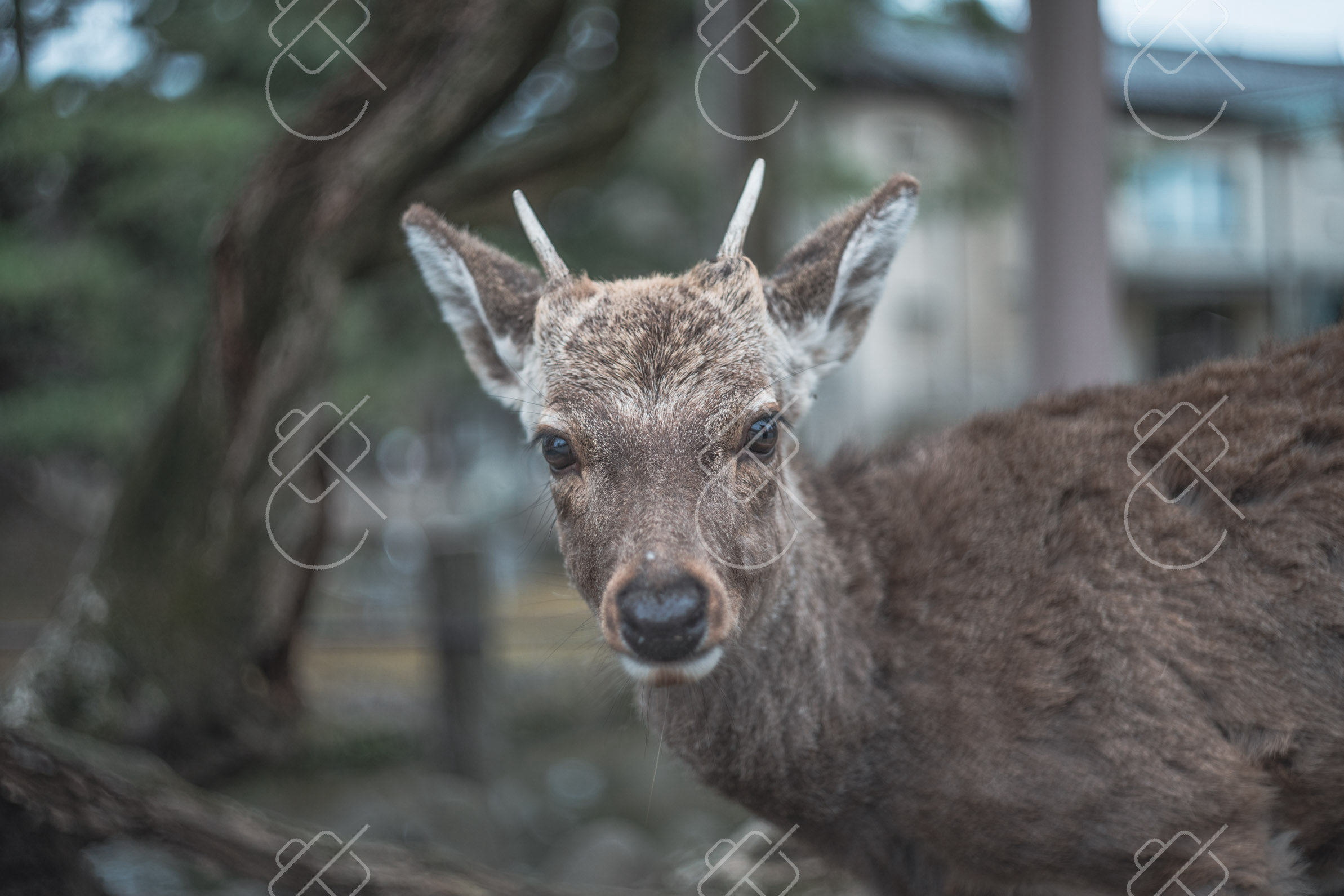
Nara, Japan
Nara Park is home to more than a thousand wild sika deer, considered messengers of the gods in Shinto tradition and free to roam the grounds of the city's ancient temples.
The deer have grown accustomed to visitors over centuries of coexistence, approaching freely and even bowing for crackers sold by park vendors. Bucks grow a new set of velvet-covered antlers each spring, shed annually, and the herd disperses across the park's lawns, shrines and wooded hillsides at dawn before crowds arrive.
Explore Nara, Japan →02 / 12
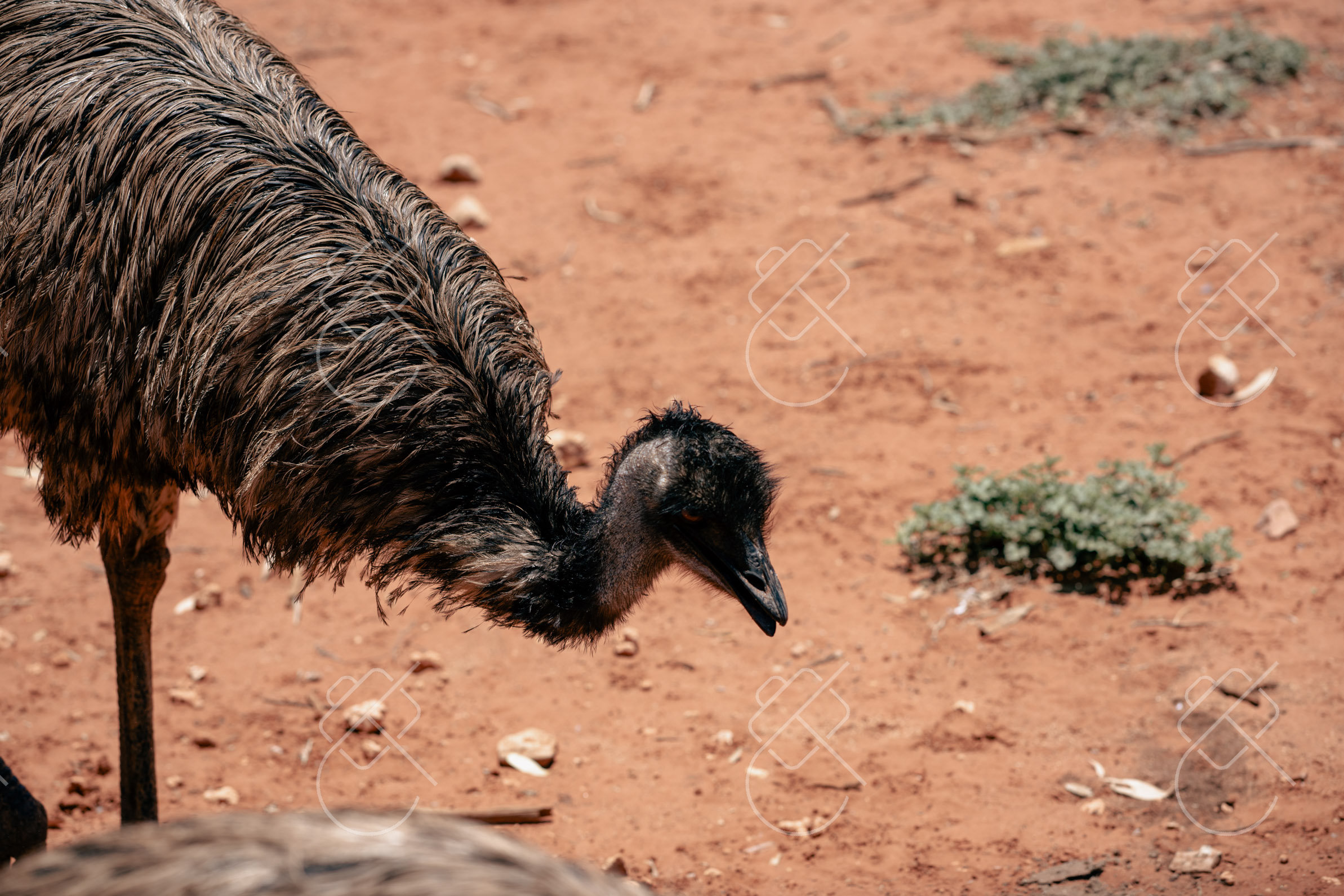
Alice Springs, Australia
Emus roam freely around Alice Springs and the wider Red Centre, one of the few places where Australia's largest native bird can still be seen foraging across the open outback.
Flightless but fast, emus can cover ground at up to 50 km/h and travel long distances between waterholes in search of seeds, fruit and insects. Standing close to two meters tall, they're unmistakable against the region's red earth, and pairs or small groups are a common roadside sight on the drive out toward Uluru.
Explore Alice Springs, Australia →03 / 12
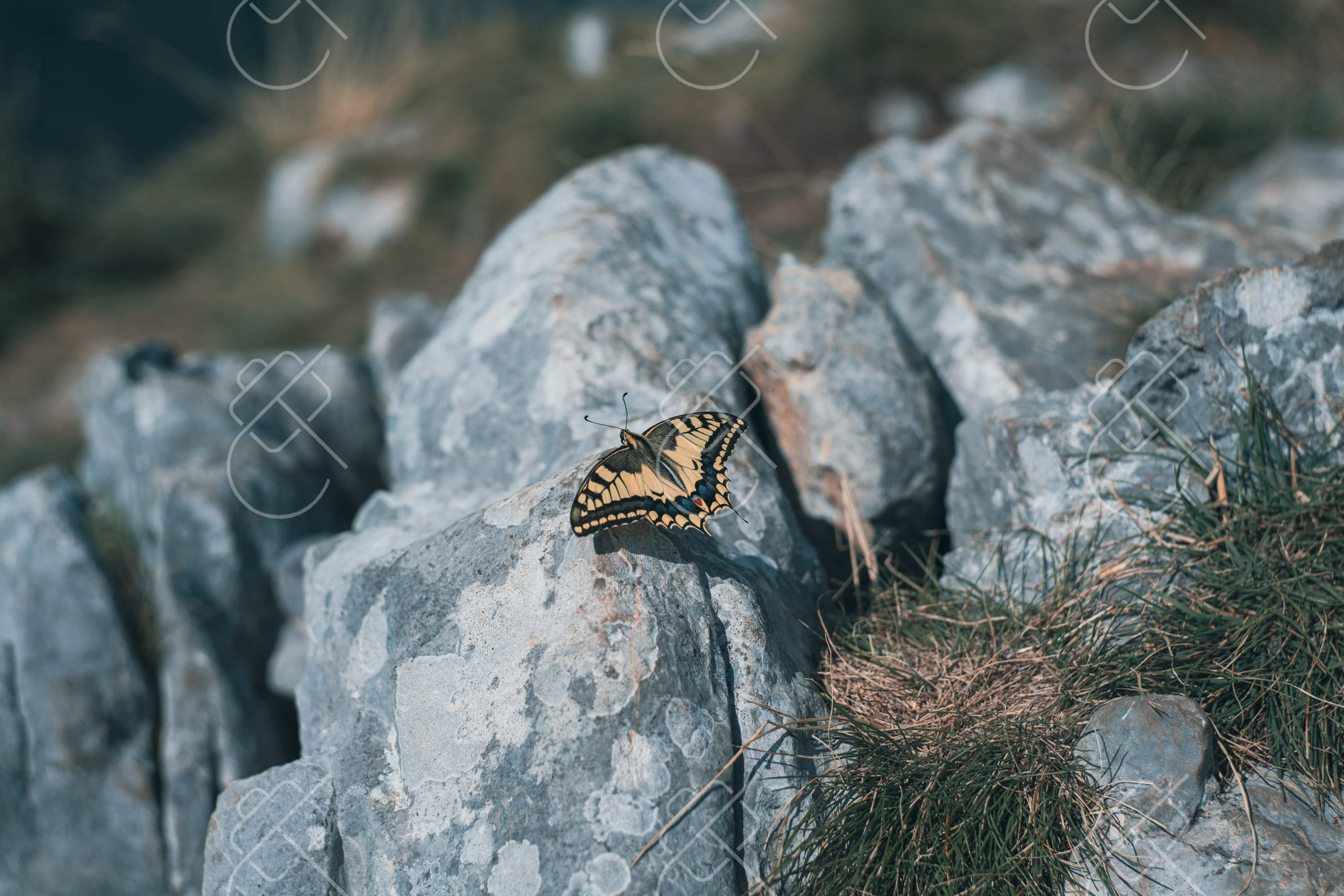
Gusinje, Montenegro
A swallowtail butterfly rests with wings spread on a sun-warmed limestone wall near Gusinje, in the mountains of northern Montenegro.
Swallowtails are named for the elongated, tail-like extensions on their hindwings, thought to help confuse predators aiming for the head. The limestone terrain around Gusinje, at the foot of the Accursed Mountains, warms quickly in the sun and makes for a favorite basking spot — butterflies are cold-blooded and need to raise their body temperature before they can fly. This one likely startles easily; swallowtails rarely sit still for long once the day heats up.
Explore Gusinje, Montenegro →04 / 12
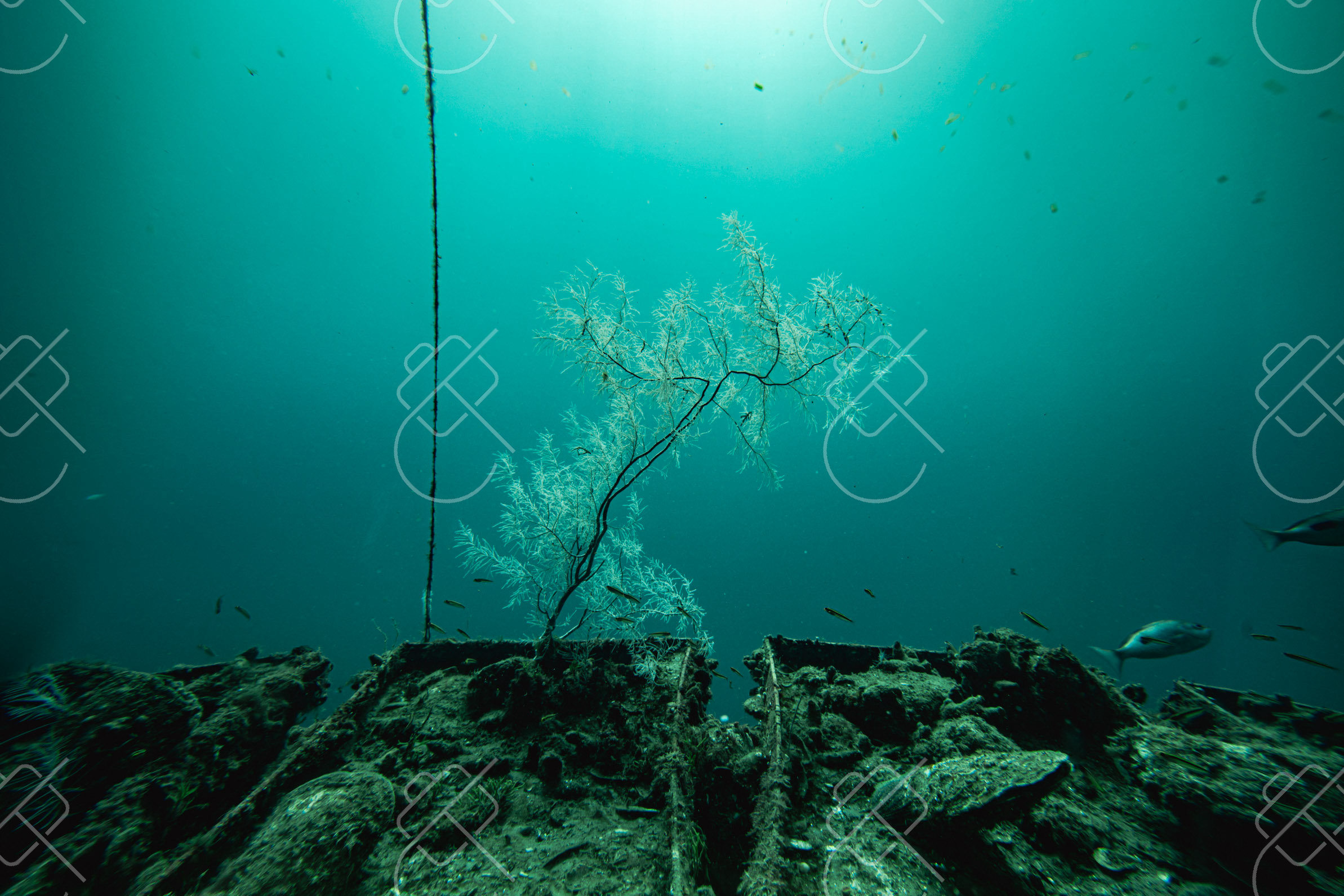
Milford Sound, New Zealand
A colony of black coral rises from the wreckage of a sunken ship at Milford Sound, its dark stems and feathery white polyps swaying in the current as reef fish drift past.
Despite the name, living black coral is rarely black at all — the color comes from the tough, dark skeleton beneath a thin layer of colorful polyps, here bleached pale by depth and current. Slow-growing and long-lived, colonies like this one take decades to reach any real size, and the wreck's iron hull has given this one an anchor point to grow undisturbed on the fjord floor. Milford Sound's dark, tannin-stained freshwater layer blocks enough light that black coral grows at unusually shallow depths here, within reach of divers without technical gear.
Explore Milford Sound, New Zealand →05 / 12
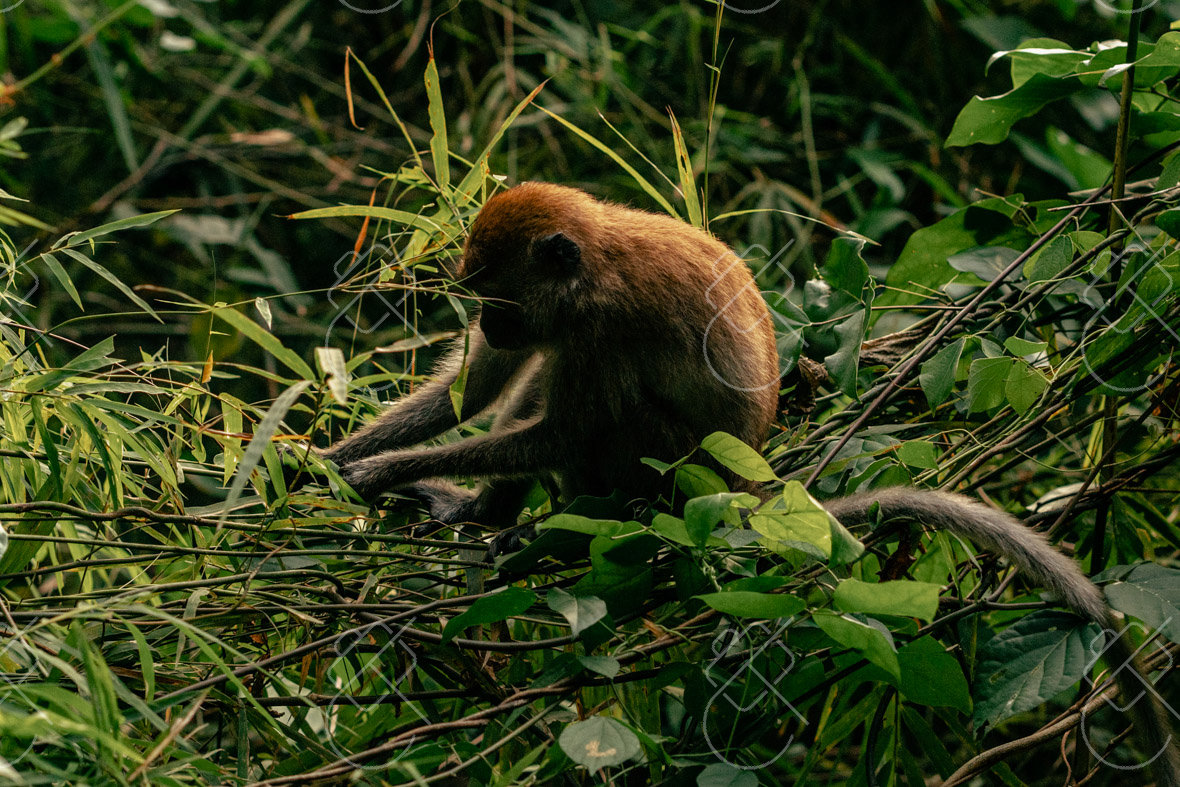
Ao Nang, Thailand
The forested limestone karsts around Ao Nang are home to wild long-tailed macaques, often spotted foraging in the trees and undergrowth just back from the beach.
Long-tailed macaques are common across southern Thailand's coastal forests, moving in troops through the jungle canopy and occasionally down to the shoreline at low tide to forage for crabs and shellfish — a behavior that has earned them the nickname "crab-eating macaque." They tend to keep their distance from the beach crowds, staying within the tree line.
Explore Ao Nang, Thailand →06 / 12
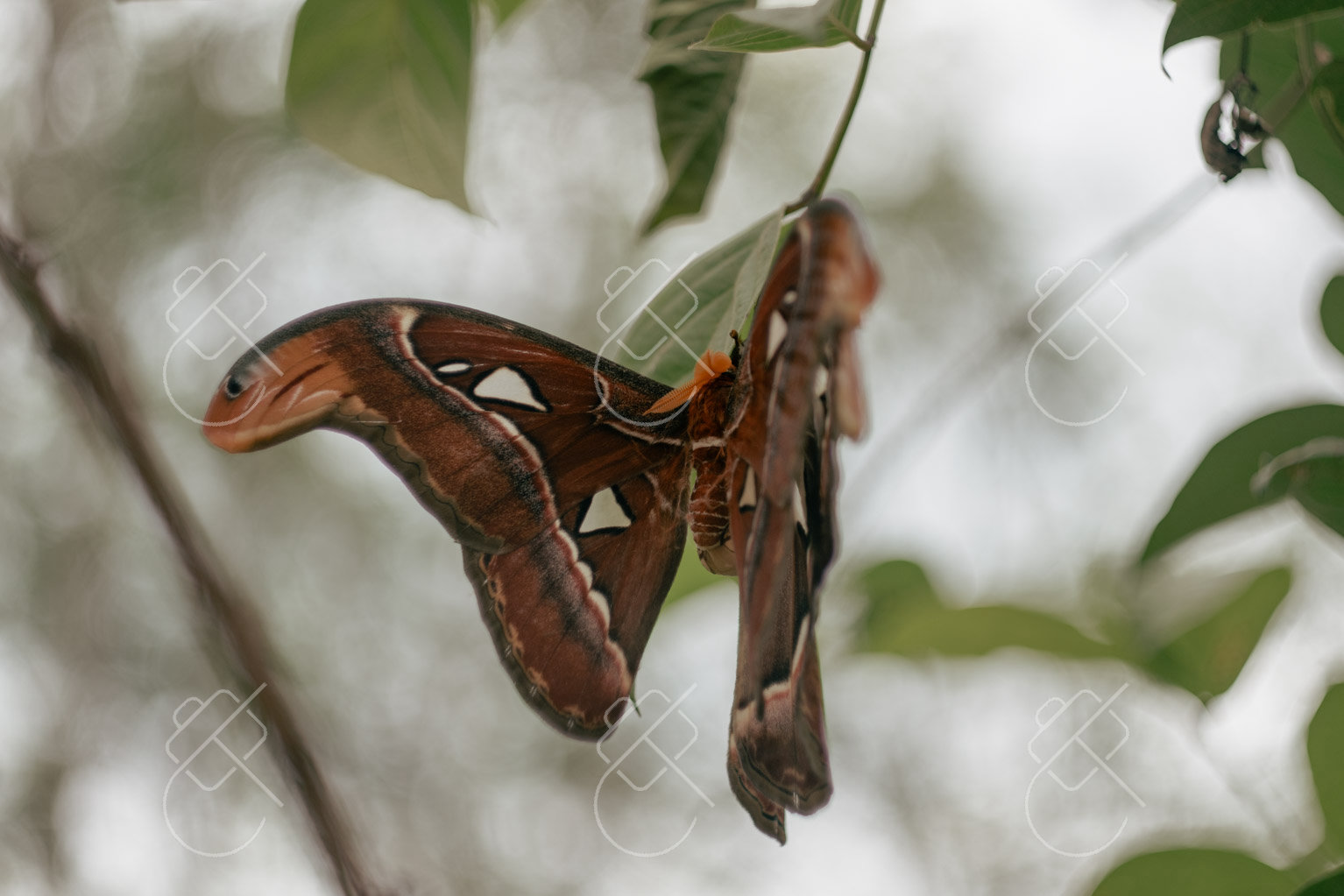
Khao Sok, Thailand
An Atlas moth hangs from a leaf in the rainforest around Khao Sok, its enormous wingtips patterned to mimic the heads of snakes.
Atlas moths are among the largest moths in the world by wing surface area, with a wingspan that can reach 25 centimeters. The snake-head mimicry at each wingtip — complete with a false eye and curved outline — is thought to startle or deter birds and other predators. Adults live only about a week or two; they have no functional mouthparts and cannot eat, surviving purely on fat reserves stored during the caterpillar stage. Khao Sok's rainforest, one of the oldest in the world, is exactly the humid, dense habitat this species depends on.
Explore Khao Sok, Thailand →07 / 12
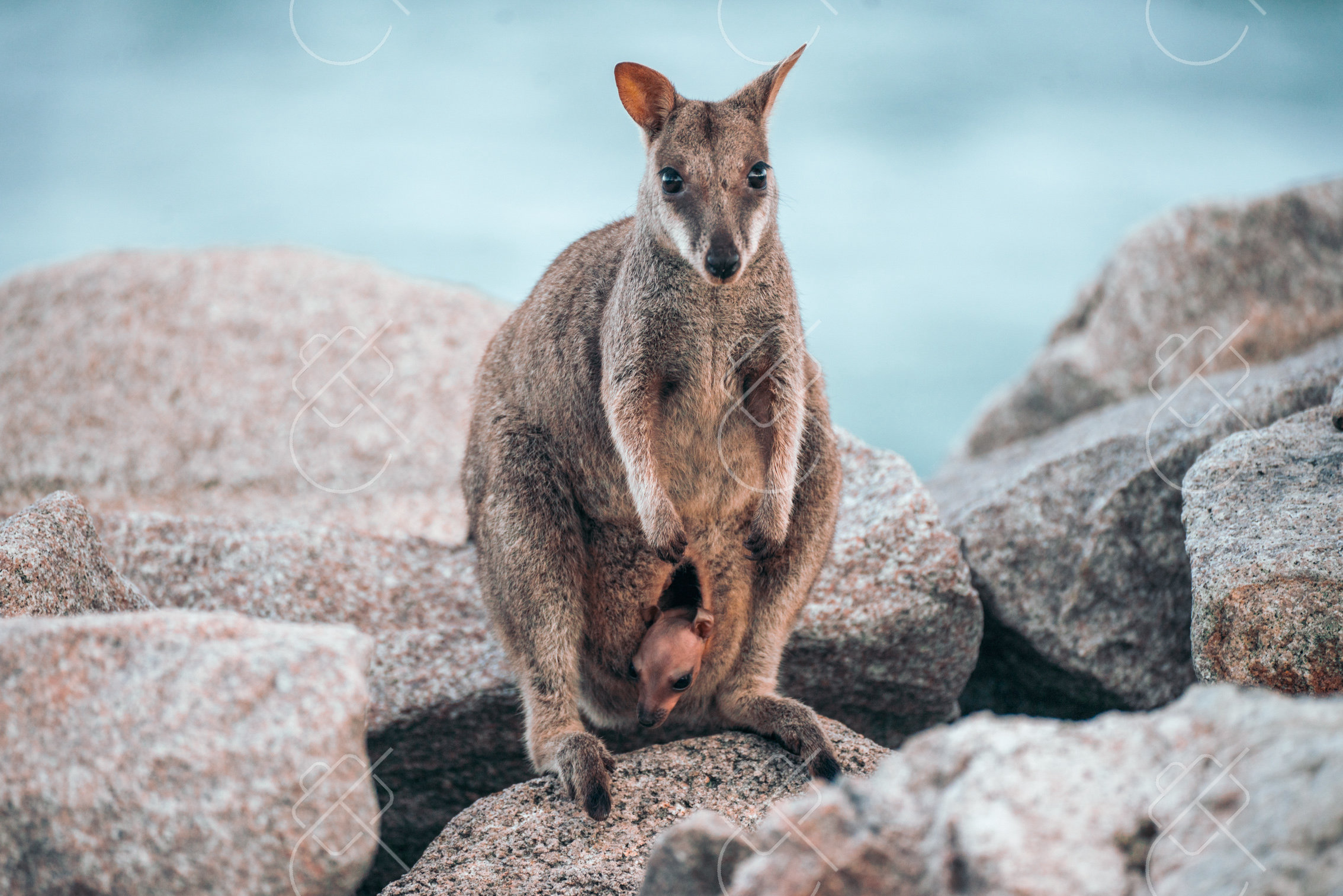
Magnetic Island, Australia
A short ferry ride from Townsville, Magnetic Island's granite boulders and eucalypt woodland shelter a wild population of rock wallabies that have grown comfortable around the island's few visitors.
The Forts Walk trail, built around WWII gun emplacements, is the island's best-known wildlife spot — as much for its resident koalas as for the rock wallabies that gather on the boulders near the trailhead at dawn and dusk. Females often carry a joey in the pouch, and the wallabies will approach within a few meters if visitors stay quiet.
Explore Magnetic Island, Australia →08 / 12
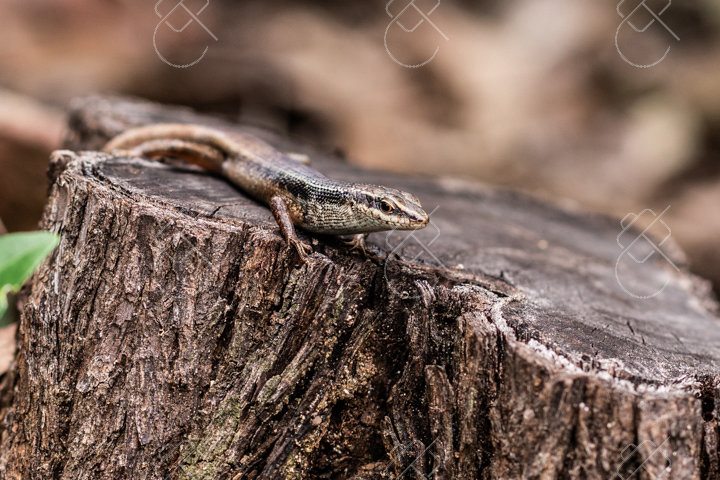
Daintree Rainforest, Australia
The Daintree is the oldest continuously surviving rainforest on Earth, roughly 180 million years old, and its undergrowth is dense with skinks, tree frogs and other small reptiles rarely seen in daylight.
Predating the evolution of flowering plants, the Daintree still holds primitive plant lineages alongside its modern canopy. Its leaf litter and fallen logs shelter forest skinks that bask in the rare patches of sunlight breaking through, while cassowaries and amethystine pythons move through the same understory, mostly unseen.
Explore Daintree Rainforest, Australia →09 / 12
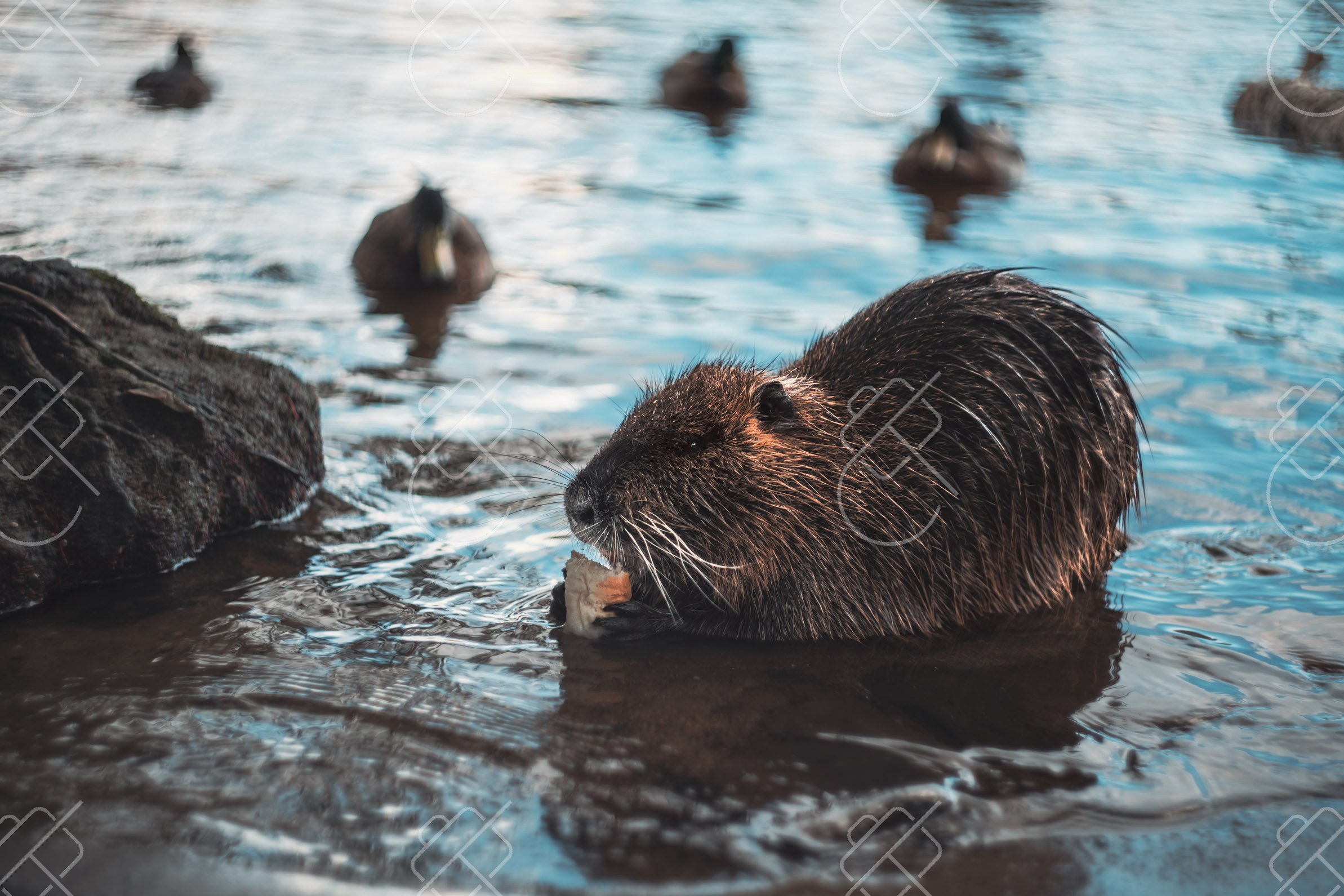
Prague, Czech Republic
A nutria — a large, semi-aquatic rodent — pulls a scrap of bread from the water beside a group of ducks on one of Prague's riverside canals.
Nutria are not native to Europe; they were introduced from South America for fur farming in the early 20th century, and escaped or released populations have since settled into slow-moving rivers and canals across the continent. In Prague they've become a familiar, if unofficial, part of the riverside wildlife, often mistaken for oversized muskrats or small beavers by visitors feeding the ducks nearby. They are strong swimmers and surprisingly bold around people, especially where food is involved.
Explore Prague, Czech Republic →10 / 12
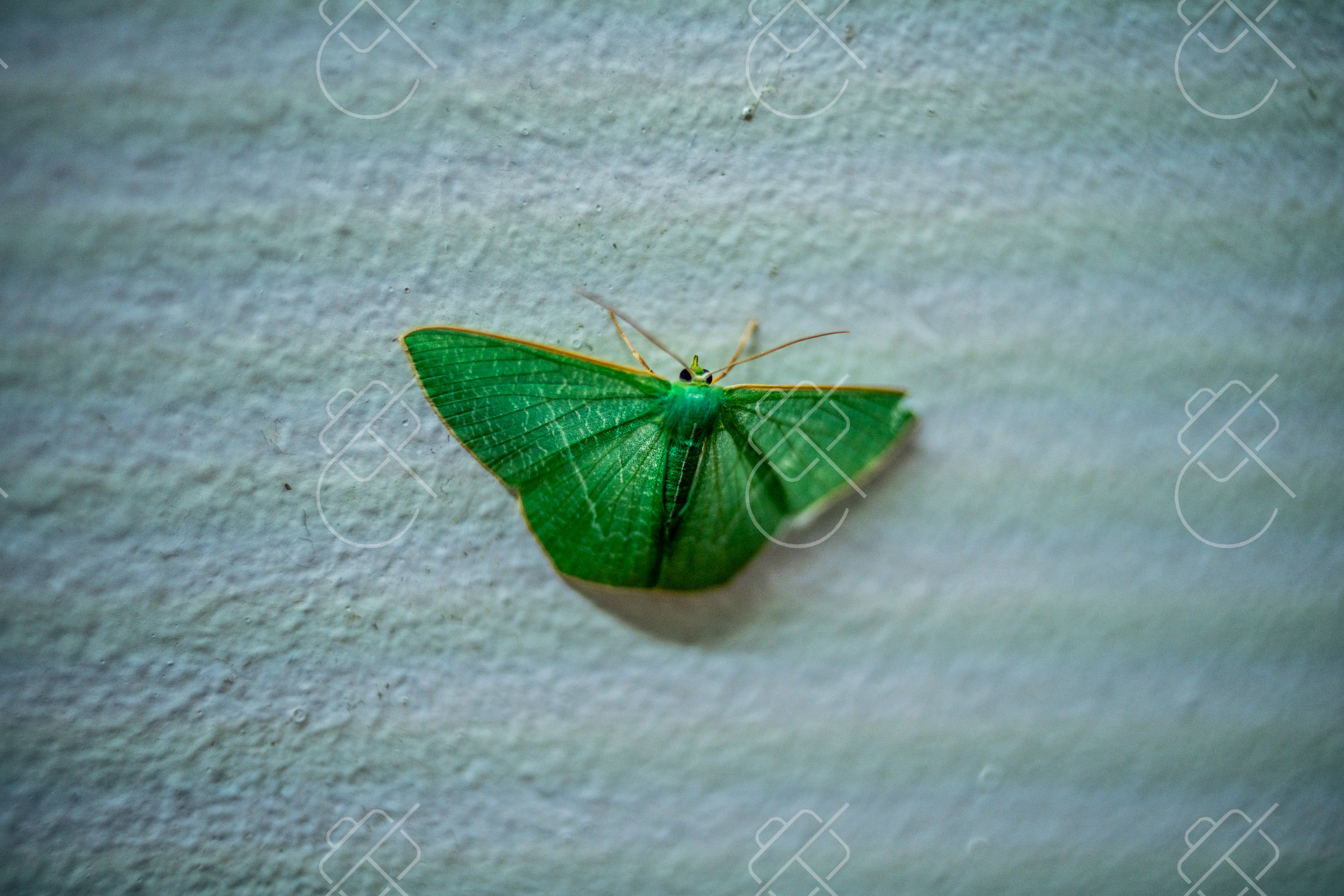
Cairns, Australia
Far North Queensland's tropical climate supports some of Australia's most striking insect life, from the iridescent Ulysses butterfly to vivid emerald moths found nowhere else.
The region's humidity and year-round warmth make it one of the best places in the country to see large Lepidoptera up close, and the nearby Australian Butterfly Sanctuary protects a slice of the rainforest specifically for them. Even outside the sanctuary, the insects turn up unannounced — resting on walls, fence posts and leaves throughout the city.
Explore Cairns, Australia →11 / 12
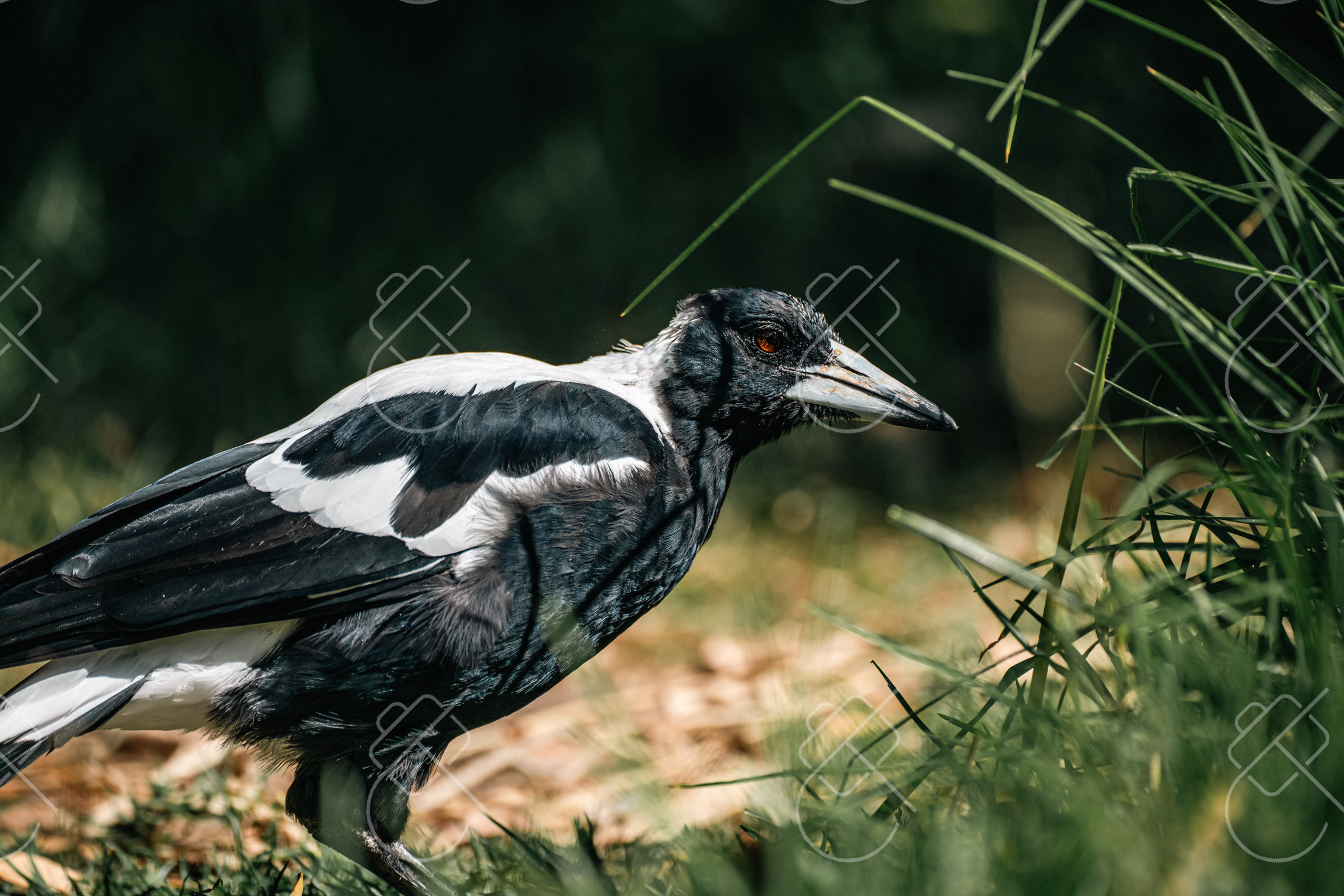
Apollo Bay, Australia
An Australian magpie forages in the grass just off the Great Ocean Road at Apollo Bay, one of the continent's most recognizable and vocal native birds.
Magpies are territorial and famously intelligent, capable of recognizing individual human faces and remembering them for years. Along the Great Ocean Road their black-and-white plumage stands out sharply against the coastal scrub, and their complex, warbling call carries across the roadside paddocks at dawn, one of the defining sounds of the Australian bush.
Explore Apollo Bay, Australia →12 / 12
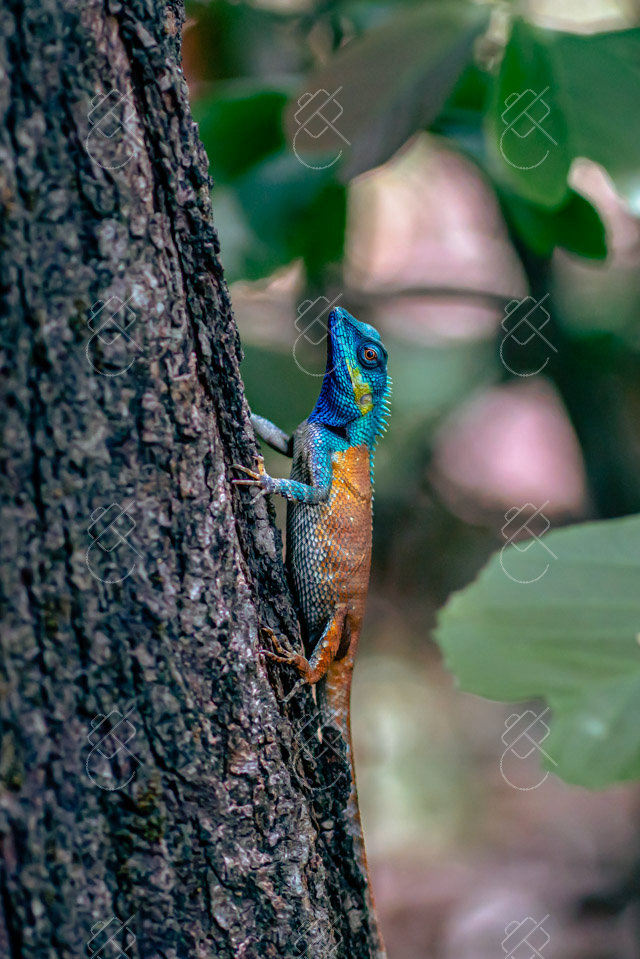
Ho Chi Minh City, Vietnam
A Vietnamese blue-crested lizard, its head washed in orange and its body a vivid blue, clings to a tree trunk in Ho Chi Minh City, scales catching the light between the concrete and traffic noise of Vietnam's largest city.
Even in the middle of a metropolis of nine million people, patches of green hold on — old-growth trees along the boulevards, temple gardens, riverside parks — and reptiles like this one make use of every scrap of it. The blue-crested lizard is native to Vietnam and Cambodia and, despite the name, only shows that brilliant blue on its head and forelimbs during breeding season and moments of stress or display; at rest it fades to a duller brown-green. Look closely at any sun-warmed wall or trunk in the city and there is a decent chance one is watching you back.
Explore Ho Chi Minh City, Vietnam →