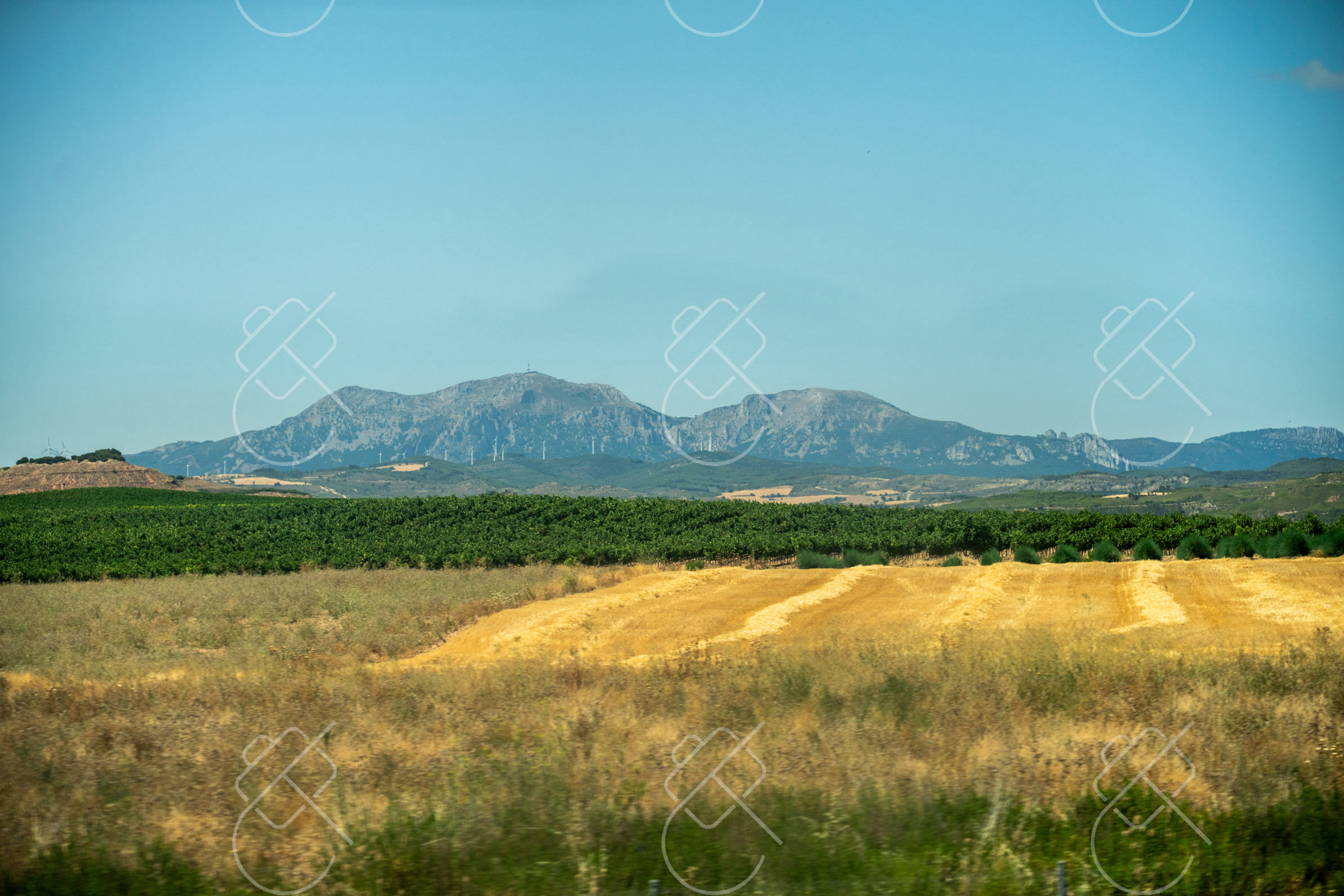
Most itineraries skip these entirely. That's exactly what made them some of the biggest surprises of the trip.
Tap any photo to open it full-screen and order a print.
01 / 06
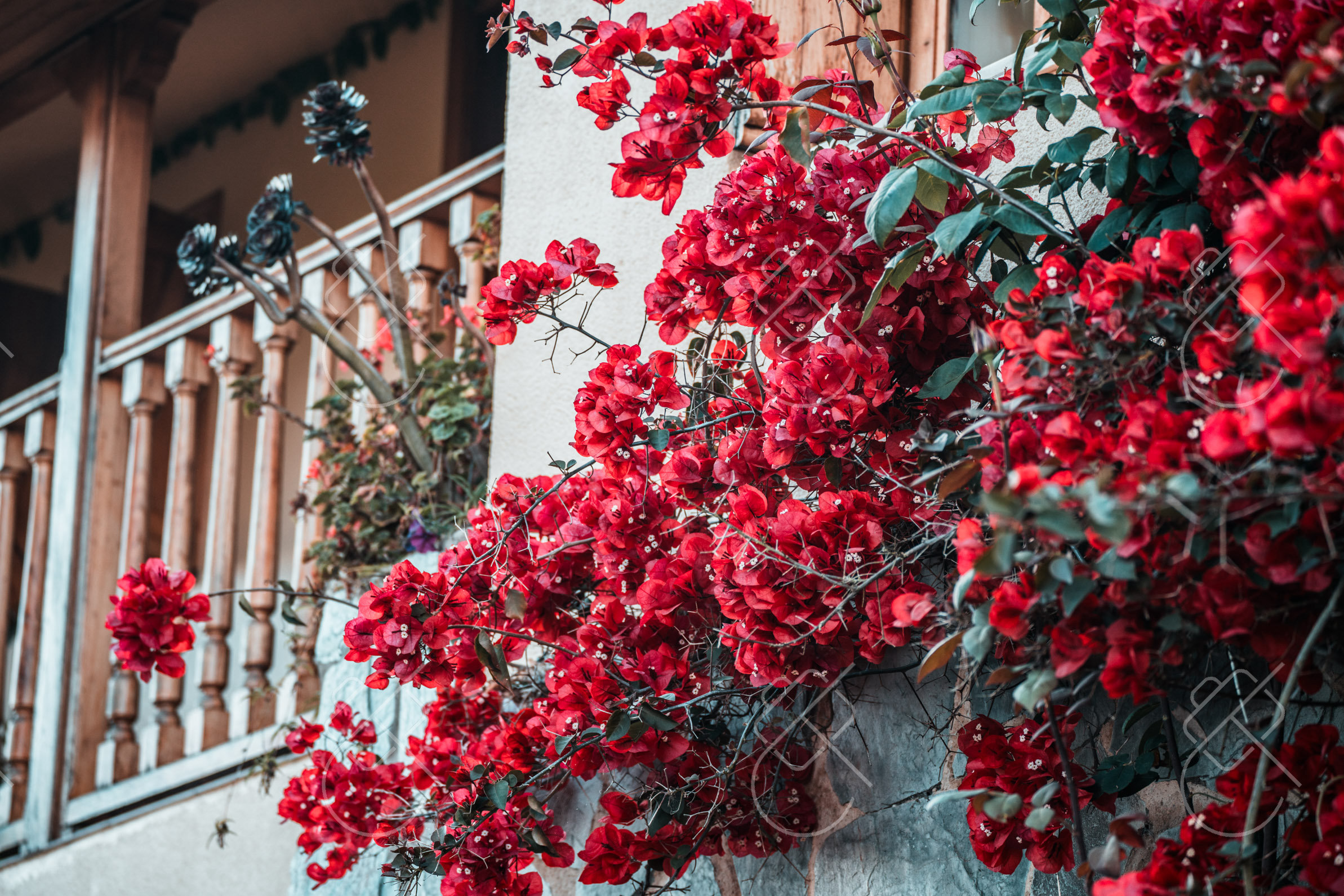
Oviedo, Spain
An elegant Asturian capital with rare pre-Romanesque churches and cider culture.
Oviedo is the capital of Asturias in green northern Spain, a refined and notably clean city set against the Cantabrian mountains. Its old town centers on a Gothic cathedral and a network of pedestrian streets and squares dotted with contemporary sculpture. The surrounding region is known for its dramatic coastline and mountain landscapes inland.
Explore Oviedo, Spain →02 / 06
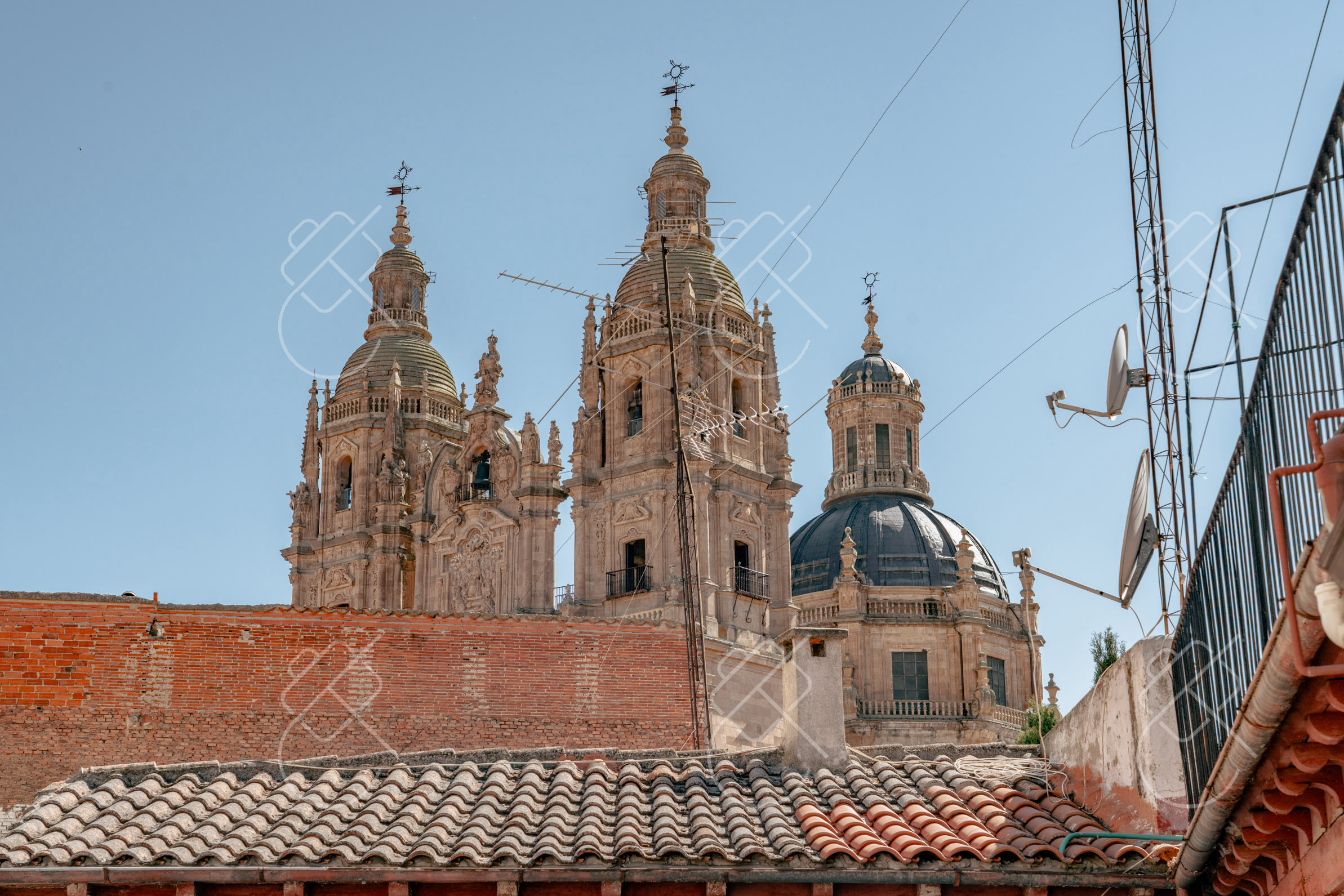
Salamanca, Spain
A golden-sandstone university city and one of Spain's great Renaissance ensembles.
Salamanca, in the Castilian interior, is built almost entirely from a local sandstone that glows honey-gold in the sun, earning it the nickname the Golden City. Home to one of the oldest universities in Europe, founded in 1218, it has a youthful energy alongside a UNESCO-listed historic center of exceptional architectural unity. The stone's warmth peaks at sunset.
Explore Salamanca, Spain →03 / 06
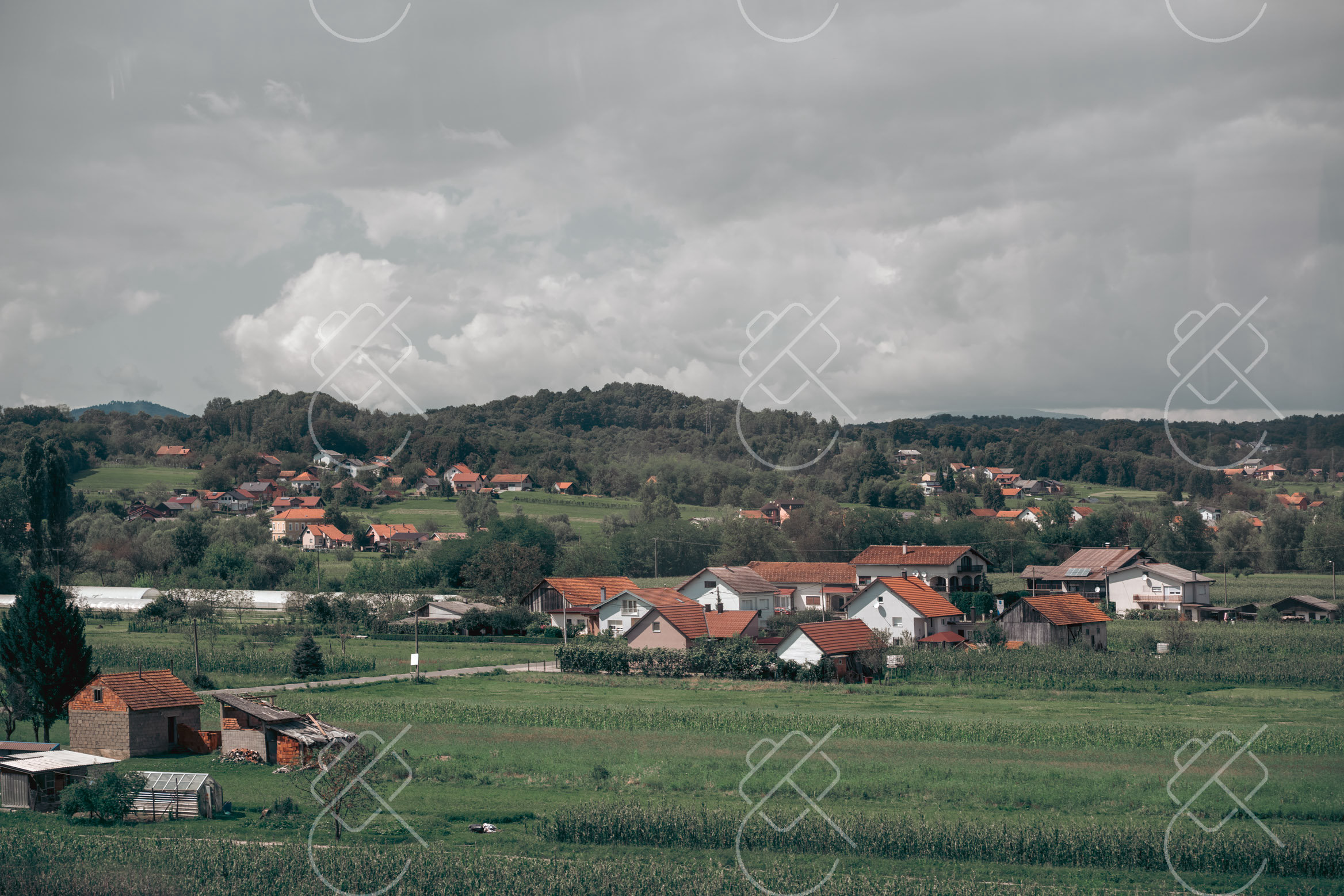
Zadar, Croatia
Zadar is a peninsula city in northern Dalmatia layered with Roman, Byzantine and Venetian remains. Its compact old town holds a Roman forum, the round 9th-century Church of St. Donatus and a waterfront known for two contemporary art installations that play with sound and light.
The Roman Forum, laid out from the 1st century BC, still scatters columns and paving across the old town, with the cylindrical St. Donatus standing on its edge. Marble streets connect churches, the cathedral of St. Anastasia and remnants of the Venetian fortifications and city gates that defended the harbor.
Explore Zadar, Croatia →04 / 06
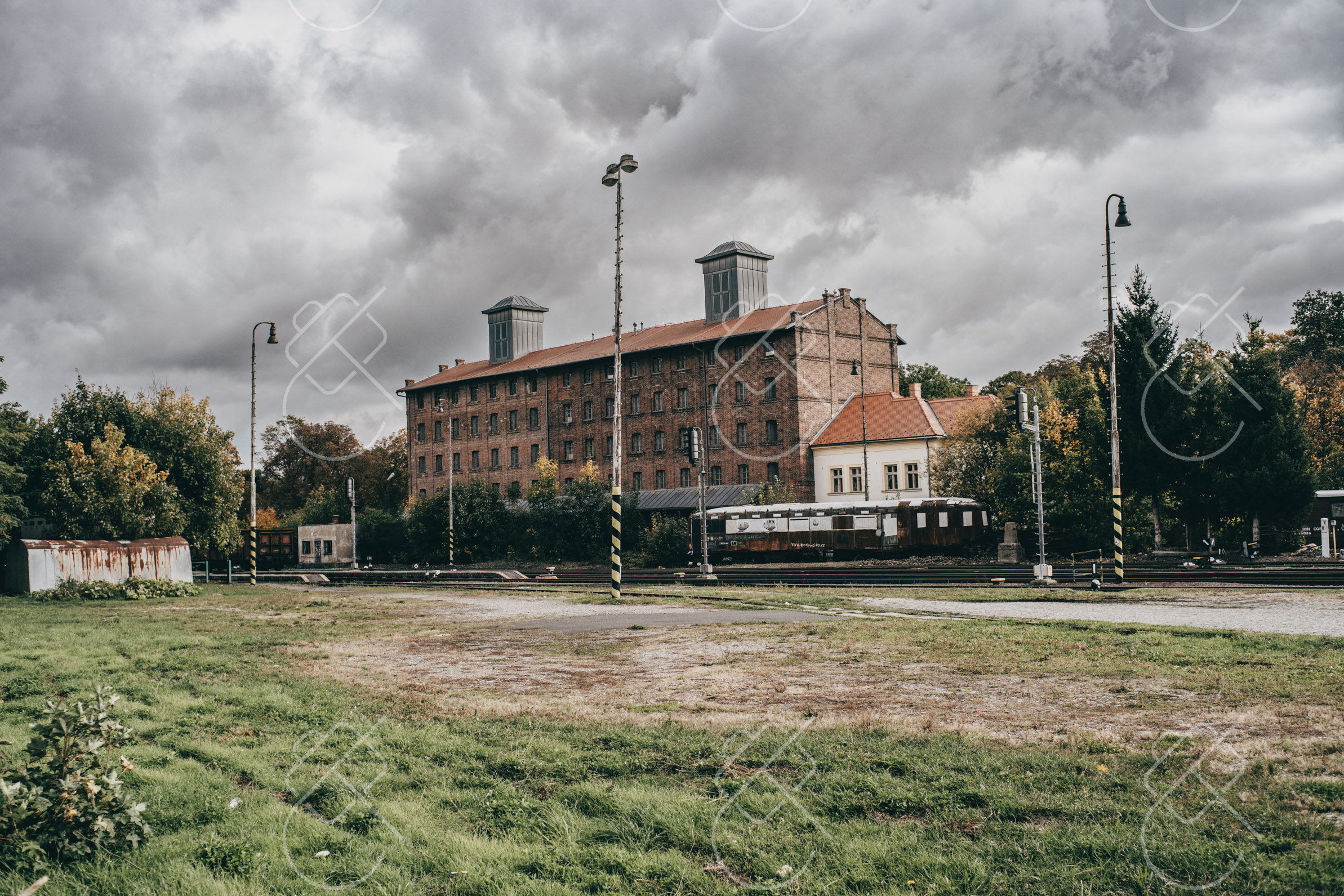
Brno, Czech Republic
Brno is the capital of Moravia and the second-largest city in Czechia. A university and trade-fair city, it combines a historic hilltop castle and cathedral with notable modernist architecture.
The city is overlooked by two hills: one crowned by the Cathedral of Saints Peter and Paul, and the other by Špilberk Castle, a former fortress and prison set in parkland. Below them the old center holds a mix of Gothic, Baroque and functionalist buildings around squares such as Zelný trh, the long-running vegetable market.
Explore Brno, Czech Republic →05 / 06
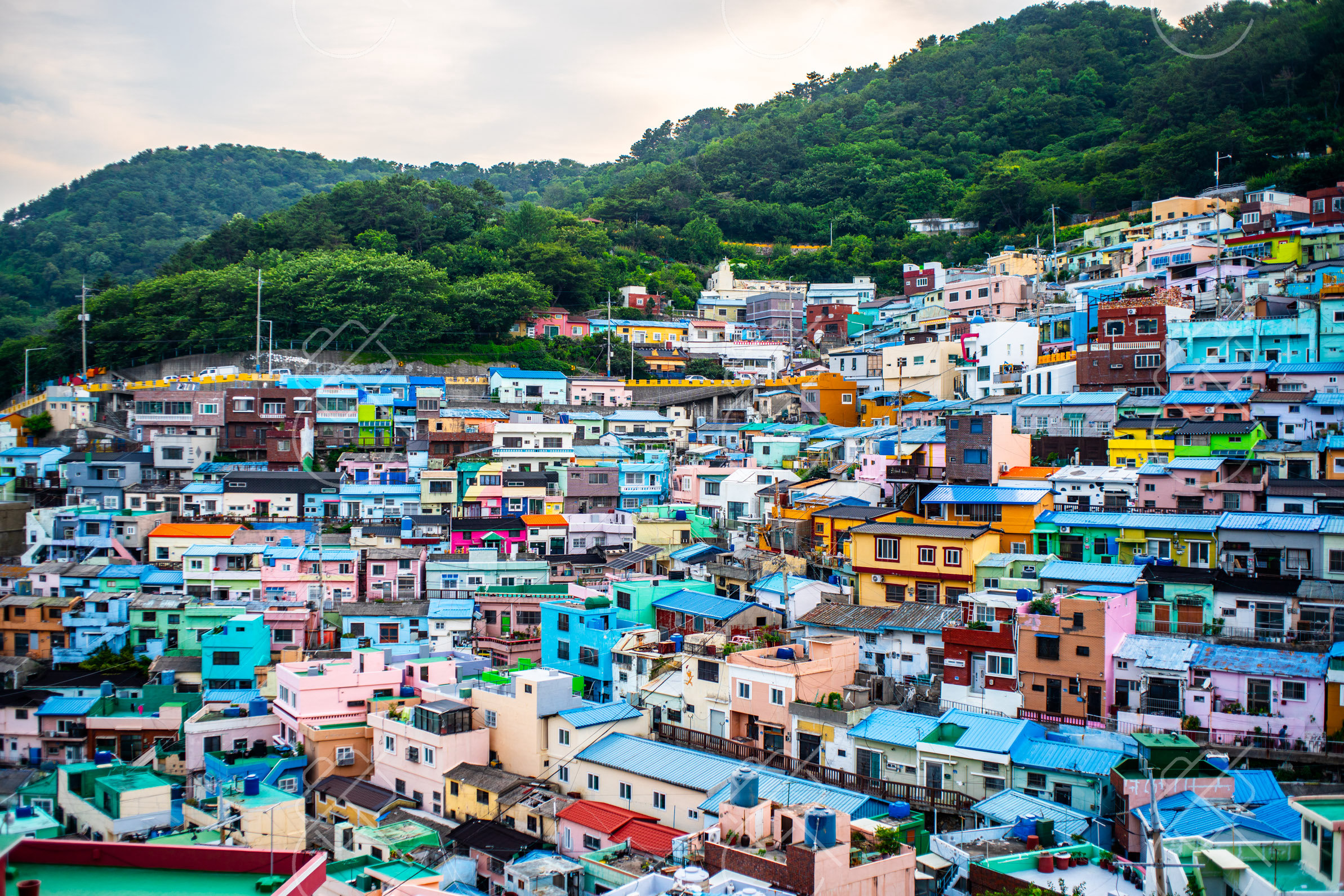
Busan, South Korea
Busan is South Korea's second city and largest port, a coastal metropolis spread between mountains and the sea on the country's southeastern tip. It is known for its beaches, its vast seafood market, and a brightly painted hillside village.
Set around natural harbors, Busan combines city beaches such as Haeundae and Gwangalli with the bustle of Jagalchi, the largest seafood market in the country, where the morning catch is sold and cooked on the spot. The Gwangan Bridge spans the bay and is illuminated at night, forming a backdrop to the beach and skyline. The city hosts a major international film festival each autumn.
Explore Busan, South Korea →06 / 06
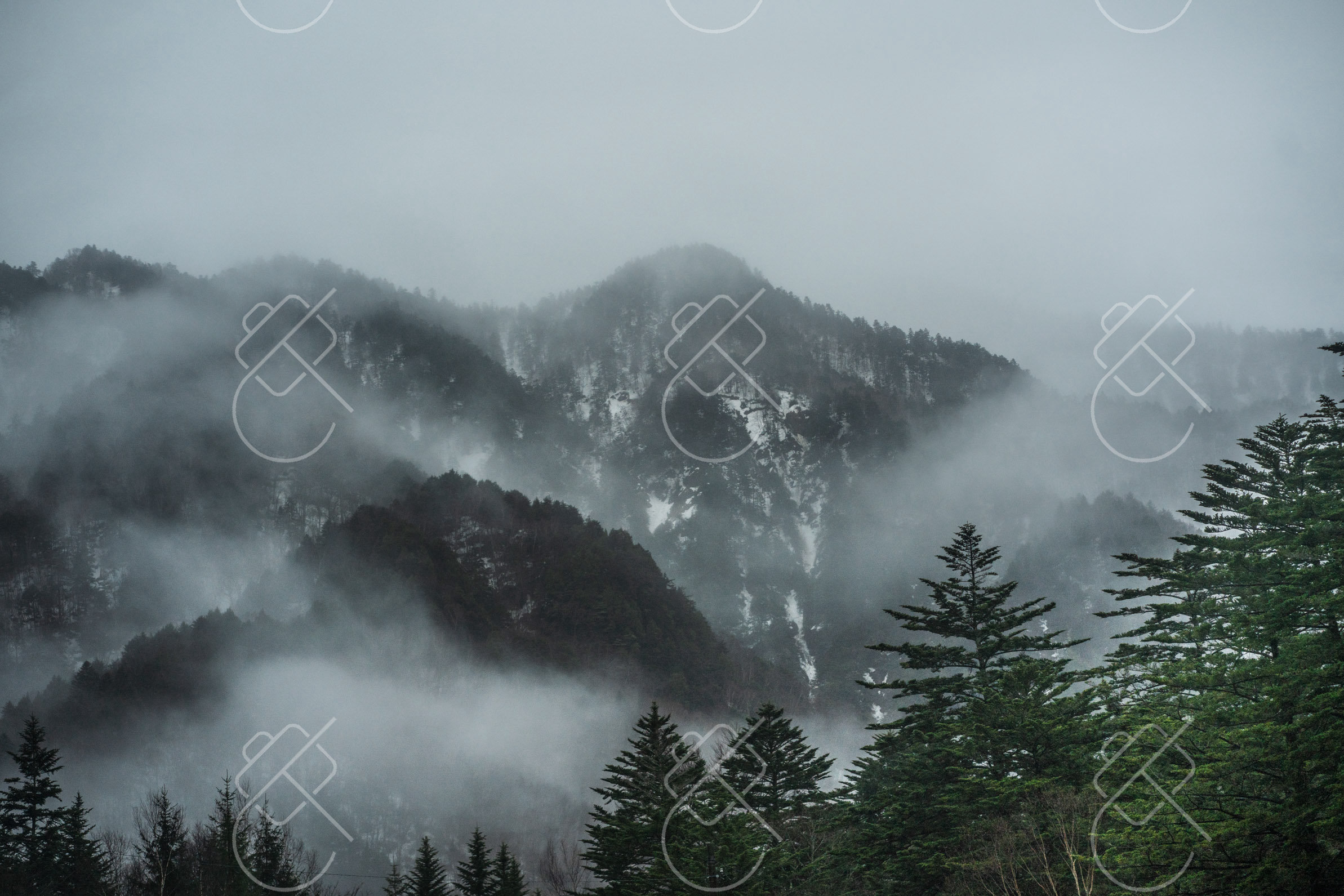
Takayama, Japan
A preserved Edo-era town tucked deep in the Japan Alps.
Takayama sits high in the mountains of the Hida region in Gifu Prefecture, its relative isolation having preserved an exceptionally intact old town. The Sanmachi Suji district is lined with dark wooden merchant houses, sake breweries and lattice-windowed shopfronts dating to the Edo period. The town's craftsmanship and twice-yearly festivals, with ornate floats, are widely renowned.
Explore Takayama, Japan →