Still water, karst rivers and glacial lakes — where the landscape turns to mirror.
Tap any photo to open it full-screen and order a print.
01 / 05
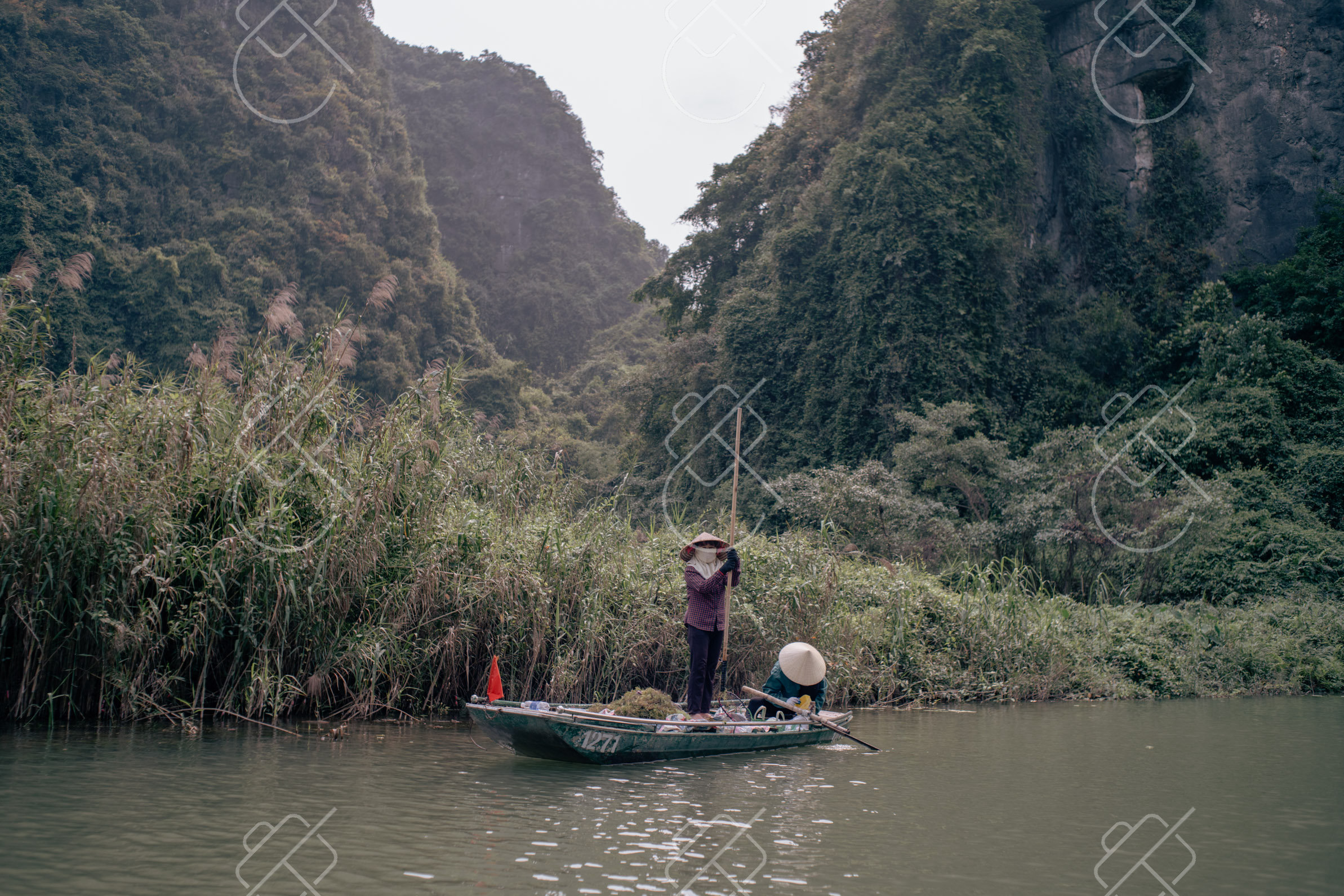
Ninh Binh, Vietnam
South of Hanoi, Ninh Binh is known for dramatic limestone karst landscapes rising from rice paddies and rivers, often described as a dry-land counterpart to Halong Bay. The area includes a UNESCO World Heritage landscape and Vietnam's ancient capital.
The region's signature scenery lies at Tam Coc and Trang An, where rivers wind among towering limestone peaks and through cave tunnels, traditionally explored by small rowing boats. The Trang An Landscape Complex is a UNESCO World Heritage Site recognized for both its natural and cultural value.
Explore Ninh Binh, Vietnam →02 / 05
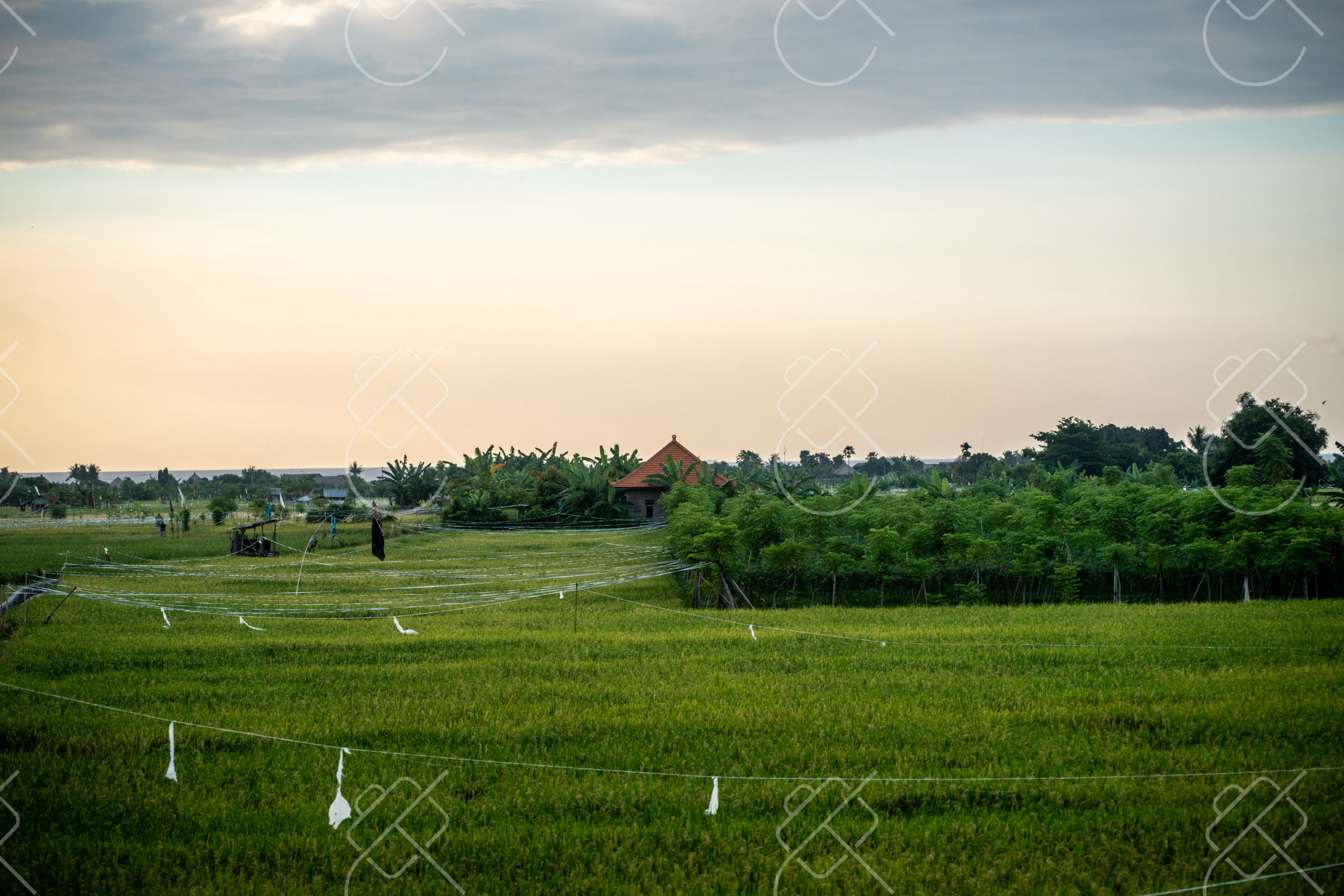
Munduk, Indonesia
Munduk is a mountain village in Bali's northern highlands, set among coffee and clove plantations and known for its cool climate, jungle waterfalls and nearby crater lakes. It offers a quieter, greener side of the island away from the southern beaches.
Perched on a ridge at around 800 meters, Munduk is surrounded by dense forest and terraced plantations, and the cooler, often misty mountain air gives the area a distinct character. The village is a base for walks to a series of waterfalls, including Munduk, Melanting and the twin Banyumala falls, which drop through thick jungle and are among the most scenic on the island.
Explore Munduk, Indonesia →03 / 05
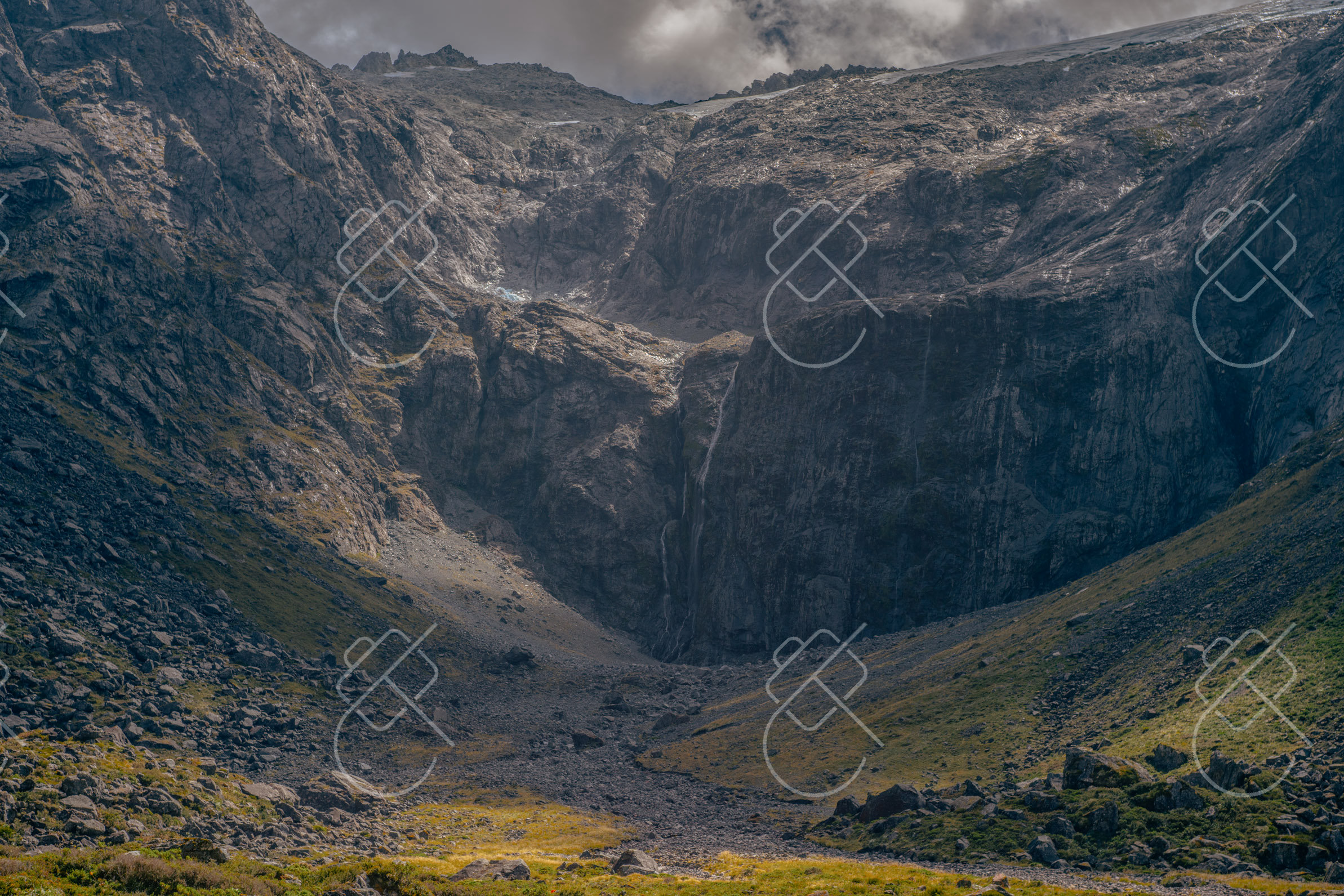
Milford Sound, New Zealand
Milford Sound, in Fiordland National Park, is a glacier-carved fiord where sheer cliffs rise more than a kilometer straight from dark water. Among the wettest inhabited places on Earth, its frequent rain feeds hundreds of temporary waterfalls that pour from the cliffs.
Despite its name, Milford Sound is technically a fiord, gouged by glaciers and flooded by the sea. Mitre Peak, rising 1,692 meters almost directly from the water, is its defining landmark, a peak that shows up on more New Zealand postcards than almost anything else in the country. The fiord lies within Te Wahipounamu, a UNESCO World Heritage area, and is reached by a single road from Te Anau that itself passes alpine valleys, the Mirror Lakes and the Homer Tunnel.
Explore Milford Sound, New Zealand →04 / 05
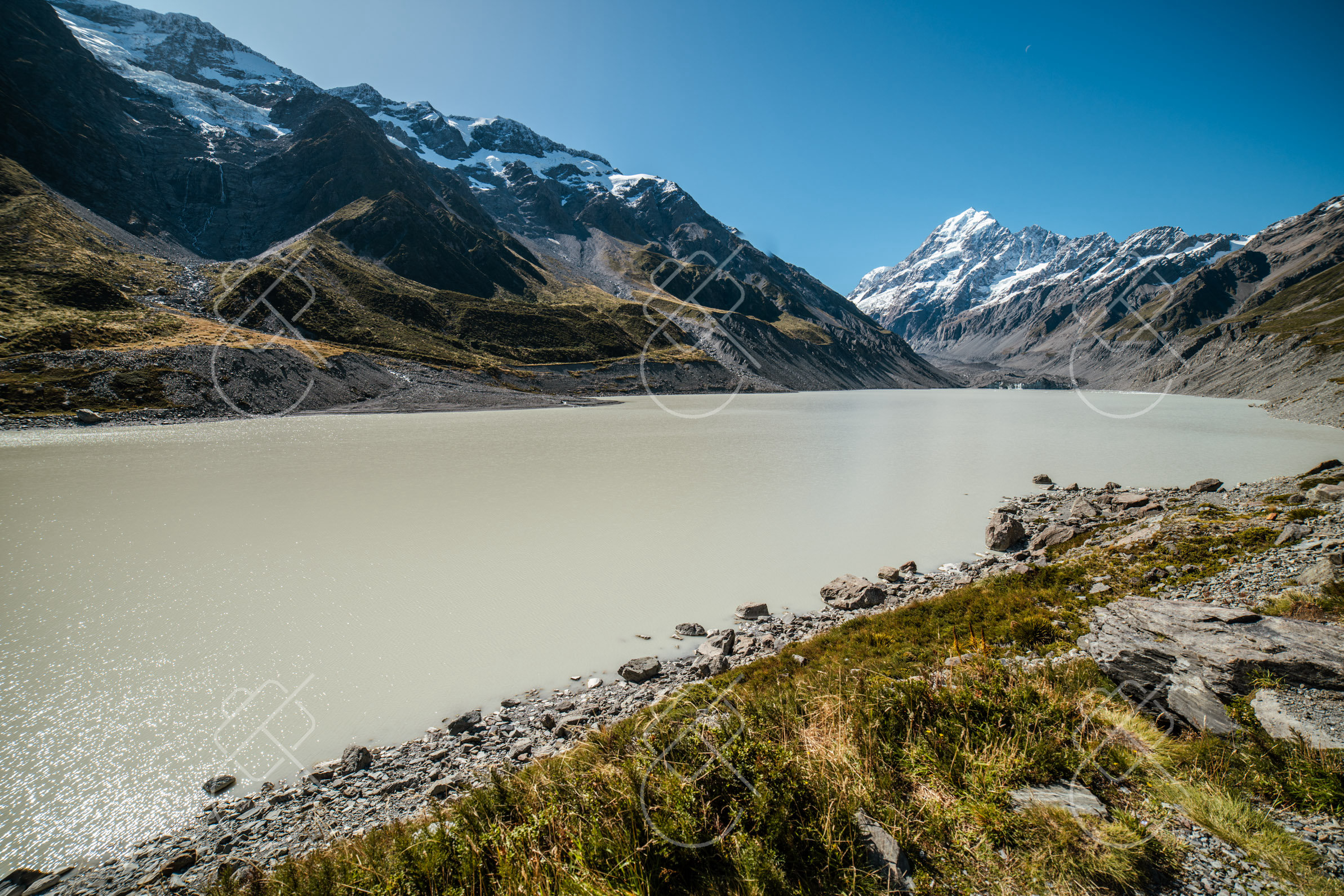
Hooker Lake, New Zealand
A milky, glacier-fed lake at the end of the Hooker Valley Track, its far shore studded with icebergs calved from the Hooker Glacier and Aoraki / Mount Cook rising directly behind it.
Hooker Lake sits at the terminus of the Hooker Valley Track, the most popular day hike in Aoraki / Mount Cook National Park, reached via three swingbridges over the braided Hooker River. Small icebergs drift across its glacial-flour-clouded water, calved from the Hooker Glacier at its head, with Aoraki / Mount Cook towering above — New Zealand's tallest peak and the reason this valley draws hikers from around the world.
Explore Hooker Lake, New Zealand →05 / 05
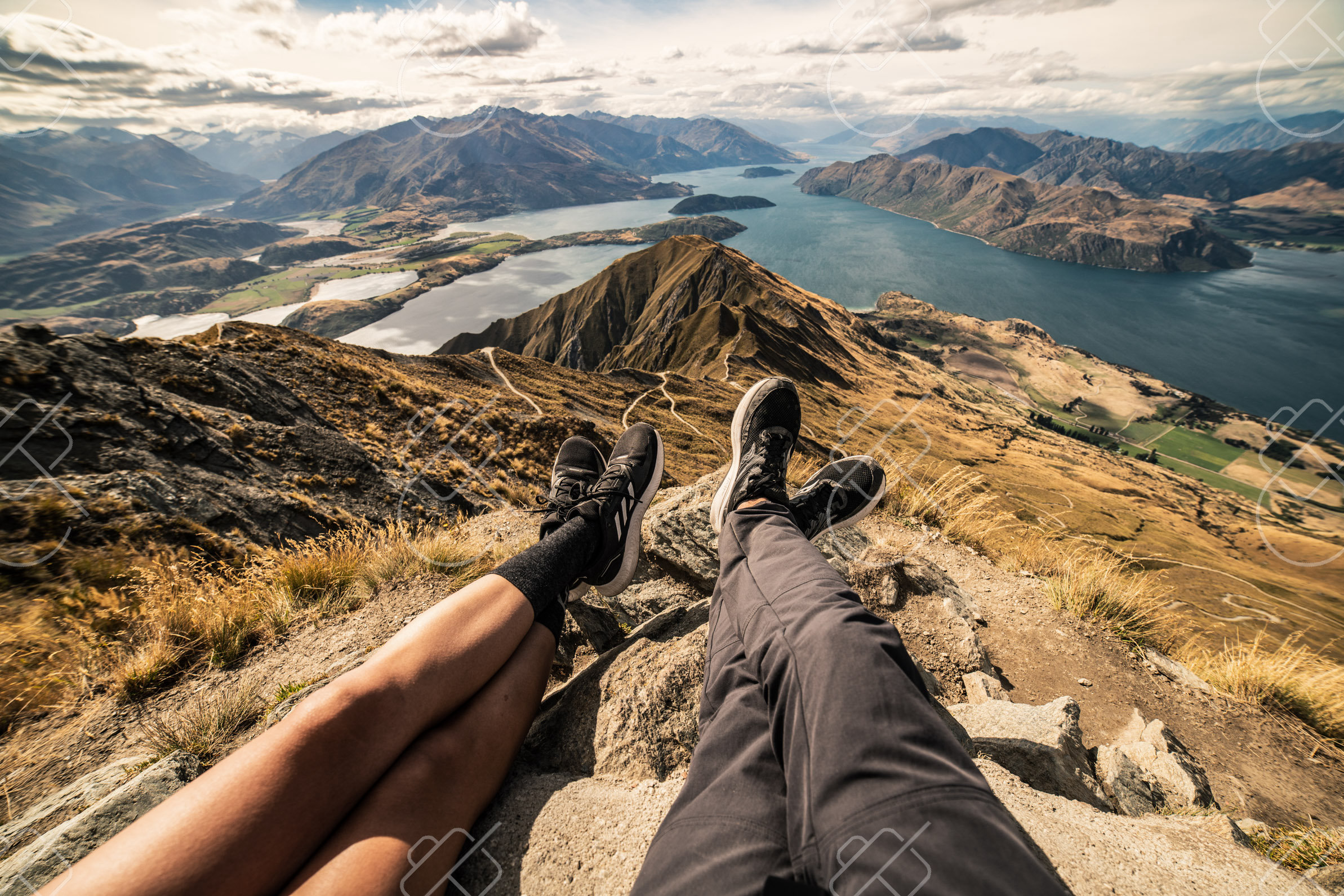
Wanaka, New Zealand
Wanaka is a lakeside town on the shore of Lake Wanaka, surrounded by the peaks of Mount Aspiring National Park. Quieter than nearby Queenstown, it is a base for alpine walks and is known for a single lone willow tree standing in the lake.
The town sits at the southern end of Lake Wanaka, with the snow-capped mountains of Mount Aspiring National Park rising beyond. The most famous photographic subject is #ThatWanakaTree, a lone crack willow growing in the shallows of the lake — its own hashtag and a small crowd of tripods most mornings, especially when the bare winter branches catch sunrise or sunset.
Explore Wanaka, New Zealand →