From gilded halls to weathered stone, the sacred architecture that left the deepest mark.
Tap any photo to open it full-screen and order a print.
01 / 06
Kyoto, Japan
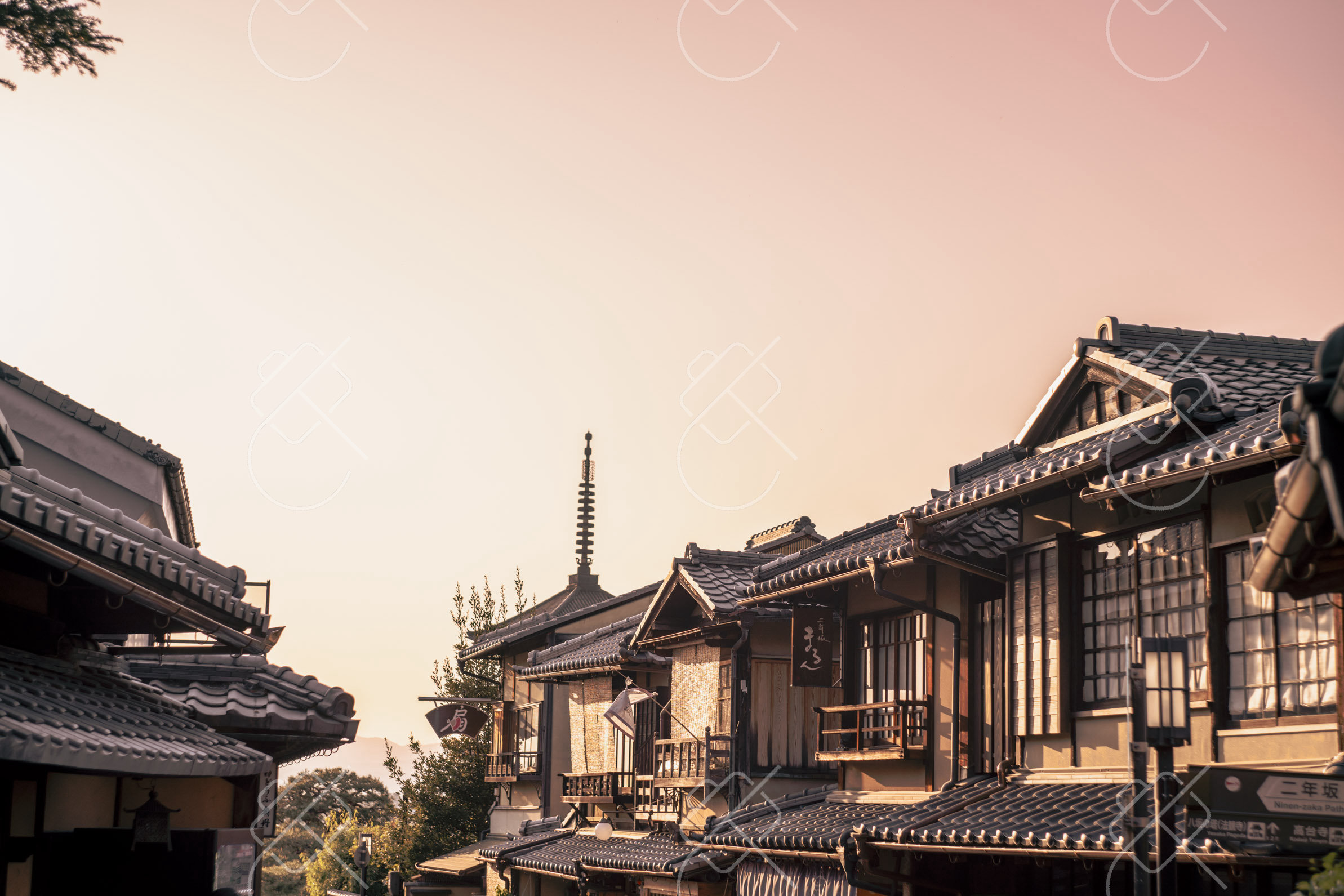
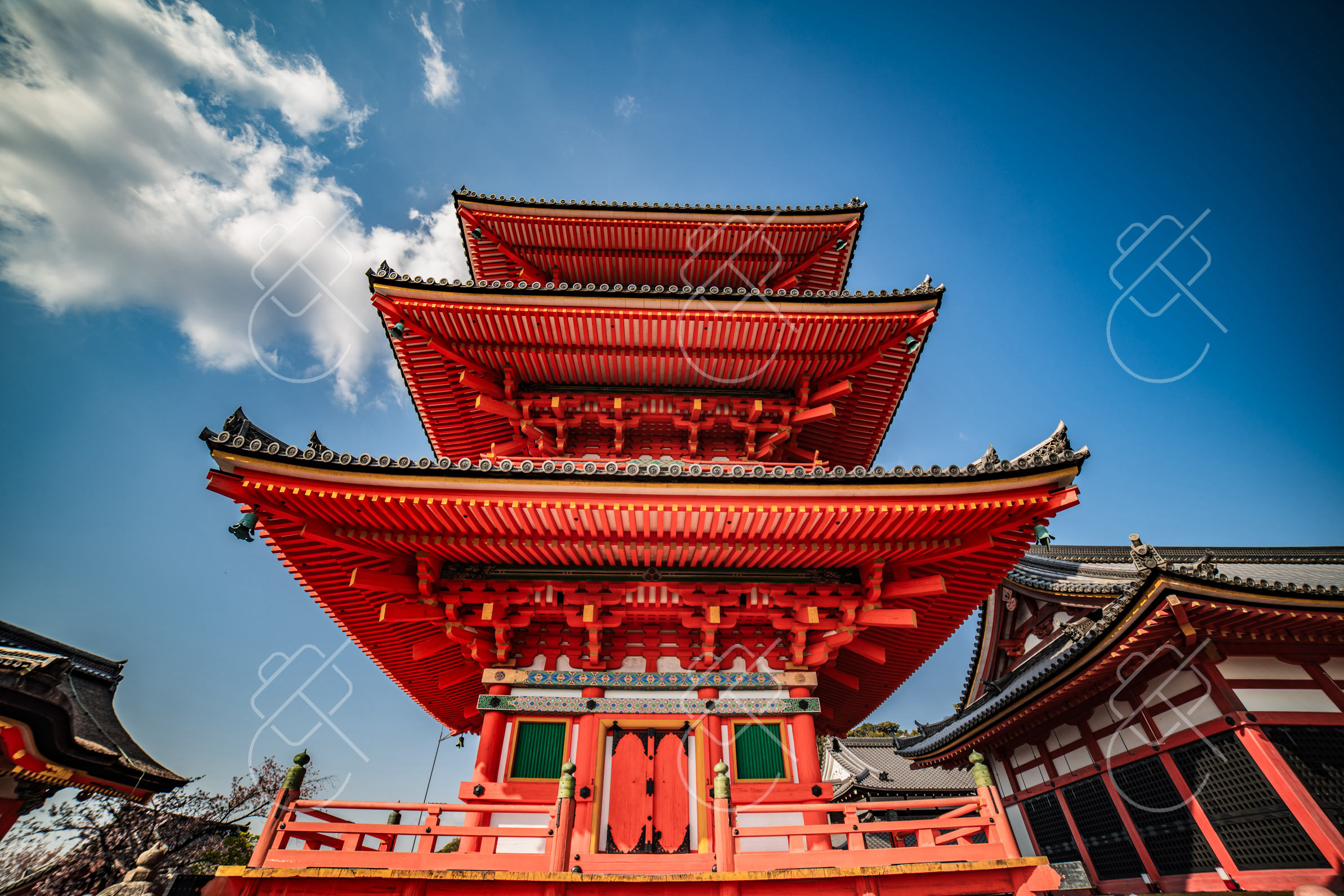
Kyoto was Japan's imperial capital for more than a millennium and preserves an exceptional density of temples, shrines, wooden townhouses and traditional gardens. Many of its sites are UNESCO World Heritage listed, and entire districts retain a historic streetscape.
The city's landmarks range from the gold-leafed Kinkaku-ji pavilion reflected in its pond to the thousands of vermilion torii gates winding up the hillside at Fushimi Inari Shrine. The eastern Higashiyama district preserves stepped lanes of wooden machiya houses leading to the hillside Kiyomizu-dera temple, whose large wooden terrace overlooks the city.
Explore Kyoto, Japan →02 / 06
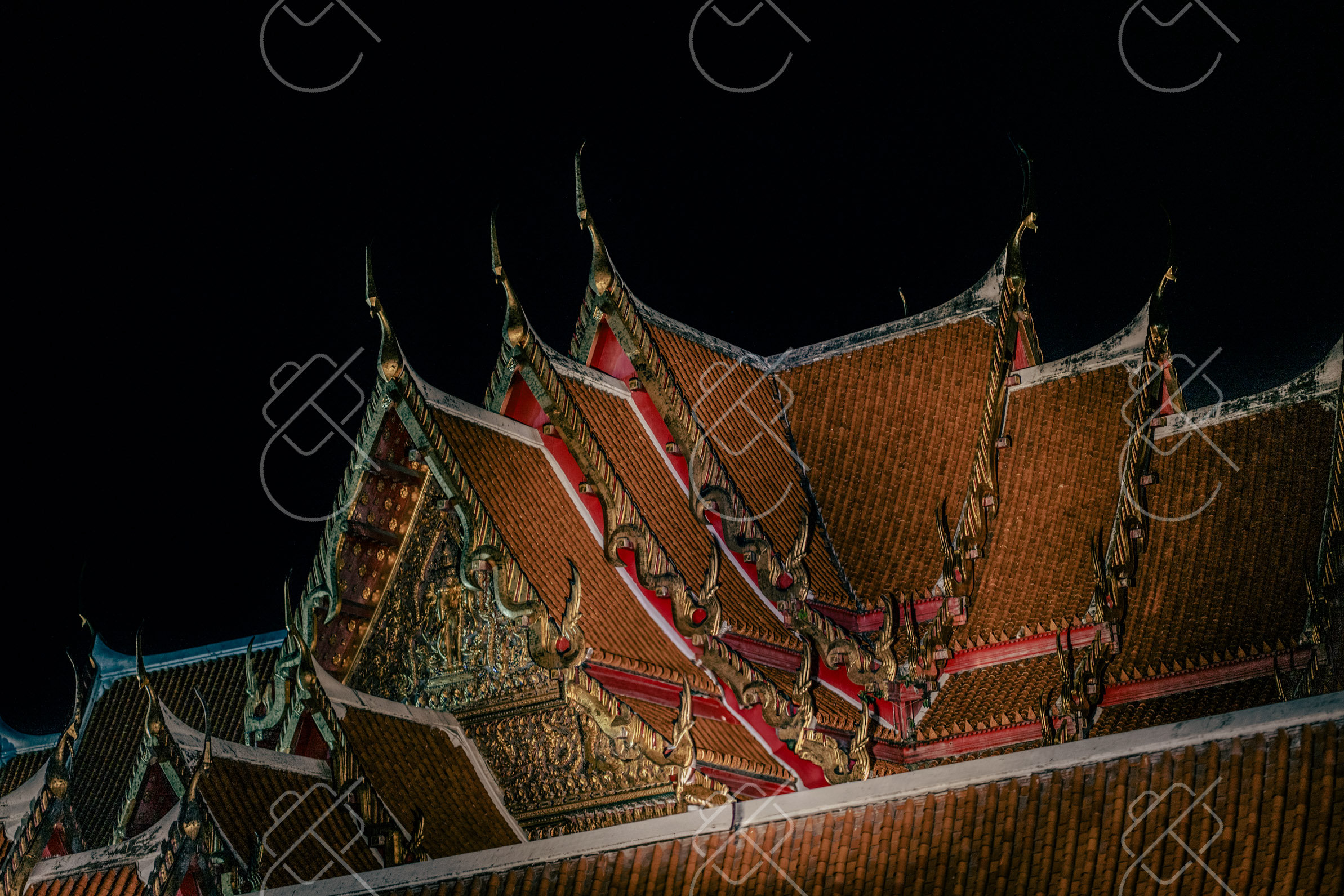
Bangkok, Thailand
A frenetic capital of glittering temples, canals, street food and soaring skyline.
Bangkok is Thailand's sprawling capital and one of Asia's most visited cities, a place of intense contrasts where gilded royal temples sit beside glass towers, riverside slums and elevated expressways. The historic Rattanakosin core holds the Grand Palace and the most revered temples, while the Chao Phraya River and a network of canals recall the city's origins as a place of waterways.
Explore Bangkok, Thailand →03 / 06
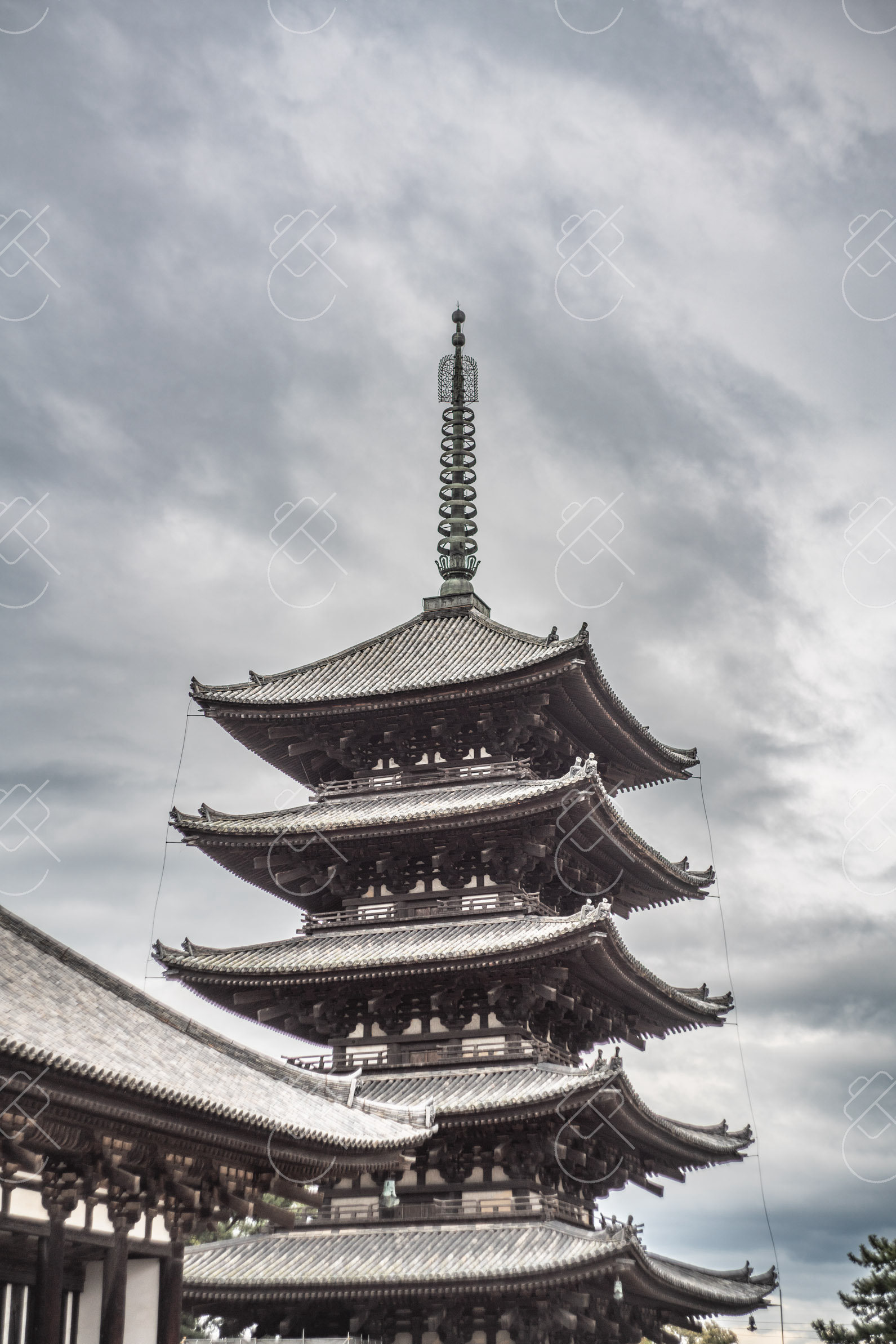
Nara, Japan
Nara was Japan's first permanent capital in the 8th century and preserves some of the country's oldest and largest temples. Its central park is famous for more than a thousand wild sika deer that roam freely among the monuments.
Nara Park spreads across the foot of the eastern hills and contains the city's principal sights. Tōdai-ji houses one of the world's largest bronze Buddha statues within a vast wooden hall, while the freely roaming deer, considered messengers in the Shinto tradition, mingle with visitors throughout the grounds.
Explore Nara, Japan →04 / 06
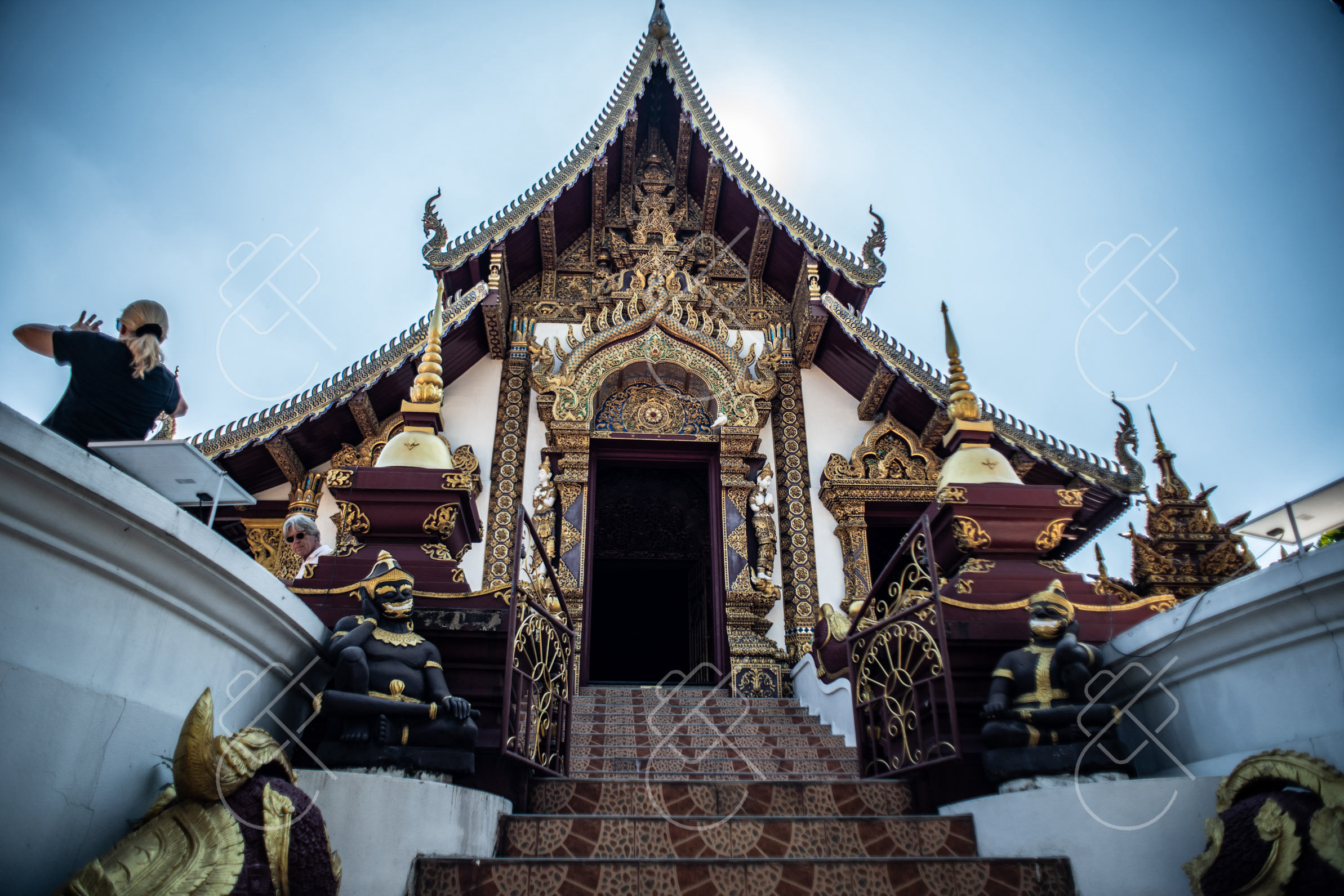
Chiang Mai, Thailand
A laid-back northern city ringed by ancient walls, temples and forested hills.
Chiang Mai, the largest city in northern Thailand, was the capital of the Lanna kingdom and retains a moated, square old town studded with centuries-old temples. Far more relaxed than Bangkok, it sits in a mountain valley and has become a hub for craft markets, cooking schools and a slower pace of travel. Hundreds of temples lie within and around the city.
Explore Chiang Mai, Thailand →05 / 06
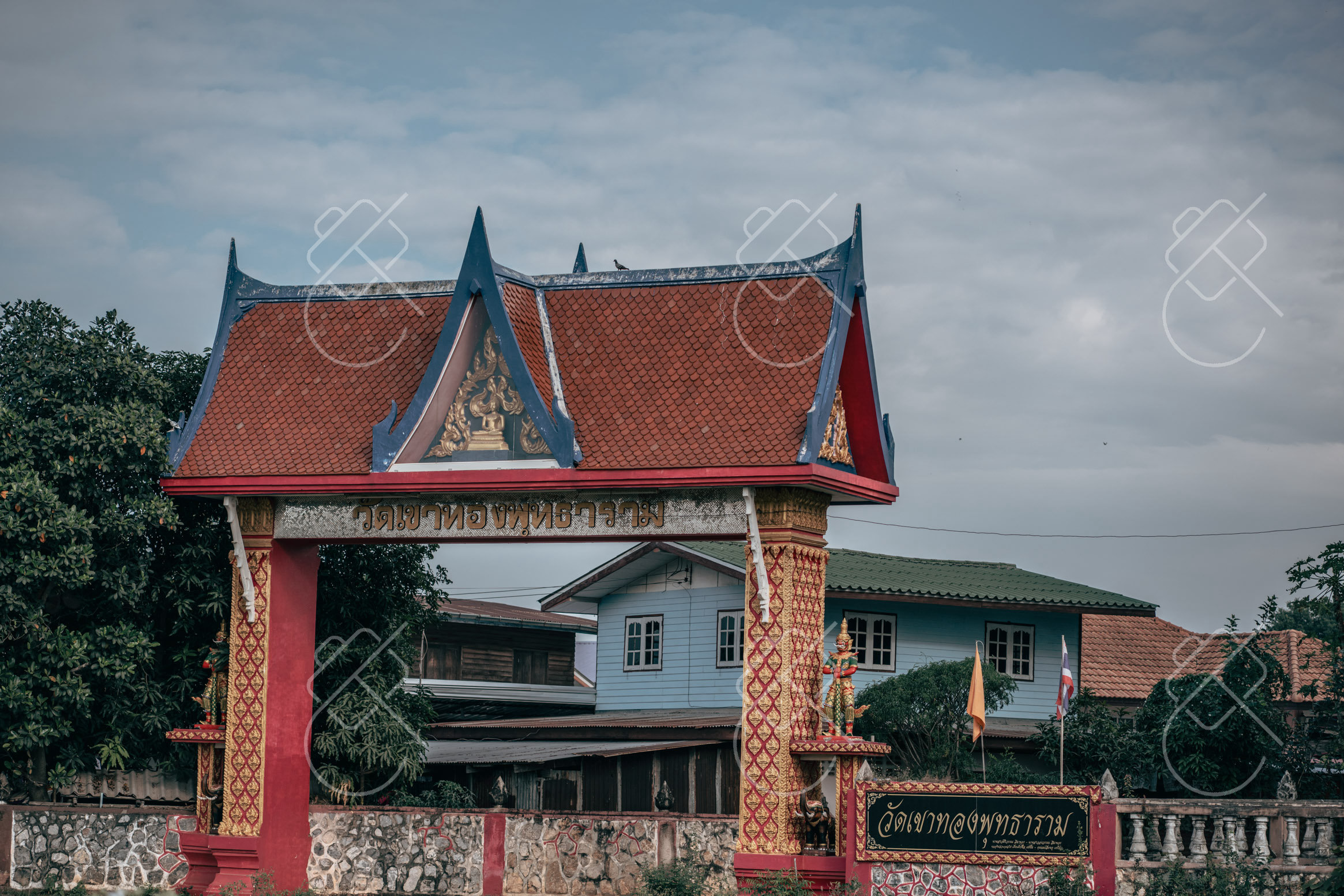
Sukhothai, Thailand
The serene brick ruins of Thailand's first kingdom, set in a tranquil historical park.
Sukhothai was the capital of the first major Thai kingdom in the 13th and 14th centuries, and its ruins are regarded as the cradle of Thai art and architecture. The Sukhothai Historical Park, a UNESCO World Heritage Site, preserves the remains of dozens of temples, palaces and monumental Buddha statues across a landscaped expanse of ponds and lawns.
Explore Sukhothai, Thailand →06 / 06
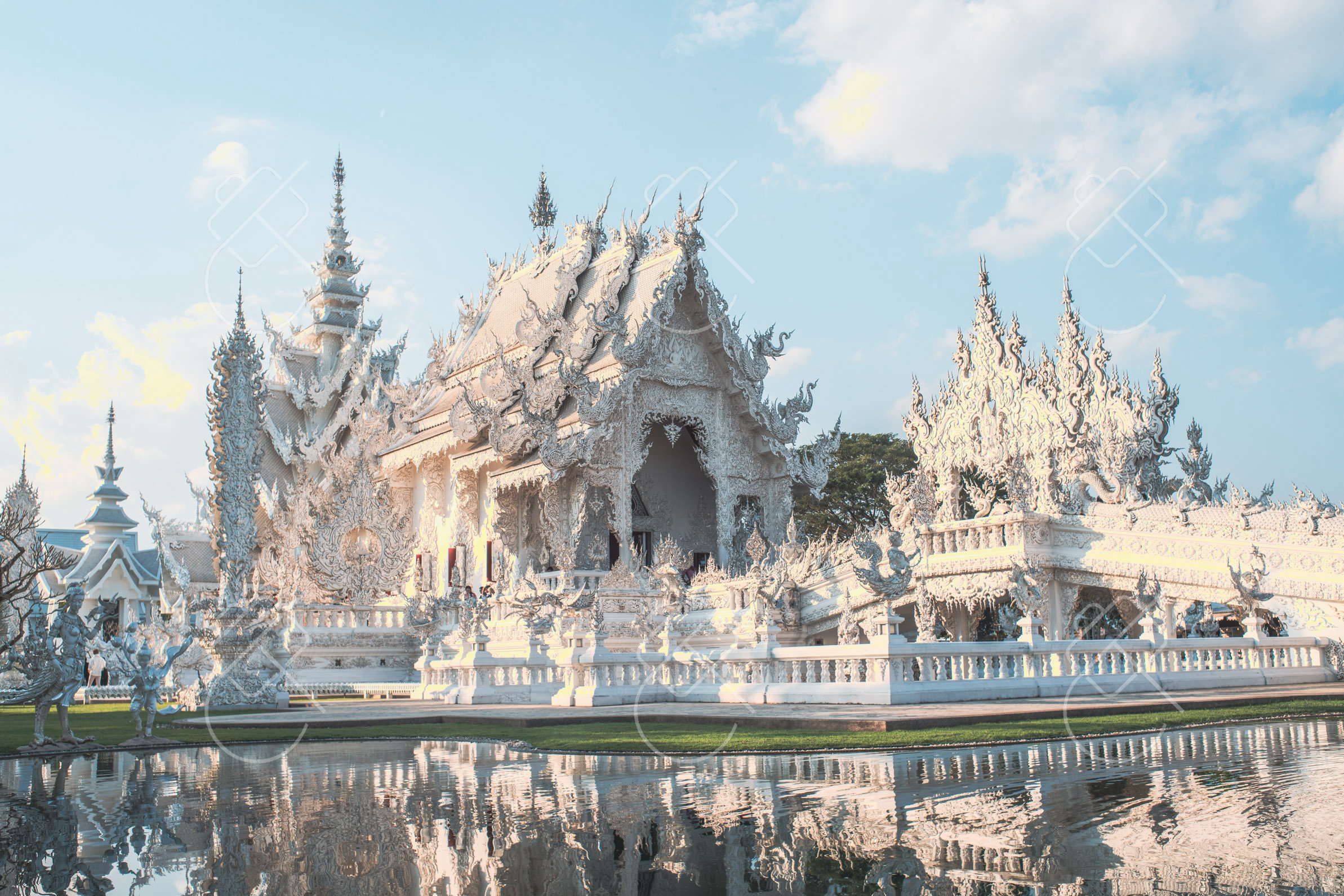
Chiang Rai, Thailand
Wat Rong Khun, the White Temple, its stark white and mirrored-glass surface carved into an ocean of writhing, mythical detail and reflected whole in the pool before it.
Wat Rong Khun is not an ancient temple but a contemporary artwork — a private project begun in 1997 by Thai artist Chalermchai Kositpipat, who funds and oversees its ongoing construction himself. The all-white color symbolizes the purity of the Buddha, while the tiny mirrored fragments embedded throughout represent his wisdom shining across the universe. A sculptural field of reaching hands lines the bridge leading to the entrance, meant to represent unrestrained desire.
Explore Chiang Rai, Thailand →