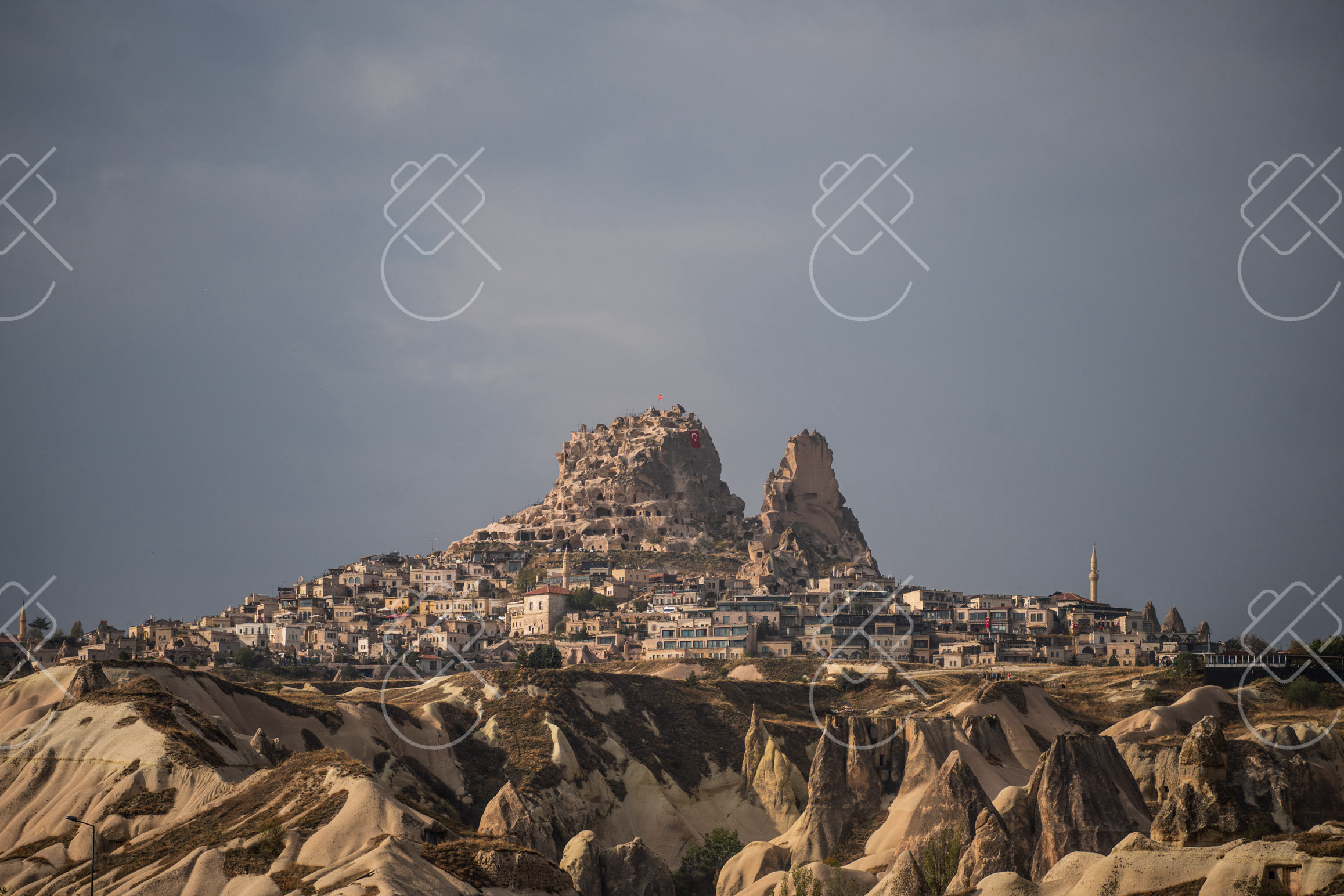
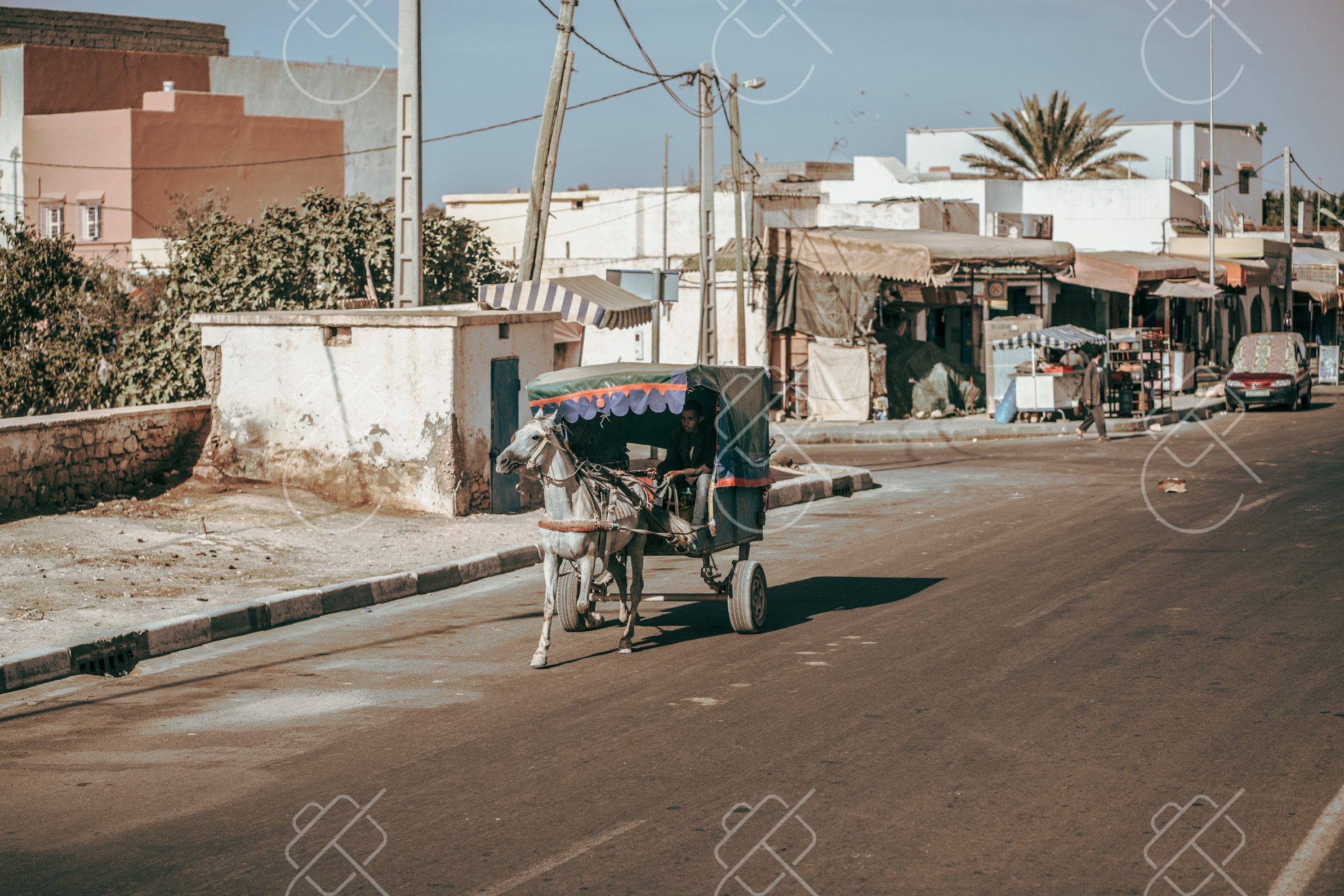
Every old town on this list stopped us mid-step for the same reason: centuries of patina nobody ever sanded off.
Tap any photo to open it full-screen and order a print.
01 / 06
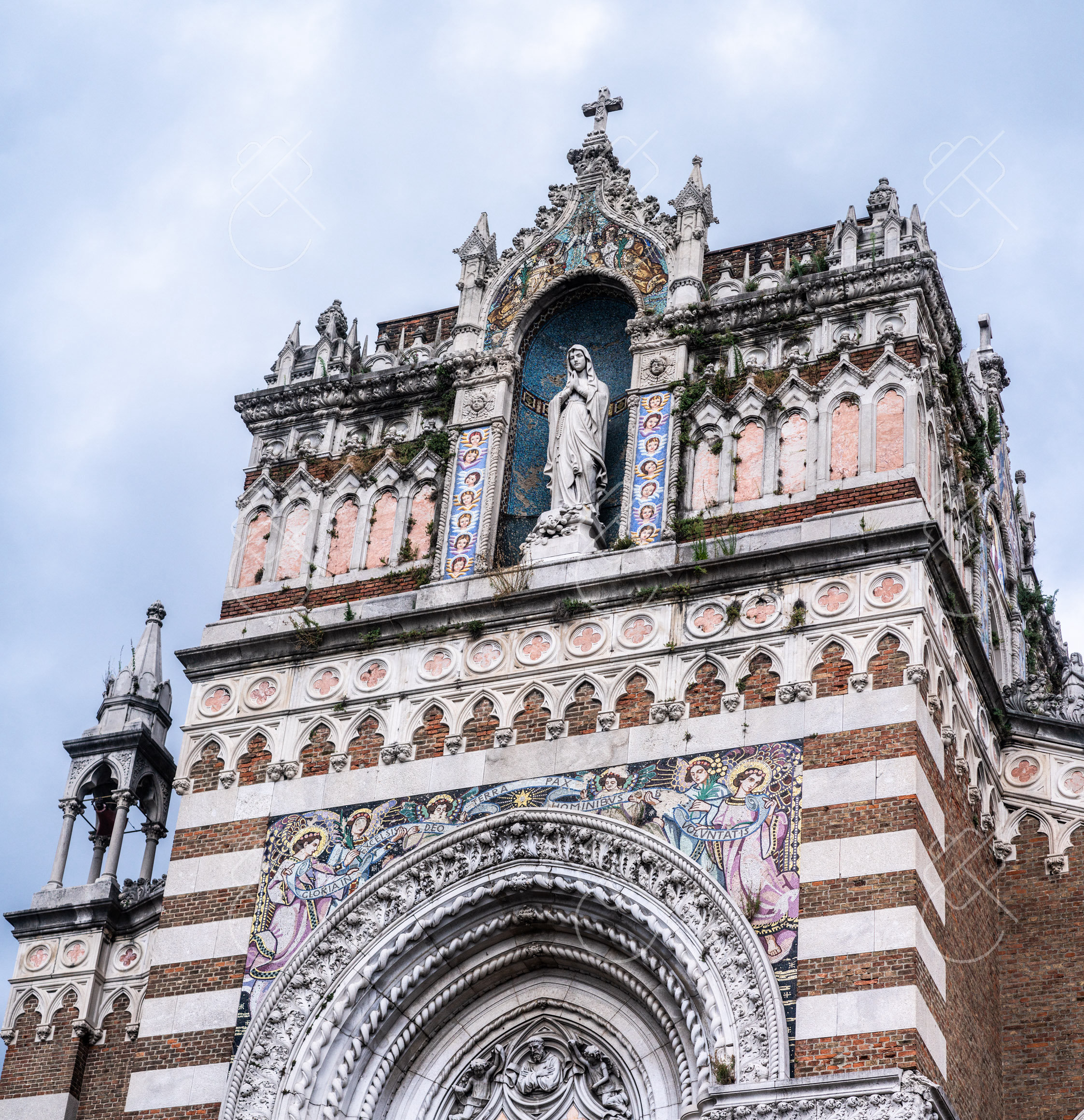
Dubrovnik, Croatia
Dubrovnik is a walled city on the southern Dalmatian coast, its limestone Old Town wrapped by ramparts that run almost two kilometers around the medieval core. The marble main street, the Stradun, polished smooth by centuries of foot traffic, anchors a grid of stepped lanes climbing toward the city walls and the sea beyond.
The historic center is enclosed by some of the best-preserved fortifications in Europe, rebuilt in stone after a major earthquake in 1667. A continuous walkway along the top of the walls passes the Minčeta and Bokar towers and offers elevated views over terracotta rooftops and the open Adriatic. Within the walls, Baroque churches, the Rector's Palace and Onofrio's Fountain sit along the Stradun, which fills with light in the early morning before tour groups arrive.
Explore Dubrovnik, Croatia →02 / 06
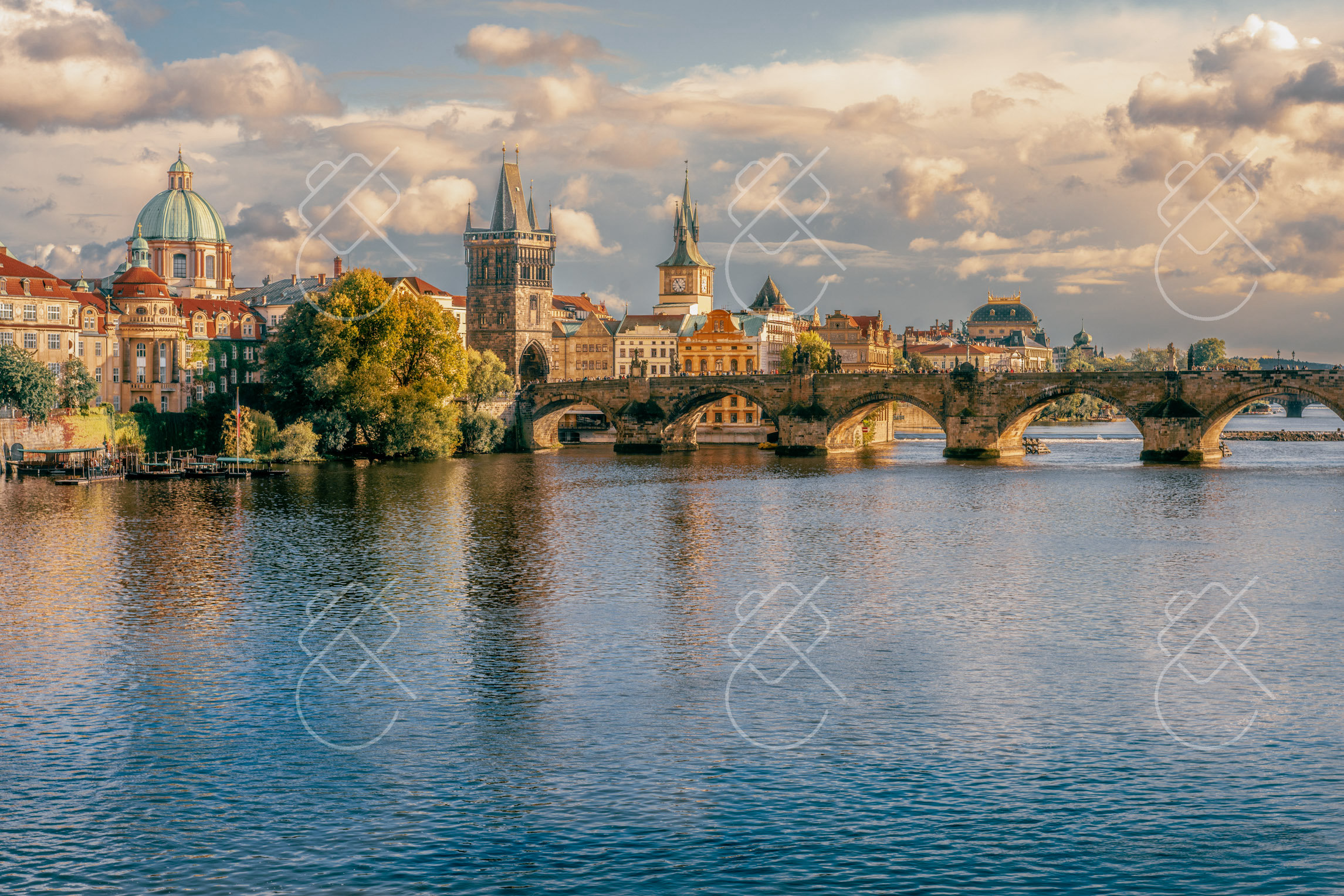
Prague, Czech Republic
The capital of Czechia, Prague sits on the Vltava River and is renowned for one of Europe's largest and best-preserved historic centers, a UNESCO World Heritage Site spanning Romanesque, Gothic, Baroque and Art Nouveau architecture.
The city is organized around the river, crossed by the 14th-century Charles Bridge, a pedestrian span lined with Baroque statues that connects the Old Town to the Lesser Town below the castle. On the Old Town Square stand the Gothic Church of Our Lady before Týn and the medieval Astronomical Clock, which draws crowds on the hour.
Explore Prague, Czech Republic →03 / 06
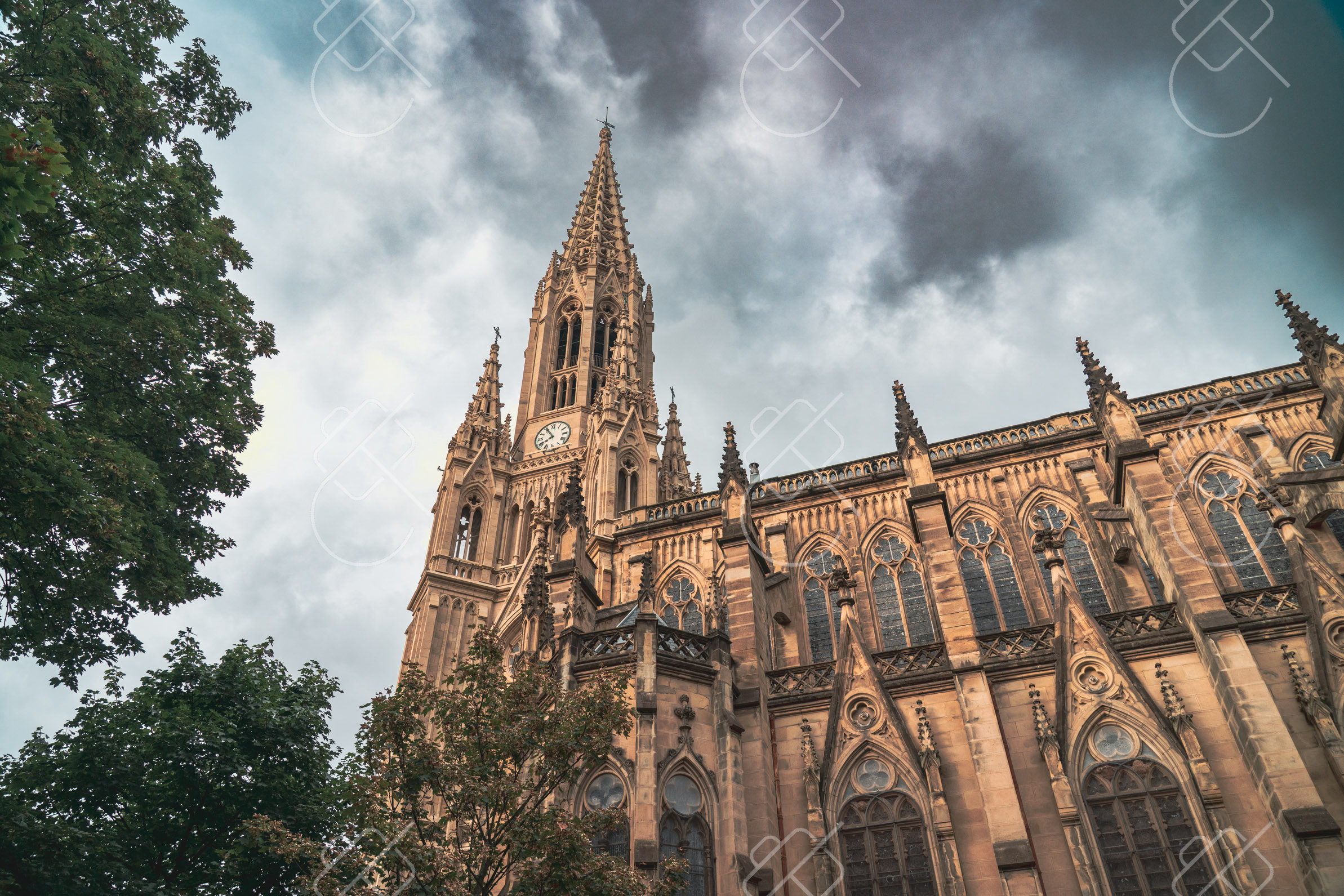
San Sebastián, Spain
Known in Basque as Donostia, San Sebastián is an elegant coastal city built around the near-perfect arc of La Concha bay. It is famous for its belle-époque architecture, its beaches and one of the highest concentrations of acclaimed restaurants in the world.
The city curves around La Concha, a sheltered bay of golden sand framed by green headlands and a small island at its center. A balustraded promenade runs the length of the beach, and the bay is best viewed from above at Monte Igueldo to the west or Monte Urgull to the east.
Explore San Sebastián, Spain →04 / 06
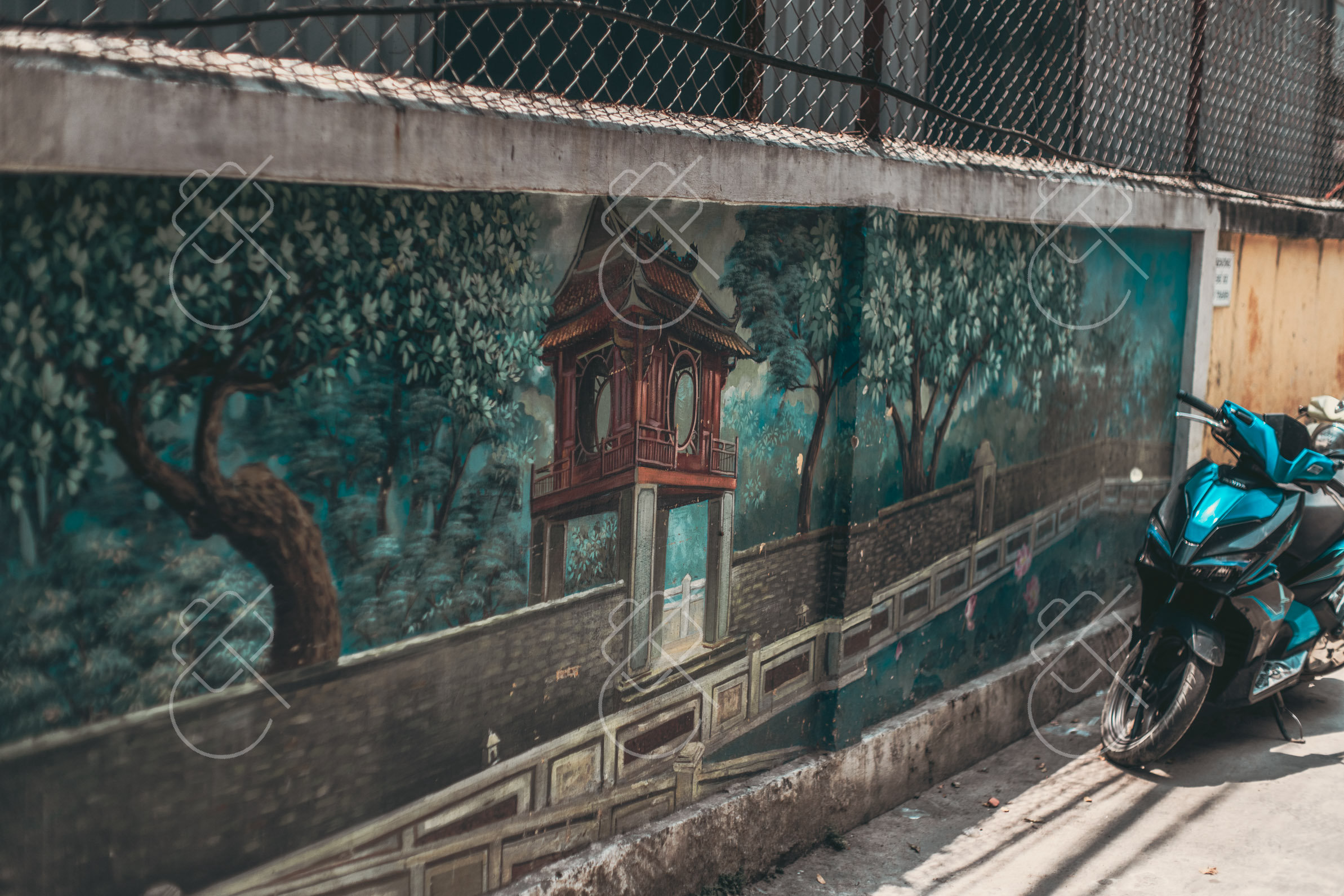
Hoi An, Vietnam
A preserved trading port glowing with silk lanterns along a riverside old town.
Hoi An was a major Southeast Asian trading port between the 15th and 19th centuries, and its remarkably intact old town is a UNESCO World Heritage Site. The architecture blends Vietnamese, Chinese, Japanese and European influences in a compact, vehicle-free riverside core of wooden shophouses, assembly halls and a famous covered bridge. Much of it is painted a distinctive weathered yellow.
Explore Hoi An, Vietnam →05 / 06
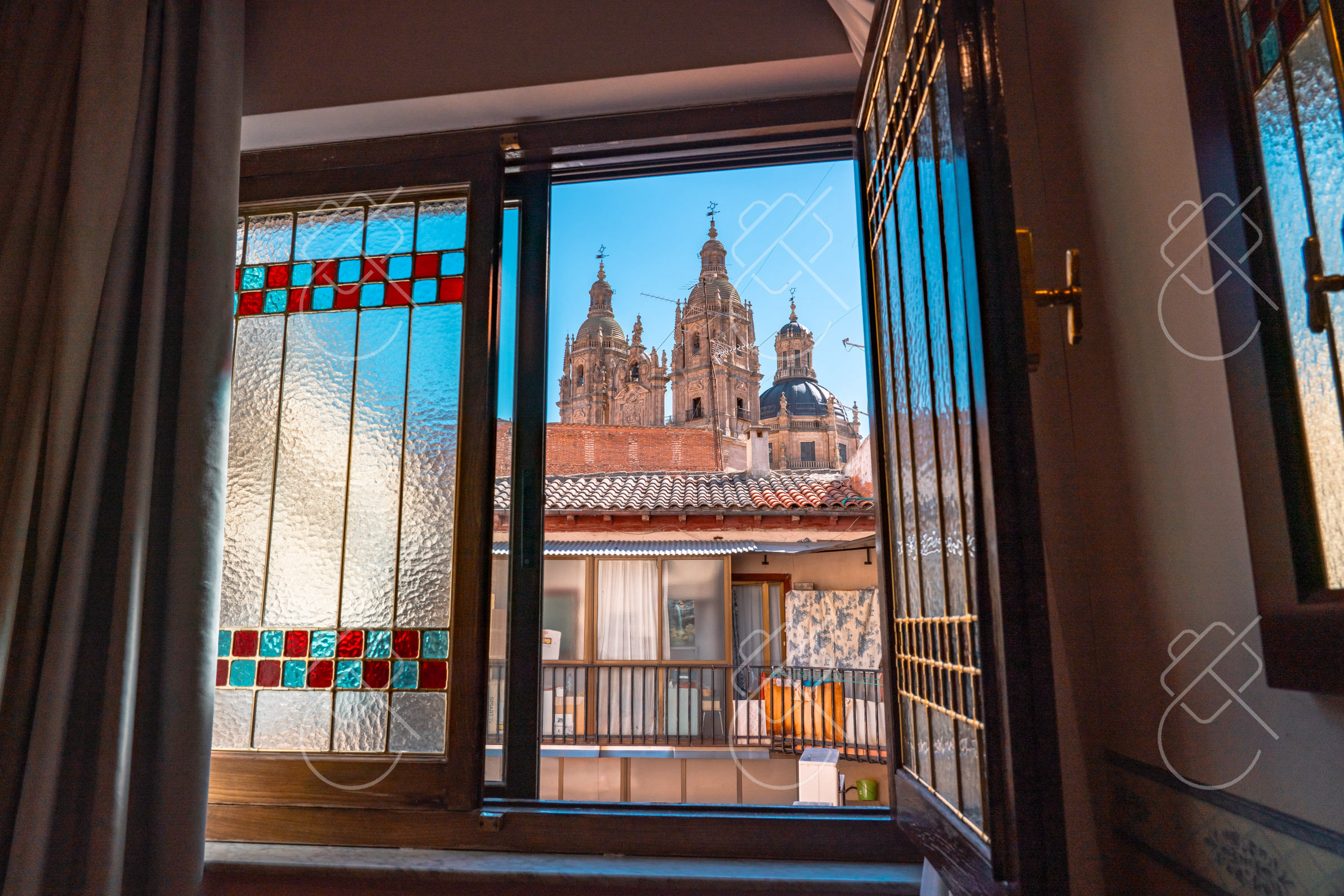
Salamanca, Spain
A golden-sandstone university city and one of Spain's great Renaissance ensembles.
Salamanca, in the Castilian interior, is built almost entirely from a local sandstone that glows honey-gold in the sun, earning it the nickname the Golden City. Home to one of the oldest universities in Europe, founded in 1218, it has a youthful energy alongside a UNESCO-listed historic center of exceptional architectural unity. The stone's warmth peaks at sunset.
Explore Salamanca, Spain →06 / 06
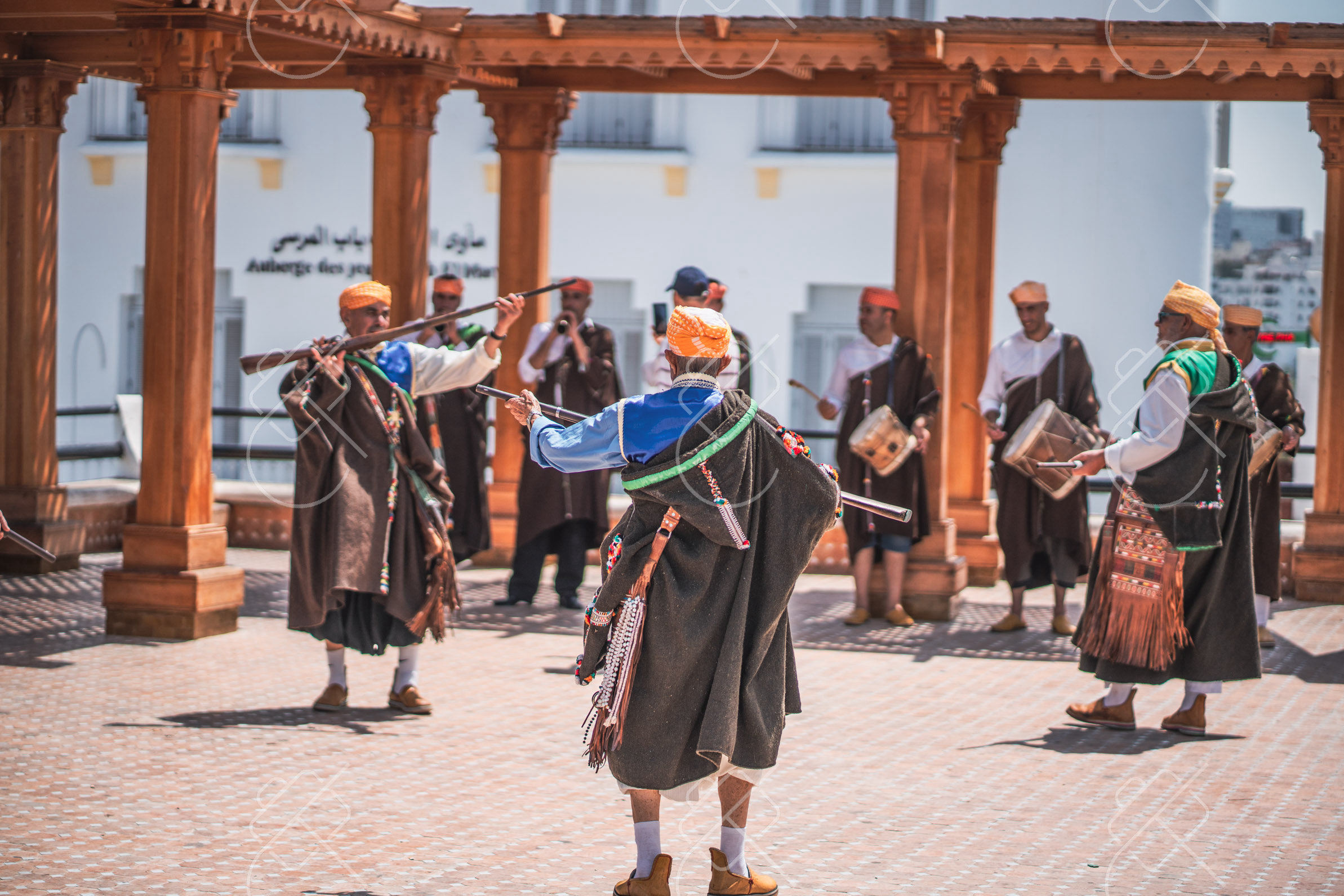
Tangier, Morocco
Tangier stands at the northern tip of Morocco, overlooking the Strait of Gibraltar where the Mediterranean meets the Atlantic and the Spanish coast is visible across the water. Long a cosmopolitan port and former international zone, it blends Moroccan, Spanish and European influences.
The city's whitewashed medina climbs a hillside above the harbor, topped by the Kasbah and its 17th-century Sultanate palace, the Dar el-Makhzen, now a museum. Tangier's position at the meeting of two seas and two continents has long drawn writers and artists, and its faded grand cafés and Art Deco buildings in the Ville Nouvelle reflect its international-zone past in the mid-20th century.
Explore Tangier, Morocco →