Most of these will never make anyone's top-ten list. They're the ones we'd go back to first anyway.
Tap any photo to open it full-screen and order a print.
01 / 06
Tamgroute, Morocco
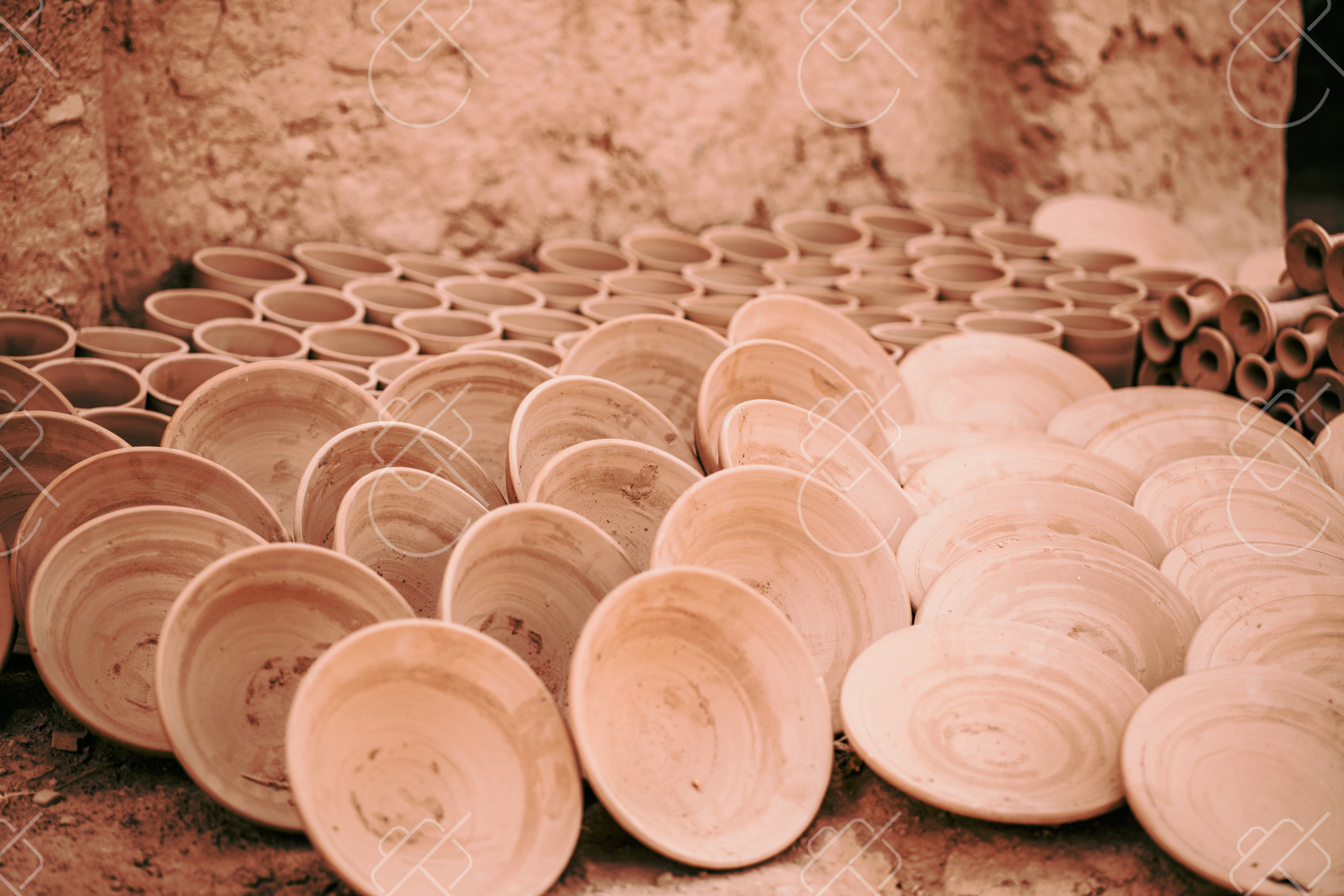
Tamgroute is a small town in the lower Draa Valley known for two things: a centuries-old religious library and a tradition of distinctive green-glazed pottery. It offers a focused, lesser-visited stop between Zagora and the desert.
The town grew around the Zaouia Naciria, a religious complex and Sufi center whose library preserves a collection of antique manuscripts, including illuminated Qurans and works on science and law. The zaouia long served as a place of learning and pilgrimage in the region.
Explore Tamgroute, Morocco →02 / 06
Glenorchy, New Zealand
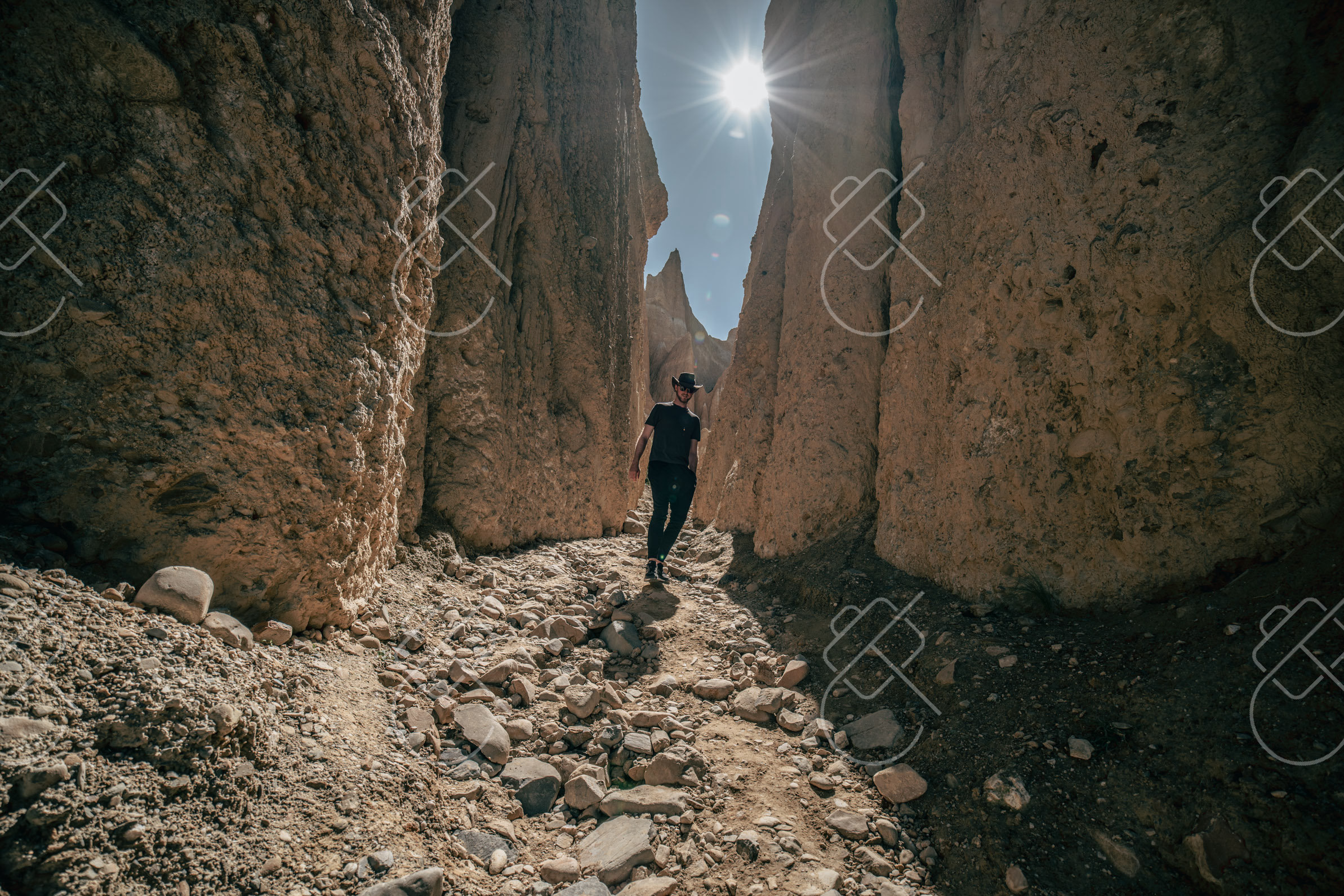
Glenorchy is a small settlement at the head of Lake Wakatipu, about 45 minutes from Queenstown along a scenic lakeside road. Surrounded by mountains and braided rivers, it serves as a gateway to remote valleys used as filming locations for major fantasy productions.
The drive from Queenstown to Glenorchy hugs the shore of Lake Wakatipu beneath the Remarkables and other ranges, regularly cited as one of New Zealand's most scenic roads. At the lake's head, a small red boatshed and a wooden wharf stand against a backdrop of snow-capped peaks, forming the town's most photographed scene, particularly at sunrise when the water is mirror-still.
Explore Glenorchy, New Zealand →03 / 06
Munduk, Indonesia
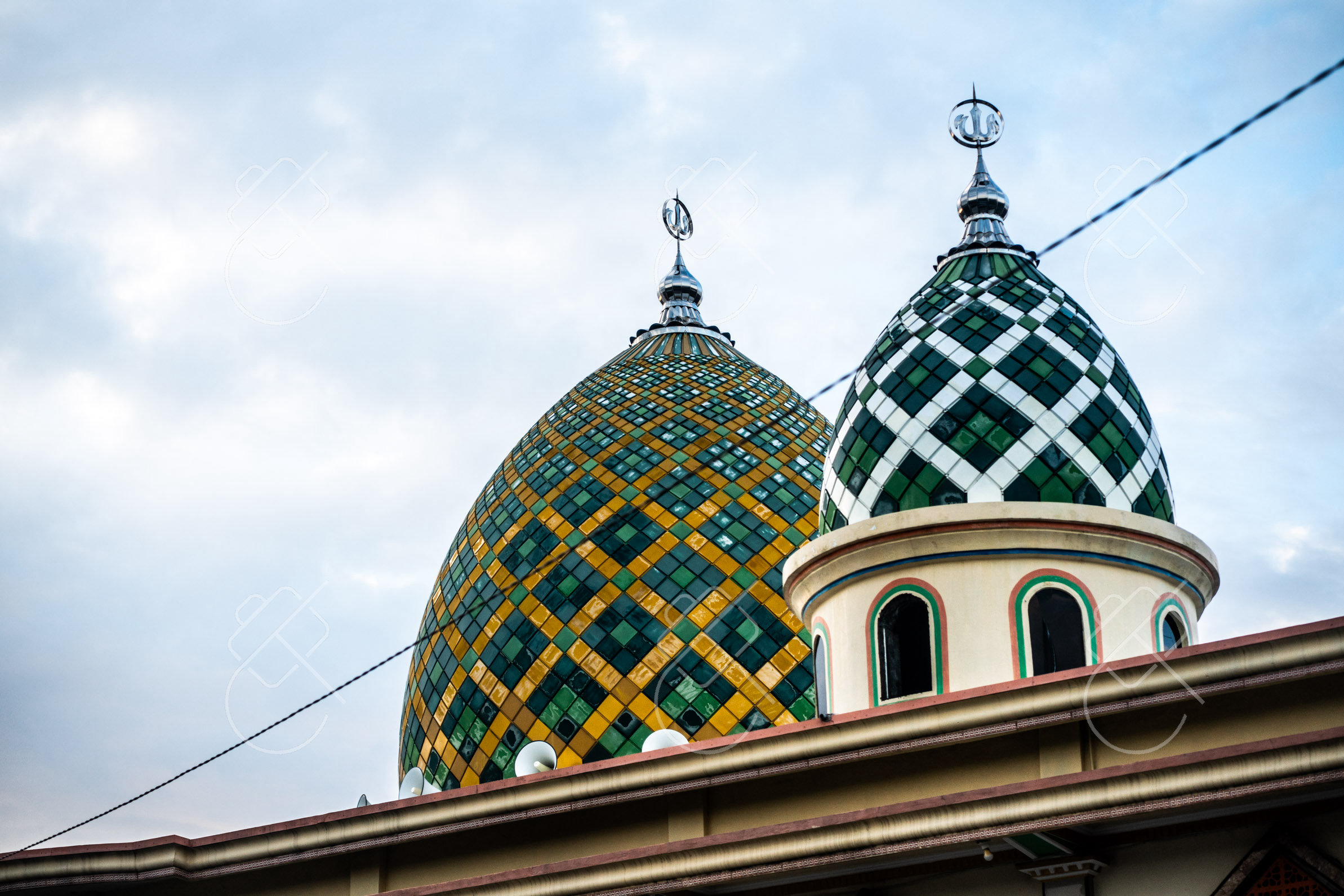
Munduk is a mountain village in Bali's northern highlands, set among coffee and clove plantations and known for its cool climate, jungle waterfalls and nearby crater lakes. It offers a quieter, greener side of the island away from the southern beaches.
Perched on a ridge at around 800 meters, Munduk is surrounded by dense forest and terraced plantations, and the cooler, often misty mountain air gives the area a distinct character. The village is a base for walks to a series of waterfalls, including Munduk, Melanting and the twin Banyumala falls, which drop through thick jungle and are among the most scenic on the island.
Explore Munduk, Indonesia →04 / 06
Logroño, Spain
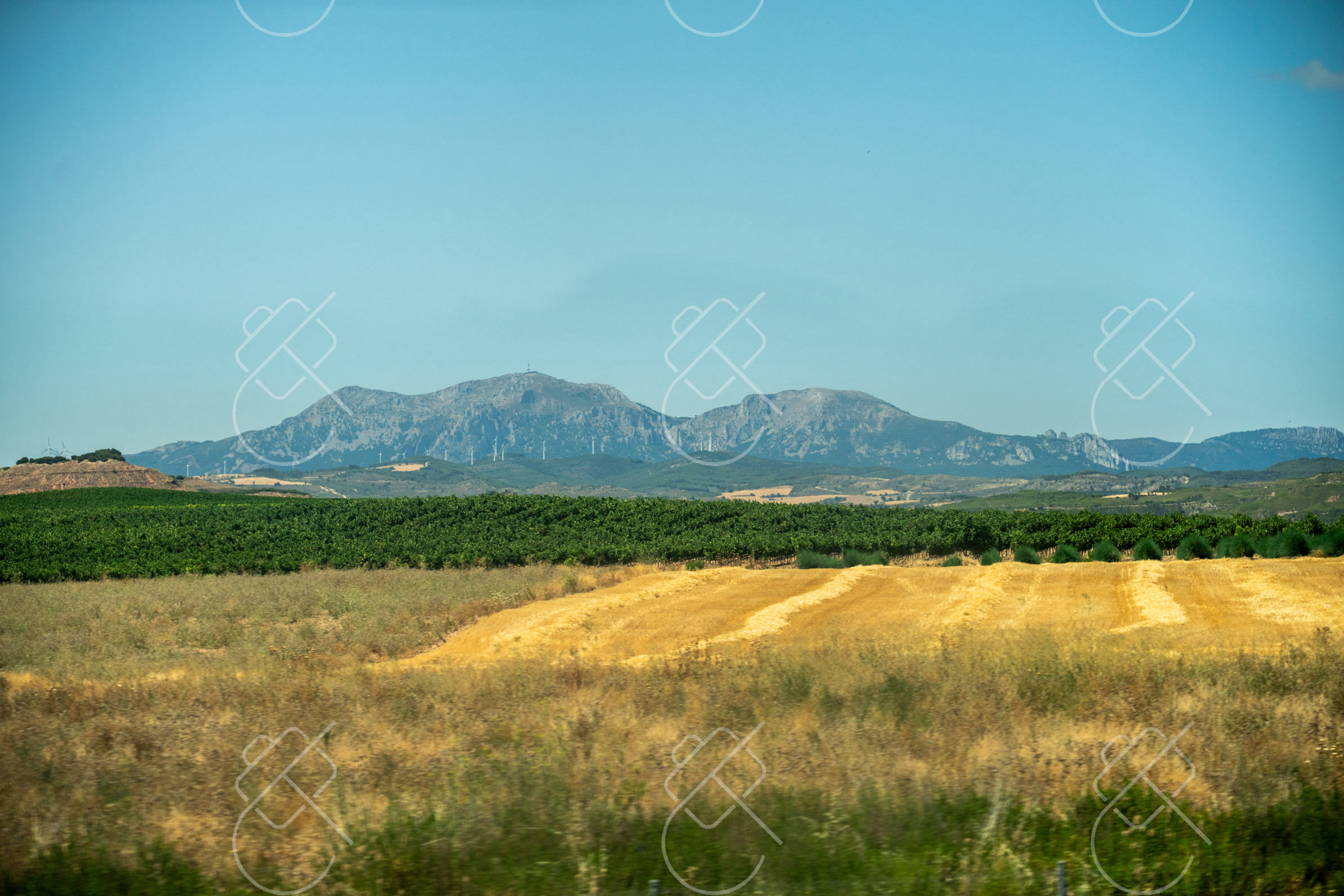
Just south of the Basque Country, Logroño is the capital of La Rioja, Spain's most famous wine region. A stop on the Camino de Santiago pilgrimage route, it is celebrated for its tapas culture and surrounding vineyards.
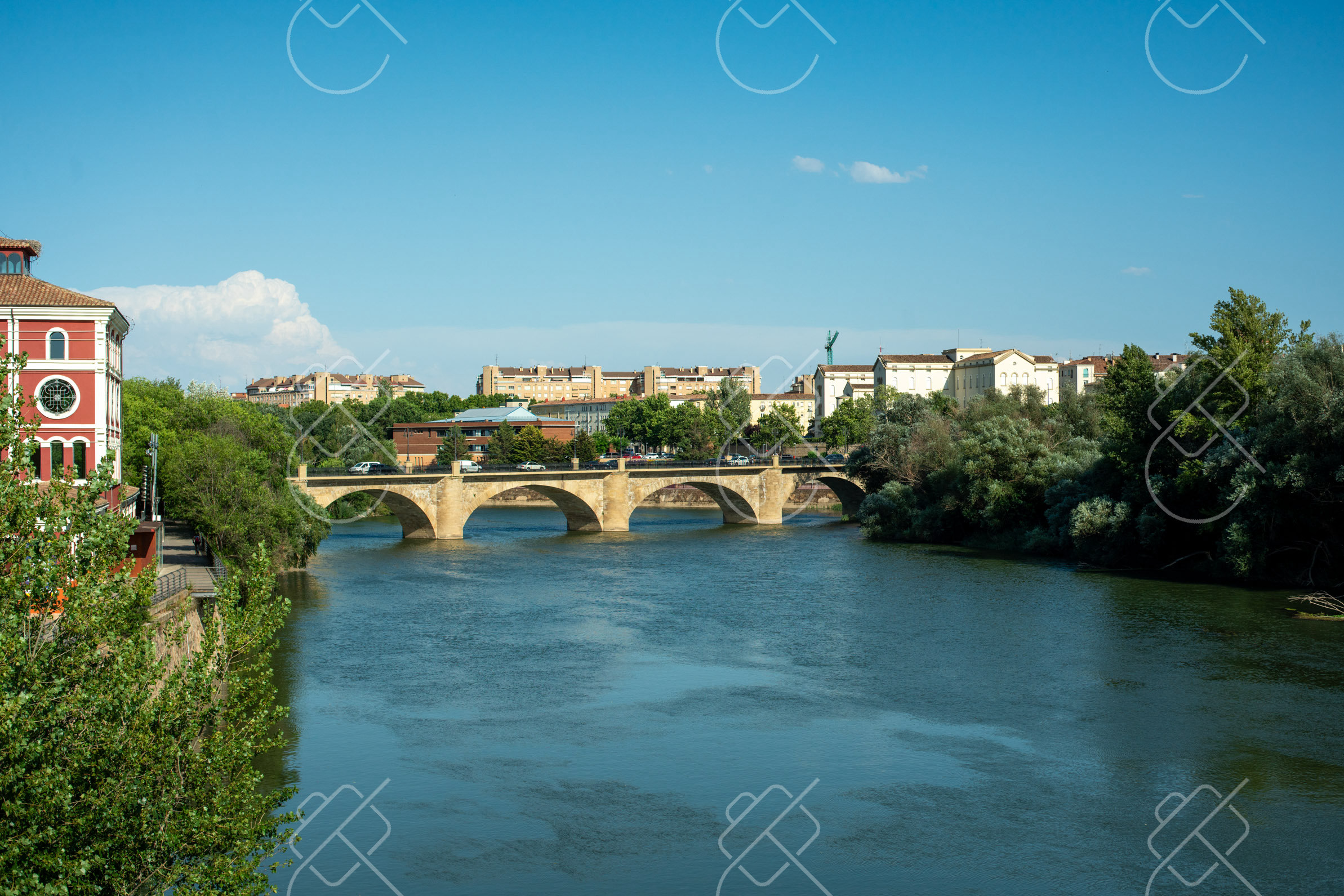
The city sits on the Ebro River amid the vineyards of Rioja, and its compact old town centers on Calle del Laurel, a street lined almost entirely with tapas bars, each known for a particular specialty. As a Camino town, Logroño also has notable churches, including the twin-towered Co-Cathedral of Santa María de la Redonda.
Explore Logroño, Spain →05 / 06
Sibenik, Croatia
Šibenik is a steeply terraced town on a sheltered bay where the Krka River meets the Adriatic. Unlike most Dalmatian coastal cities, it was founded by Croatians rather than Greeks or Romans, and its skyline is dominated by a UNESCO-listed stone cathedral built entirely without mortar.
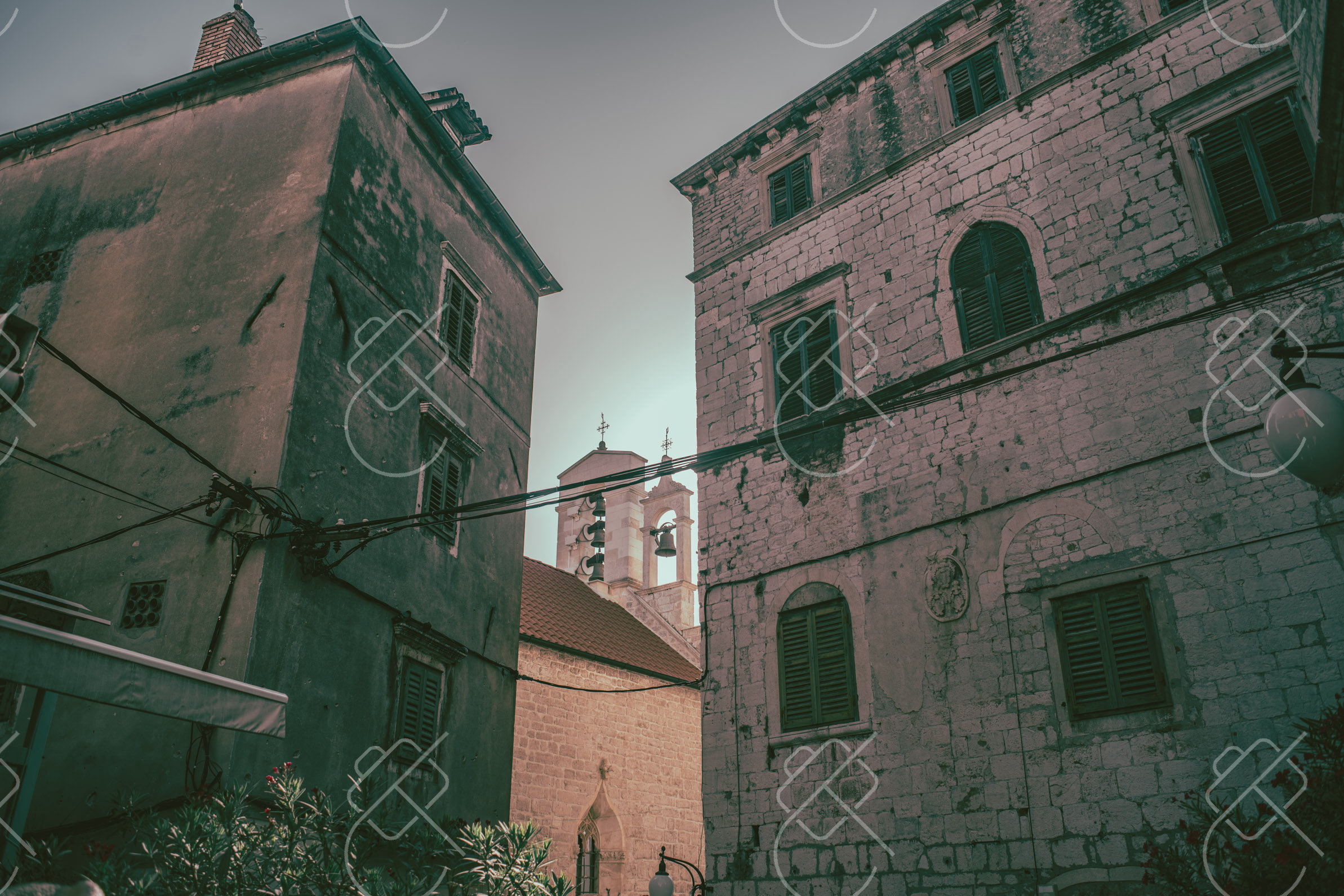
The Cathedral of St. James, constructed over the 15th and 16th centuries from interlocking stone slabs, is renowned for its barrel-vaulted roof and a frieze of 71 carved heads around the exterior. Stepped lanes climb from the cathedral square through the old town to a series of hilltop fortresses, including St. Michael's, which now hosts open-air performances above the harbor.
Explore Sibenik, Croatia →06 / 06

Sokcho, South Korea
Sokcho is a coastal city on South Korea's northeastern shore, set between the East Sea and the rugged peaks of Seoraksan National Park. It combines beaches and a working fishing harbor with one of the country's most celebrated mountain parks.
Sokcho's main draw is its position at the gateway to Seoraksan, widely considered the most beautiful mountain park in South Korea. Granite peaks, ravines, waterfalls and temples make it a prime destination for autumn foliage, when the slopes turn red and gold and a cable car carries visitors toward the rocky ridgeline at Gwongeumseong. The park holds the Sinheungsa temple and a large bronze Buddha statue near its entrance.
Explore Sokcho, South Korea →