Dunes, travertines and fairy chimneys — the places that barely looked real.
Tap any photo to open it full-screen and order a print.
01 / 05
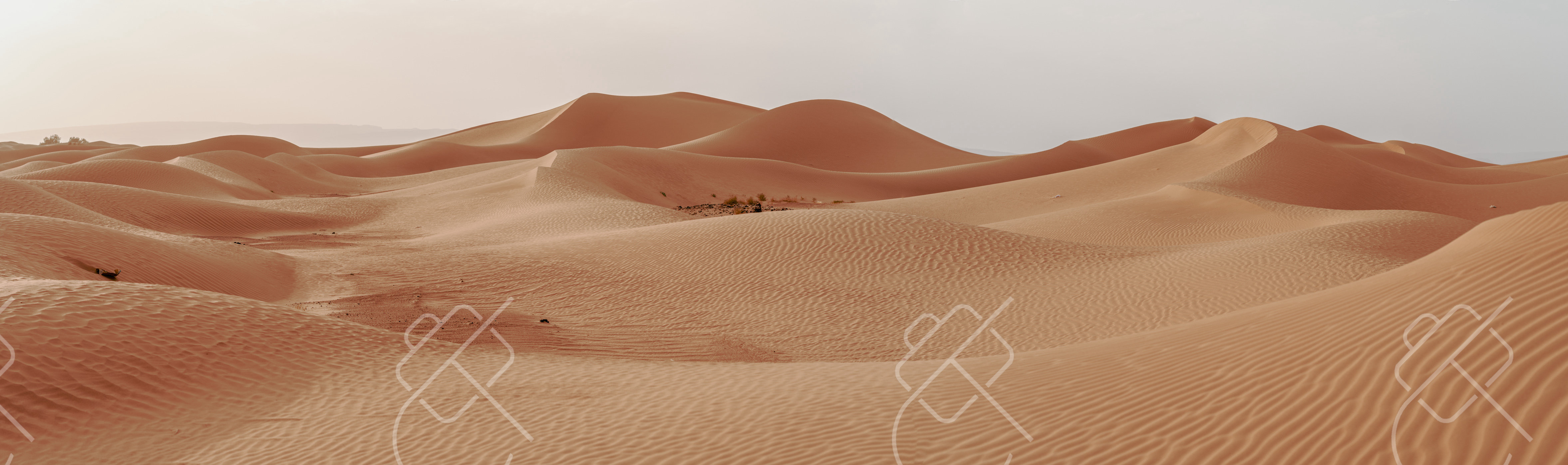
Erg Chigaga, Morocco
Erg Chigaga is the largest and most remote field of Saharan dunes accessible from southern Morocco, reached by a long off-road drive beyond the end of the paved road at M'Hamid. Its isolation keeps it far quieter than Morocco's more visited dune fields.
The erg stretches roughly 40 kilometers and rises to dunes of around 300 meters, forming a broad sea of sand without nearby towns or roads. Access requires a four-wheel-drive vehicle, and most visitors stay in tented desert camps set among the dunes.
Explore Erg Chigaga, Morocco →02 / 05
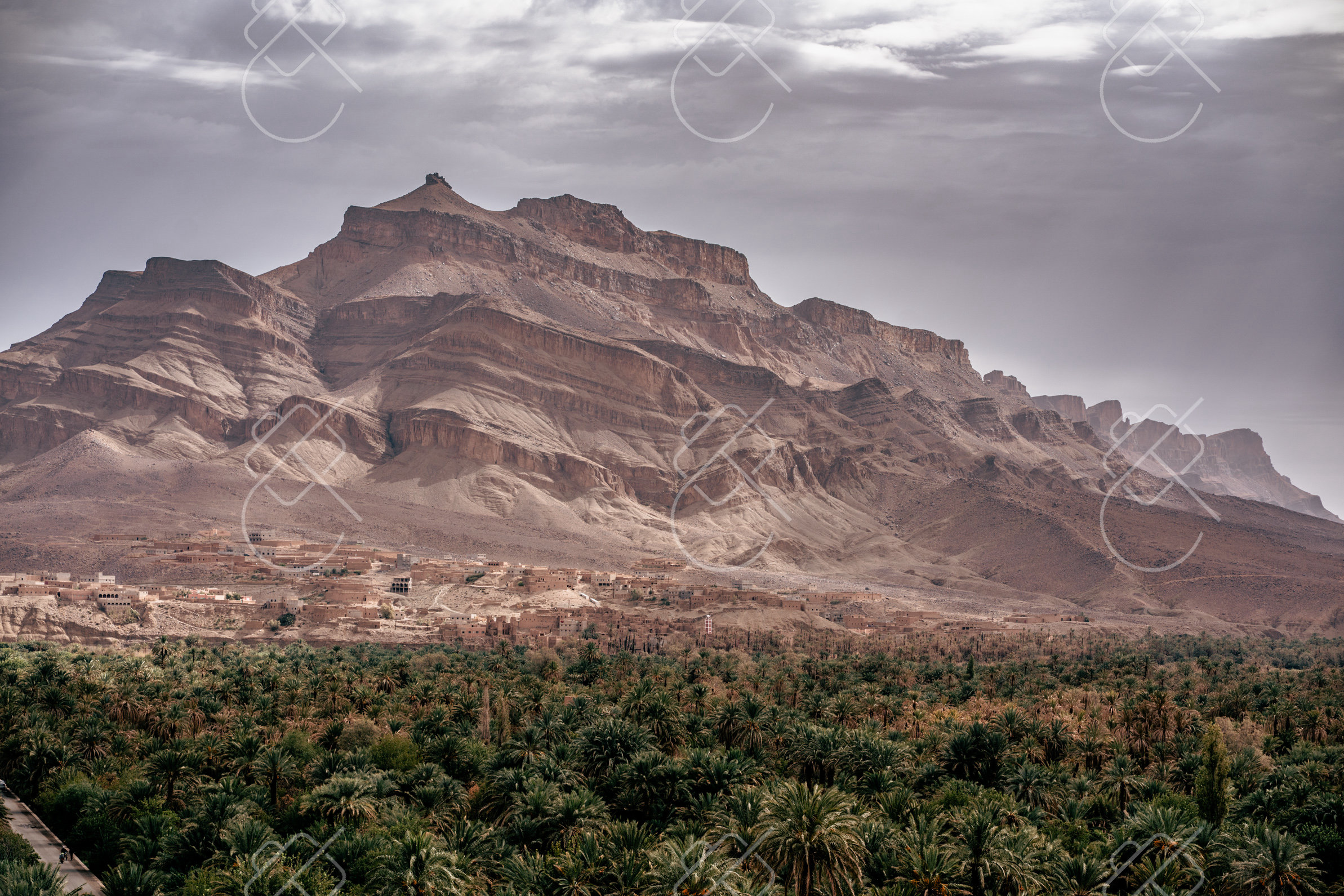
Zagora, Morocco
Zagora sits in the Draa Valley, a long oasis corridor of date palms following the Draa River toward the desert. It is a traditional staging point for camel treks and journeys deeper into the Sahara.
The town is best known for a much-photographed road sign reading Tombouctou 52 jours, a reference to the historic camel-caravan route to Timbuktu that once passed through the region. Around Zagora, the Draa Valley is thick with palm groves and small kasbahs built of mud brick.
Explore Zagora, Morocco →03 / 05
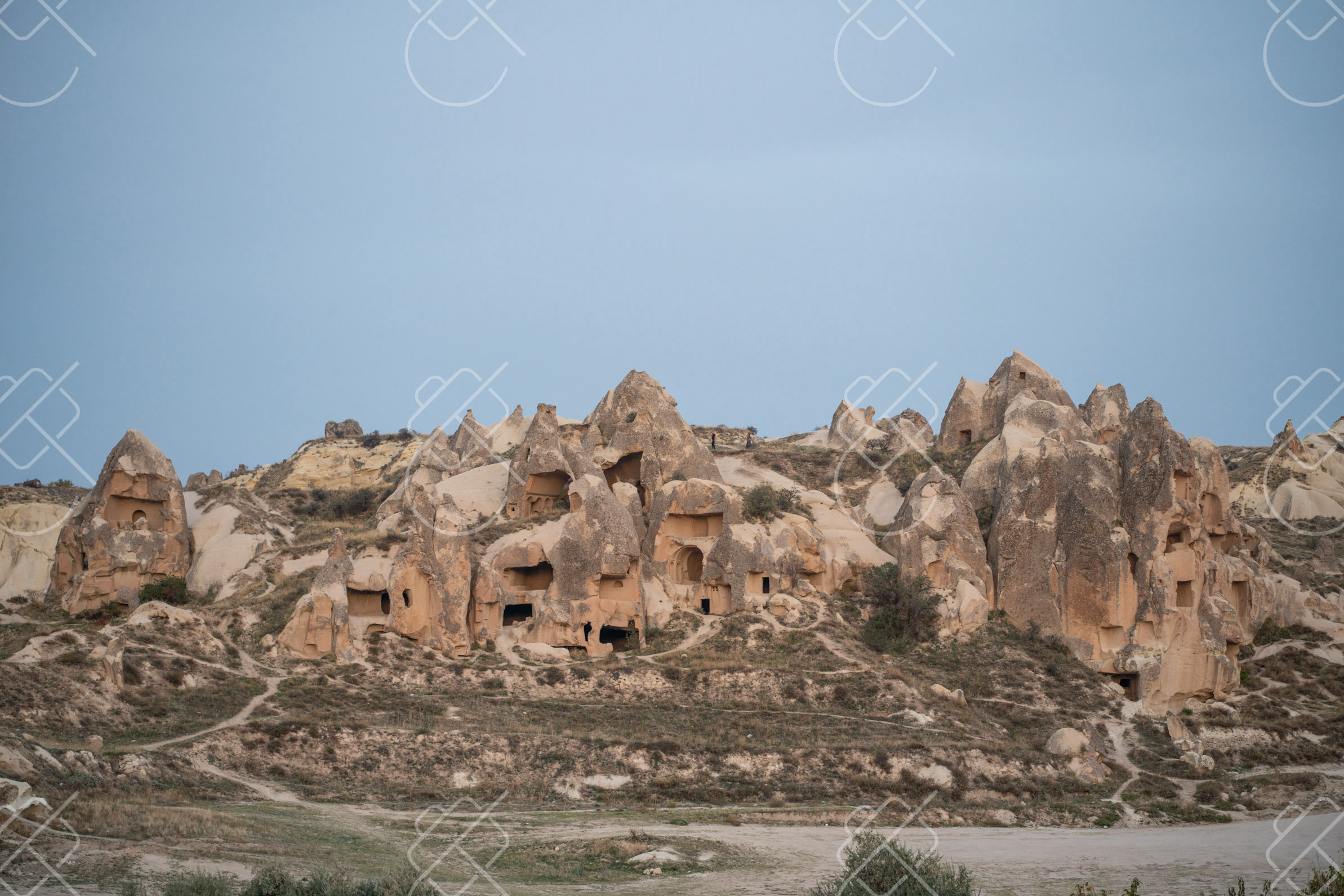
Goreme, Turkey
Göreme sits at the heart of Cappadocia, a region of soft volcanic rock eroded into cones, pillars and valleys. The town is built into and among the formations, with cave dwellings, rock-cut churches and a celebrated dawn balloon flight over the landscape.
The surrounding terrain, shaped by ancient eruptions and erosion, is dotted with the tapering rock pillars known as fairy chimneys, many hollowed out into homes, hotels and churches. The nearby Göreme Open-Air Museum preserves a cluster of rock-cut Byzantine churches with frescoed interiors carved into the cliffs.
Explore Goreme, Turkey →04 / 05
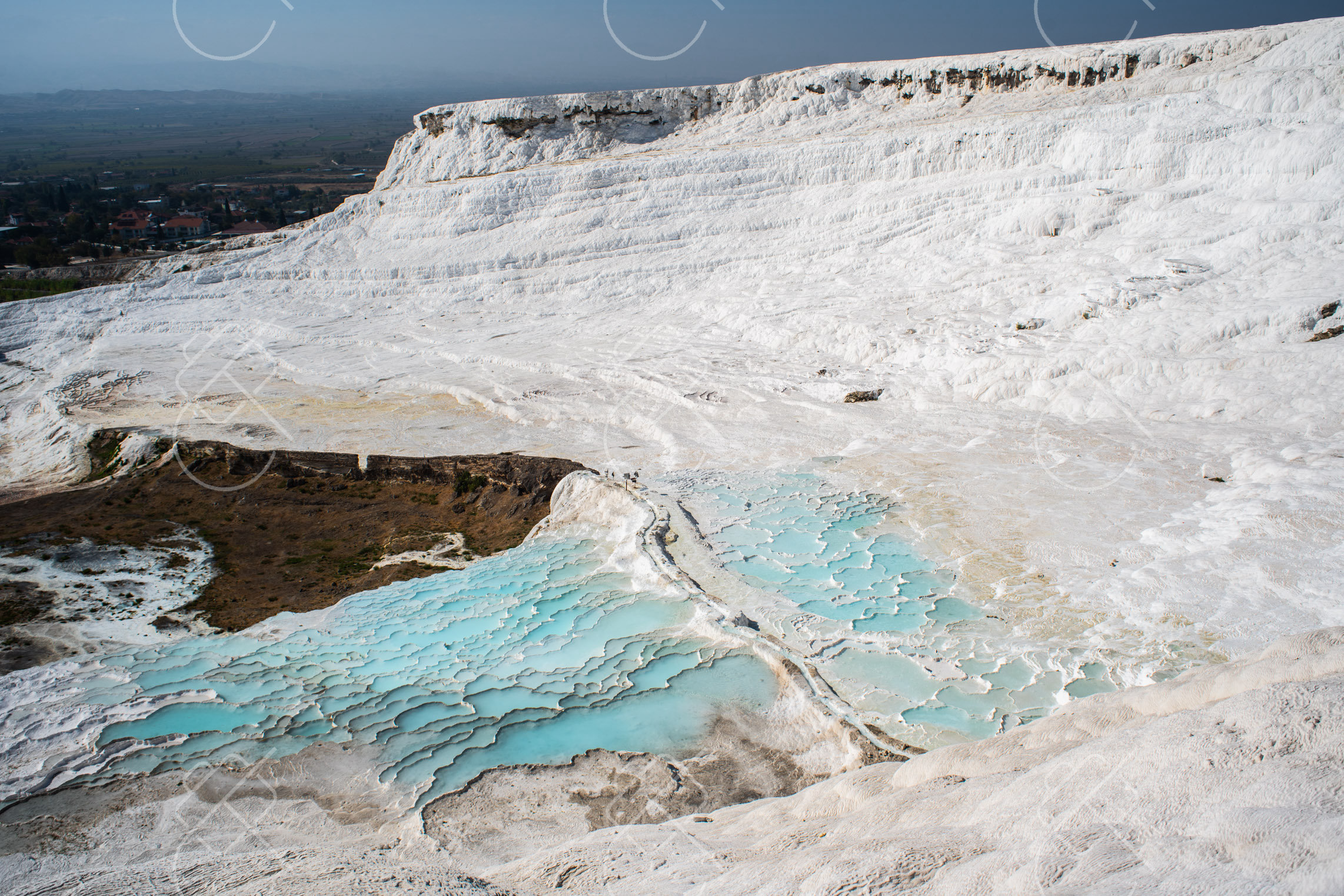
Pamukkale, Turkey
Pamukkale, meaning cotton castle, is a hillside of dazzling white travertine terraces formed by mineral-rich thermal springs. Above the terraces lie the extensive ruins of the Greco-Roman spa city of Hierapolis.
The terraces cascade down the slope in a series of white basins and pools, built up over millennia as calcium-laden hot water deposits travertine. Visitors walk barefoot across designated sections of the brilliant white surface, with shallow pools reflecting the sky on the upper levels.
Explore Pamukkale, Turkey →05 / 05
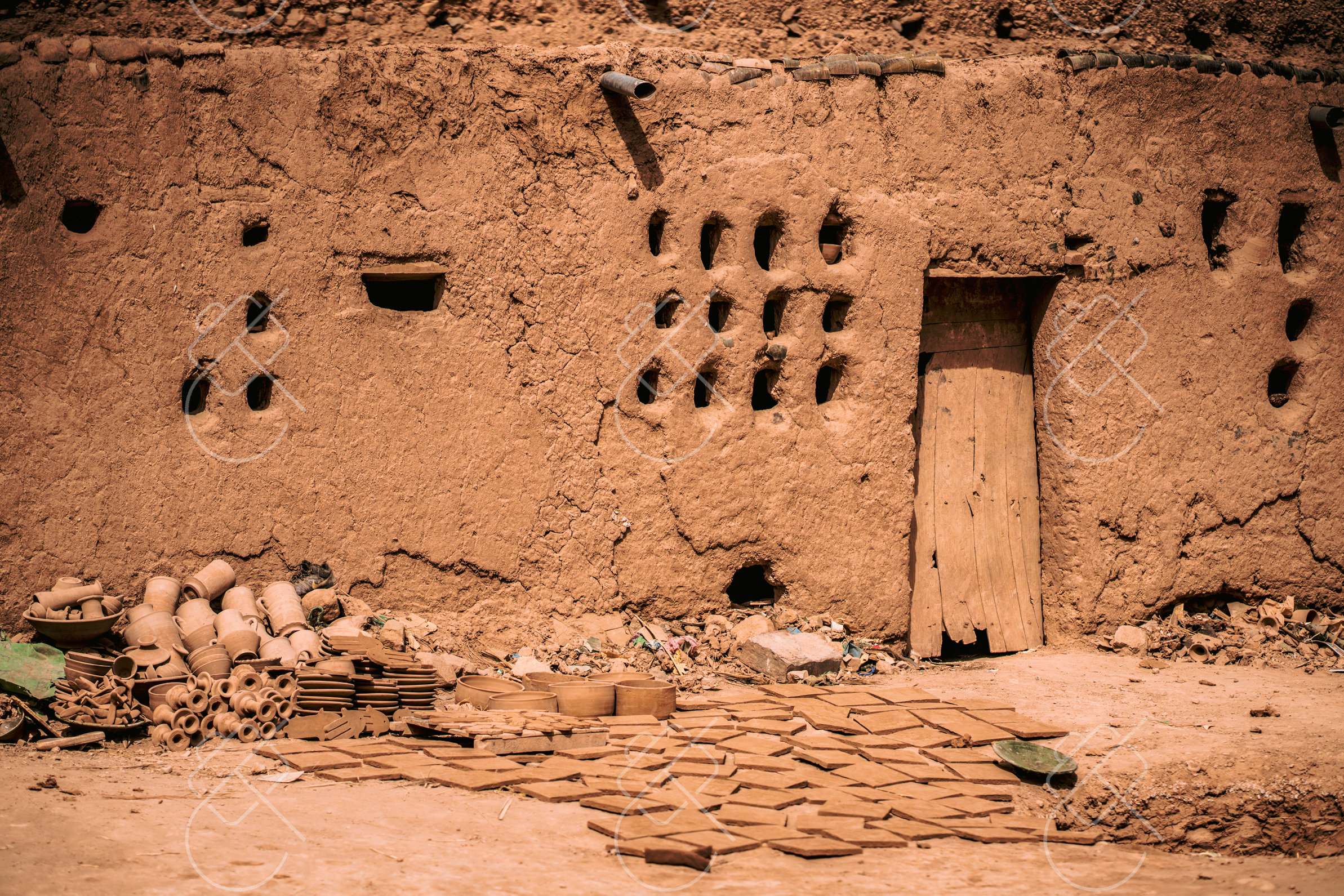
Tamgroute, Morocco
Tamgroute is a small town in the lower Draa Valley known for two things: a centuries-old religious library and a tradition of distinctive green-glazed pottery. It offers a focused, lesser-visited stop between Zagora and the desert.
The town grew around the Zaouia Naciria, a religious complex and Sufi center whose library preserves a collection of antique manuscripts, including illuminated Qurans and works on science and law. The zaouia long served as a place of learning and pilgrimage in the region.
Explore Tamgroute, Morocco →