Not every coastal stop needs to be a headline destination. These smaller harbor towns won us over anyway.
Tap any photo to open it full-screen and order a print.
01 / 06
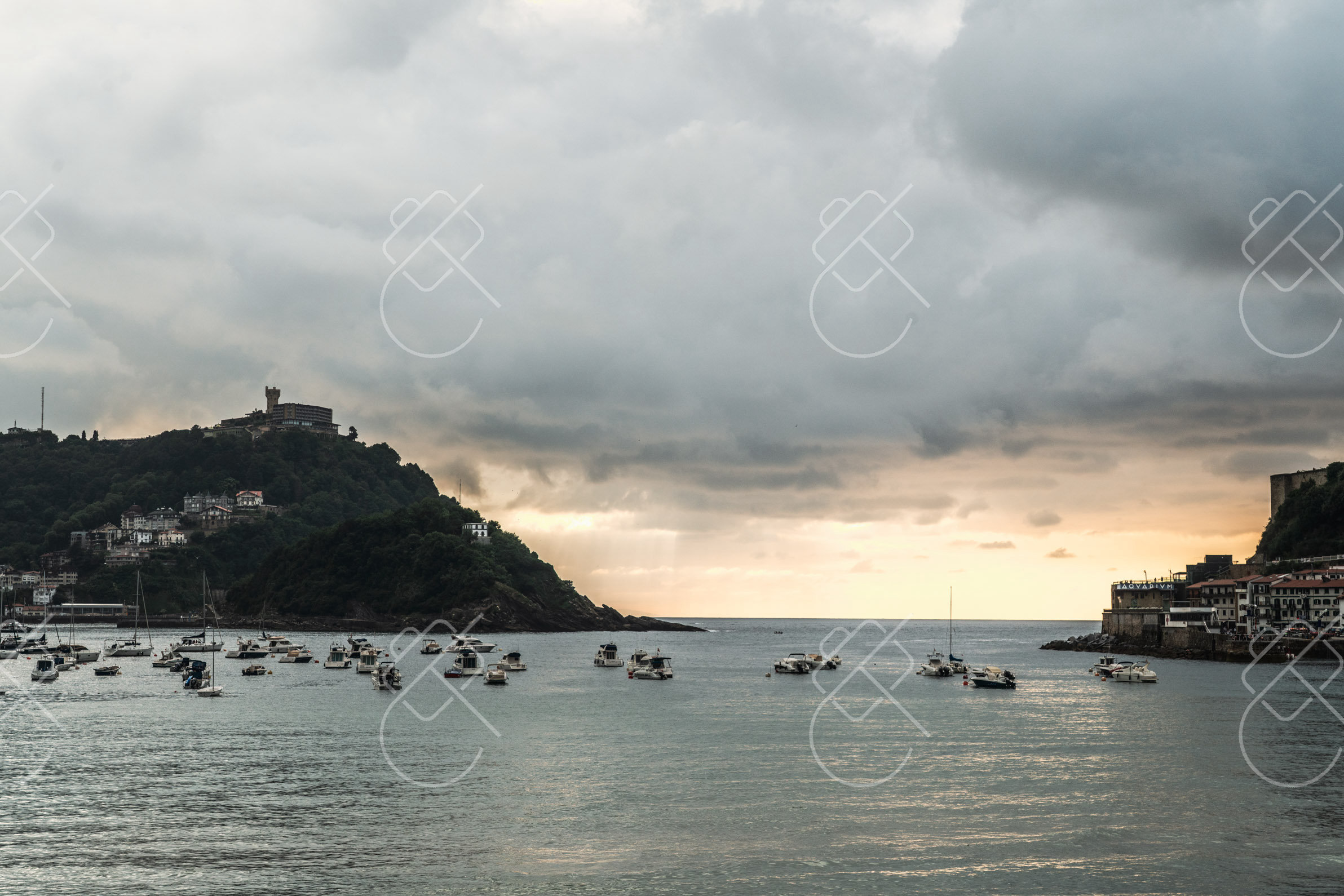
San Sebastián, Spain
Known in Basque as Donostia, San Sebastián is an elegant coastal city built around the near-perfect arc of La Concha bay. It is famous for its belle-époque architecture, its beaches and one of the highest concentrations of acclaimed restaurants in the world.
The city curves around La Concha, a sheltered bay of golden sand framed by green headlands and a small island at its center. A balustraded promenade runs the length of the beach, and the bay is best viewed from above at Monte Igueldo to the west or Monte Urgull to the east.
Explore San Sebastián, Spain →02 / 06
Sveti Stefan, Montenegro
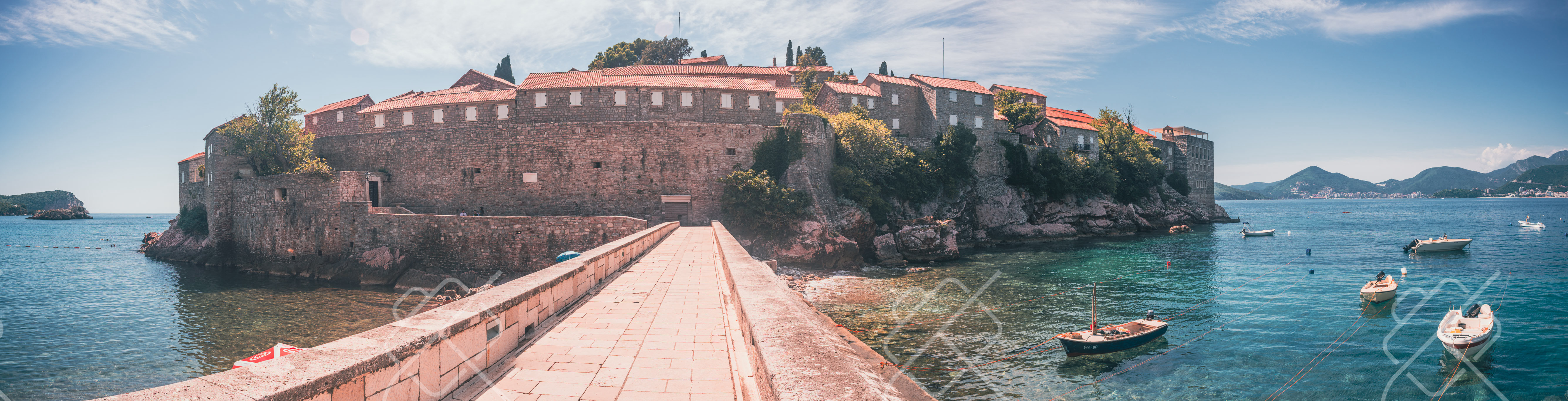
Sveti Stefan is a fortified islet village on Montenegro's Budva Riviera, its terracotta rooftops packed onto a small rocky outcrop connected to the mainland by a narrow causeway of pale stone.
Built by local fishermen in the 15th century as a fortified refuge, the islet's stone houses were converted into a single luxury hotel complex in the 1950s under Yugoslavia's Tito, who hosted visiting heads of state and film stars there; it remains a private resort today, viewable from the public causeway and the pebble beaches on either side. The walk out along the causeway, with the fortified walls rising ahead and the Adriatic on both sides, is the view most people picture when they think of this stretch of the Adriatic.
Explore Sveti Stefan, Montenegro →03 / 06
Ulcinj, Montenegro
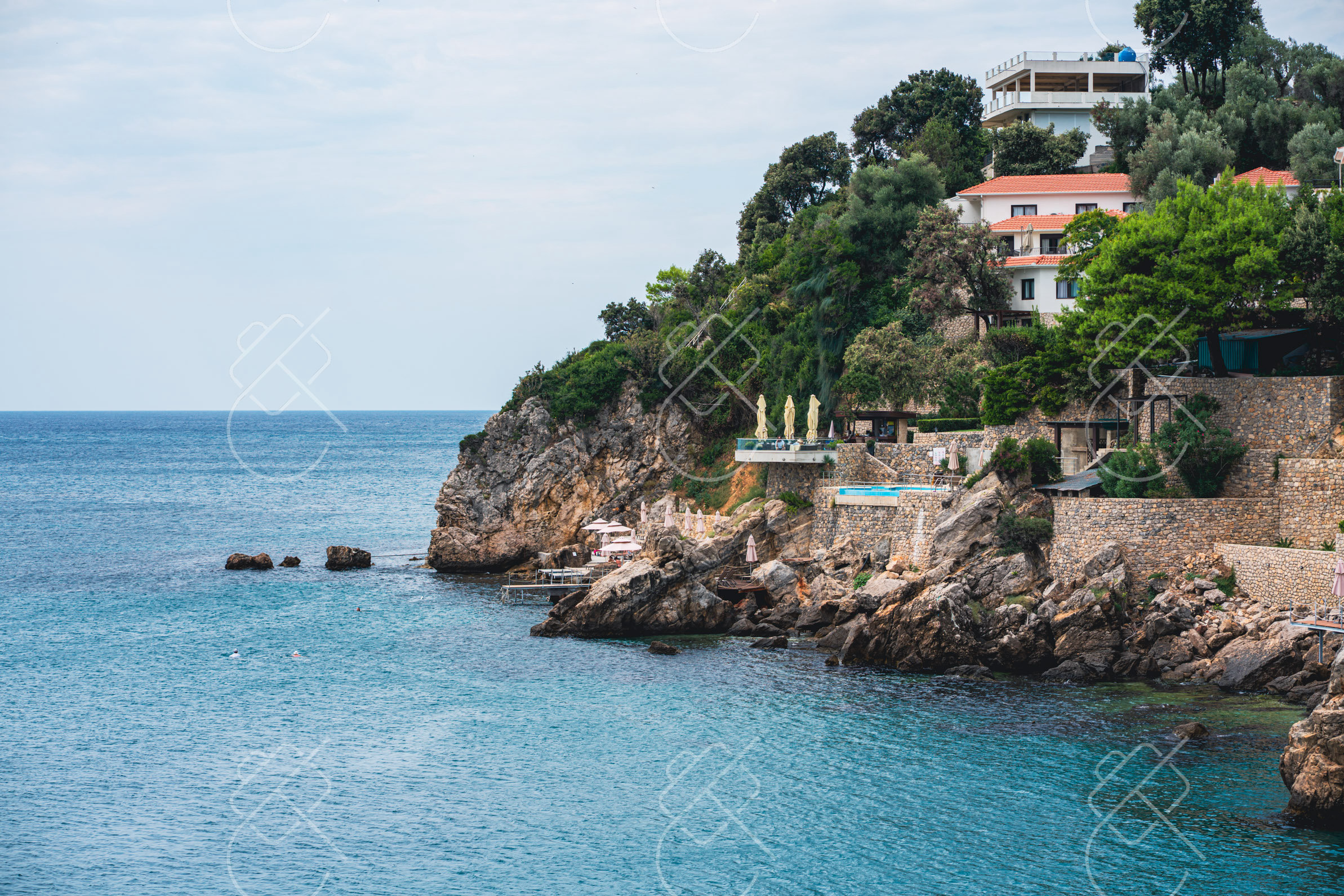
Ulcinj is Montenegro's southernmost coastal town, its clifftop Old Town — Kalaja — overlooking a string of rocky coves near the border with Albania.
One of the oldest towns on the Adriatic, Ulcinj's fortified Old Town sits on a rocky bluff above the sea, its stone walls enclosing a maze of narrow lanes that have long since outgrown centuries as a Mediterranean pirate stronghold and Ottoman-era trading port. Below the walls, small coves cut into the cliffside, and a short drive south gives way to Velika Plaža (Long Beach), a roughly 12-kilometer stretch of sand that's one of the longest beaches on the Adriatic.
Explore Ulcinj, Montenegro →04 / 06
Zadar, Croatia
Zadar is a Dalmatian port city on a peninsula jutting into the Adriatic, its Roman-grid old town ringed by a small working harbor and Venetian-era walls.
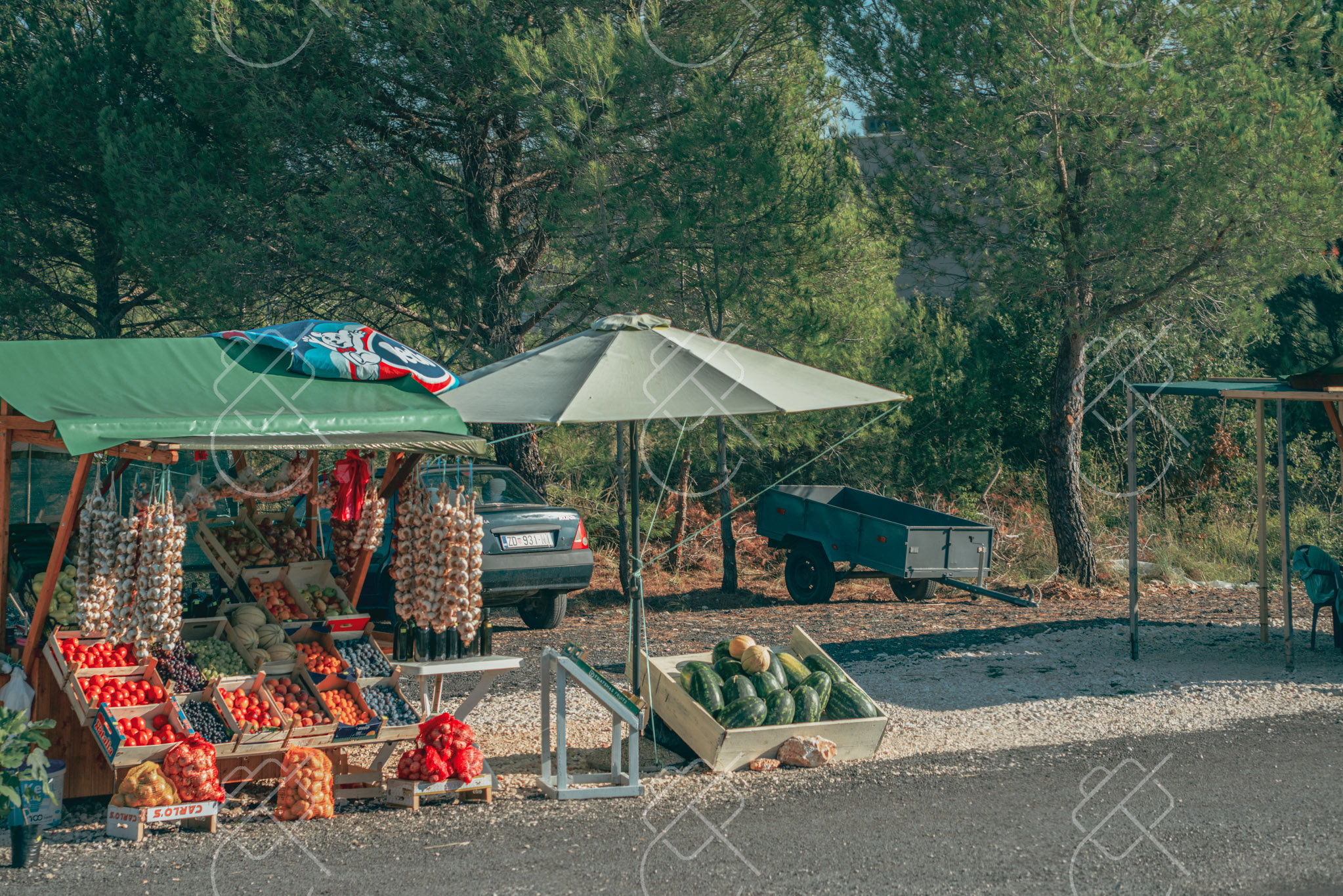
Zadar's waterfront promenade holds two unusual modern landmarks: the Sea Organ, a set of stone steps built in 2005 with underwater pipes that turn the motion of the waves into ambient musical tones, and the nearby Sun Salutation, a circular solar-powered installation that stores daylight and puts on a synchronized light show after dark. Alfred Hitchcock reportedly called Zadar's sunset the most beautiful he'd ever seen when he visited in the 1960s, and the view from the promenade past the harbor's small fishing boats still holds up.
Explore Zadar, Croatia →05 / 06
Šibenik, Croatia
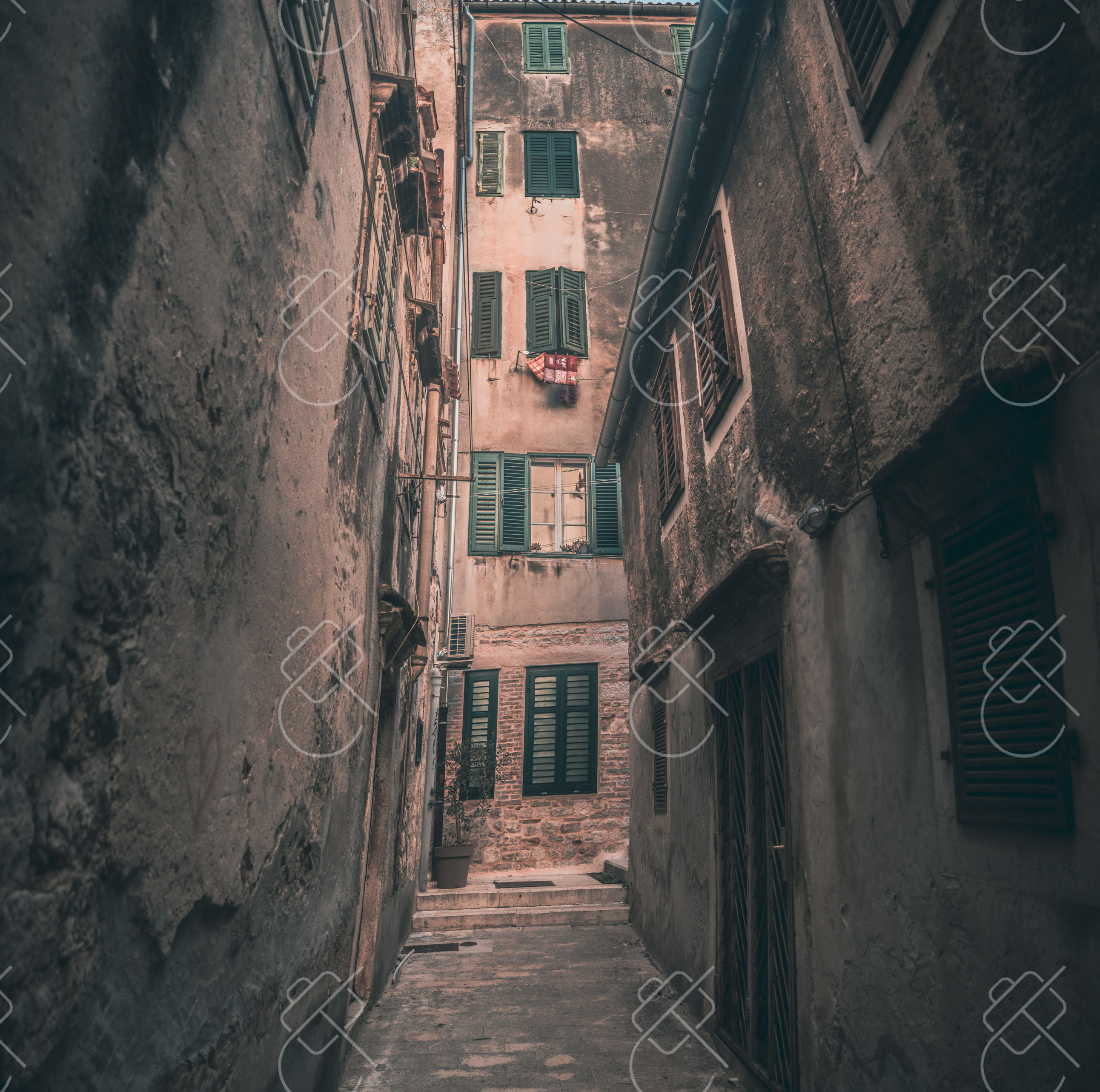
Šibenik is a Dalmatian coastal town wedged between hillside and harbor, its stone houses climbing to St. Michael's Fortress above a natural bay on the Adriatic.
Unlike most Dalmatian coastal towns, Šibenik was founded by Croats rather than Greeks, Romans or Venetians, first mentioned in a royal charter from 1066. Its centerpiece is the Cathedral of St. James, built entirely from stone and marble without a single brick or wooden beam over more than a century of construction (1431-1536), a UNESCO World Heritage Site for its unusual barrel-vaulted roof cut from interlocking stone slabs. St. Michael's Fortress crowns the hill above the old town and looks out over the harbor and the Kornati Islands beyond.
Explore Šibenik, Croatia →06 / 06
Sokcho, South Korea
Sokcho is a coastal city on South Korea's northeastern shore, set between the East Sea and the rugged peaks of Seoraksan National Park. It combines beaches and a working fishing harbor with one of the country's most celebrated mountain parks.
Sokcho's main draw is its position at the gateway to Seoraksan, widely considered the most beautiful mountain park in South Korea. Granite peaks, ravines, waterfalls and temples make it a prime destination for autumn foliage, when the slopes turn red and gold and a cable car carries visitors toward the rocky ridgeline at Gwongeumseong. The park holds the Sinheungsa temple and a large bronze Buddha statue near its entrance.
Explore Sokcho, South Korea →