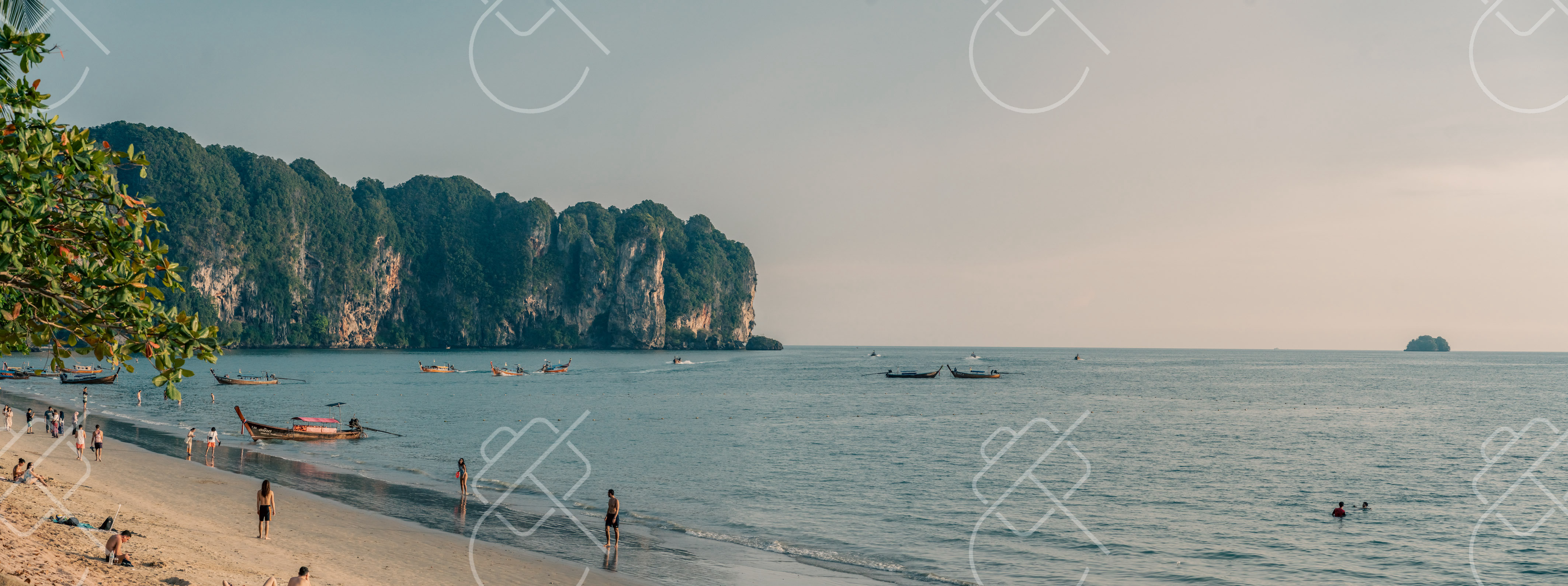
Waking up before dawn is never fun. These are the mornings that made it worth it anyway.
Tap any photo to open it full-screen and order a print.
01 / 05
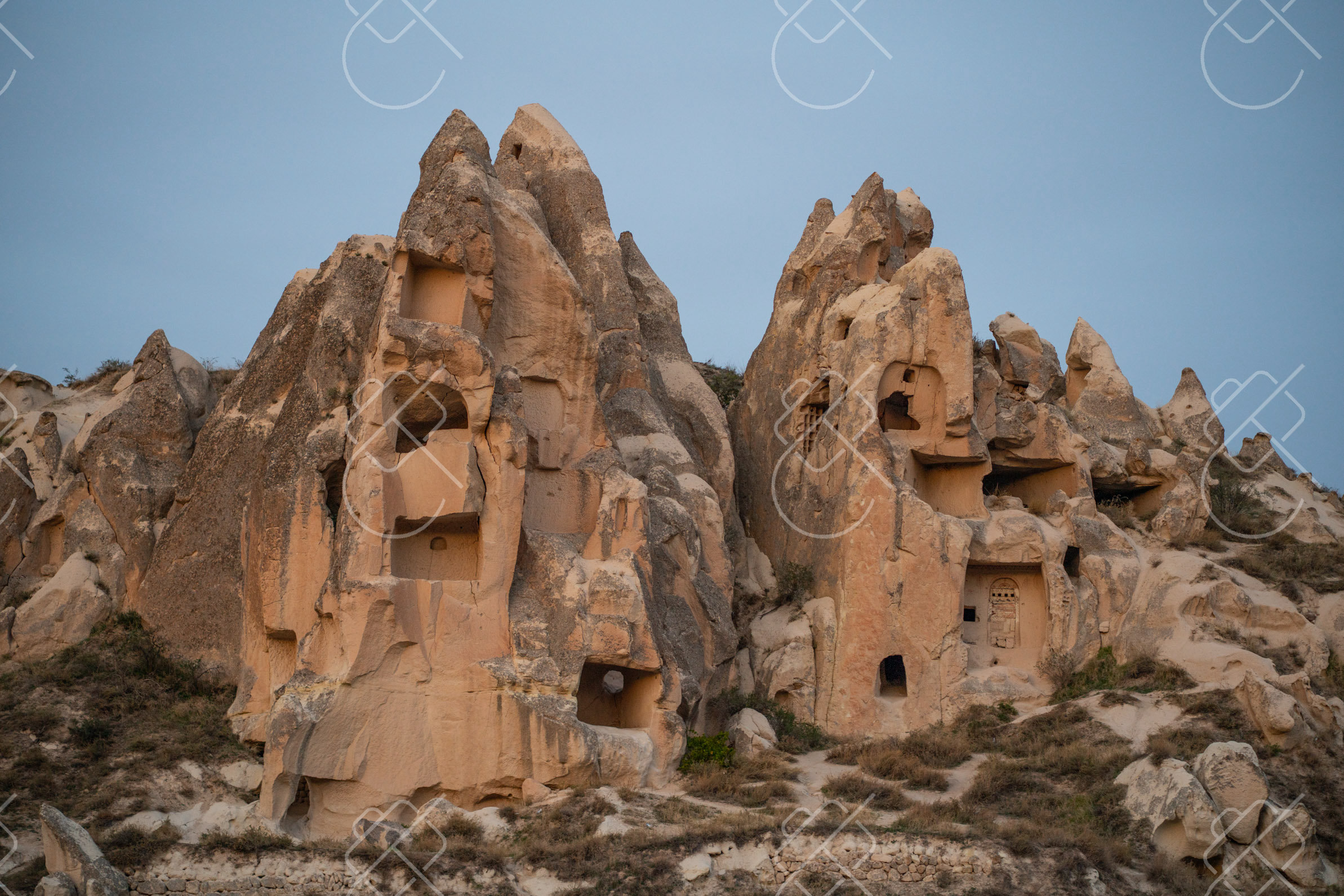
Goreme, Turkey
Göreme sits at the heart of Cappadocia, a region of soft volcanic rock eroded into cones, pillars and valleys. The town is built into and among the formations, with cave dwellings, rock-cut churches and a celebrated dawn balloon flight over the landscape.
The surrounding terrain, shaped by ancient eruptions and erosion, is dotted with the tapering rock pillars known as fairy chimneys, many hollowed out into homes, hotels and churches. The nearby Göreme Open-Air Museum preserves a cluster of rock-cut Byzantine churches with frescoed interiors carved into the cliffs.
Explore Goreme, Turkey →02 / 05
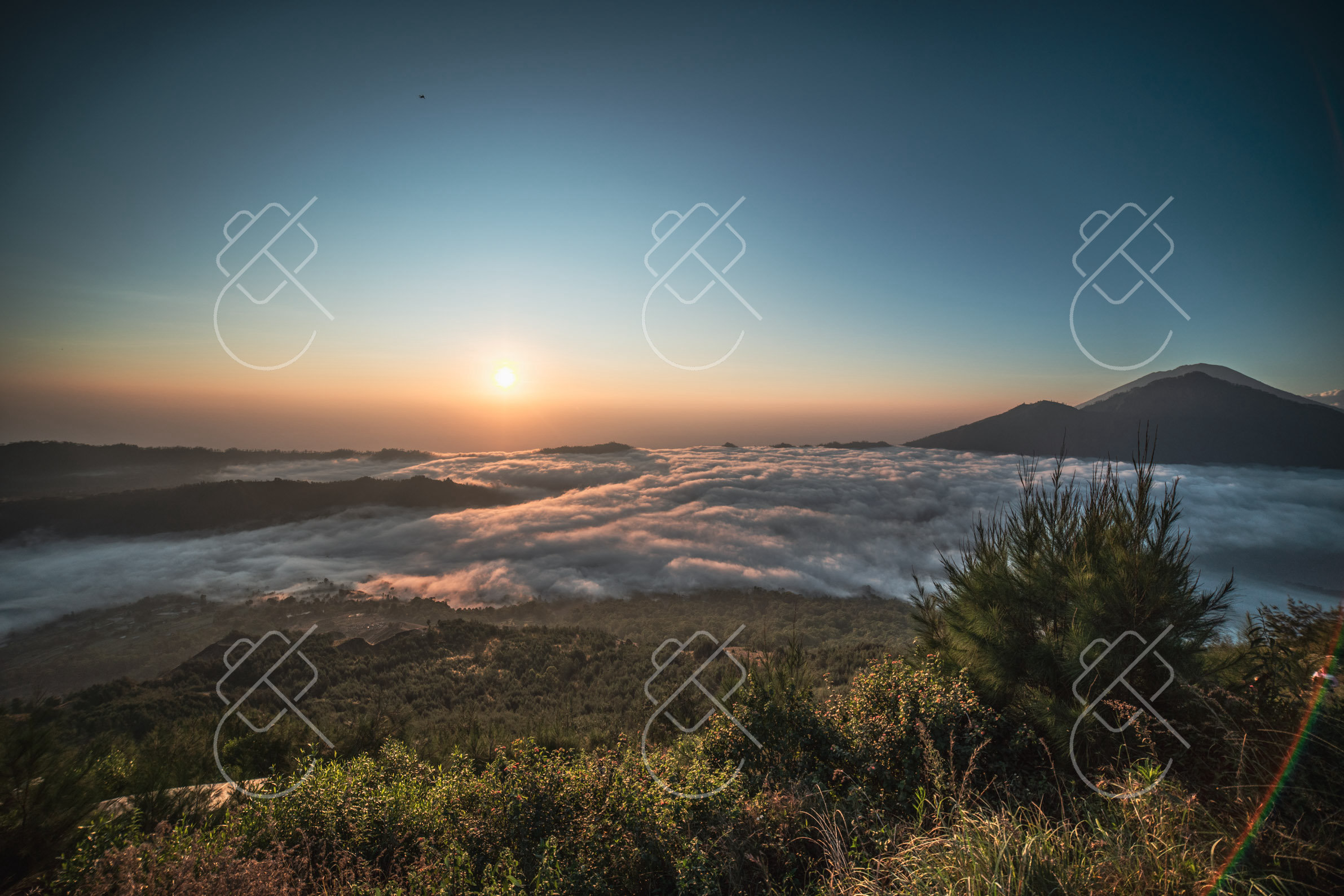
Kintamani, Indonesia
Kintamani, in Bali's northeastern highlands, overlooks the vast caldera of Mount Batur, an active volcano rising above a crescent crater lake. The cool, elevated region is known for sweeping volcanic views and sunrise treks.
The Kintamani region sits on the rim of an ancient caldera, with the active cone of Mount Batur, at around 1,717 meters, rising from the caldera floor beside the dark expanse of Lake Batur, the largest lake on Bali. The whole landscape is part of a UNESCO Global Geopark. Viewpoints and restaurants along the rim look out across the volcano and lake, and the cooler air at altitude contrasts with the lowland heat.
Explore Kintamani, Indonesia →03 / 05
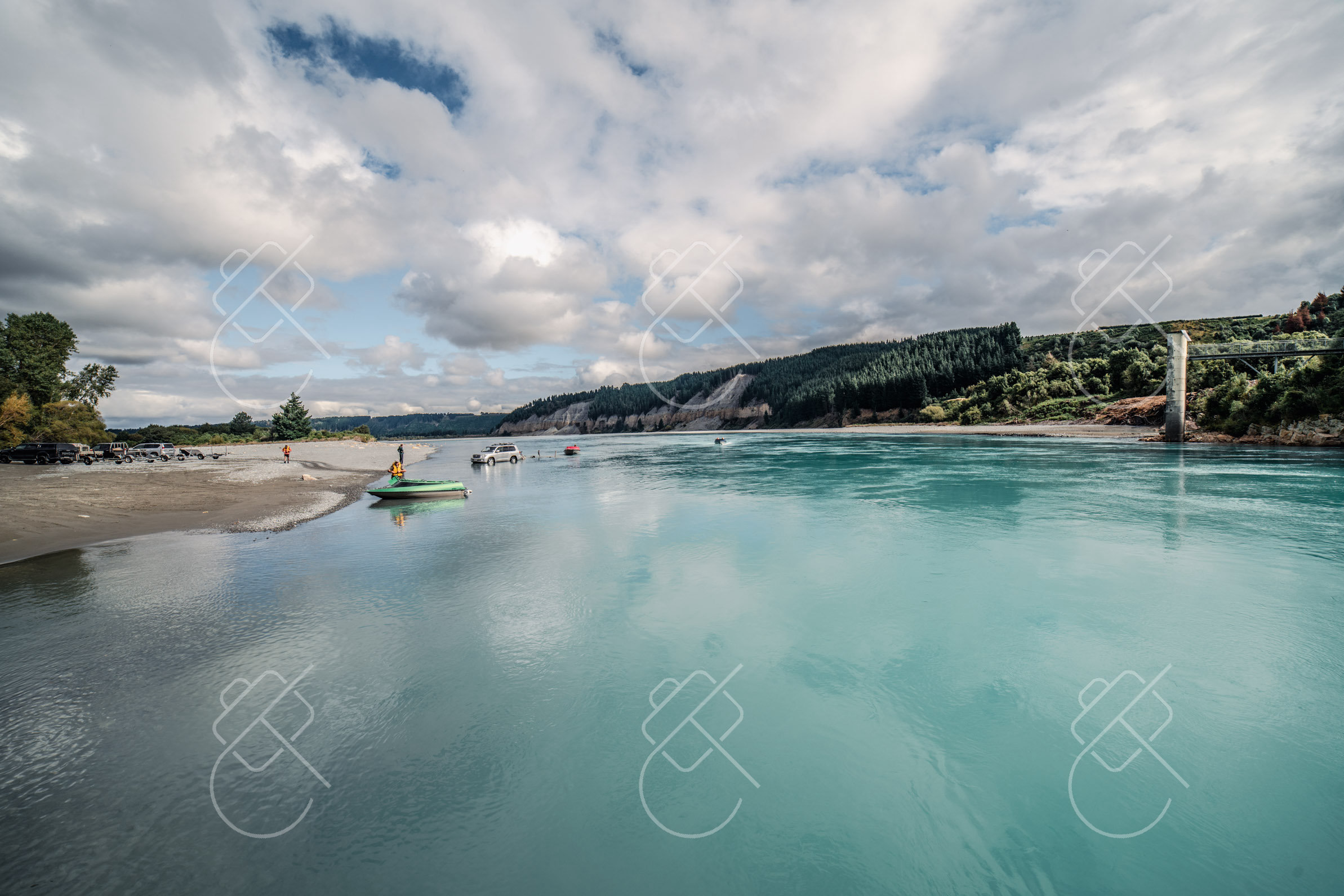
Lake Pukaki, New Zealand
Lake Pukaki is a glacier-fed lake in the Mackenzie Basin whose intense turquoise color comes from finely ground rock flour suspended in its meltwater. At its head rises Aoraki / Mount Cook, the highest mountain in New Zealand.
The lake's vivid milky-blue is the result of glacial flour — rock ground to powder by glaciers and carried down in meltwater, which scatters light to produce the striking color. Fed by the Tasman and other glaciers, Lake Pukaki points directly at Aoraki / Mount Cook, which at 3,724 meters is the country's tallest peak, making the lake's northern shore a spot where tour buses regularly stop just for the view.
Explore Lake Pukaki, New Zealand →04 / 05
Milford Sound, New Zealand
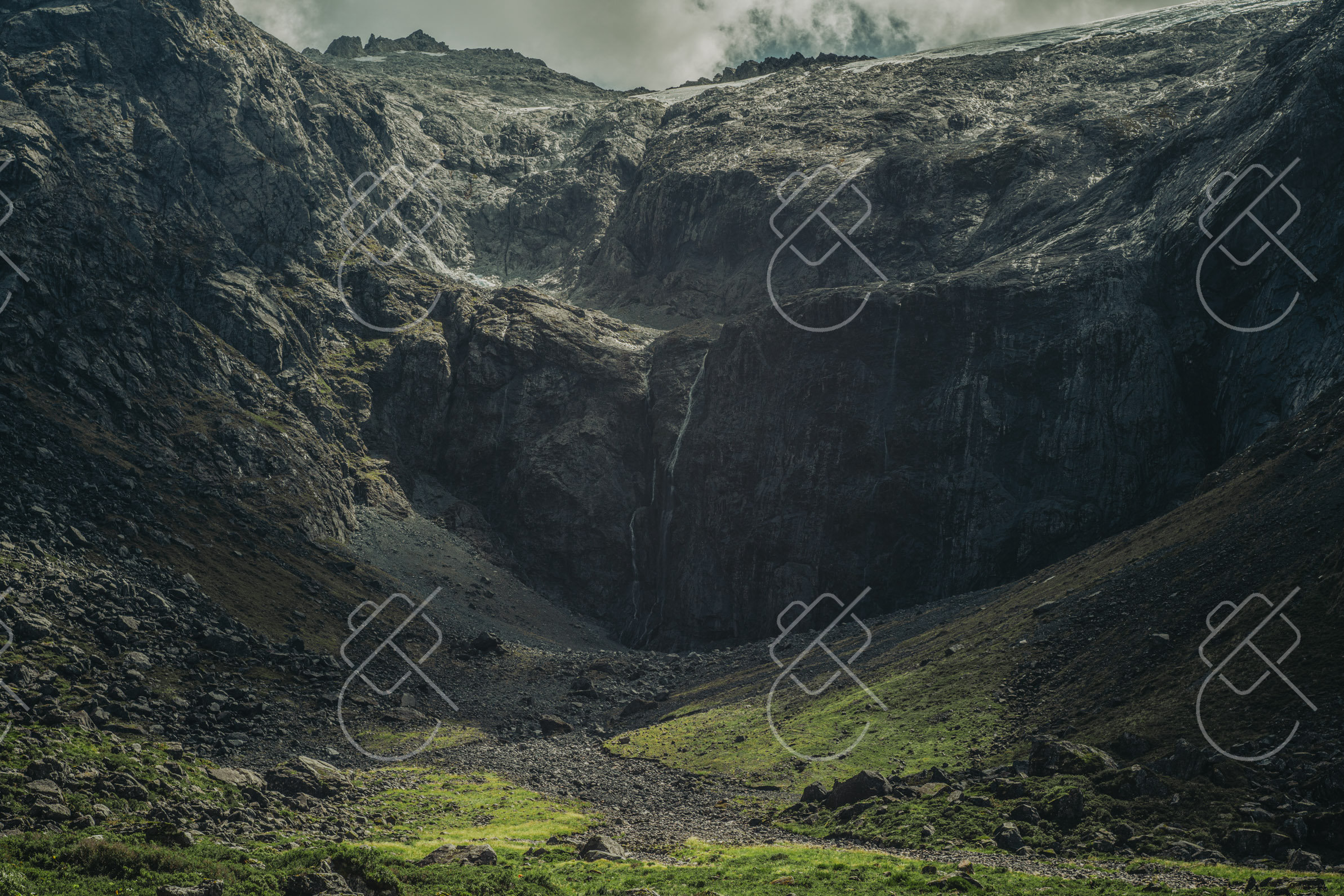
Milford Sound, in Fiordland National Park, is a glacier-carved fiord where sheer cliffs rise more than a kilometer straight from dark water. Among the wettest inhabited places on Earth, its frequent rain feeds hundreds of temporary waterfalls that pour from the cliffs.
Despite its name, Milford Sound is technically a fiord, gouged by glaciers and flooded by the sea. Mitre Peak, rising 1,692 meters almost directly from the water, is its defining landmark, a peak that shows up on more New Zealand postcards than almost anything else in the country. The fiord lies within Te Wahipounamu, a UNESCO World Heritage area, and is reached by a single road from Te Anau that itself passes alpine valleys, the Mirror Lakes and the Homer Tunnel.
Explore Milford Sound, New Zealand →05 / 05
Hoi An, Vietnam
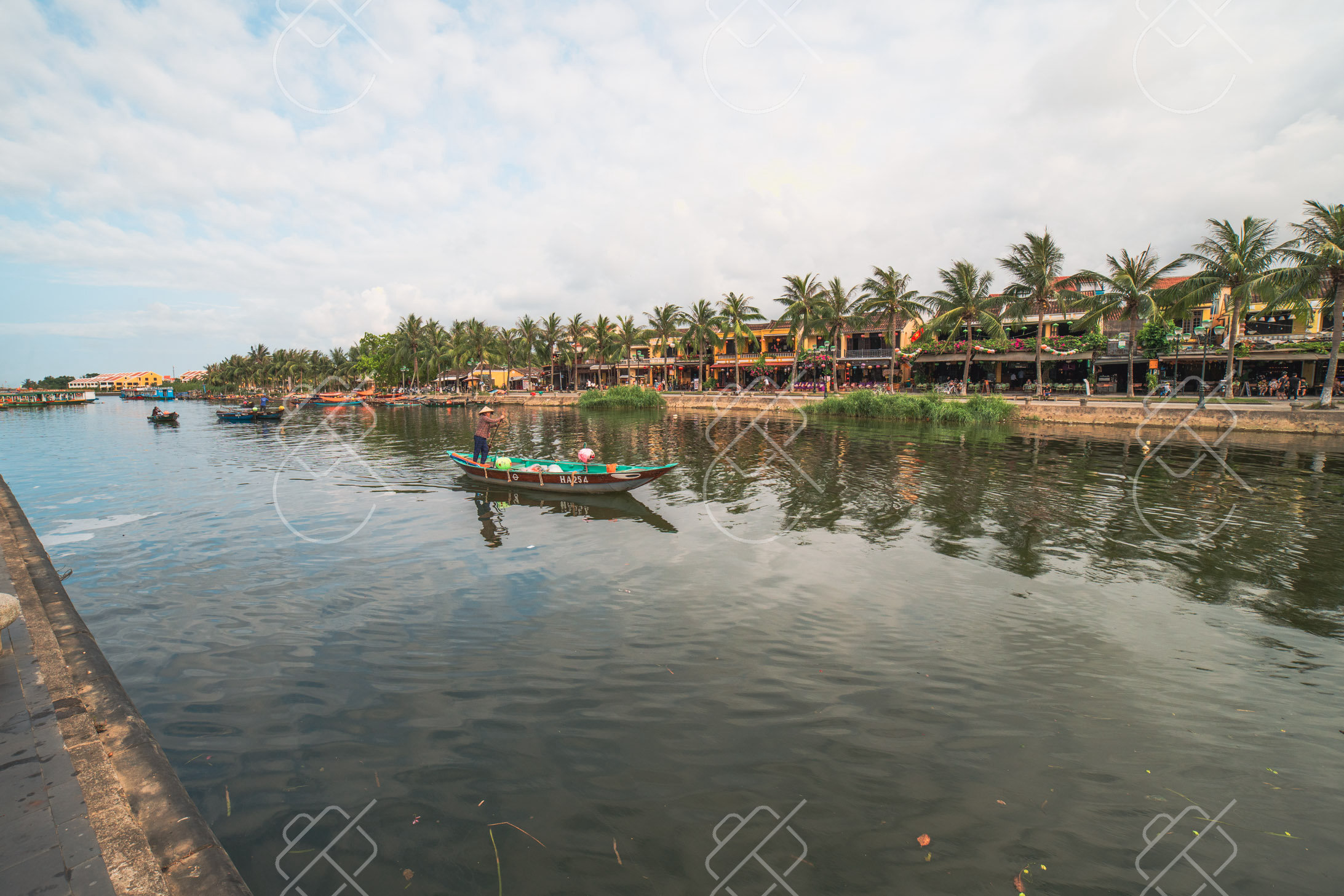
A preserved trading port whose riverside old town is calm and near-empty in the first light of day, hours before the lantern-lit crowds of evening arrive.
Hoi An's Old Town is at its best in the hour or two after sunrise, when the wooden shophouses along the Thu Bon River are lit by low morning light instead of the crowds that fill the same streets by mid-morning. Local vendors are only just setting up their stalls in this window, and the Japanese Covered Bridge, built in the late 16th century and the town's best-known landmark, is briefly empty enough to photograph without a crowd in frame — a rare thing in a town that gets very crowded by mid-morning.
Explore Hoi An, Vietnam →